




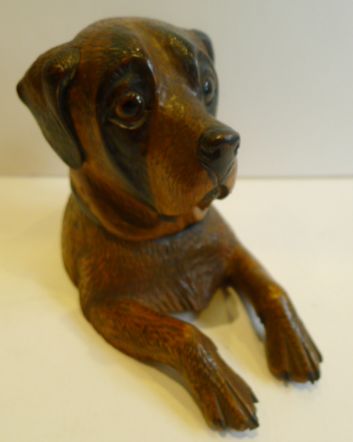
Black Forest Dog Carving
A black forest dog carving brings the rustic charm of the Alps directly to your desk or mantelpiece.
Understanding black forest dog carving
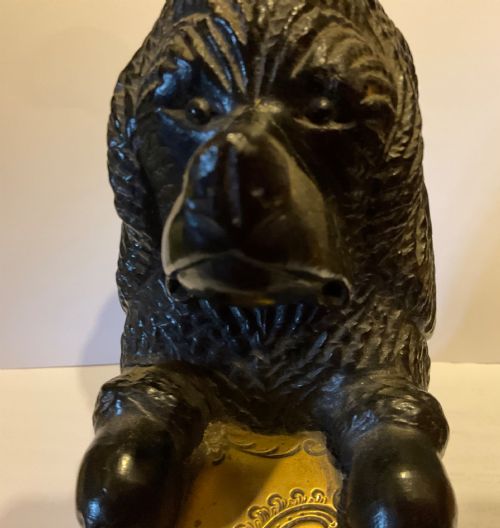
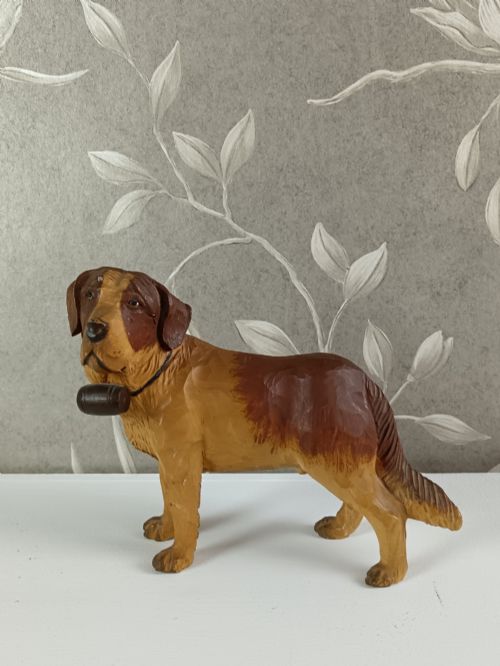
A black forest dog carving represents a specialised sculptural tradition originating in the Alpine regions during the nineteenth century. These pieces take the form of domestic and working dogs, ranging from St Bernards and terriers to Alsatians and begging pups, shaped into functional items or standalone figures.
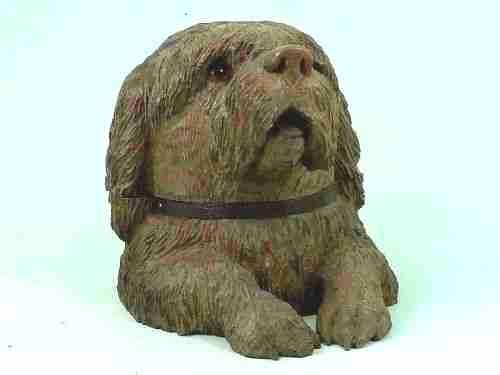
You are most likely to encounter Victorian examples made from carved wood, often designed with practical purposes such as match dispensers, tobacco boxes, inkwells, and walking sticks. The makers utilised the dense grain of the timber to capture the textured fur and expressive postures of each animal.
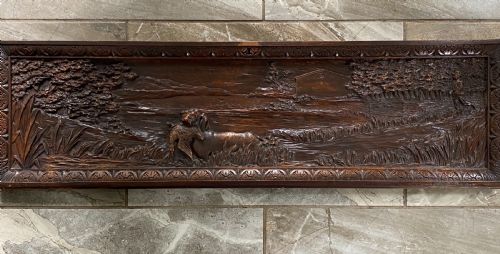
The objects span desk accessories, sculptures, and canes, reflecting the dual Victorian desire for ornamental domestic items and practical desk furniture. Each black forest dog carving displays the characteristic dark finish and realistic anatomical detailing associated with Alpine folk art.
Materials and construction
Carvers primarily utilised linden wood and other hardwoods, selected for their fine grain and suitability for intricate hand-tooling. Artisans carved the timber while seasoned, allowing them to undercut deep fur and muscular definition without splitting the material.
Details such as glass eyes were frequently integrated to heighten realism, whilst brass hinges and bone components occasionally provided structural support for functional lids on boxes and inkwells. Surfaces were finished with dark stains and sealants to achieve the signature rich tone.
Retail Price Guide 2026
Typical UK retail prices for black forest dog carving, calculated from the Sellingantiques database of over a million retail prices indexed since 2003. This retail price guide relies exclusively on Sellingantiques data; no external sources or auction records are used, so the figures do not describe the wider market.
Some carvings feature glass eyes so realistically positioned they appear ready to bark at passing visitors.
Assessing quality
The integration of the carving with its utilitarian purpose distinguishes finer examples, where match holders, inkwells, and tobacco boxes are harmoniously balanced within the sculptural form. The crispness of the chisel work and the preservation of the original wood finish further elevate the standing of a piece.
The Black Forest Dog Carving Glossary
- Black forest
- A regional style of wood carving originating in the Swiss and German Alpine areas during the nineteenth century. It is characterised by naturalistic representations of animals and foliage, usually finished in dark stains.
- Linden wood
- A pale, fine-grained hardwood traditionally favoured by European carvers for its softness and lack of prominent grain. This timber allowed artisans to execute extremely detailed undercutting without splintering.
- Inkwell
- A small container for holding liquid ink, typically fitted with a hinged lid and housed on a desk stand. In these carvings, the inkwell is often concealed within a naturalistic rocky outcrop or tree stump.
- Desk tidy
- A compartmentalised desk accessory used for organising small stationery items like nibs, stamps, and paperclips. They often incorporated animal figures as decorative centrepieces.
- Articulated
- Jointed or hinged in a way that allows parts of the sculpture to move. In cane handles or figures, this technique permitted jaws or limbs to shift.
- Folk art
- Utilitarian and decorative objects created by self-taught or traditional craftsmen outside the formal academic art traditions. These pieces rely on regional materials and techniques passed down through generations.
Frequently Asked Questions
What were black forest carvings used for?
These carved wooden items served both decorative and practical functions in nineteenth-century interiors. Many were designed as functional desk accessories, holding ink, matches, or tobacco.
Others functioned as walking stick handles or standalone animal sculptures intended to display the carver's skill in domestic settings.
How do I identify a Victorian black forest piece?
Victorian examples are identified through their distinct subject matter, such as St Bernards, terriers, and German shepherds, combined with dark-stained hardwood and glass eyes. The carving style aligns with nineteenth-century Alpine folk art traditions.
Maker techniques from this period typically involve hand-tooling on linden wood or local hardwoods to create textured fur and realistic anatomy.
Are these carvings made of solid wood?
Most pieces are carved from solid blocks of hardwood or linden wood, allowing artisans to shape deep relief and undercuts directly from the material. Component parts like lids and bases are shaped from the same timber stock.
In some instances, secondary materials such as glass, brass, or bone appear as functional additions for eyes, hinges, or fitments.
How should I care for wooden carvings?
Keep wooden carvings away from direct sunlight and sudden temperature changes to prevent the timber from drying out or splitting. Dust the carved surfaces gently with a dry, soft brush to reach into the deep fur details.
Avoid using liquid polishes or chemical cleaners, as these can accumulate in the recesses and alter the historic finish of the wood.