





Carved Wooden Inkwell
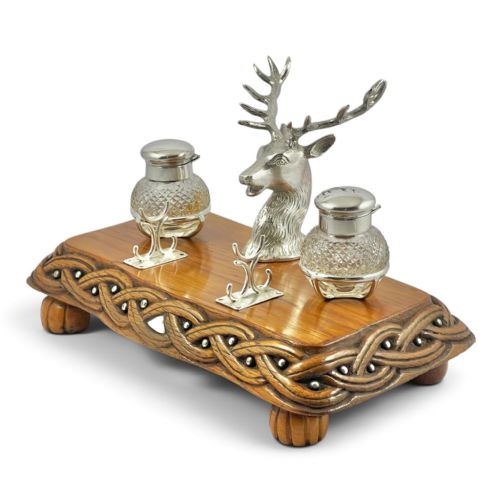
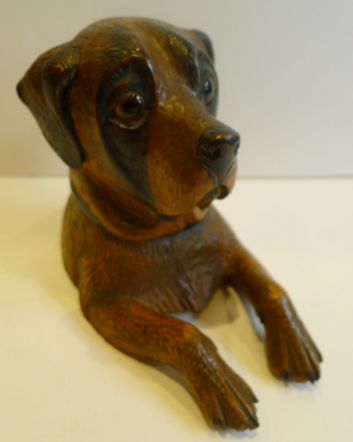
These carved wooden inkwells are desk accessories formed into animals and birds from the Victorian and Edwardian periods.
Carved Wooden Inkwell
A carved wooden inkwell is a desk accessory designed to hold writing fluid while ornamenting a surface with sculptural forms. When you search for carved wooden inkwell, you encounter desk items shaped as owls, cats, bears, dogs, eagles, and walnuts.
The pieces listed on this page span the Victorian era, the Edwardian period, and the late nineteenth century. You are most likely to meet Black Forest carvings rendered in linden wood, oak, or walnut, frequently featuring hinged lids and glass inserts.
Makers from Switzerland and Britain produced these items as functional desk tidies and novelty stands. They range from single animal figures to double inkstands equipped with drawers for pens and nibs.
How they were made
Carvers shaped these objects primarily from linden wood, oak, mahogany, ebony, and walnut using hand gouges and chisels. The natural grain of the timber was often left visible or darkened to accentuate the carved musculature of animals and birds.
Makers integrated fitted glass reservoirs and ceramic liners inside the wooden housings to contain the liquid ink safely. Details such as brass hinges, silver mounts, and carved glass eyes completed the construction of these desk pieces.
Carved Wooden Inkwell Retail Price Guide 2026
Typical asking prices for carved wooden inkwell among the pieces listed under this phrase on Sellingantiques today, from the lower quarter to the upper quarter. They describe what is for sale here now, not the wider market.
Listings for carved wooden inkwells feature materials such as glass, carved wood, linden wood, brass, oak, silver, ebony, and mahogany.
What varies in quality
Quality in a carved wooden inkwell depends on the depth and precision of the sculptural carving. Pieces with detailed feather or fur texture and expressive animal postures sit at the top of the range.
The choice of materials and the integration of hardware also set examples apart. Solid construction using dense woods like ebony or linden, paired with original glass inserts and intact silver or brass mounts, distinguishes superior desk tidies.
Maison F. Mack
The Carved Wooden Inkwell Glossary
- Black Forest
- A regional style of wood carving originating from the mountain region in central Europe, known for realistic animal sculptures. Pieces in this style often depict bears, dogs, and owls.
- Inkstand
- A desk tray or stand designed to hold one or more inkwells along with pens and other writing implements. Many include drawers or compartments for stationery.
- Linden wood
- A pale timber commonly utilised by carvers for its fine grain and soft texture, allowing for intricate detail. It forms the basis of many nineteenth century animal carvings.
- Desk tidy
- A multi-purpose accessory for organising writing materials on a desk or table. These items frequently combine an inkwell with pen troughs and lidded compartments.
Carved Wooden Inkwell: Frequently Asked Questions
What are carved wooden inkwells?
Carved wooden inkwells are nineteenth-century desk accessories shaped into sculptural forms like animals, birds, and natural objects such as walnuts. They combine a lidded wooden housing with a glass or ceramic insert meant to hold liquid ink.
Craftsmen during the Victorian and Edwardian periods produced these pieces using timbers including oak, linden wood, and ebony. Many were designed as novelty items or desk tidies featuring hinged lids and pen trays.
How do I date a carved wooden inkwell?
Dating these items involves examining the timber, the style of carving, and the associated hardware such as brass hinges or silver mounts. Pieces originating from the Victorian and Edwardian eras often display distinct regional characteristics associated with British workshops or Black Forest carvers.
The presence of hallmarks on silver components or retailer inscriptions can provide a more precise timeframe. Stylistic cues like Victorian Celtic Revival motifs also help establish the period of manufacture.
Were these inkwells used daily?
These pieces served practical functions on writing desks in homes and offices before the widespread use of fountain pens. Writers dipped steel nibs directly into the glass reservoirs housed within the carved wooden figures.
Many examples incorporated double inkwells or companion drawers to hold stamps, nibs, and sealing wax. Their dual role as desk tidies made them central items for daily correspondence.
How should I clean a wooden inkwell?
Maintaining wooden inkwells requires gentle dusting with a dry cloth to preserve the carved details and the patina of the timber. Harsh chemical cleaners and excessive moisture should be avoided, as they can damage the wood grain and corrode original metal hinges.
Glass inserts can be removed carefully and washed separately if ink residue accumulates inside the reservoir. Keeping the piece away from direct sunlight and heat sources protects the wood from drying out.