



Antique Carved Dog Figure
An antique carved dog figure brings character and history into a room, spanning from Alpine folk art to traditional Chinese export pieces.
Antique Carved Dog Figure
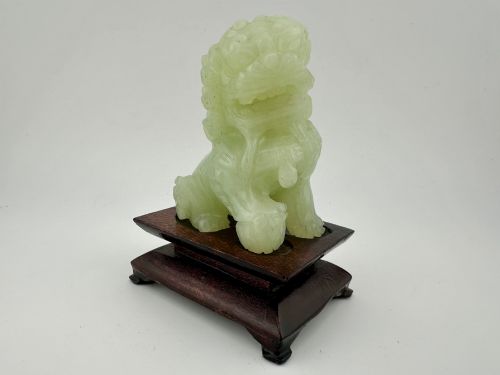
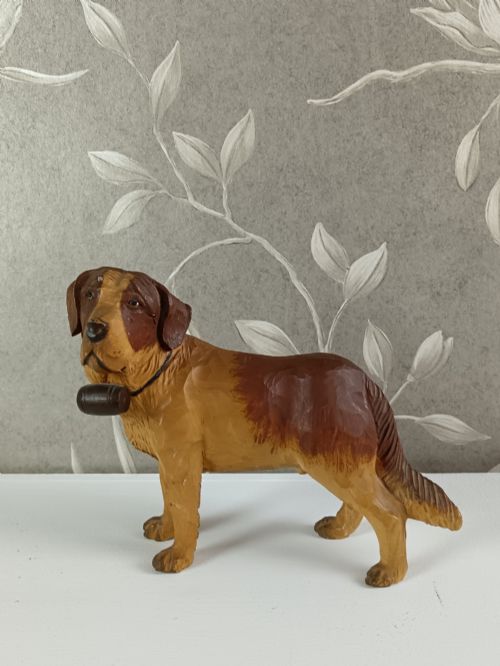
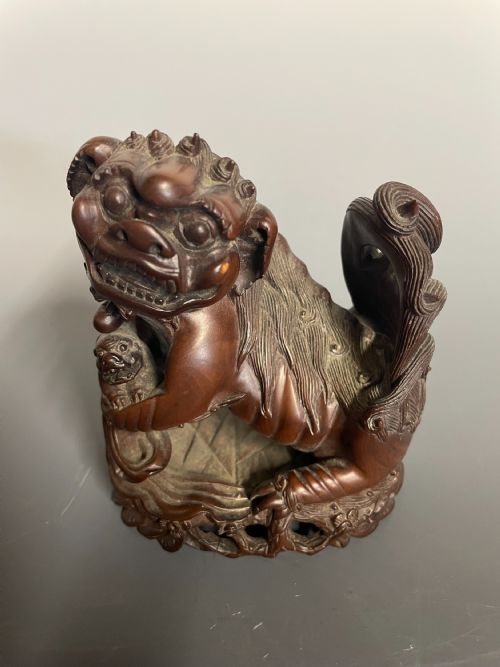
An antique carved dog figure encompasses everything from European Grand Tour hounds and Black Forest inkwells to traditional Chinese root wood dogs of Fo. When searching this phrase, buyers encounter animal sculptures, bookends, and functional desk accessories shaped from stone, wood, and marble. The selection on this page ranges widely across global traditions, materials, and nineteenth and twentieth-century periods.
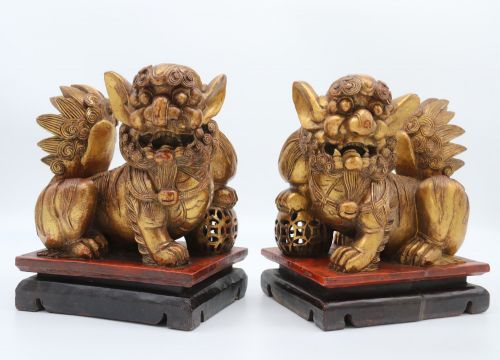
European examples lean towards realistic interpretations, such as Saint Bernards carved in wood or Derbyshire alabaster, alongside classical models of the Dogs of Alcibiades in Italian green serpentine marble. Asian examples include boxwood, soapstone, and lacquer carvings of Foo dogs or temple guard dogs. Art Deco pieces introduce bamboo and painted finishes into the mix, reflecting distinct stylistic shifts over the decades.
Materials and construction
Makers shaped these figures using traditional subtractive methods, carving directly into hardwoods, boxwood, root wood, and bamboo. Stone workers shaped harder substances like marble, soapstone, and Derbyshire alabaster, sometimes finishing surfaces with paint, lacquer, or gilt to highlight specific details. Bookends and sculptures often combined carved animal figures with functional heavy bases.
The working of the material dictates the final character of the piece, whether it is the intricate grain of a root wood lion dog or the smooth polish of Italian serpentine marble. Details were rendered through hand chiselling, incising, and polishing, depending on the workshop tradition and the hardness of the material employed.
Listings feature wood, marble, soapstone, and lacquer pieces spanning the Victorian era through the Art Deco period.
Assessing quality and execution
Quality rests upon the precision of the carving and the fidelity of the animal form, whether the piece follows an Alpine folk tradition or a classical Grand Tour model. Superior examples display confident handling of the material, capturing anatomical movement or stylized majesty without awkward proportions. The treatment of surface details, from hair texture to facial expression, separates master workshop output from simpler commercial production.
Bright And Sons
The Antique Carved Dog Figure Glossary
- Foo Dog
- A traditional guardian lion figure originating in Chinese art, often depicted protecting sacred spaces.
- Black Forest
- A nineteenth-century style of carved wooden animal sculpture and decorative objects originating from the Swiss and German border regions.
- Grand Tour
- Nineteenth-century souvenirs collected by travellers in Europe, frequently reproducing classical sculpture in marble or alabaster.
- Dogs of Alcibiades
- A classical sculpture subject depicting ancient hound figures, popularised during the nineteenth century in various European stones.
- Serpentine marble
- A green mottled stone often utilised for nineteenth-century decorative carvings and architectural models.
Antique Carved Dog Figure: Frequently Asked Questions
What materials are used for these dog figures?
The pieces utilise various natural substances including hardwoods, boxwood, root wood, and bamboo. Other items appear in soapstone, Derbyshire alabaster, and green serpentine marble.
Surface treatments such as paint, gilt, and lacquer frequently appear on wooden and Asian export carvings to enhance decorative effect.
How do I identify a Foo dog carving?
Foo dogs, also known as lion dogs or temple guard dogs, originate in Chinese export and traditional Asian art. They typically feature stylised manes, wide eyes, and a guardian posture.
These figures appear in materials ranging from soapstone and boxwood to root wood and lacquer.
Where were Black Forest dog carvings made?
Black Forest carvings originate primarily from the woodworking traditions of the Swiss and German border regions during the nineteenth century. These pieces often take the form of functional items like inkwells or detailed animal sculptures.
Subject matter commonly includes working breeds like St Bernards.
What is a Grand Tour dog figure?
Grand Tour pieces are nineteenth-century decorative objects and miniature sculptures acquired by travellers visiting classical European sites. Figures like the hounds of Alcibiades were frequently rendered in marble or alabaster.
These carvings reflect a nineteenth-century interest in classical antiquity.
Are these figures functional or decorative?
Many examples serve a dual purpose as both sculpture and functional objects, such as bookends or inkwells. Other pieces function purely as decorative figures or temple guards.
Materials and forms vary according to whether the item was intended for a desk, a library, or a display cabinet.