



Carved Timber Animal Figure
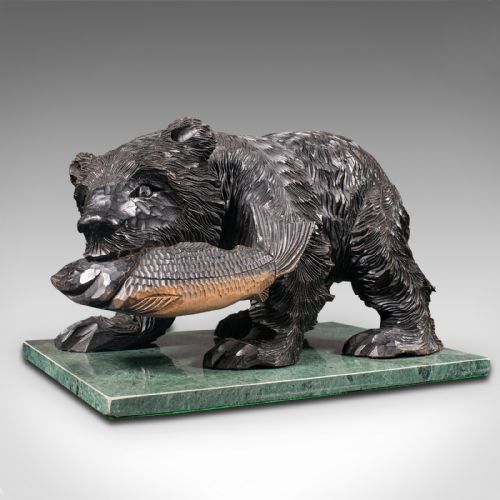
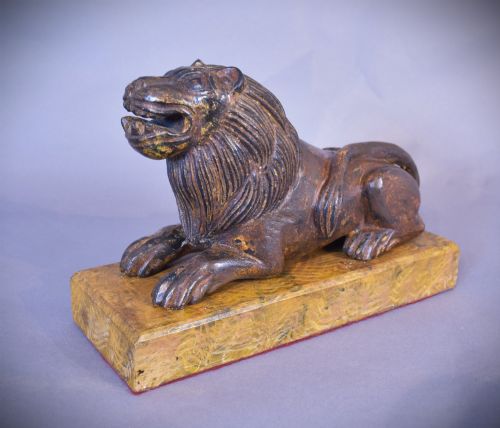
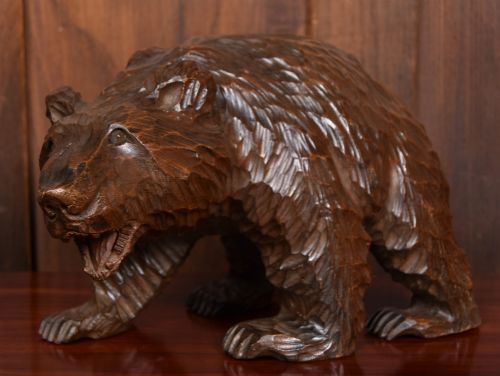
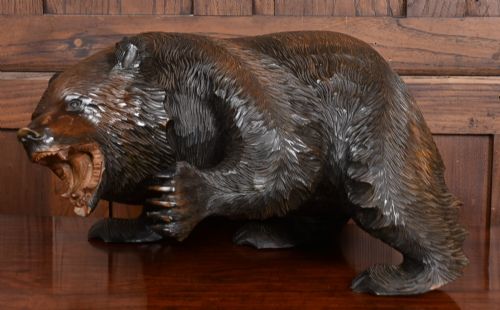
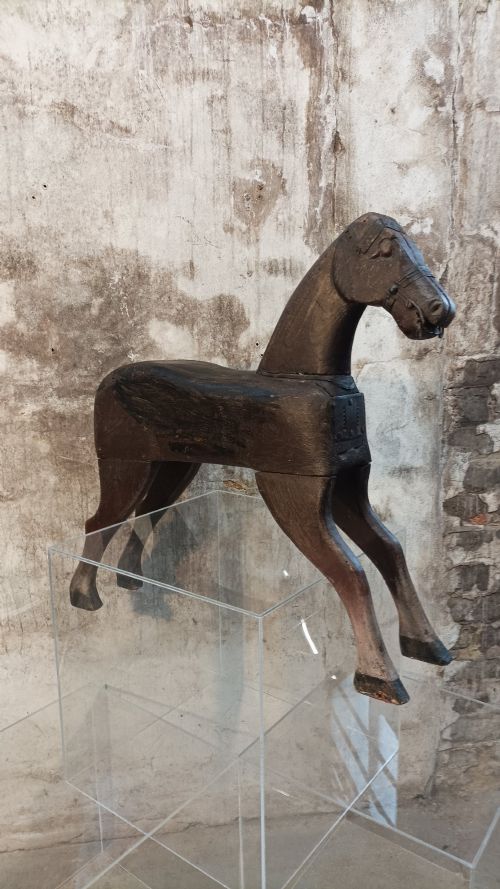
A carved timber animal figure brings the character of bears, lions, elephants, and domestic beasts directly into a room through the skill of historical woodcarvers.
Carved Timber Animal Figure
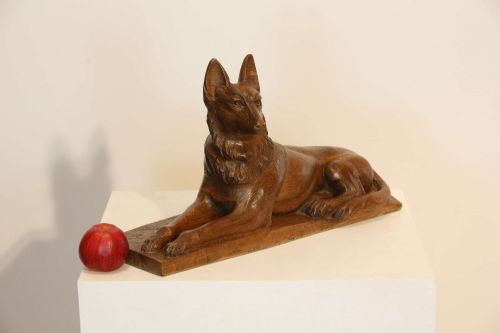
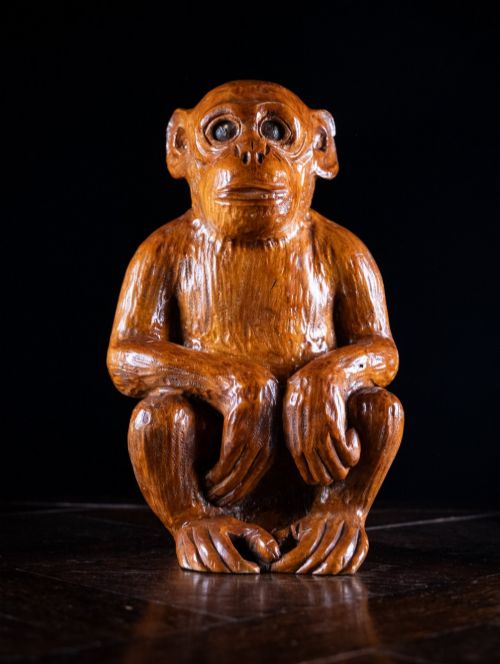
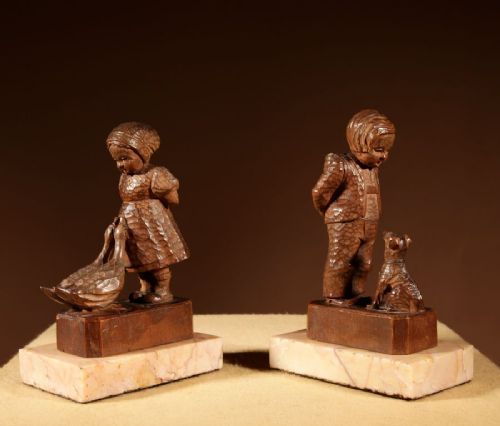
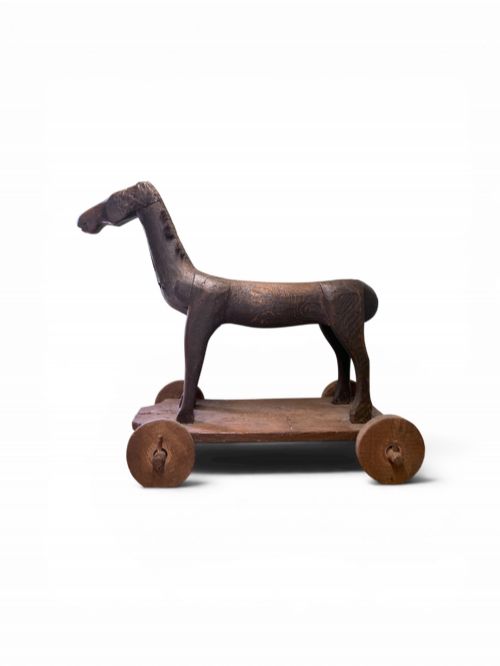
A carved timber animal figure spans centuries of global craftsmanship, capturing fauna from domestic horses and farm cows to exotic monkeys, panthers, and bears. These pieces emerge in various forms, including freestanding decorative sculptures, monumental life-size animals, bookends, and miniature groups.
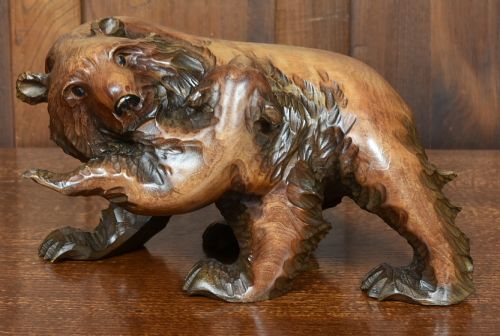
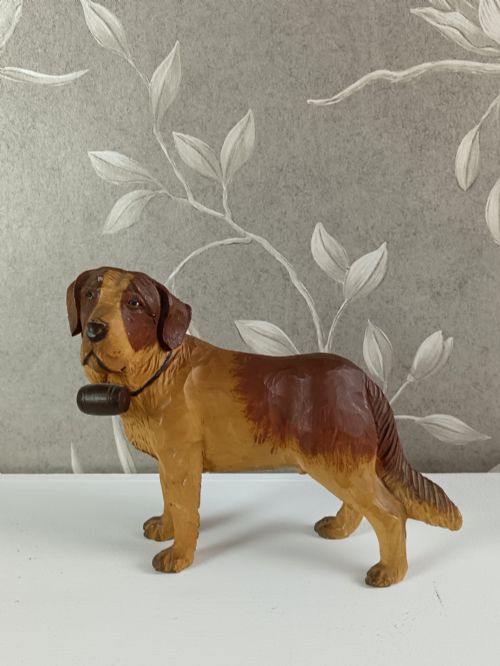
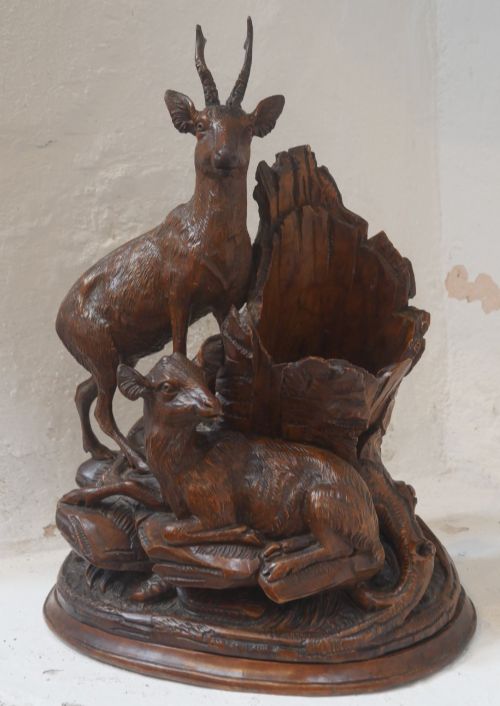
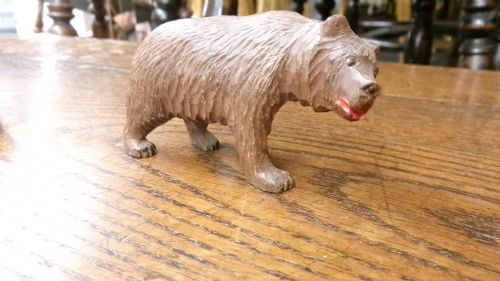
European workshops, particularly within the Black Forest tradition, contribute numerous bears, dogs, goats, and birds to this category. Alongside these European works appear Asian traditions, represented by Japanese okimono carvings and intricate Chinese hardwood elephants and ducks.
How they were made
Carvers utilise diverse timbers ranging from European lindenwood, cedar, and walnut to dense imported hardwoods like ebony, teak, and coromandel. Some pieces incorporate surface paint or inset stud eyes to bring realism or naive character to the carved form.
Makers employ hand-chiselling and gouging techniques to shape the timber, following the natural grain to define fur, muscle structure, and feathers. Working with regional materials, carvers produce everything from small folk art toys to large-scale decorative figures.
Carved Timber Animal Figure Retail Price Guide 2026
Typical asking prices for carved timber animal figure among the pieces listed under this phrase on Sellingantiques today, from the lower quarter to the upper quarter. They describe what is for sale here now, not the wider market.
A set of fifteen miniature bears demonstrates that nineteenth-century carvers delighted in crafting animals on a microscopic scale.
What varies in quality
The standard of a carved timber animal figure depends on the anatomical precision and expressive energy achieved by the carver. Superior pieces display convincing movement, accurate proportions, and deliberate handling of the timber grain, whereas simpler examples rely on naive charm.
Depth of relief and intricacy of detail distinguish finer studio productions from simpler domestic or folk art items. The preservation of original surface finishes, whether polished wood, paint, or natural patina, heavily influences the integrity of the piece.
Shuho Nakahara
The Carved Timber Animal Figure Glossary
- Black Forest
- A style of wood carving originating from the mountainous region of central Europe, renowned for realistic animal sculptures, particularly bears.
- Okimono
- A Japanese decorative statuette designed for display on a shelf or in a traditional alcove, often depicting animals or figures.
- Folk art
- Objects created by self-trained or traditional artisans outside the formal academic tradition, prioritising expressive character over strict naturalism.
- Hardwood
- Timber derived from broad-leaved trees, providing dense and durable material for intricate and lasting animal carvings.
- Raj period
- The era of British governance in the Indian subcontinent, associated in carving with detailed teak and ebony animal studies.
Carved Timber Animal Figure: Frequently Asked Questions
What animals appear in these carvings?
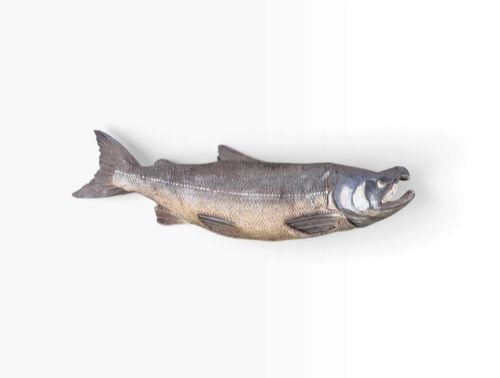
The listings include a wide menagerie ranging from bears, lions, elephants, and panthers to domestic horses, cows, dogs, and flying fish.
Different regional traditions favoured specific beasts, such as bears in European mountain workshops and elephants in Asian hardwood traditions.
How do I identify Black Forest carvings?
Black Forest pieces typically use European timbers like lindenwood or walnut to depict regional wildlife with textured fur and lifelike poses. Bears, goats, and deer are common subjects in this distinct European style.
Many examples date from the nineteenth and early twentieth centuries, reflecting the high period of tourist and export production.
Where were these wooden figures displayed?
Owners placed these sculptures on mantelpieces, desks, and sideboards as decorative ornaments or functional items like bookends. Larger life-size figures stood directly on the floor or on dedicated wooden plinths.
Smaller miniatures and toys served as cabinet pieces or children's playthings, depending on their scale and fragility.
Are all these animal figures European?
No, the selection encompasses diverse global origins including Japanese folk art and Chinese hardwood pieces. Asian works often feature distinct regional timbers and stylistic conventions.
Indian workshops also contributed teak and ebony animal studies during the nineteenth century.