


Carved Sculpture Stand
These pieces for a carved sculpture stand provide solid elevation and structural framing for display figures, urns, and ornaments.
Carved Sculpture Stand
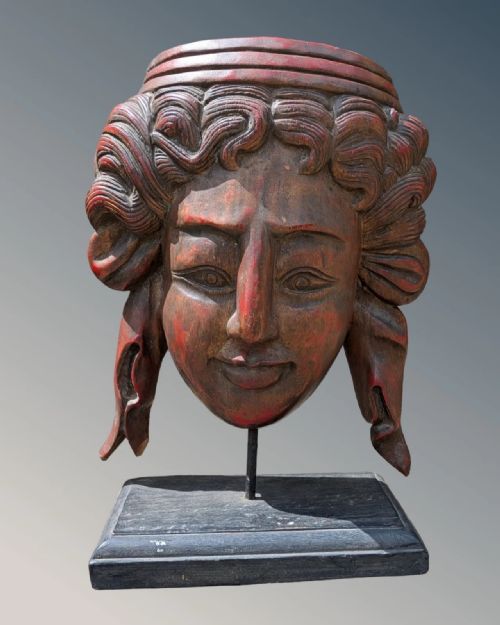
A carved sculpture stand functions to elevate three-dimensional art, figures, and decorative objects for display within a room. When buyers search for a carved sculpture stand, they encounter architectural columns, classical pedestals, and dedicated bases constructed specifically to support heavier objects.
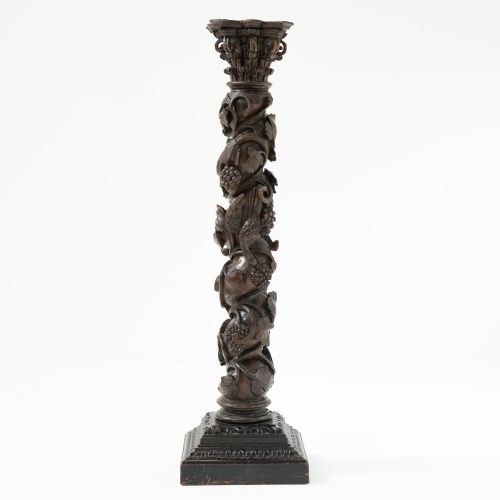
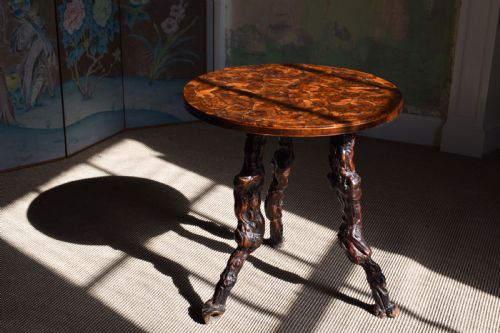
The selections available span multiple stylistic influences including Victorian, Baroque, Neoclassical, and Qing Dynasty traditions. Forms range from sturdy oak Solomonic columns and walnut torchiere bases to marble statuary pedestals and rootwood tables.
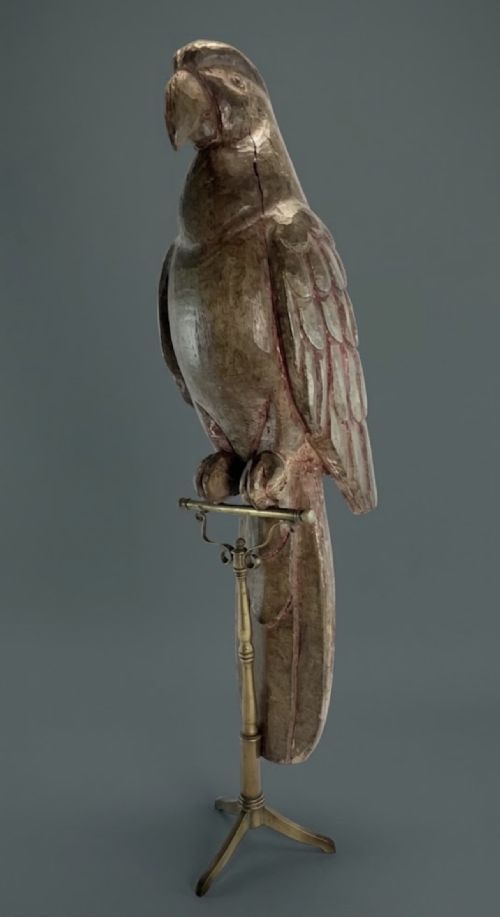
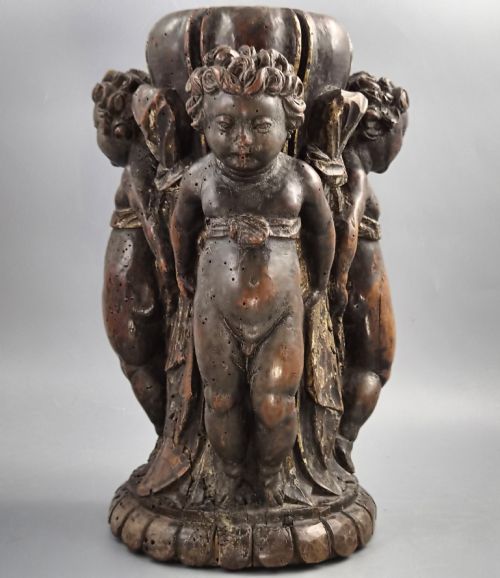
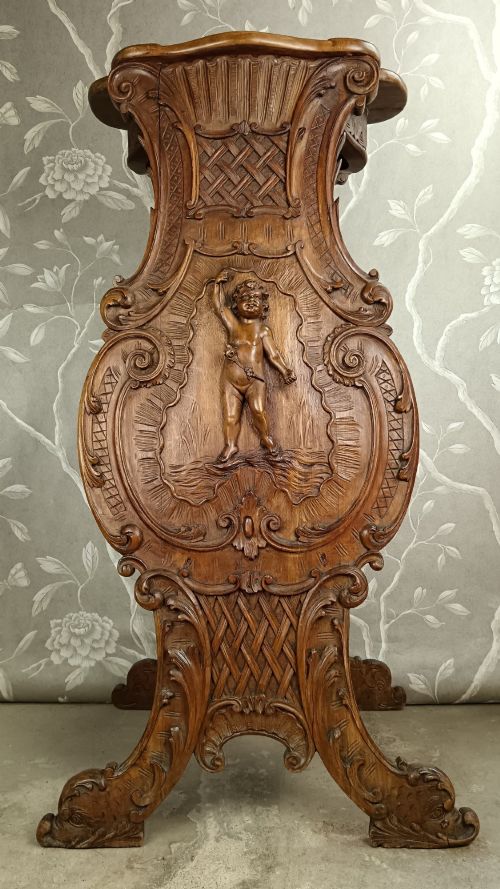
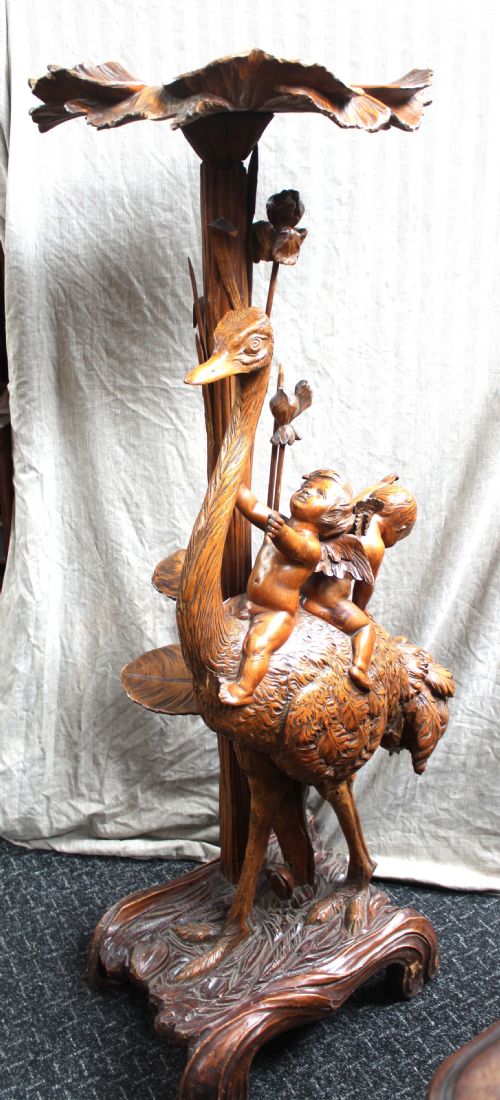
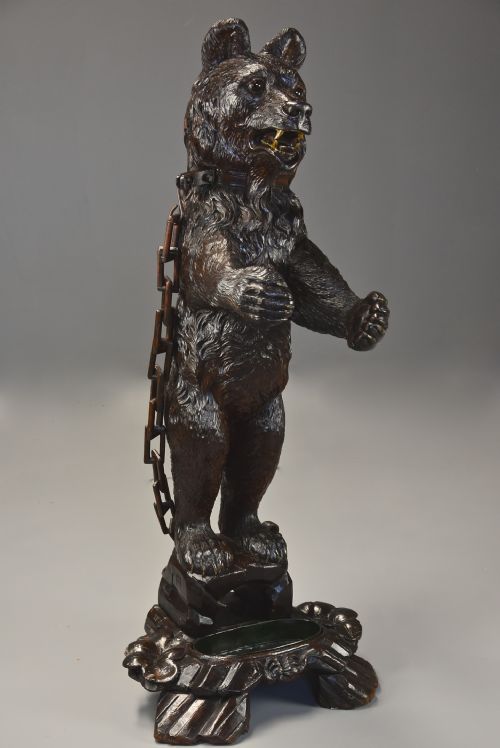
Many examples integrate structural support directly with figurative carving, such as putti, bears, or elephants supporting the upper platform. These pieces originate from European workshops and Asian traditions alike, reflecting diverse historical periods from the eighteenth century onwards.
How They Were Made
Makers utilised solid timbers such as oak, walnut, hardwood, and regional fruitwoods, shaping the material through hand-carving and turning on large lathes. Detail work often involved intricate relief carving, fluting, and applied elements like gold leaf or polychrome paint.
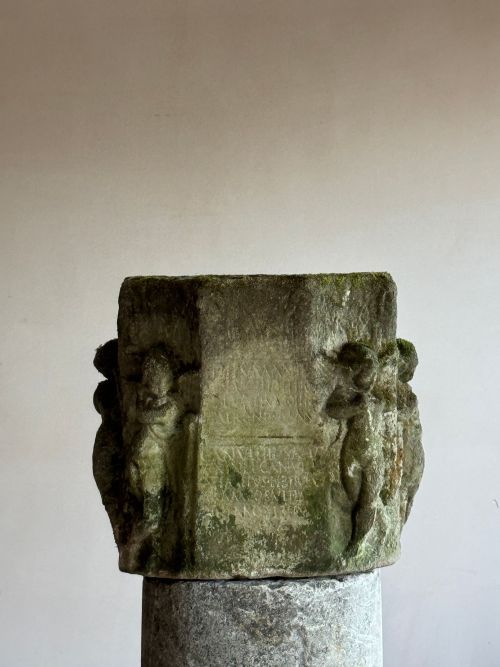
Stone variants relied on marble, alabaster, and cast stone, cut and polished to reveal natural veining and smooth columnar shafts. Metal components, including brass and bronze, were cast and patinated to complement the primary wooden or stone structures.
Several stands enlist carved bears, elephants, and putti to share the heavy lifting.
What Varies In Quality
Depth of execution distinguishes superior carving from routine production, visible in the articulation of figurative elements such as putti, foliage, and animal forms. Sharp undercutting and confident tool marks separate skilled hands from mechanical reproduction.
Selection of raw material dictates the stability and visual weight of the base, with dense hardwoods and well-figured marbles offering greater endurance. Proportion between the supporting shaft and the upper display platform determines the visual balance of the finished piece.
The Carved Sculpture Stand Glossary
- Torchiere
- A tall stand or candlestick, often featuring elaborate carved decoration designed to support a light source or decorative object at elevated height.
- Solomonic column
- A twisted, helical shaft resembling a spiral vine, popular in Baroque and Renaissance revival architecture and furniture supports.
- Pedestal
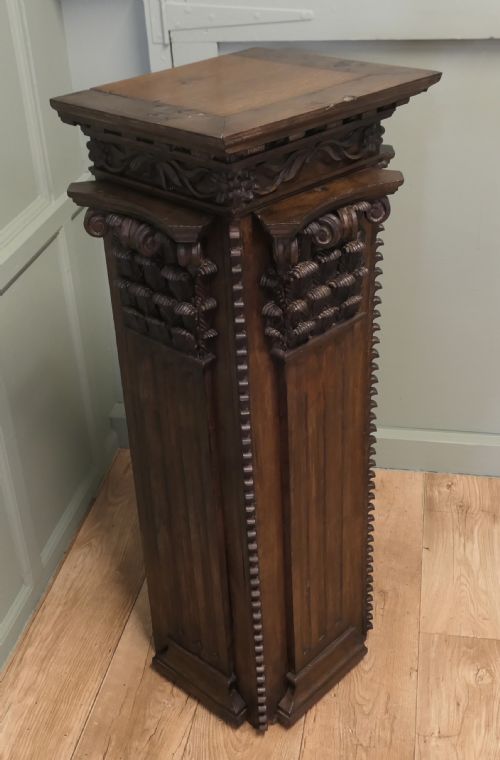
- A structural support or base for a column, statue, or vase, typically comprising a base, a cylindrical or rectangular shaft, and a cap.
- Polychrome
- Painted or decorated in several colours, frequently applied to wood or plaster sculpture to heighten realism and visual contrast.
- Giltwood
- Wood that has been treated with a thin layer of gold leaf or gold paint, creating a reflective metallic surface finish.
Carved Sculpture Stand: Frequently Asked Questions
What weight can these stands support?
Stands constructed from dense hardwoods like oak or walnut, as well as solid marble columns, safely accommodate substantial bronze or stone sculptures.
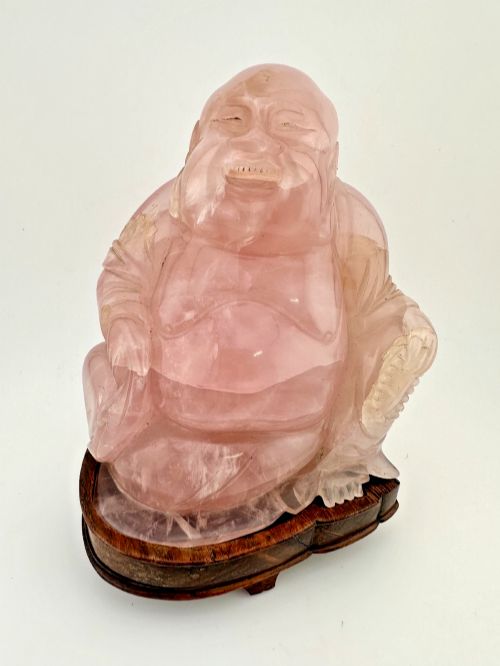
Lighter stands formed from softer woods or composite frames suit smaller porcelain, jade, or carved wooden figures.
How do I clean a carved wooden stand?
Dust carved surfaces regularly with a soft, dry brush to prevent accumulation within deep crevices and undercuts.
Avoid liquid polishes and wet cloths, which can damage aged wax finishes, painted details, or delicate gold leaf applications.
Where should I place a display pedestal?
Position pedestals in corners, hallways, or focal points within a room to create vertical interest and highlight specific sculptural works.
Ensure the location protects the piece from heavy foot traffic and direct, prolonged sunlight that could fade polished wood or painted surfaces.
Are these stands stable on carpet?
Tall columns and heavy marble or wooden pedestals require firm, level flooring to maintain balance when supporting top-heavy artwork.
Placement on thick carpeting may introduce a slight lean, requiring careful adjustment or discreet shimming to ensure absolute stability.