
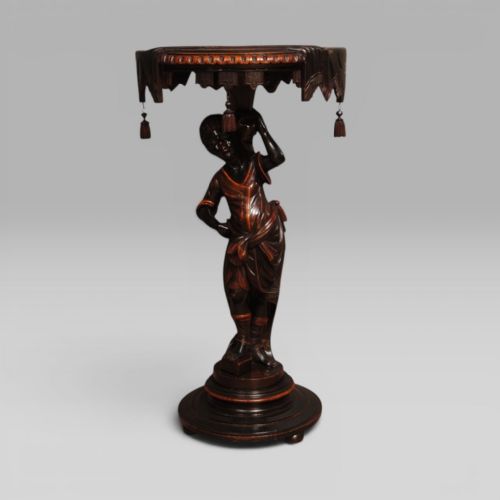


Italian Torchere Stand
An italian torchere stand brings dramatic height and sculptural presence to a room, holding light or displays with distinct theatrical flair.
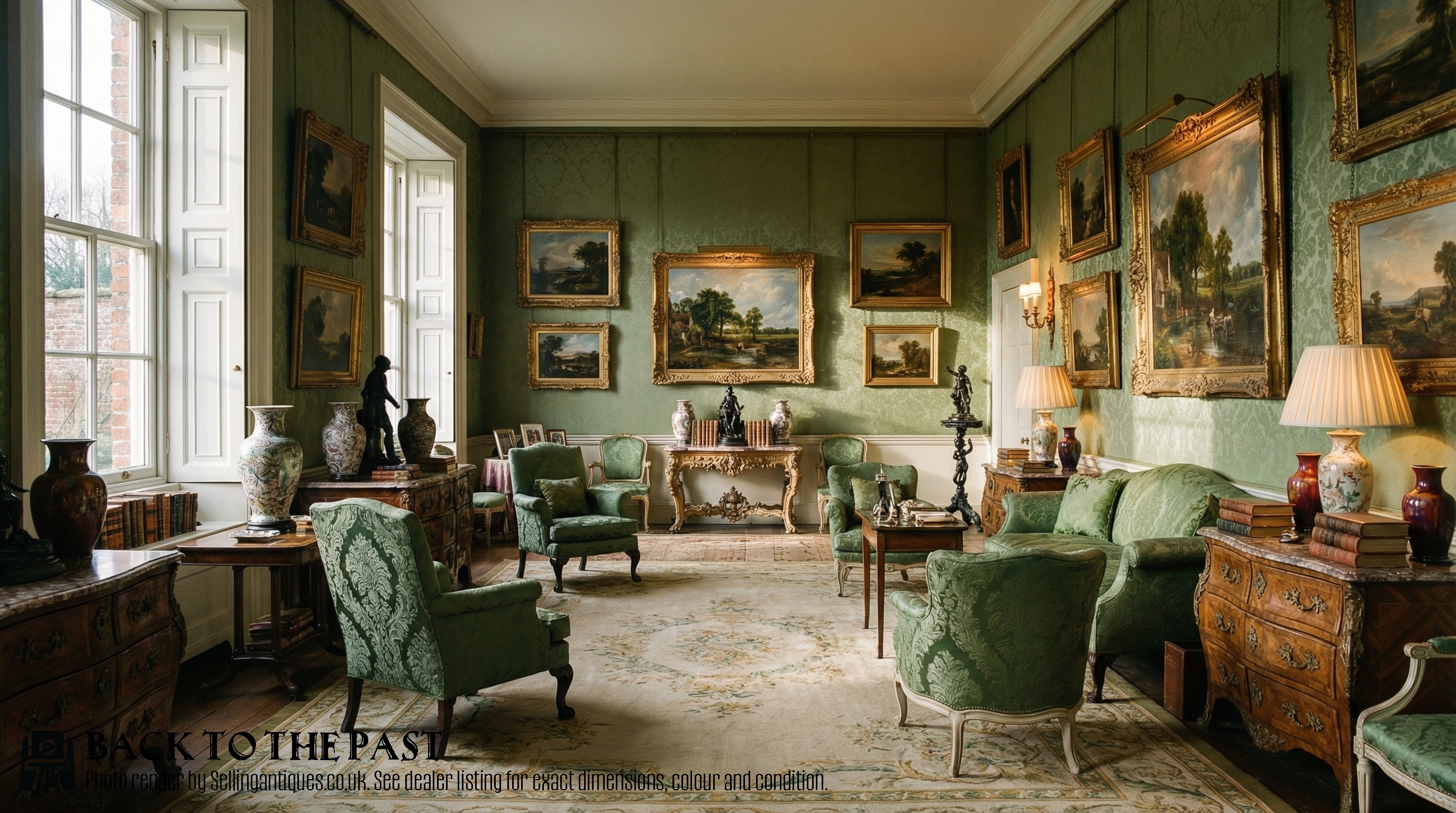
Italian Torchere Stand
When you search for an italian torchere stand, you encounter tall, decorative supports historically designed to hold candles, lamps, or plants. The selections span centuries, from eighteenth-century carved wood examples to nineteenth-century interpretations.
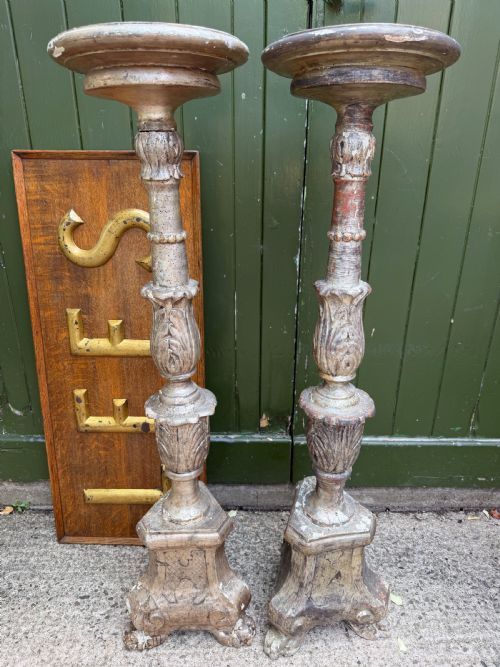
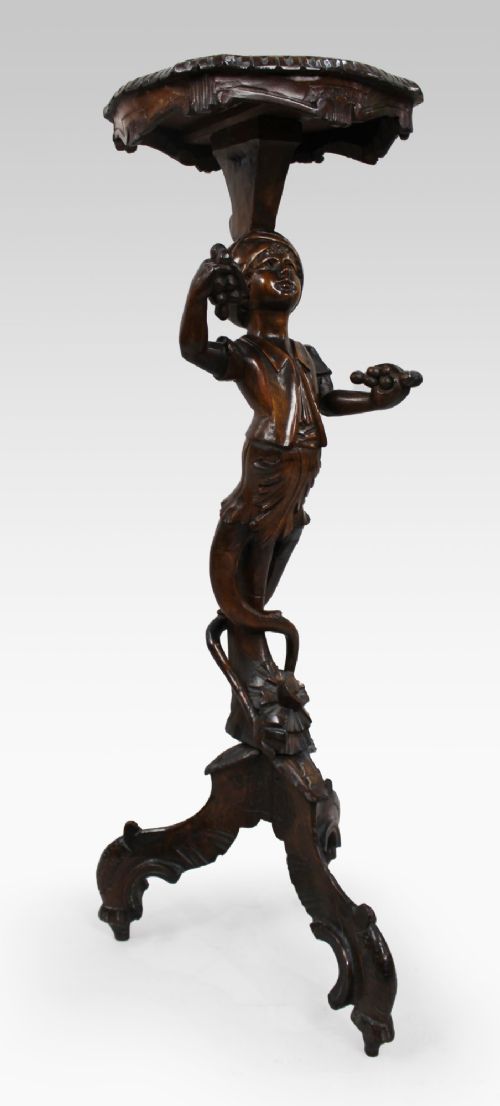
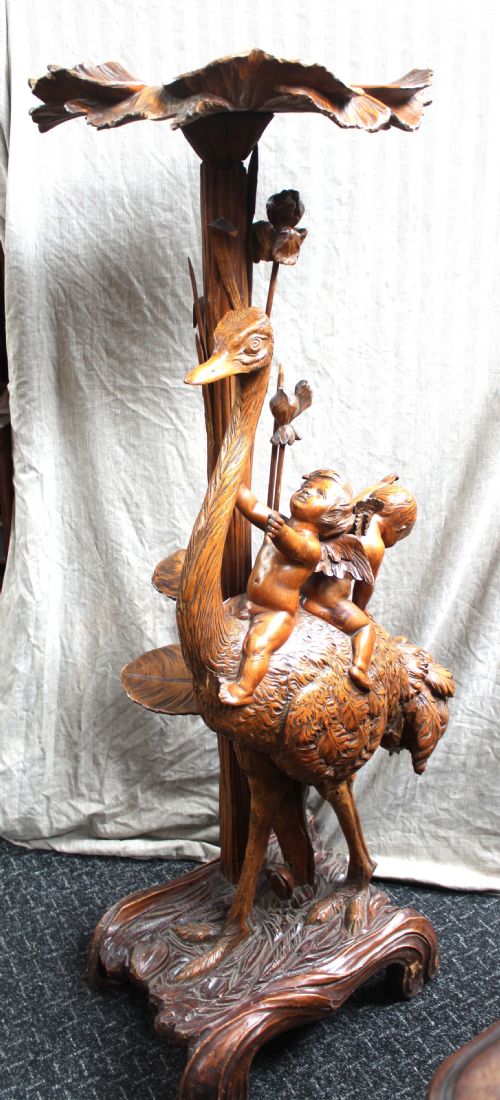
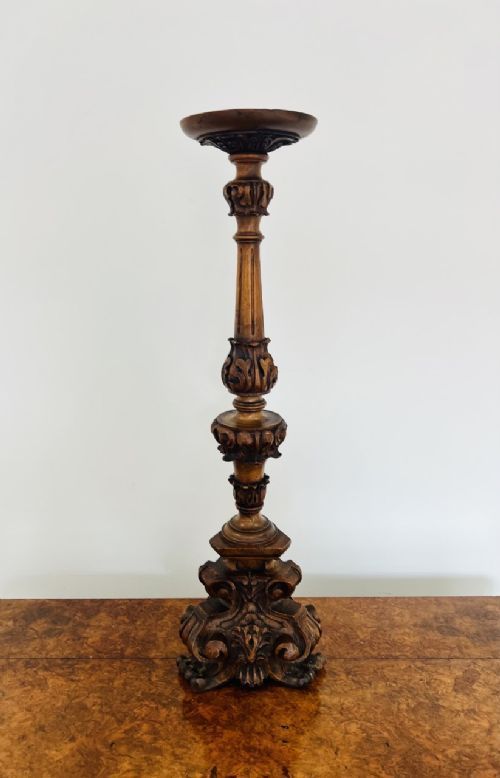
The most common iterations on this page embrace Venetian and Baroque styles, frequently featuring carved figures, tripod bases, or slender pedestals. These pieces function as independent focal points within a room, combining practical display space with ornate craftsmanship.
How they were made
Maker workshops relied heavily on carved wood, utilising timbers such as walnut, pinewood, and general carved wood foundations. Artisans shaped these materials into intricate figures, fluted columns, and robust triform bases.
Surface decoration defined the visual impact, incorporating layers of gesso beneath gold leaf, silvering, and polychrome paint. Giltwood and parcel-gilt finishes highlighted the carved details, while occasional examples integrated marble elements or bronze components.
Listings demonstrate a strong presence of Venetian styles alongside nineteenth-century Renaissance and Baroque revivals, executed in carved wood, giltwood, and polychrome paint.
What varies in quality
The distinction between ordinary and exceptional work rests in the depth and sharpness of the carving. Master carvers rendered anatomical details, drapery, and acanthus leaves with convincing depth and naturalism.
The integrity of the original surface finishes dictates much of the visual success. Pieces retaining undisturbed polychrome paint, original gilding, and authentic patination carry a stronger historic character than those with heavy overpainting.
The Italian Torchere Stand Glossary
- Torchere
- A tall stand designed originally to carry a torch or candle, later adapted for lamps and floral displays. These vertical furnishings elevate lighting to eye level.
- Gesso
- A plaster-like mixture applied to wood surfaces to provide a smooth base for gilding and painting. It allows crisp detail work in ornamental carving.
- Polychrome
- Painted in several colours, often seen on figural stands to depict garments and flesh tones realistically. This technique enhances the lifelike quality of sculptural bases.
- Triform
- Having three sides or feet, typical of pedestals and candle stands that require a stable base. This structural layout supports heavy loads while maintaining a slender profile.
- Parcel-gilt
- Partially gilded, leaving portions of the underlying wood or painted surface exposed. This creates contrast between the reflective metallic areas and the matte paint.
Italian Torchere Stand: Frequently Asked Questions
What rooms suit an italian torchere stand?
These tall stands suit corners of reception rooms, grand hallways, or spaces needing vertical accent pieces. Their narrow footprint allows them to occupy tight areas while providing substantial visual weight.
They also serve effectively in libraries or dining rooms to hold floor lamps or decorative urns, drawing the eye upward and breaking up flat wall expanses.
How do I distinguish Venetian Baroque from later revivals?
Venetian Baroque pieces from the eighteenth century display deeper, more exuberant carving with dynamic movement and layered gesso work. The forms feel intrinsically tied to the period's theatrical architecture.
Nineteenth-century revival pieces often reproduce these motifs with machine assistance or harder, drier wood finishes. Examining the tool marks and the wear beneath the gilding helps clarify the actual age.
Can these stands support modern electric lamps?
Many of these stands easily accommodate standard table lamps or custom wiring routed through the central column. Their sturdy timber construction provides a reliable platform for heavy lighting fixtures.
Care should be taken to ensure the base remains stable if using an oversized shade or a heavy glass element, particularly on triform or figural designs.
What materials are typical for these pieces?
Carved wood forms the structural core of nearly every piece, using walnut, pine, or mixed hardwoods. Surfaces are frequently finished with gesso, gold leaf, and polychrome paint.
Some variations incorporate marble tops or bronze mounts, reflecting the neoclassical tastes of the nineteenth century alongside traditional giltwood surfaces.