



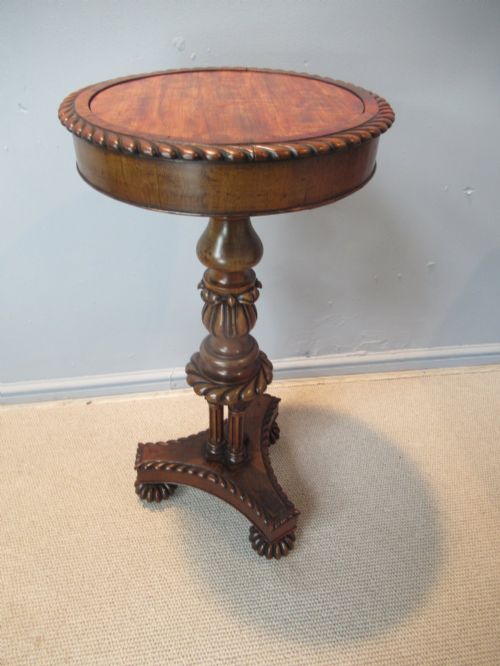
Carved Figure Pedestal
A carved figure pedestal supports a sculptural or decorative work, bringing height and classical presence to a room.
Carved Figure Pedestal
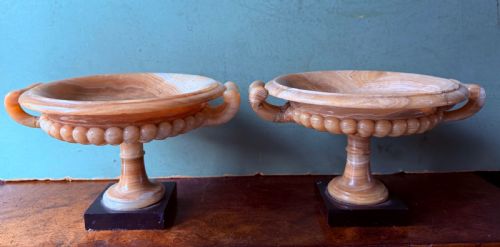
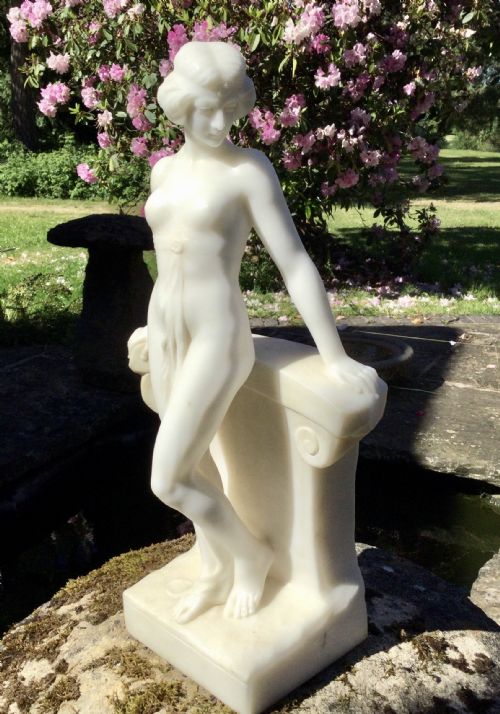
A carved figure pedestal acts as a structural and sculptural support for items such as busts, tazzas, and figures. When searching for a carved figure pedestal, a buyer typically encounters nineteenth-century and Victorian examples involving human or figural forms integrated into the stand.
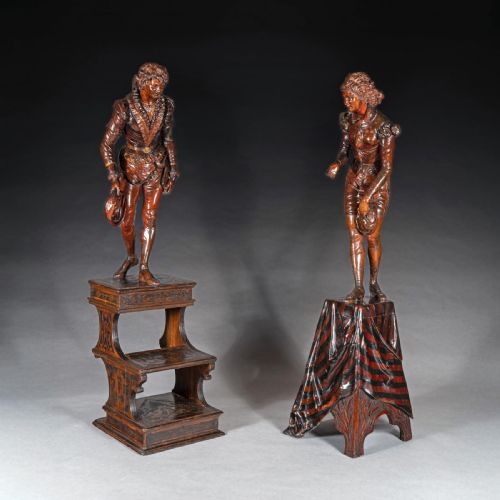
The evidence shows these supports range from Venetian figures with original polychrome paint to classical caryatids carved in oak during the nineteenth century. These pieces combine furniture design with figurative sculpture to elevate objects of interest.
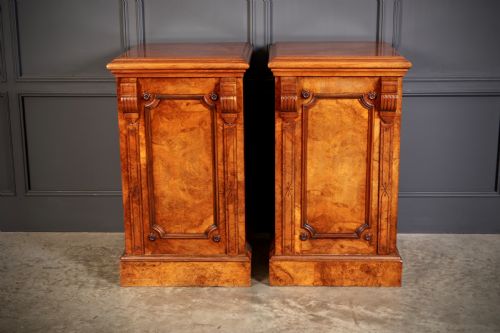
Many items recorded in this tradition take the form of stands or pedestals explicitly designed to display sculptures, bronzes, or decorative vessels. They appear alongside related figural works, including Blackamoor stands and carved wood supports.
Distinctions in quality
Quality rests upon the anatomical proportion and crispness of the carving on the figurative elements. Master carvers achieved depth and fluidity in drapery and expression that lesser hands missed.
The integrity of the original surface finishes, particularly polychrome paint and gold leaf, dictates the standing of a piece. Retaining untouched original paint rather than later overpainting elevates the integrity of the object.
Some nineteenth-century makers carved elaborate figures holding trays or standing on plinths to serve guests in silent, wooden perpetuity.
Valentino Besarel
The Carved Figure Pedestal Glossary
- Caryatid
- A sculpted female figure serving as an architectural support taking the place of a column or pilaster. These figures often appear on nineteenth-century pedestals and furniture.
- Polychrome paint
- Decoration executed in multiple colours upon wood, stone, or plaster surfaces. This finish is frequently found on Venetian and imported figures.
- Grand Tour
- Cultural travel undertaken by wealthy Europeans in the eighteenth and nineteenth centuries to collect antiquities and souvenirs. Items from this context include marble busts and alabaster pieces.
- Gold leaf
- Gold beaten into extremely thin sheets used for gilding wooden figures and pedestals. It provides a reflective surface that highlights carved details.
- Blackamoor
- A historical term used in antique cataloguing to describe decorative figures rendered in dark finishes, often acting as stands or torchieres. These pieces typically date from the nineteenth century.
Carved Figure Pedestal: Frequently Asked Questions
What holds up a carved figure pedestal?
A carved figure pedestal is typically supported by a sturdy timber base or plinth designed to bear the weight of sculptures or decorative objects placed upon it. The central figural column connects this base to the upper platform.
Heavier materials like marble blocks and dense hardwoods provide stability, ensuring the tall structure remains balanced.
How do I date a carved figure pedestal?
Dating relies on examining the timber species, the tools marks left by the carver, and the ageing of any surface finishes like polychrome paint or gilding. Stylistic cues such as Victorian revival motifs or Venetian baroque influences also point to specific decades.
Comparing the construction methods of the joints and internal framing helps separate nineteenth-century work from later reproductions.
Where should I place a carved figure pedestal?
These pedestals work best in prominent corners, hallways, or reception rooms where they can be viewed from multiple angles. They are traditionally used to elevate busts, small bronzes, or vases so the display piece sits at eye level.
Placing them away from direct heat sources protects the carved wood and original painted or gilt surfaces from cracking.
What is the difference between a pedestal and a figure stand?
A pedestal generally focuses on a classical column or architectural pillar designed to elevate an object, whereas a figure stand incorporates a sculpted human or mythical form directly into the support structure. Figure stands often feature detailed carving representing figures like caryatids or Venetian attendants.
Both serve display functions, but figure stands carry a stronger sculptural narrative.