



Venetian Pedestal Stand
These carved and painted figures hold up tabletops and lamps, bringing unmistakable Venetian flair and dramatic presence into a room.
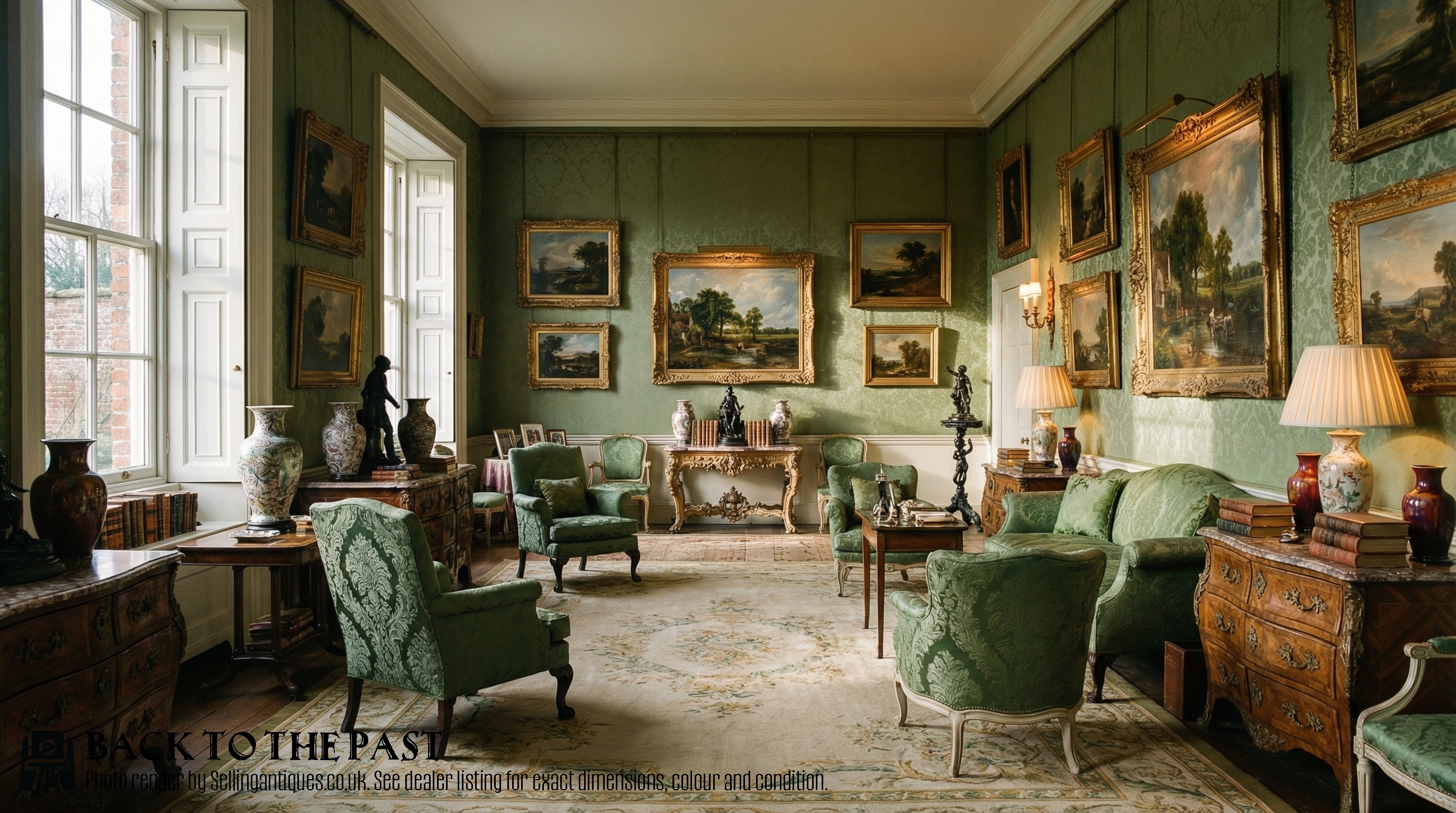
Venetian Pedestal Stand
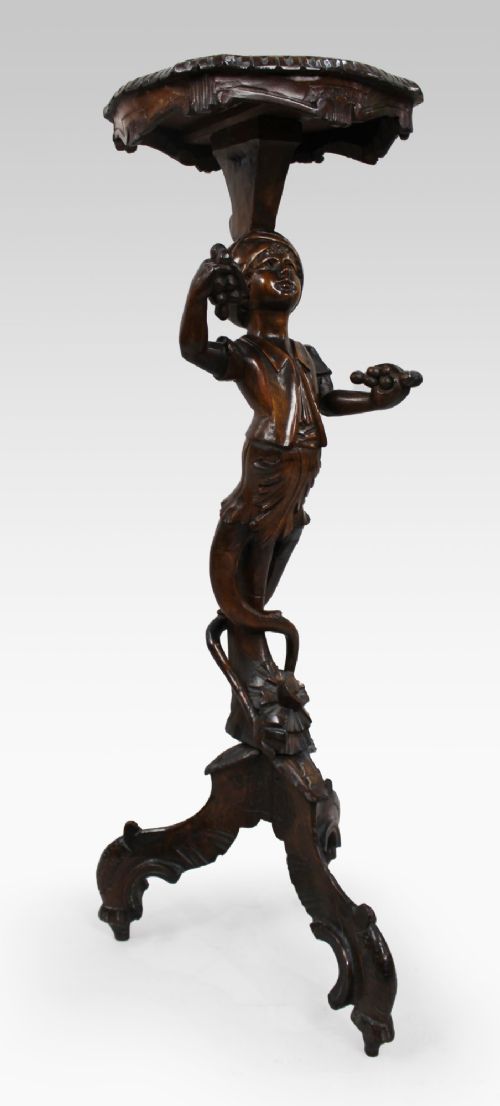
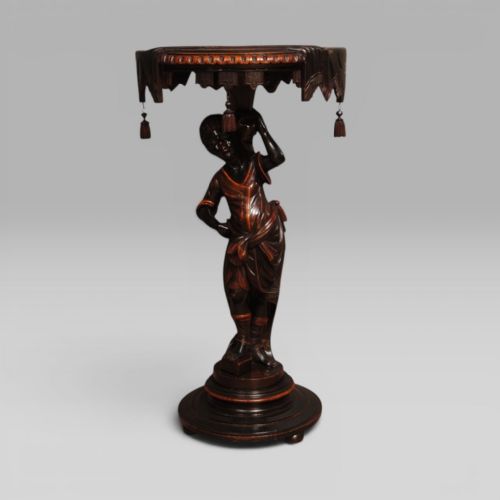
A venetian pedestal stand typically takes the form of an elaborately carved figural base supporting a small surface, plant holder, or torchere. Buyers searching for a venetian pedestal stand will frequently encounter Blackamoor figures, gondoliers, and young women executed in carved wood with polychrome paint and gold leaf.
These pieces bridge the gap between sculpture and functional furniture, serving as side tables or plant stands while commanding attention through their theatrical postures. The designs draw heavily upon Venetian Baroque and Renaissance Revival styles, reflecting centuries of Italian craftsmanship.
Most examples date from the nineteenth century, ranging from the eighteen-fifties through the eighteen-nineties, though occasional seventeenth-century roots and twentieth-century interpretations appear. They function brilliantly as standalone decorative accents in hallways, drawing rooms, or corner spaces.
Materials and construction
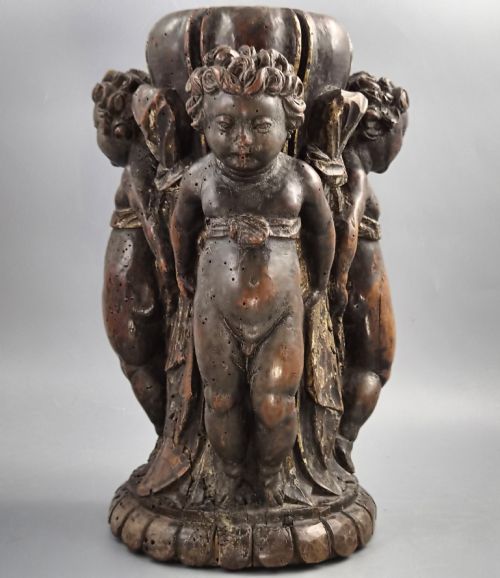
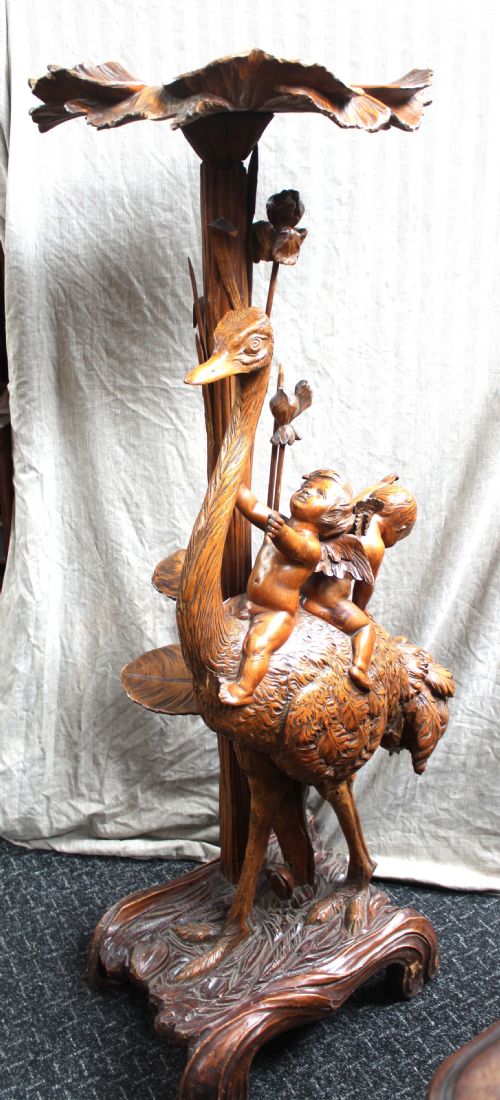
The foundation of a typical piece is carved wood, most notably walnut or other hardwoods selected for stability and intricate detail work. Artisans shaped these timbers into dynamic human figures and scrolling architectural supports.
Surfaces received elaborate finishes incorporating polychrome paint and applied gold leaf or giltwood to create rich textures and vibrant colour schemes. This combination of carving and polychrome decoration defines the distinctive visual impact of the work.
Listings feature walnut and carved wood alongside polychrome paint and gold leaf, spanning the seventeenth through the twentieth centuries.
Assessing quality and execution
The preservation of the original polychrome paint and gilding significantly influences desirability. Pieces retaining their untouched nineteenth-century surface treatments offer far greater character than those with heavy modern repainting.
The Venetian Pedestal Stand Glossary
- Torchiere
- A tall stand or floor lamp designed to hold a light source or display an object at height. Many venetian pedestal stand examples function specifically as torcheres.
- Polychrome
- Decorated in multiple colours. This technique brings remarkable vibrancy to the carved garments and skin tones of figural stands.
- Giltwood
- Wood that has been treated with gold leaf or gold paint. It provides the glittering highlights characteristic of Venetian Baroque furniture.
- Blackamoor
- A European artistic genre depicting figures from North Africa or sub-Saharan Africa, frequently employed in historical decorative arts as torchere or table supports.
- Venetian Baroque
- An extravagant and theatrical artistic style originating in seventeenth-century Venice. It prioritises dramatic movement, rich ornament, and emotional intensity.
Venetian Pedestal Stand: Frequently Asked Questions
What were these stands originally used for?
These pieces served multiple practical and decorative functions in grand interiors, acting as torchere stands for lighting, plant holders, or small side tables.
Wealthy patrons placed them in reception rooms and hallways to display objects or simply to showcase exceptional artistic craftsmanship.
How do I style a venetian pedestal stand at home?
Place your stand in a hallway, corner, or beside a seating area where it can be viewed from multiple angles without obstructing movement.
Allow the piece to stand alone as a sculptural focal point, or top it with a heavy table lamp, a bowl, or a small plant.
How do I tell nineteenth-century pieces from later ones?
Nineteenth-century examples display the specific hand-carving techniques, tool marks, and organic ageing of polychrome paint characteristic of the period.
Examining the underside, joints, and the wear pattern on the gold leaf helps confirm the age and authenticity of the materials used.
Are these stands sturdy enough for daily use?
Most pieces are structurally sound for holding lamps, plants, or decorative objects, provided they are placed on flat, stable flooring.
Due to their height and carved projections, care should be taken to keep them away from high-traffic zones where they might be knocked.