
Carved Rosewood Occasional Table
A carved rosewood occasional table brings rich timber and intricate hand-carved detail into a room, serving functional surfaces with distinct period character.
Carved Rosewood Occasional Table
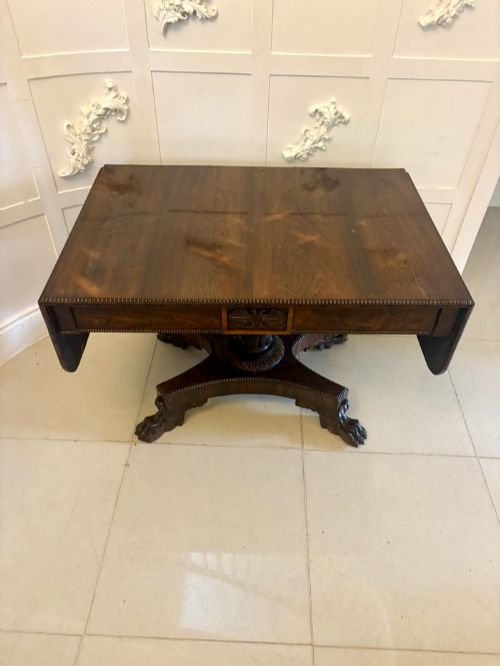
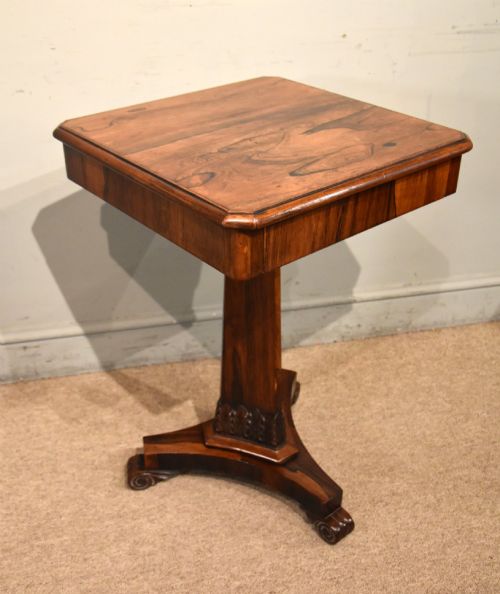
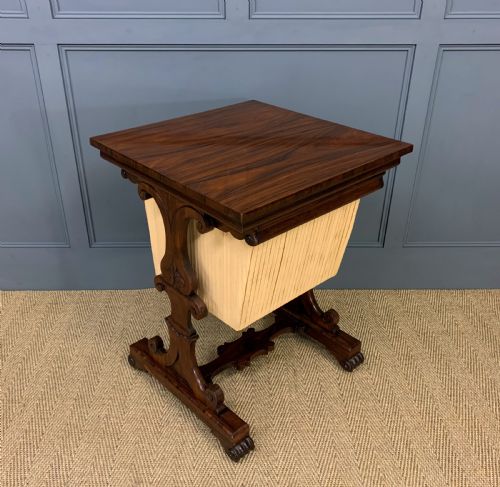
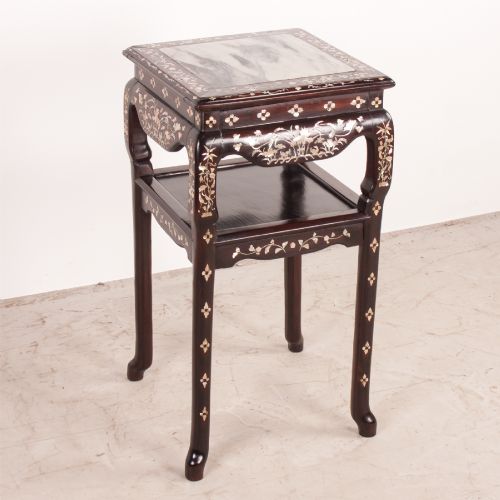
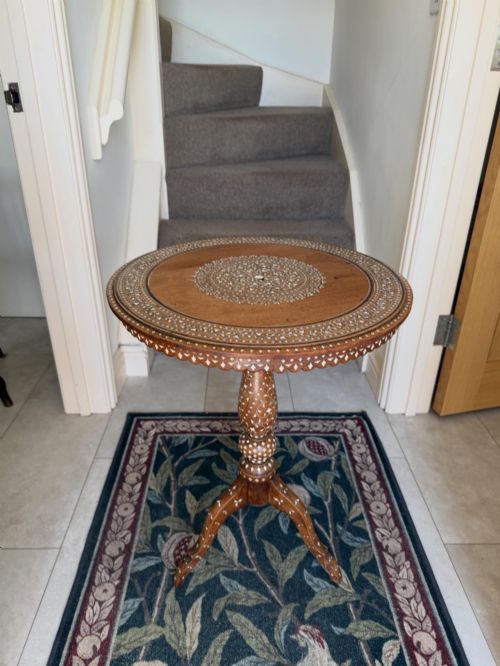
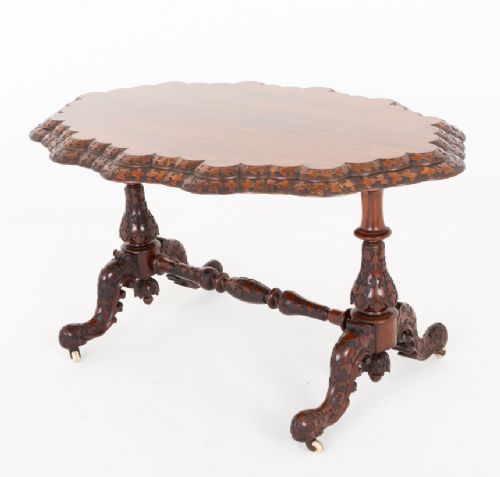
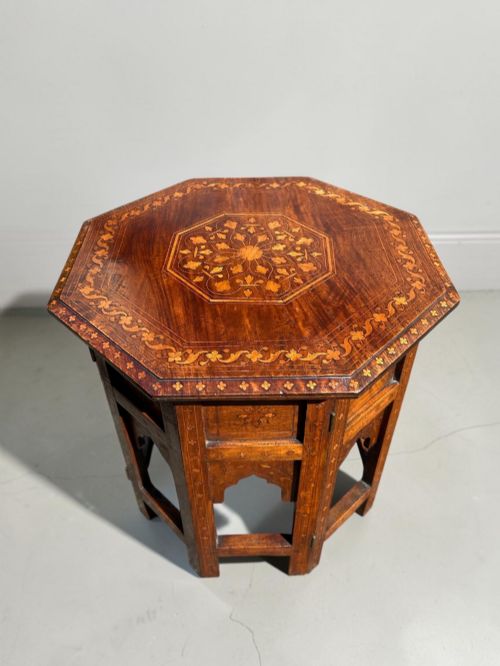
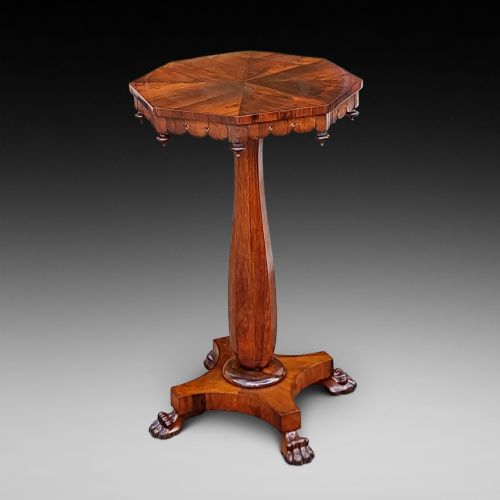
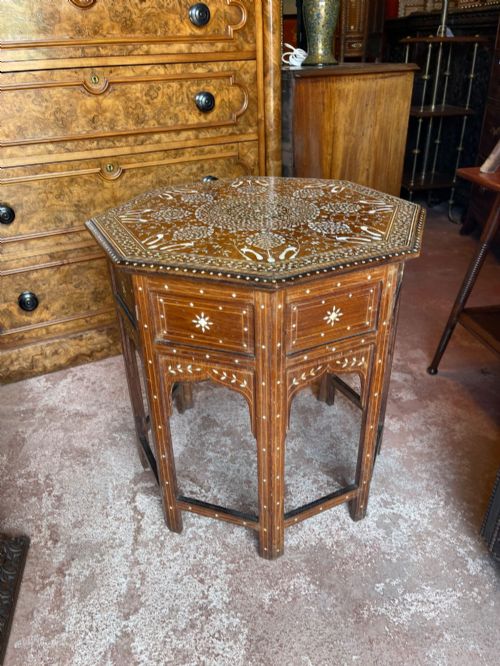
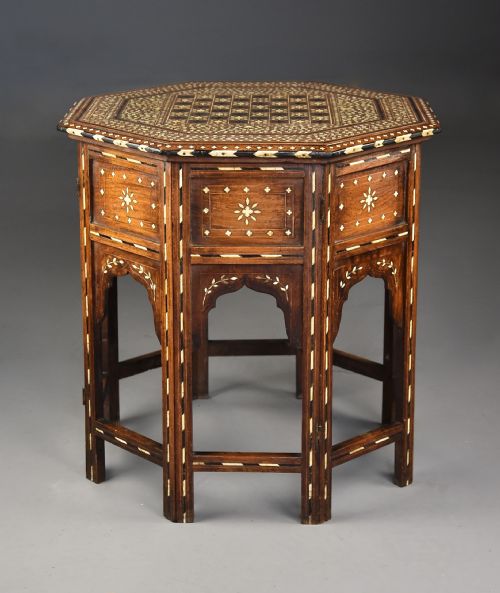
A carved rosewood occasional table encompasses a broad range of nineteenth-century and early twentieth-century forms, from compact octagonal Hoshiarpur pieces to larger Regency and Victorian sofa or centre tables. Buyers examining this selection will frequently encounter Anglo-Indian and Chinese export examples alongside standard British Victorian and William IV furniture. These movable surfaces fulfilled practical household needs as lamp tables, work tables, or urn stands.
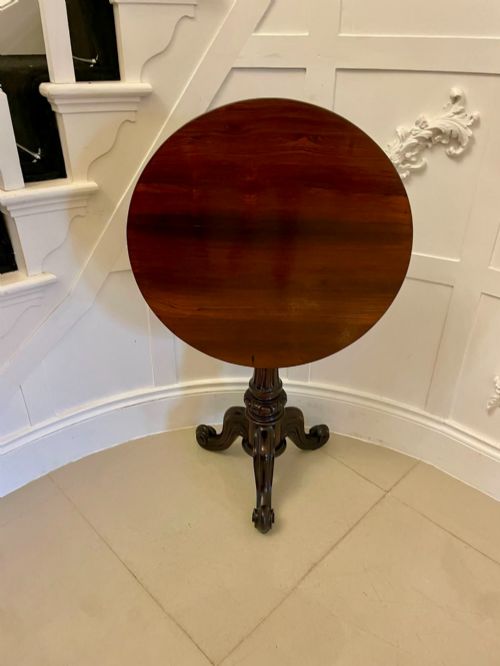
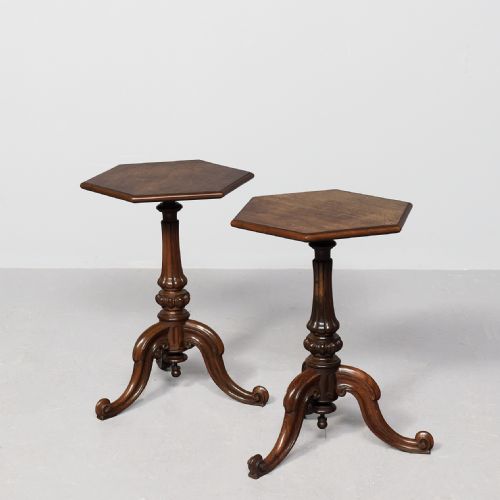
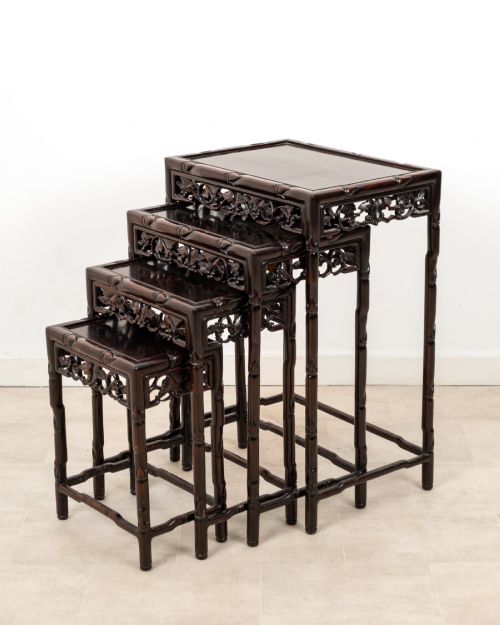
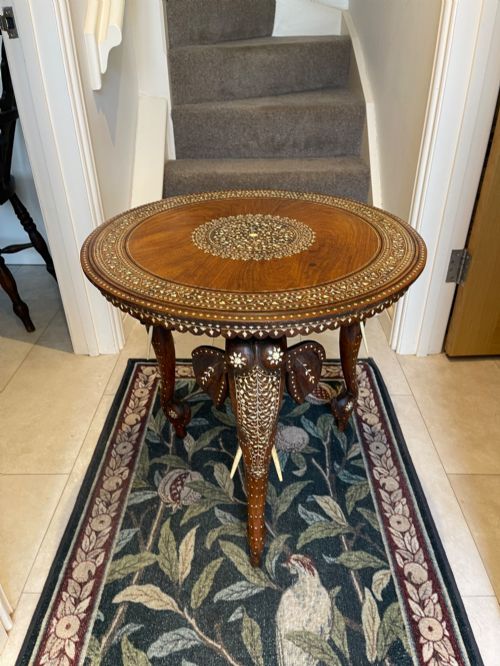
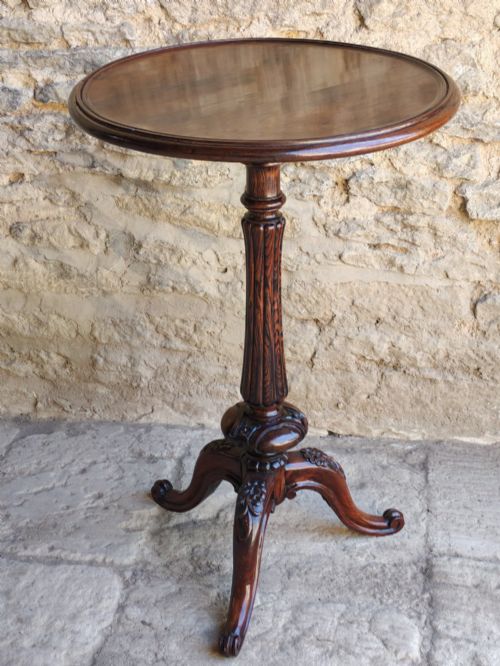
The typology extends across various functional formats including nests of tables, tripod tables with tilt tops, and low occasional pieces. Many incorporate regional carving traditions featuring dense foliage, geometric motifs, or figural elements like elephants and peacocks. Originating from diverse workshops across Britain, India, and China, these tables share a reliance on dense tropical hardwoods.
The historical span represented in these listings stretches from the Regency era through the late nineteenth century and into the early twentieth century. Buyers seeking a carved rosewood occasional table will find pieces reflecting distinct regional aesthetics, such as British structural joinery paired with exotic surface ornamentation. Each iteration demonstrates how imported timbers were shaped to suit European and colonial interiors.
How they were made
Makers utilised dense timbers such as rosewood, padauk, and hardwood as the primary structural foundation for these pieces. The natural weight and tight grain of rosewood allowed artisans to carve deep, crisp relief patterns without compromising the strength of the timber. Secondary materials like brass, marble, and fabric appeared in specific forms, whilst bone and mother of pearl provided contrasting inlay work.
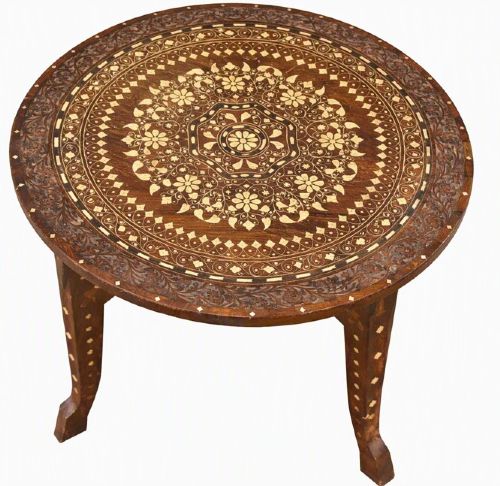
Surface ornamentation relied heavily on intricate hand-carving and specialist inlay techniques. Anglo-Indian pieces frequently displayed comprehensive chip-carving and bone inlay arranged in geometric or floral configurations across octagonal tops. Chinese export and Hoshiarpur workshops employed contrasting materials embedded directly into the rosewood ground to create highly textured surfaces.
The documented items span the Regency, Victorian, Edwardian, and Qing Dynasty periods, alongside regional Anglo-Indian traditions.
What varies in quality
The depth and sharpness of the hand-carved detail distinguish finer examples from simpler production. Superior pieces exhibit crisp undercutting and precise symmetry in foliage or animal motifs, whereas lesser work appears shallow and soft-edged. The intricacy of inlaid bone, brass, or mother of pearl similarly separates standard tables from exceptional ones.
The selection of the rosewood timber itself dictates the visual impact of the piece. Dense grain patterns with rich colour variation elevate the overall presence of the table. Furthermore, the stability of the structural joinery and the integrity of pedestal supports or tripod bases reflect the original maker's skill.
Gillows·Liberty & Co
The Carved Rosewood Occasional Table Glossary
- Hoshiarpur
- A city in Punjab known for producing intricately carved wooden furniture and occasional tables. Pieces from this region typically feature dense overall floral carving and geometric bone inlay.
- Sofa table
- A rectangular occasional table traditionally designed to stand in front of a sofa. These pieces often feature Pembroke-style drop leaves and double pedestal or trestle supports.
- Teapoy
- A small occasional table or stand originally intended to hold tea caddies and equipment. In colonial furniture, the term also describes various small pedestal tables.
- Tilt top
- A table mechanism allowing the top to pivot and lock vertically when not in use. This design saved space in period domestic interiors.
- Work table
- A small domestic table equipped with drawers or a fabric bag for sewing materials. These items combine decorative rosewood surfaces with functional interior compartments.
Carved Rosewood Occasional Table: Frequently Asked Questions
What is an occasional table?
An occasional table is a small, movable piece of furniture designed for specific, intermittent use around a room. These versatile surfaces function as lamp stands, display pedestals, or side tables.
In historical interiors, such tables were easily repositioned to serve tea, hold books, or display decorative objects where needed.
How do I identify Anglo-Indian tables?
Anglo-Indian tables are characterised by dense, all-over hand-carving and contrasting inlay work using bone or brass. They frequently adopt octagonal top shapes supported by folding or panelled bases.
These pieces reflect nineteenth-century design exchanges between British domestic demand and Indian artisan workshops.
What is rosewood?
Rosewood is a heavy, durable tropical hardwood prized for its rich dark colour and pronounced grain patterns. The timber takes a fine polish and supports deep relief carving without splintering.
Because of its strength, makers utilised rosewood for both structural frames and decorative occasional furniture.
How do I care for a rosewood table?
Care for a antique rosewood table involves keeping it away from direct sunlight and sudden temperature changes. Regular dusting with a dry, soft cloth preserves the polished finish.
Avoid placing damp items directly on the timber surface to protect the historic polish and any delicate inlay work.