
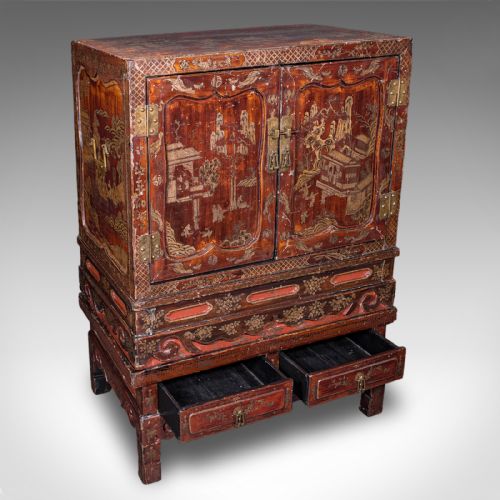
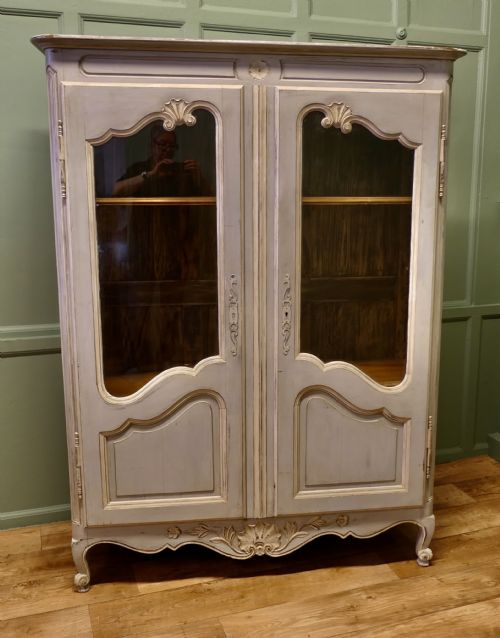
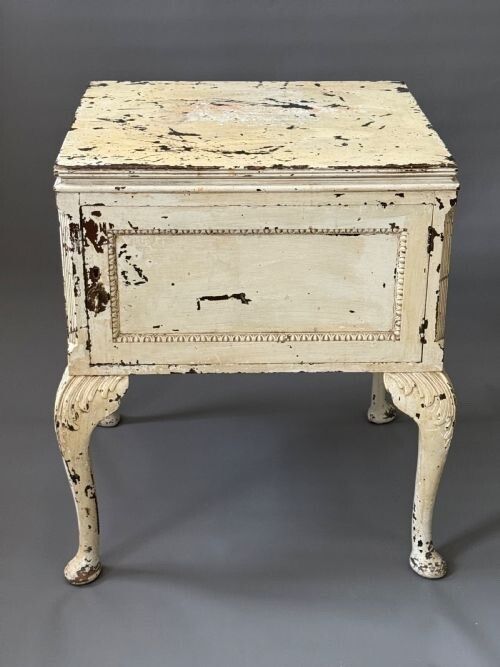
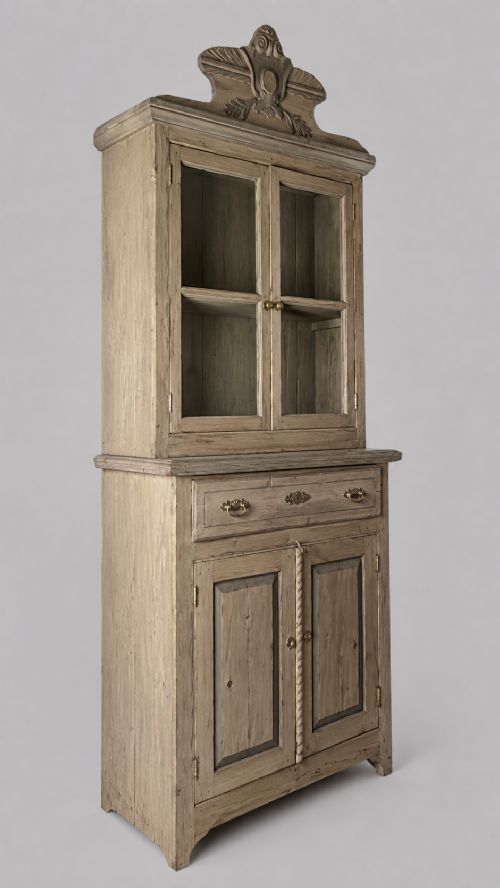
Carved Painted Cabinet
A carved painted cabinet brings colour and texture to a room, offering practical storage disguised beneath layered decorative finishes and relief work.
Carved Painted Cabinet
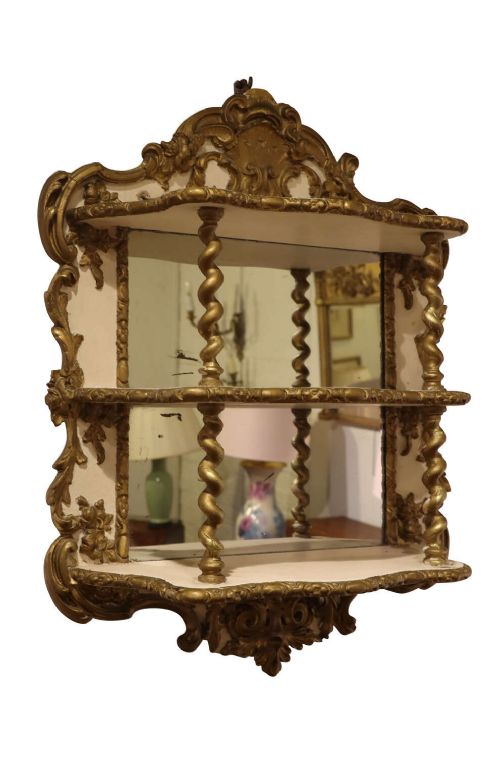
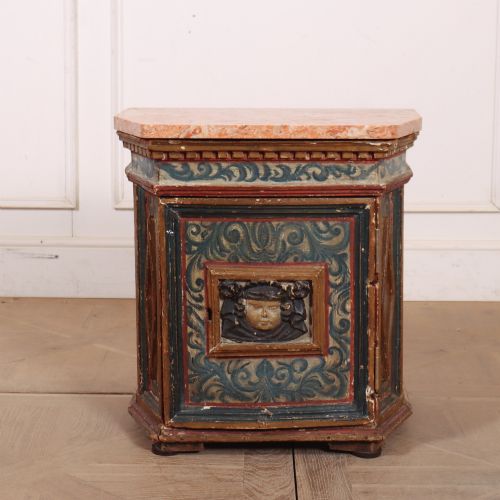
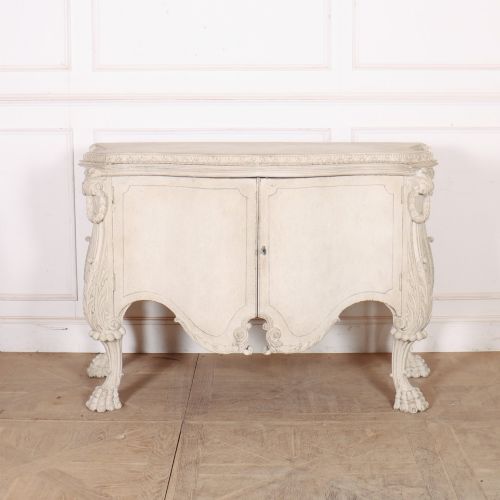
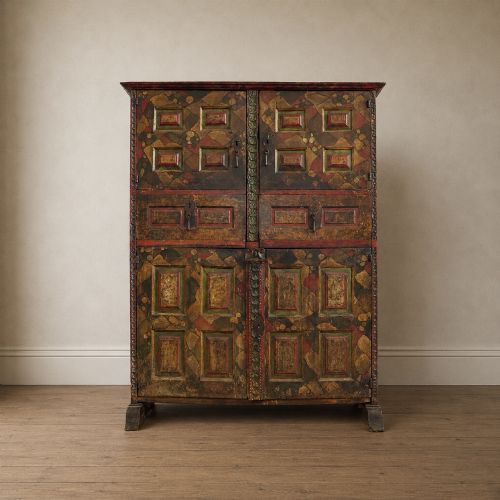
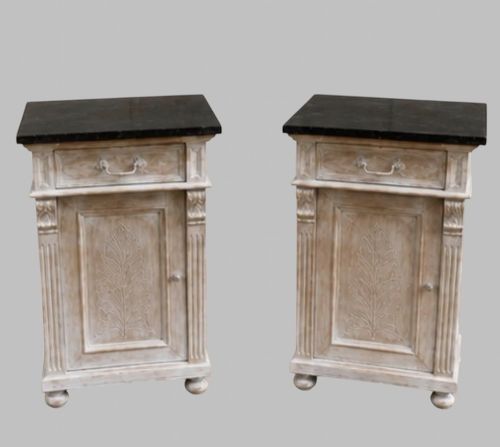
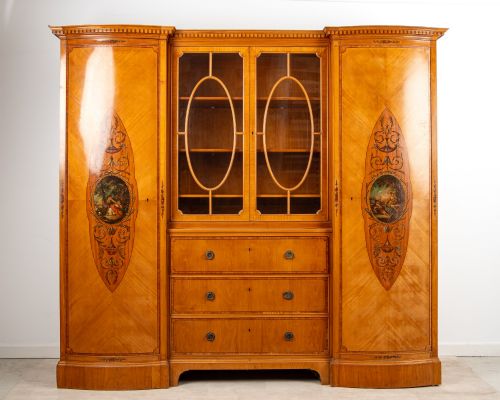
A carved painted cabinet encompasses a diverse group of storage furniture, ranging from compact bedside units and wall-mounted vitrines to large wardrobes, commodes, and housekeeper's cupboards.
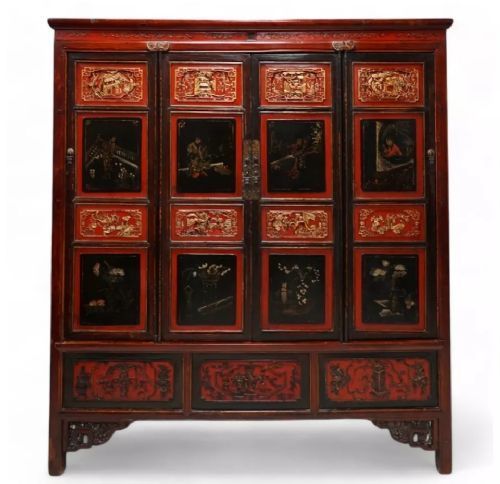
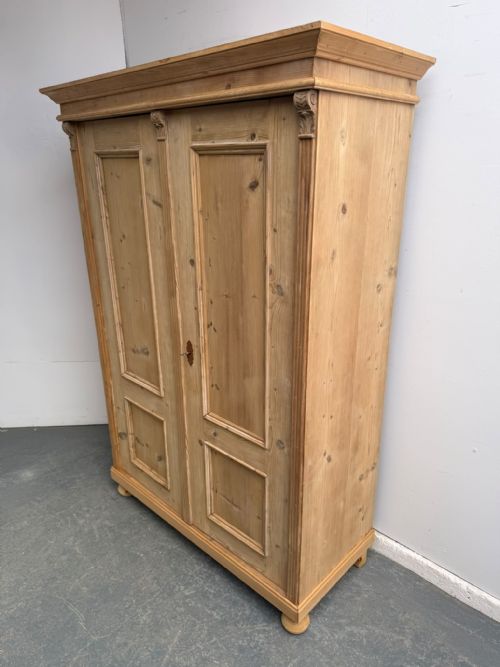
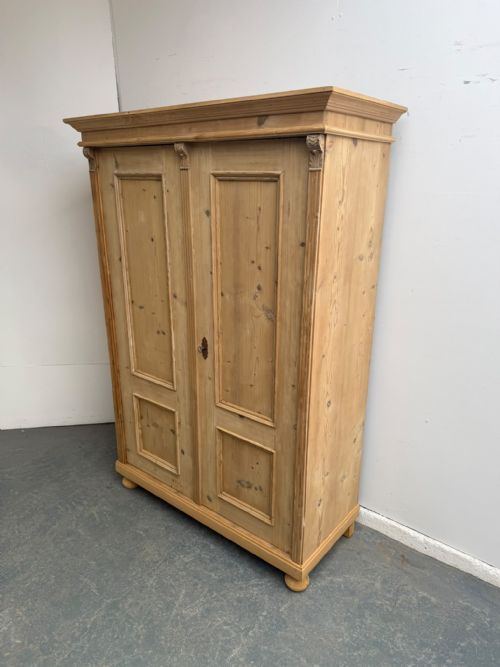
Buyers browsing this selection frequently encounter nineteenth-century pieces, including Victorian pine cupboards alongside French Rococo, Scandinavian country items, and pieces reflecting Chinoiserie and Qing Dynasty traditions.
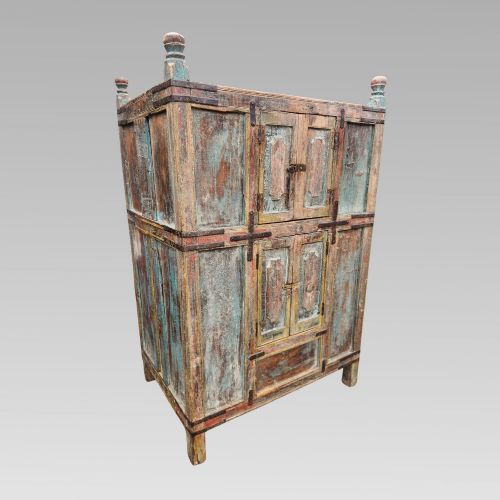
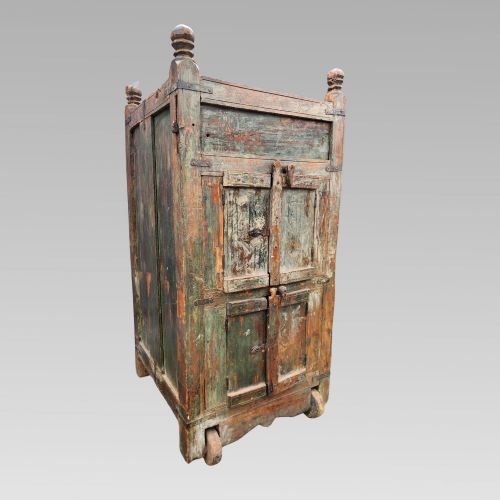
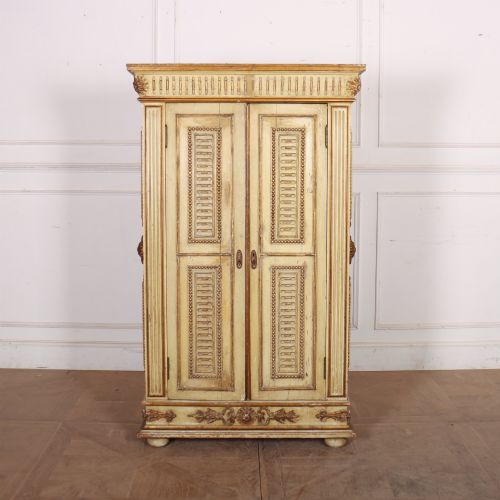
Regional variations span from Italian apothecary and side cabinets to Spanish Basque polychrome furniture, Indian almirahs, and Hungarian black-columned bedside pieces.
Materials and Techniques
Construction relies heavily on timbers such as pine, oak, teak, mahogany, satinwood, and elm, providing sturdy carcases for surface decoration.
Surface finishes involve applied layers of paint, polychrome work, gilding, and red, green, or black lacquer, frequently paired with hand-painted panels, glass glazing, brass hardware, and iron details.
Carving and inlay techniques add physical depth and relief work to the wood, complementing the decorative painted motifs found across various styles.
Some nineteenth-century pine cupboards arrive bearing the instruction to wax or paint them according to domestic whim.
Assessing Quality
The standard of a carved painted cabinet rests on the crispness of the timber relief work and the skill involved in the hand-painted or lacquered surface application.
Structural integrity, original hardware, and the survival of early or untouched decorative finishes distinguish pieces created by skilled workshops from simpler utilitarian items.
Pauly et Cie·Harrods
The Carved Painted Cabinet Glossary
- Chinoiserie
- European decorative style inspired by Chinese art and design. It frequently appears on lacquered cabinets featuring painted oriental motifs.
- Polychrome
- Decorated in multiple colours. This technique defines Spanish folk art pieces and traditional housekeeping cupboards.
- Vitrine
- A glass-fronted cabinet or display case. These pieces showcase porcelain, books, or decorative objects.
- Almirah
- A freestanding storage cupboard or wardrobe originating from India. They often feature robust teak construction and folk art painting.
- Compactum
- A fitted wardrobe or combination closet. These items provide multiple internal storage compartments within a single footprint.
Carved Painted Cabinet: Frequently Asked Questions
What is a carved painted cabinet?
A carved painted cabinet is a piece of storage furniture that combines woodwork relief with painted, lacquered, or gilded surface decoration. These items range from small bedside tables to tall wardrobes and vitrines.
They originate from various global traditions, including European country workshops, French revival salons, and Asian lacquering centres.
How do I style a painted cabinet?
These cabinets work well as statement pieces in hallways, living rooms, or bedrooms, providing functional storage while introducing pattern and pigment to neutral spaces.
Glass-fronted versions suit display purposes, while solid-door cupboards conceal everyday household items.
How do I date an antique cabinet?
Dating relies on examining construction methods, timber types, and the ageing of surface layers such as paint or lacquer. Hardware, joinery marks, and stylistic clues like Rococo curves or Arts and Crafts motifs help narrow down the period.
Comparative examples from the same regional tradition offer further context for specific centuries.
Are these cabinets made of solid wood?
Many listings feature solid timbers such as pine, oak, elm, or teak, particularly among regional folk art and country pieces. Finer revival and Victorian items may combine structural carcases with decorative veneers or specialist panels.
Surface treatments like gesso and paint are then applied directly over the prepared wooden base.