
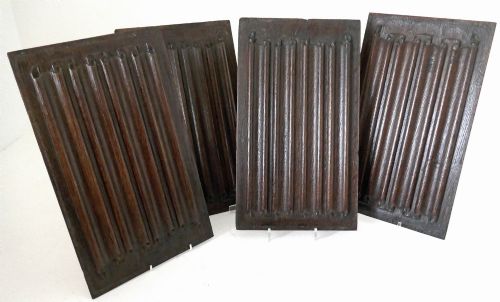
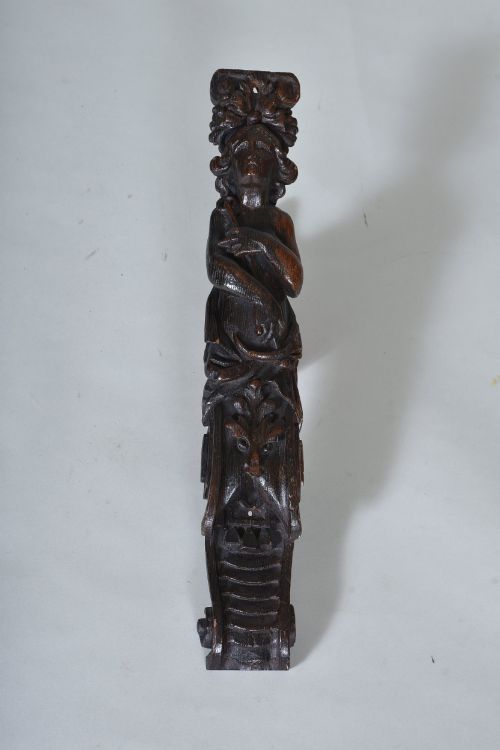
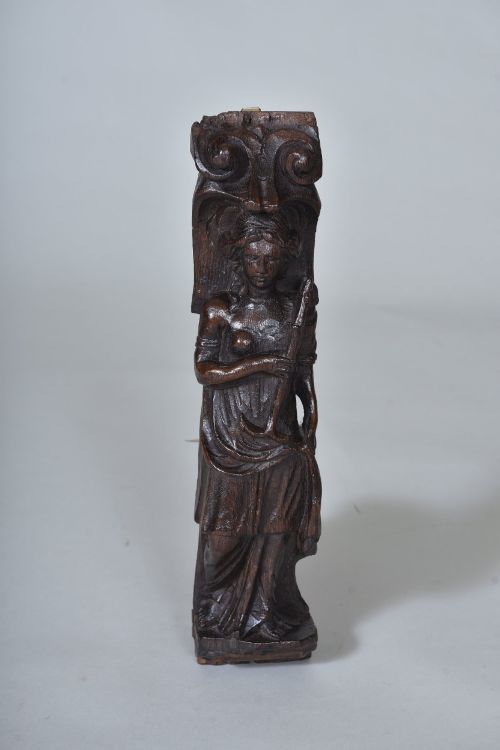
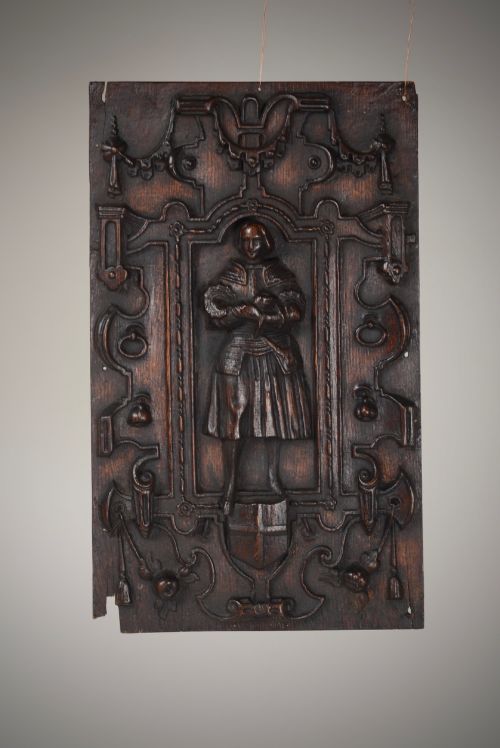
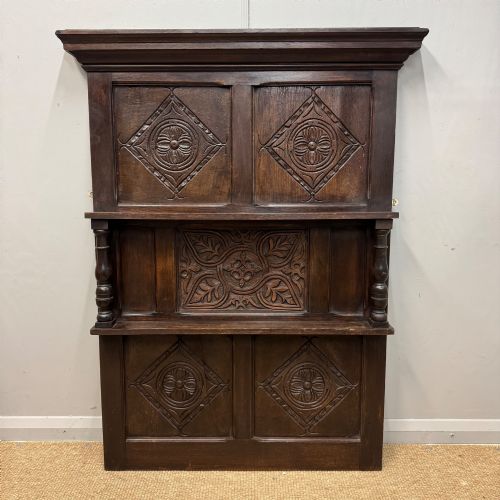
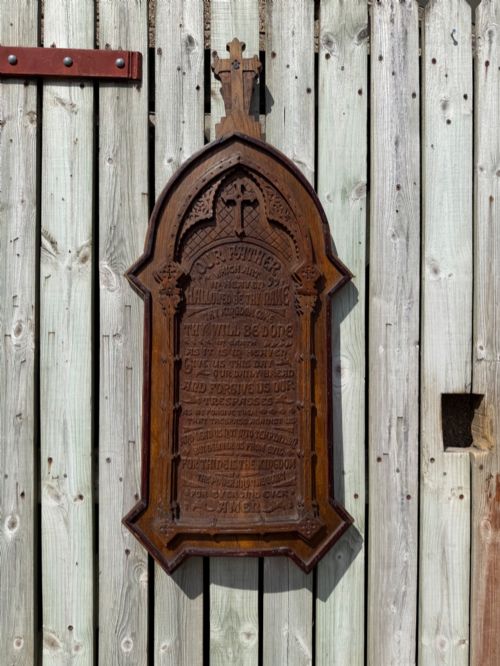
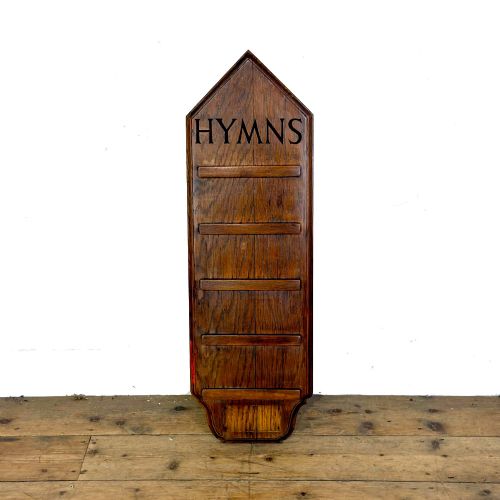
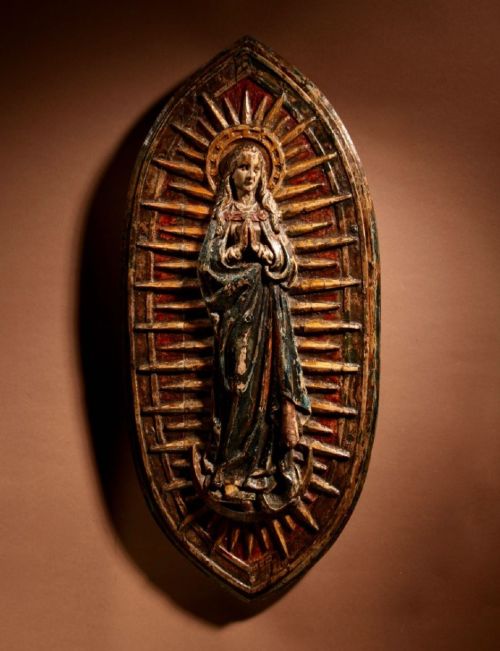
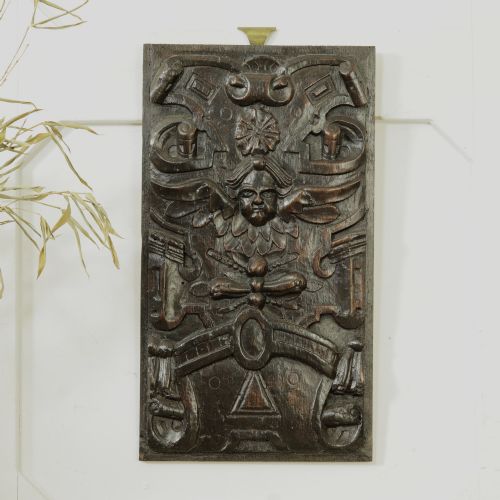
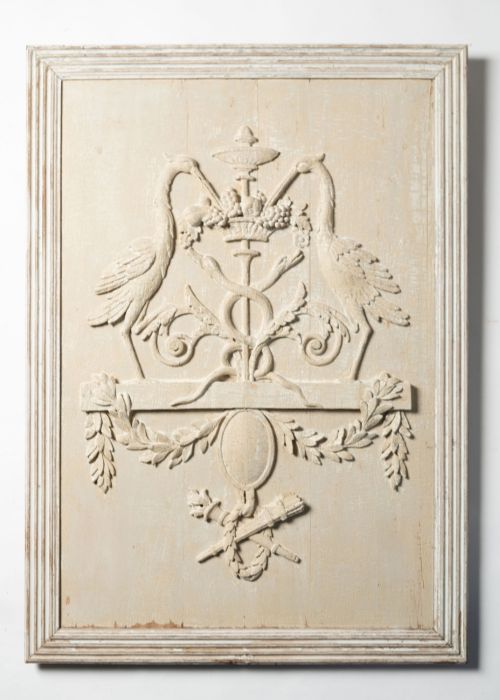
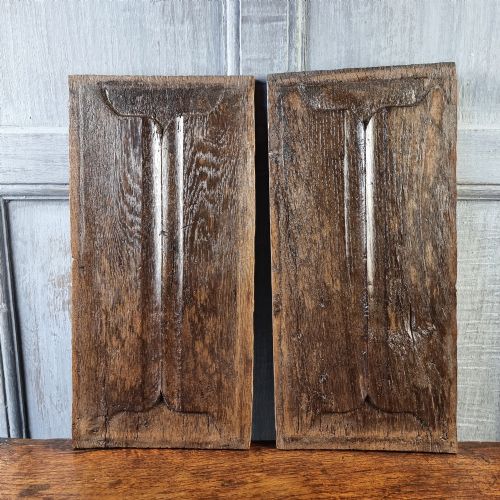
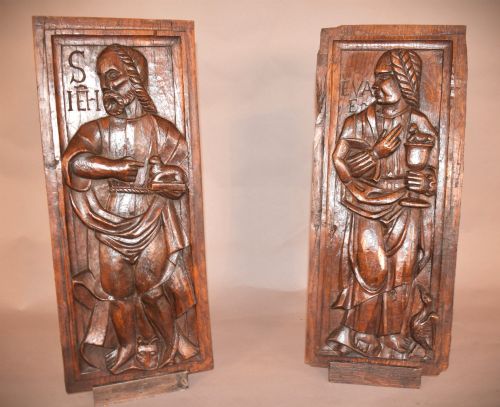
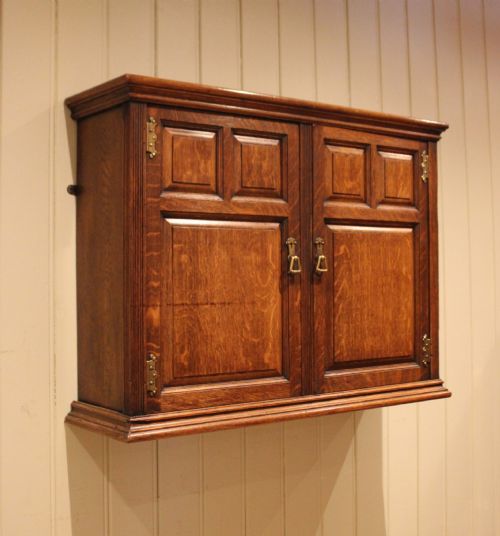
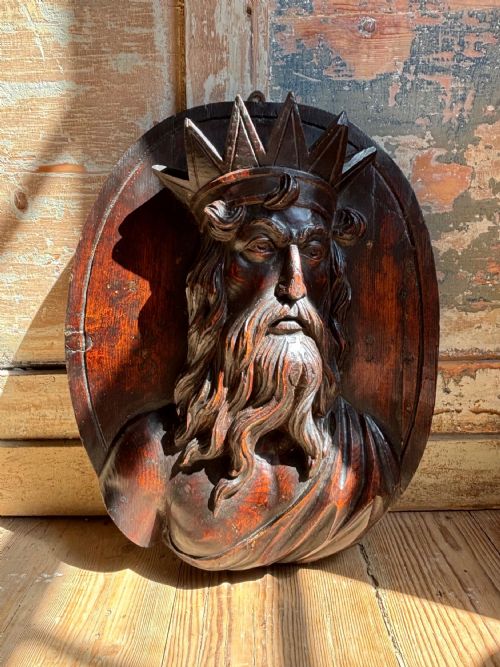
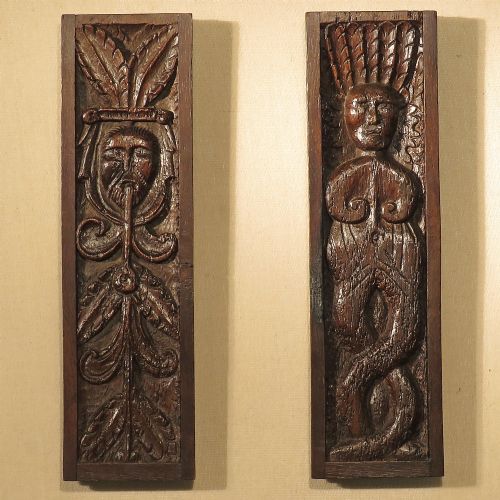
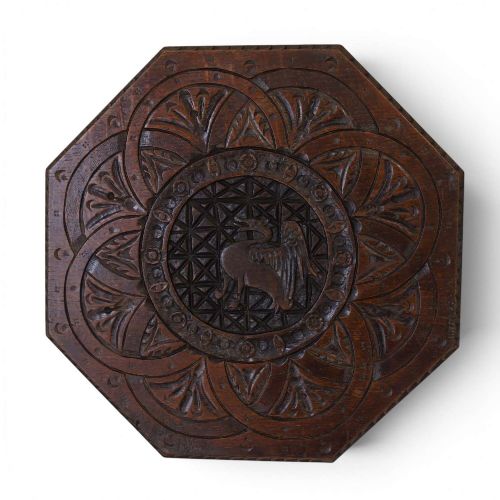
Carved Oak Wall Panel
A carved oak wall panel brings heavy timber architecture into a modern room, offering centuries of historic ornament.
Identifying Carved Oak Wall Panel
A carved oak wall panel represents timber architecture salvaged from historic interiors, architectural elements, and former furniture components.
The pieces on this page span the sixteenth century through to the nineteenth century, taking the form of wall plaques, wall reliefs, and coffer fronts.
Buyers frequently encounter seventeenth century examples featuring traditional motifs, alongside nineteenth century revivals and Gothic or Jacobean styles.
Construction and Materials
These items utilise solid oak timber, occasionally incorporating brass elements, shaped through traditional carpentry and hand carving techniques.
Makers formed the panels from dense timber boards, applying deep relief carving to depict armorials, figures, and geometric patterns.
Retail Price Guide 2026
Typical UK retail prices for carved oak wall panel, calculated from the Sellingantiques database of over a million retail prices indexed since 2003. This retail price guide relies exclusively on Sellingantiques data; no external sources or auction records are used, so the figures do not describe the wider market.
The listings span four distinct periods: sixteenth, seventeenth, eighteenth, and nineteenth centuries.
Assessing Quality
Quality rests upon the depth and crispness of the hand carving, where spirited figurative work and distinct armorial details elevate a piece.
The integrity of the timber and the survival of the original surface patination distinguish the finest architectural salvage from later adaptations.
Edward Pearce
The Carved Oak Wall Panel Glossary
- Coffer front
- The carved decorative front board of a traditional storage chest, often repurposed as a wall panel.
- Armorial
- A design displaying heraldic bearings or coats of arms, frequently carved into seventeenth century panels.
- Architectural salvage
- Building elements rescued from older structures for decorative reuse in interior design.
- Gothic revival
- An architectural and decorative style drawing inspiration from medieval forms during the nineteenth century.
Frequently Asked Questions
How were carved oak wall panels originally used?
These pieces formed part of larger interior schemes, lining the walls of important rooms or integrated into heavy furniture such as coffers and bed heads.
Over time, many panels were salvaged from demolished buildings or adapted into standalone wall plaques and decorative screens.
How do I hang a heavy oak panel safely?
Due to the substantial weight of dense oak timber, secure wall fixings and appropriate battens are essential for supporting the panel safely against a wall.
Consulting a professional installer ensures the weight is distributed properly without damaging the historic wood.
How can I tell a sixteenth century panel apart from a nineteenth century copy?
Early panels display authentic tool marks, natural timber shrinkage, and deep patination accumulated through centuries of exposure.
Revival pieces often show mechanical tooling methods and cleaner joinery typical of later architectural salvage work.
How do I care for historic oak woodwork?
Maintain stable indoor humidity and temperature levels to prevent the dense oak timber from drying out or splitting.
Apply a light application of beeswax occasionally to nourish the surface without attracting dust to the carved recesses.