
Carved Oak Sideboard Base
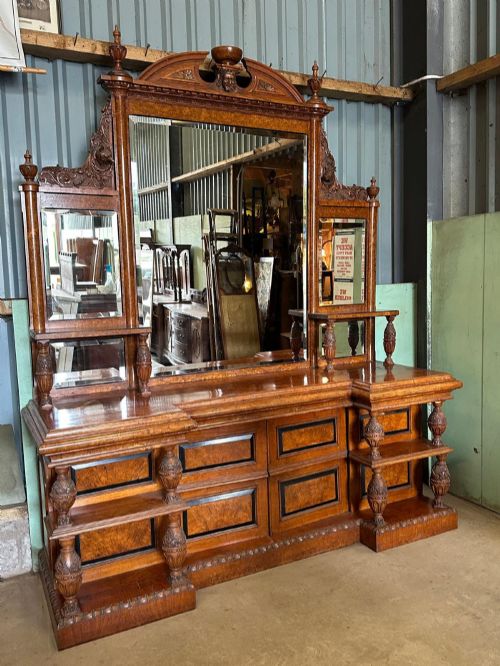
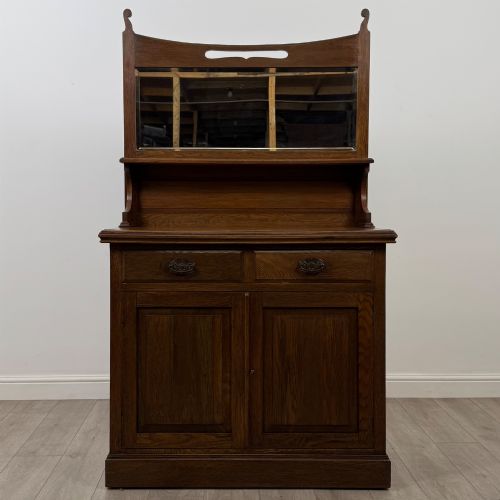
When you search for a carved oak sideboard base, you are looking at substantial storage furniture built to anchor a dining room or hall.
Carved Oak Sideboard Base
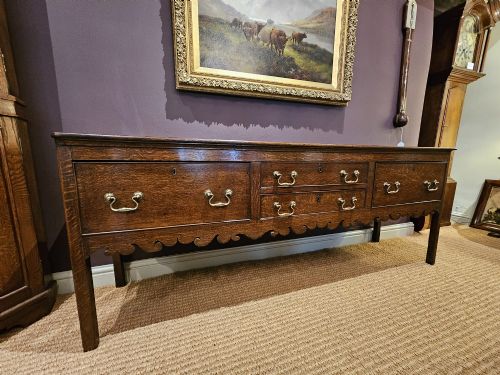
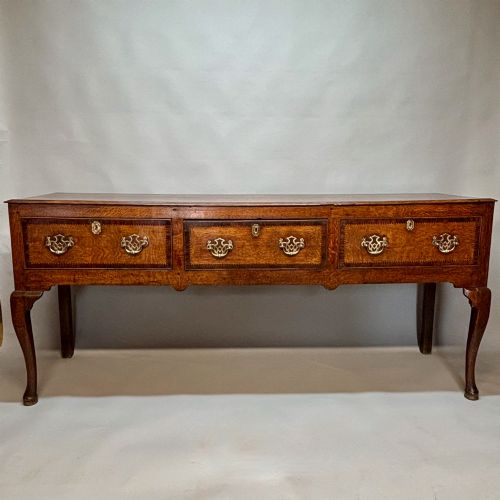
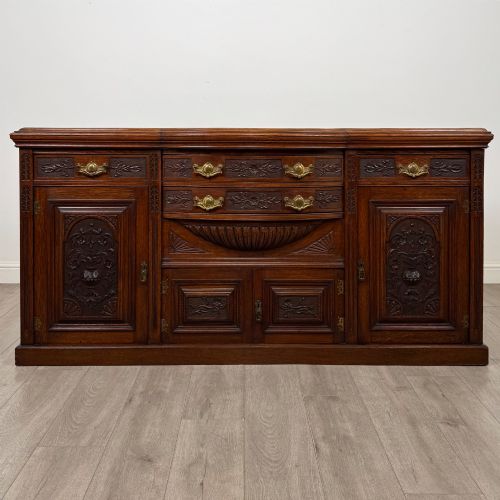
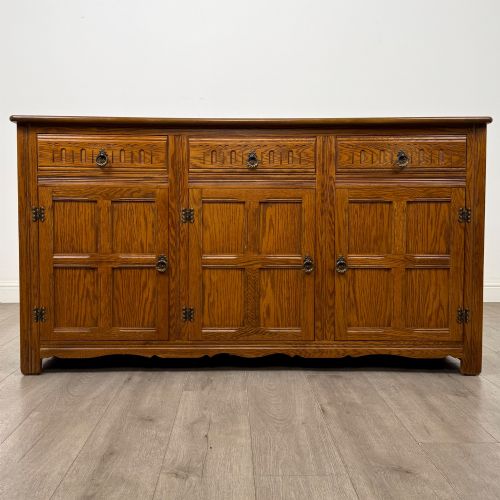
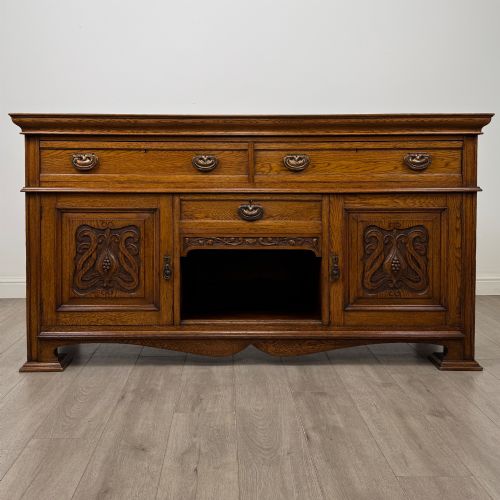
A carved oak sideboard base serves as a heavy, low storage cabinet or serving surface designed primarily for dining rooms and large kitchens. These pieces function as the lower halves of traditional dressers or as standalone servers, often fitted with drawers and cupboards.
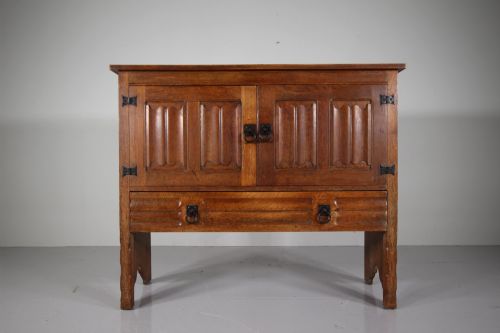
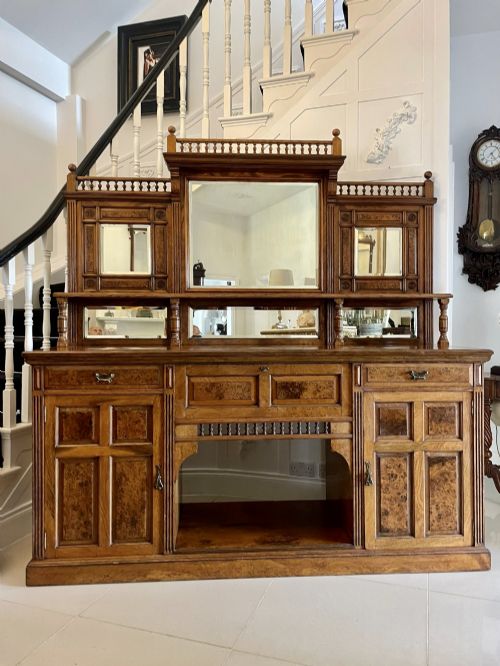
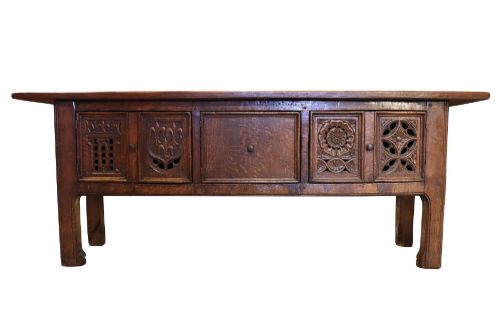
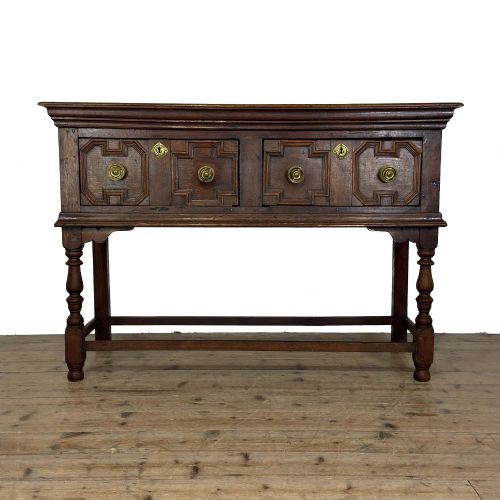
The selections available here range from early eighteenth-century country pieces and Georgian geometric designs to nineteenth-century Gothic revivals and Edwardian interpretations. You will frequently encounter heavy mouldings, panelled doors, and deep drawers intended for heavy household use.
How they were made
Carpenters constructed these items using solid timber planks joined by traditional mortise and tenon framing. The primary material is oak, sometimes set alongside secondary timbers, supplemented by brass handles, iron hinges, and occasionally copper mounts.
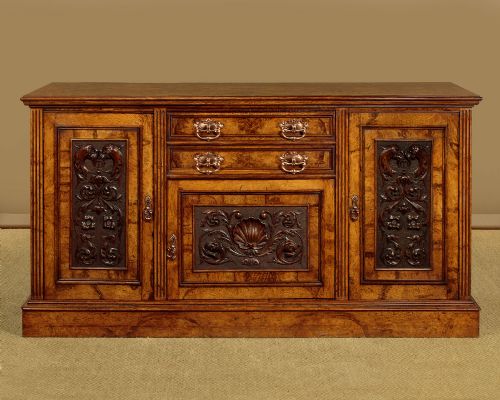
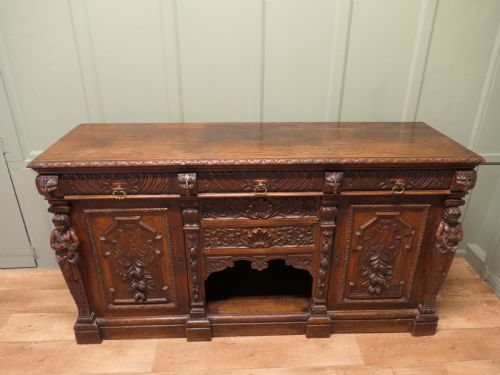
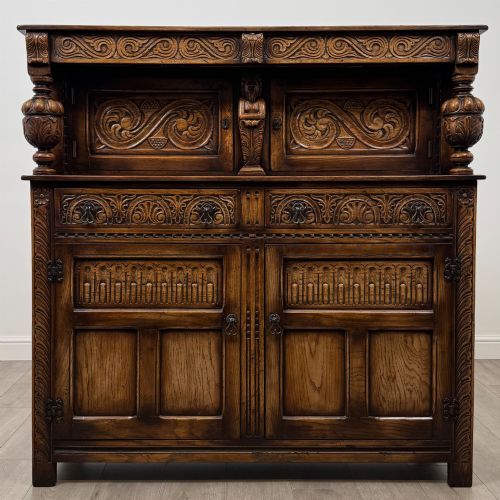
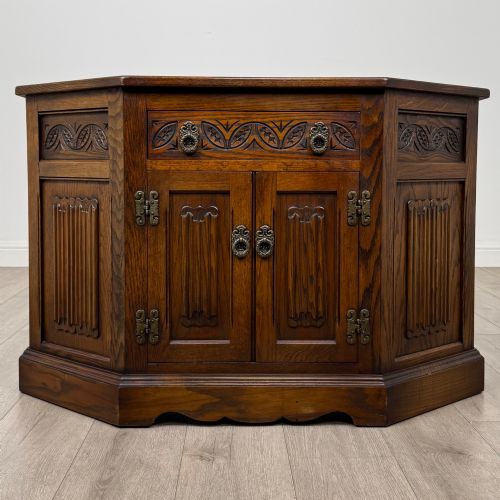
Surface ornamentation relies on hand carving, utilising chisels and gouges to produce linenfold patterns, geometric mouldings, and figurative details such as Green Man masks. Finishing involved wax or oil polishes that darkened the grain over centuries of handling.
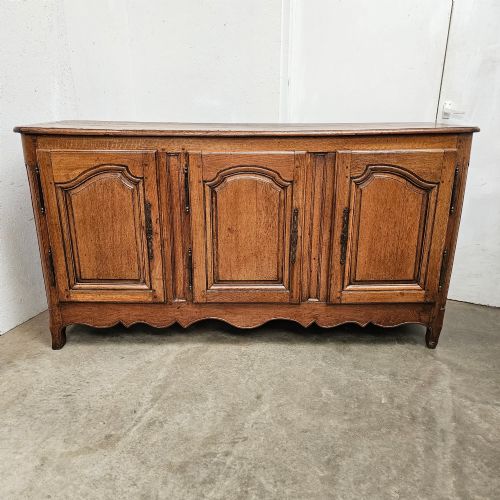
The furniture forms include court cupboards, enfilades, and potboard servers alongside standard dresser bases.
What varies in quality
The depth and crispness of the carving dictate much of the visual distinction between standard cabinet work and exceptional examples. Sharp, undercut relief work executed by skilled hands contrasts sharply with shallow, mechanical factory stamping found on later revival pieces.
Structural integrity also separates workshop standards, visible in the choice of quarter-sawn timber that resists warping and the weight of the hardware fitted to the doors and drawers. Thick oak tops and heavy stile-and-rail construction denote higher ambition in the original workshop.
The Carved Oak Sideboard Base Glossary
- Dresser base
- The lower cabinet portion of a dresser, typically containing a row of drawers above cupboards or an open potboard. This form provides a broad serving surface.
- Potboard
- An open slatted lower shelf built into a dresser base for storing large serving platters and heavy pots. It sits just above the floor on low feet or stretchers.
- Green Man
- A sculptural architectural motif depicting a human face emerging from or intertwined with foliage and vines. It appears frequently on nineteenth-century revival panels.
- Enfilade
- A long sideboard or serving cabinet designed with three or more doors in a straight run. This form originates from continental dining traditions.
- Barley-twist
- A turned wooden support resembling a spiralling rope or helix. Craftsmen produced these decorative columns on a lathe.
- Geometric moulded
- Surface decoration formed by applying raised wooden strips in geometric patterns to flat panelled doors. This technique was popular in seventeenth-century joinery.
Carved Oak Sideboard Base: Frequently Asked Questions
What is the difference between a sideboard and a dresser base?
A dresser base originally formed the lower half of a two-tier kitchen or dining room dresser designed to hold dinnerware. Sideboards were often built as standalone dining room serving units without upper shelving.
Over time, the terms became interchangeable in trade descriptions. Both forms provide substantial low storage through combinations of drawers and cupboards.
How do I spot a later revival piece?
Revival pieces from the Edwardian era or the 1920s often use standardised machine-sawn timber with uniform colouring and shallow, repetitive carving. The interior drawer linings may feature modern plywood or machine-cut dovetails.
Earlier eighteenth-century examples display irregular hand-planed surfaces, pegged joints, and darker patination developed through generations of domestic wear.
What rooms suit a carved oak sideboard base?
These low cabinets suit dining rooms, large hallways, and open-plan living spaces where their heavy proportions ground the room. Their flat tops provide functional surfaces for serving food or displaying ceramics.
The deep drawers and cupboards offer practical storage for table linens, silver, and heavy serving dishes.
Why are some pieces described as golden oak?
Golden oak typically refers to lighter finishes applied to furniture produced during the Edwardian period and the early twentieth century. This lighter tone reflects a shift away from the dark, heavy polishes popular in Victorian interiors.
These pieces often highlight the natural yellow-brown grain of quarter-sawn oak under clear wax or shellac coatings.