

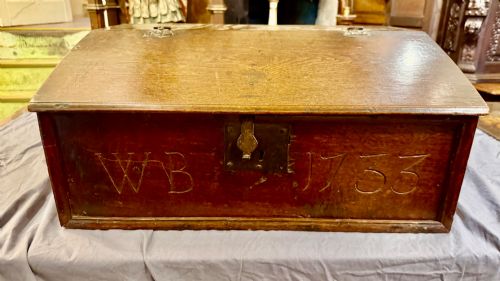
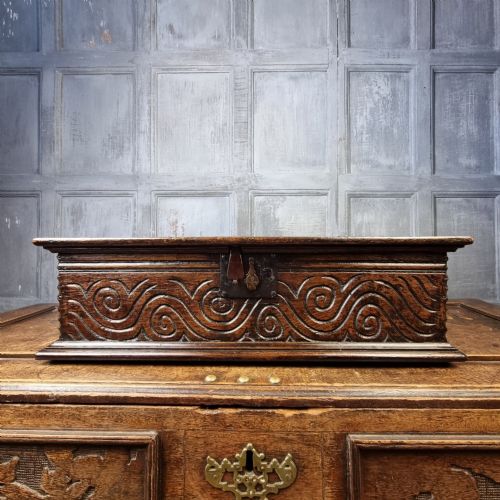


Carved Oak Document Chest
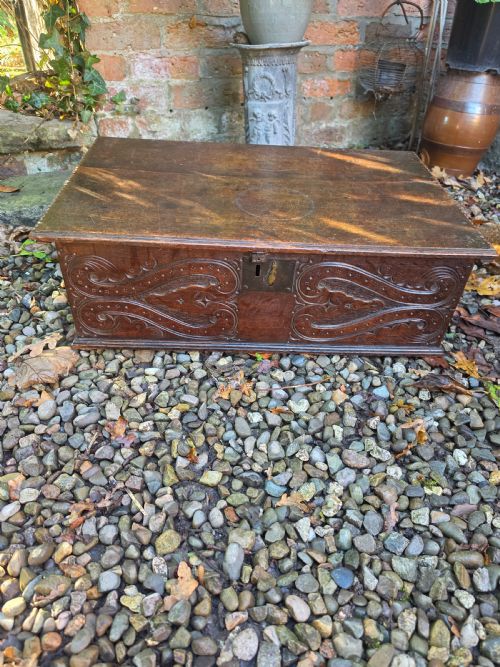
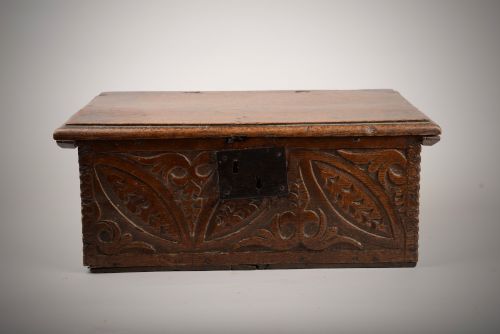
A carved oak document chest is a sturdy portable receptacle built to secure deeds and papers, combining heavy timber construction with period decorative carving.
Carved Oak Document Chest
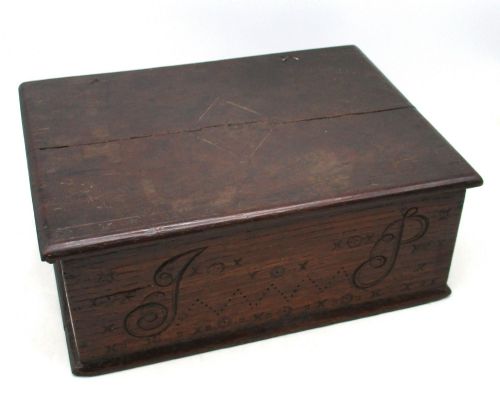
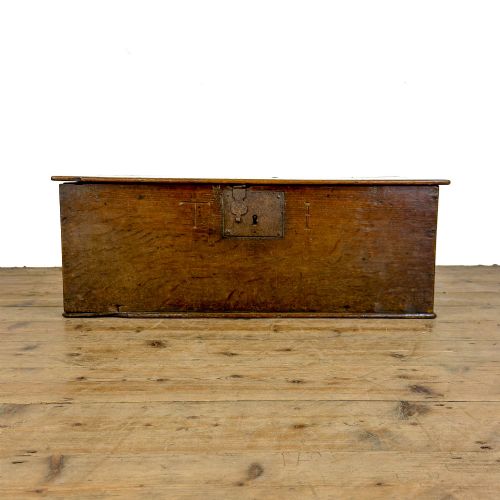
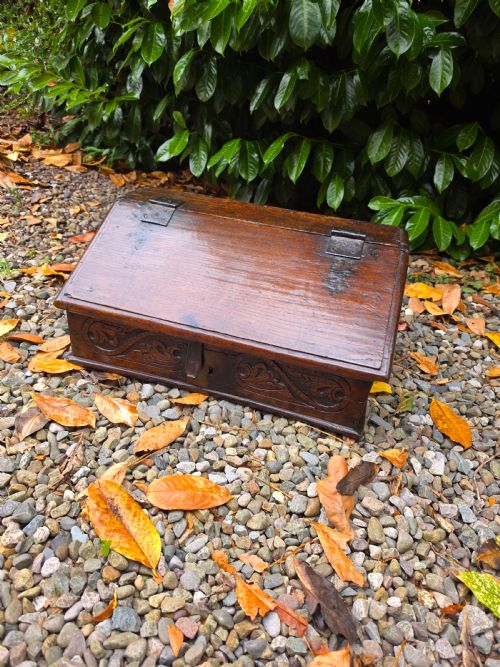
A carved oak document chest serves as a robust container for valuable papers, often taking the form of a bible box, desk box, or deed box. These items emerge primarily from the seventeenth and eighteenth centuries, reflecting the domestic and professional storage needs of the period.
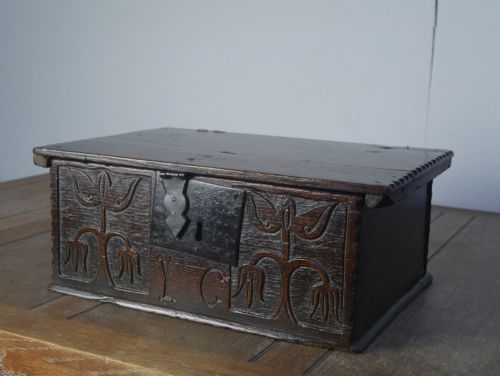
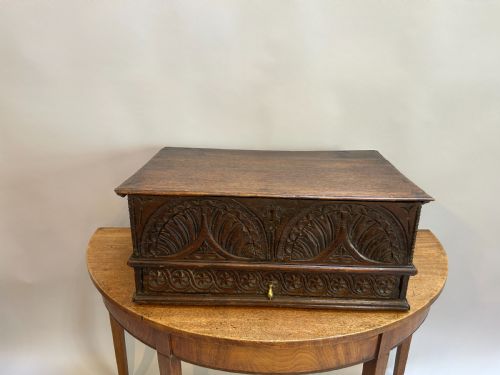
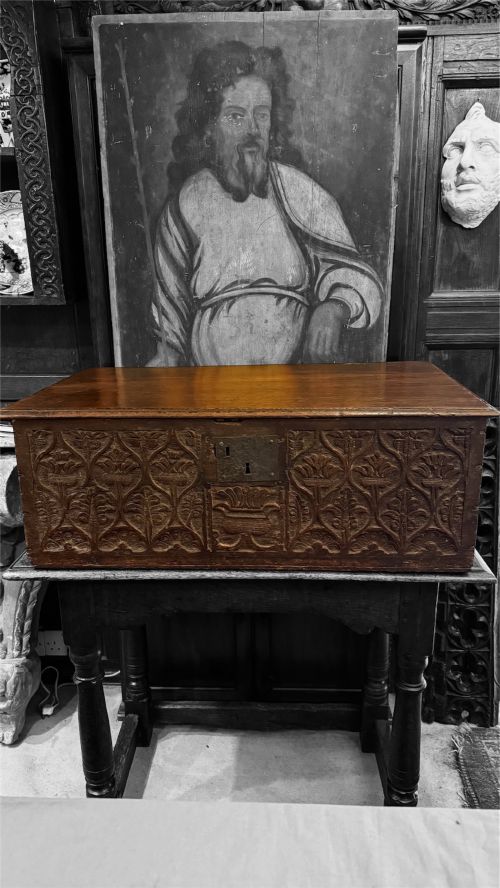
The pieces appearing on this page span several regional English and Welsh traditions, alongside continental examples in chestnut with Gothic carving. Forms range from simple hinged-lid table boxes to sophisticated variants featuring internal drawers, slant fronts, or decorative inlay in holly and bog oak.
What varies in quality
Quality differentiates through the depth and crispness of the carved ornamentation, distinguishing briskly executed chip carving from refined architectural or demi-lune panel designs. The sophistication of internal architecture, such as multiple fitted drawers or secret compartments, elevates the standing of a box.
The integrity of the timber and the retention of original ironwork or brass hardware heavily influence the character of each piece. Superior examples maintain their primary surfaces and structural cohesion without excessive modern intervention.
Carved Oak Document Chest Retail Price Guide 2026
Typical asking prices for carved oak document chest among the pieces listed under this phrase on Sellingantiques today, from the lower quarter to the upper quarter. They describe what is for sale here now, not the wider market.
Listings feature oak, chestnut, and wrought iron elements, spanning the seventeenth century through to the early nineteen-hundreds.
The Carved Oak Document Chest Glossary
- Bible box
- A desk box or small chest originally designed to hold a family bible and important household documents. These pieces frequently feature sloping lids suited for reading or writing.
- Chip carving
- A primitive form of surface decoration created by chiseling small chips from a wooden panel to form geometric patterns. This technique appears widely on seventeenth-century Welsh and English boxes.
- Deed box
- A secure container built to store legal documents, land indentures, and financial papers. They typically feature heavy iron locks and robust oak or chestnut construction.
- Frieze
- A decorative horizontal band carved along the upper portion of a box front. This area often displays running scrollwork, floral motifs, or inscribed dates and initials.
- Bog oak
- Subfossil oak preserved in peat bogs that turns a deep dark brown or black colour. Craftsmen utilised this dense material for contrasting inlay work.
Carved Oak Document Chest: Frequently Asked Questions
What is a bible box?
A bible box is a portable wooden chest with a hinged lid, built to store a large family bible and vital papers. They date predominantly from the seventeenth and eighteenth centuries.
Many of these boxes doubled as writing surfaces when placed upon a table, featuring sloping lids and internal compartments for ink and quills.
How do I date a seventeenth century oak box?
Dating relies on examining the construction methods, the style of the carved decoration, and any visible tool marks on the timber. Seventeenth century pieces frequently display hand-split boards and archaic jointing.
Carved initials, dates, or specific motifs like demi-lune panels provide further clues to the decade of manufacture. Contemporary locks and iron hinges also offer reliable period indicators.
Where were document chests placed in a home?
These chests rested on tables, joint stools, or heavy desk stands within the principal rooms of early homes. Their portability allowed owners to move them near light sources or secure them quickly.
They served as functional furniture in parlours and chambers where household accounts and legal deeds required safekeeping.
What is chip carving on old oak boxes?
Chip carving is a technique where artisans remove small triangular chips from the surface of the oak to create geometric or strapwork designs. It represents an early form of surface ornamentation.
This style appears frequently on Welsh and regional English pieces from the seventeenth century, providing texture to the front panels.
Did these boxes have internal drawers?
Certain document boxes feature small internal drawers hidden beneath the main compartment floor or set against the back wall. These compartments kept small valuables and seals secure.
Boxes with internal drawers required skilled cabinet-making and often indicate a higher status piece from the late seventeenth or eighteenth century.