

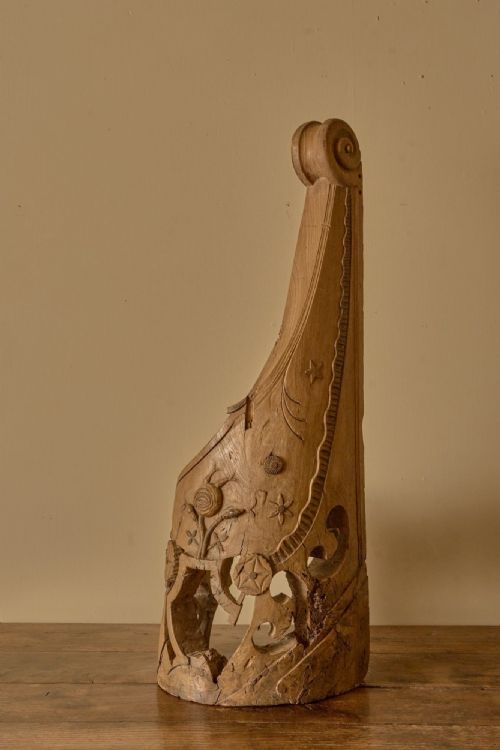
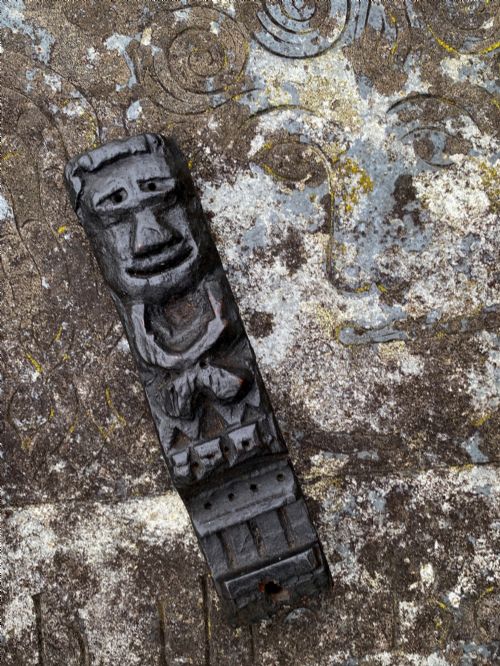
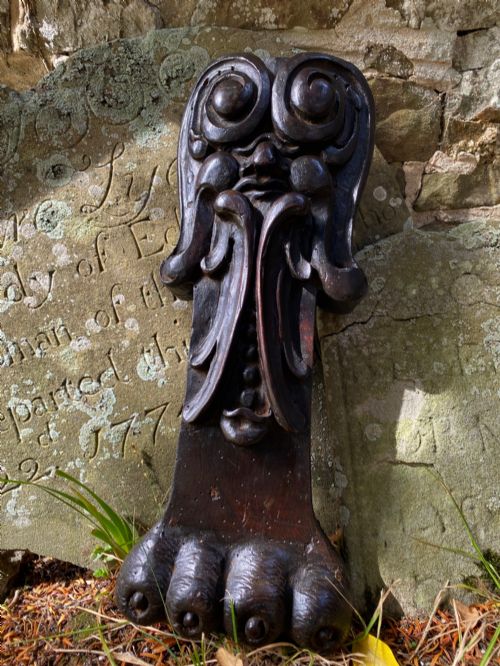
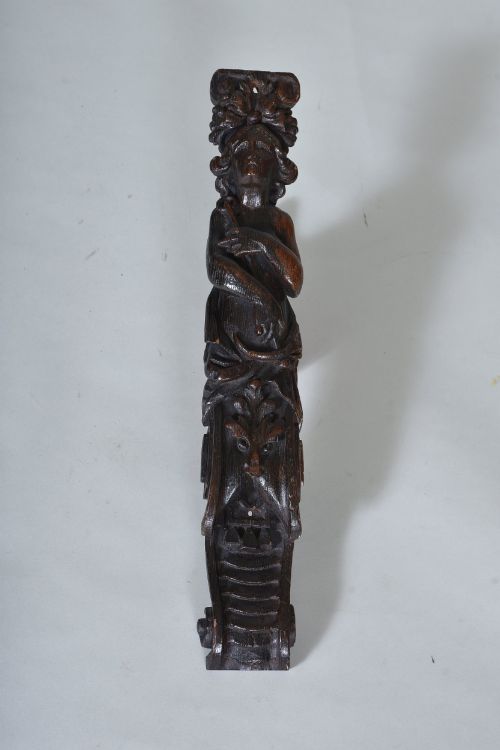



Carved Oak Corbels
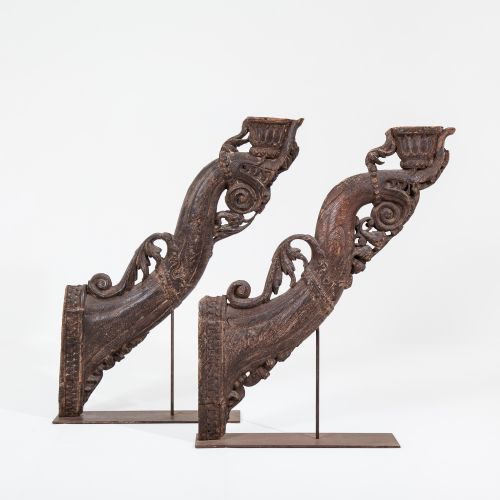
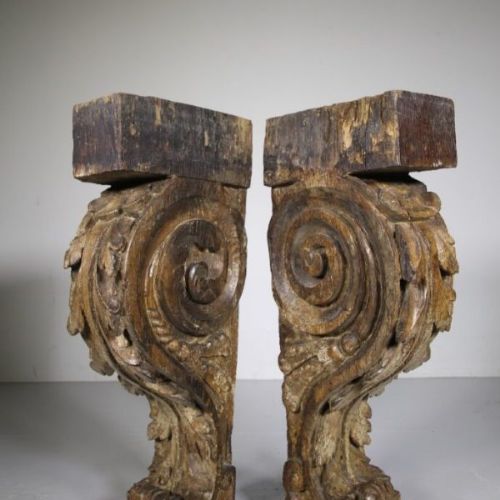
Carved oak corbels are architectural supports and wall brackets that bring substantial timber character and historic presence to an interior.
Carved Oak Corbels
Carved oak corbels represent architectural salvage and structural timber fragments adapted for interior display as wall brackets, shelf supports, and sculptural ornaments. When you search for carved oak corbels, you meet pieces ranging from sturdy seventeenth-century structural supports to nineteenth-century decorative interpretations.
The selections span significant chronological ground, appearing as sixteenth-century building brackets, seventeenth-century figurative carvings, eighteenth-century continental brackets, and nineteenth-century library fixtures. Many examples take the form of faces, figures, putti, lions, and mythical creatures, functioning historically to bear weight beneath beams or mantelpieces.
Most items you encounter on this page originate as architectural fragments, ceiling boss panels, caryatids, or dedicated wall brackets. They serve modern interiors both as functional shelf supports and as standalone wall sculptures mounted directly to plaster.
How they were made
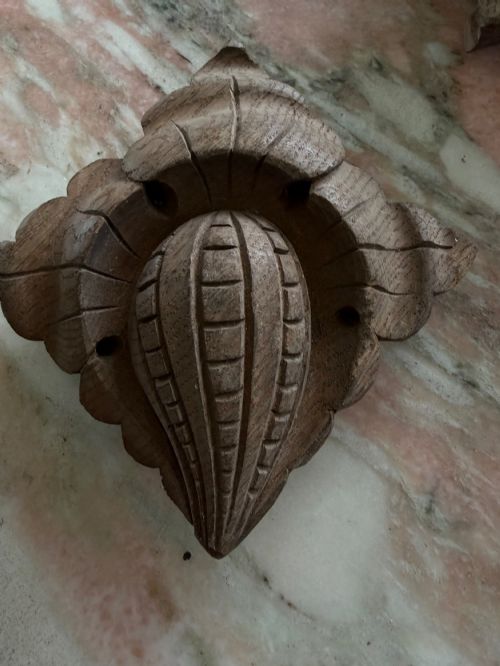
These architectural elements are hewn and hand-carved from solid oak, utilising the dense grain and durability of the timber to sustain deep relief work. Woodcarvers shaped the material using gouges and chisels to create complex three-dimensional forms from single blocks of wood.
Certain examples incorporate iron fixing points or structural elements to secure the timber into masonry or timber-frame buildings. Traces of dark oak patination and occasional gold leaf remnants appear across the periods, reflecting historical interior treatments.
Carved Oak Corbels Retail Price Guide 2026
Typical asking prices for carved oak corbels among the pieces listed under this phrase on Sellingantiques today, from the lower quarter to the upper quarter. They describe what is for sale here now, not the wider market.
Listings feature carved oak corbels spanning from the sixteenth century through the Victorian era, alongside architectural fragments and bookcases.
What varies in quality
Surface integrity and original patination also govern the standing of a piece. Untouched timber surfaces showing centuries of oxidation command greater appreciation than heavily restored or later re-carved elements.
The Carved Oak Corbels Glossary
- Corbel
- A structural piece of stone, wood, or metal jutting from a wall to carry a superincumbent weight. In timber, these are shaped to project horizontally and support shelves, mantels, or ceiling beams.
- Caryatid
- A sculpted female figure serving as an architectural support taking the place of a column or a pillar. They appear carved in oak as structural brackets or decorative wall supports.
- Ceiling Boss
- A decorative projecting block of wood placed at the intersection of ribs in a ceiling or vault. Surviving oak examples are frequently adapted as wall plaques or architectural fragments.
- Putto
- A figure of a small infant, usually naked and chubby, depicted in classical art and later revivals. Seventeenth-century carvers frequently utilised putti figures in architectural friezes and brackets.
- Architectural Salvage
- Building materials and decorative elements rescued from structures slated for demolition or alteration. These fragments are repurposed for interior decoration and display.
Carved Oak Corbels: Frequently Asked Questions
How do I hang a heavy corbel?
Heavy oak corbels require substantial fixings secured directly into wall studs or masonry using heavy-duty steel brackets concealed behind the timber.
Consult a professional builder to assess the weight of the timber and the load-bearing capacity of your wall before mounting.
Where were corbels used originally?
Original placements included stone or timber-framed buildings where corbels projected from walls to support ceiling beams, roof trusses, or projecting chimney breasts.
Later periods also integrated them into library bookcases, door surrounds, and grand interior chimney pieces as decorative brackets.
How do I clean historic oak?
Dust the carved surfaces gently with a dry, soft-bristled brush to remove accumulation from deep recesses without disturbing the historic patination.
Avoid using water, commercial polishes, or liquid cleaners on antique oak as moisture damages the dry grain and historic surface finish.
Are these pieces structural or decorative?
While historic corbels served a weight-bearing structural purpose in architecture, most surviving examples function today as decorative wall brackets and sculptural art.
Larger pairs can still support sturdy timber shelving if securely fastened to appropriate wall structures.
How can I tell the period?
Dating relies on stylistic markers such as sixteenth-century Gothic motifs, seventeenth-century strapwork and faceted carving, or nineteenth-century Revival proportions.
Examine the tool marks, the colour and shrinkage of the oak, and the wear patterns on the exposed mounting surfaces.