


Antique Architectural Wood
Antique architectural wood brings centuries of skilled carving, salvaged panels and structural fragments directly into domestic interiors.
Antique Architectural Wood
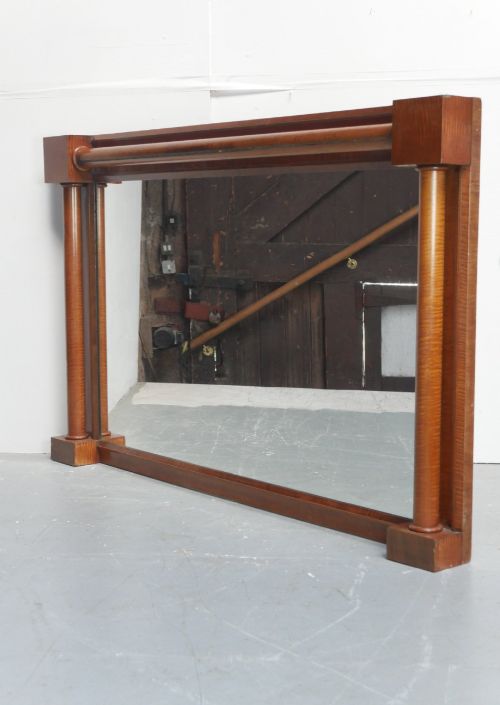
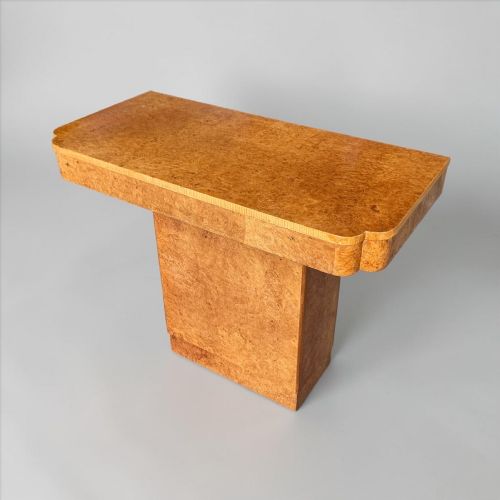
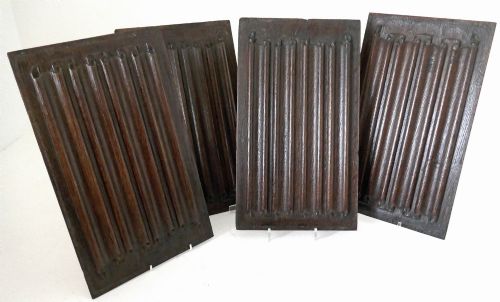
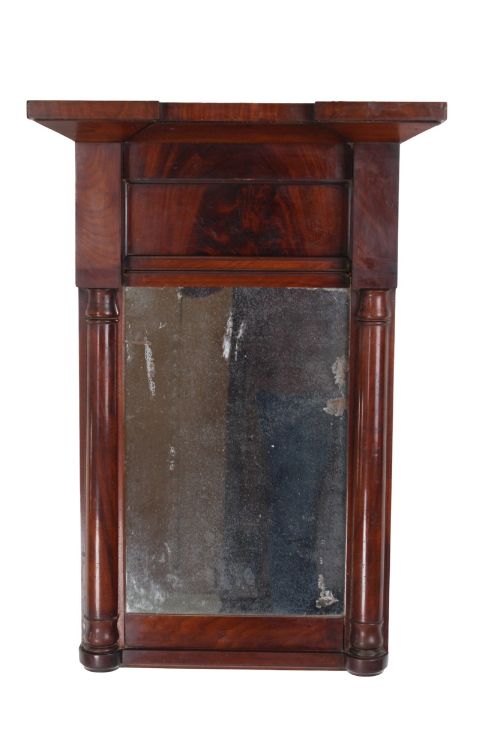
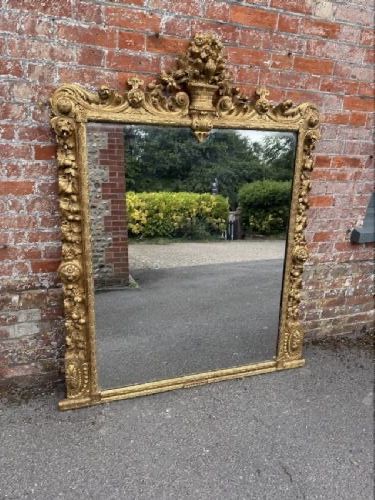
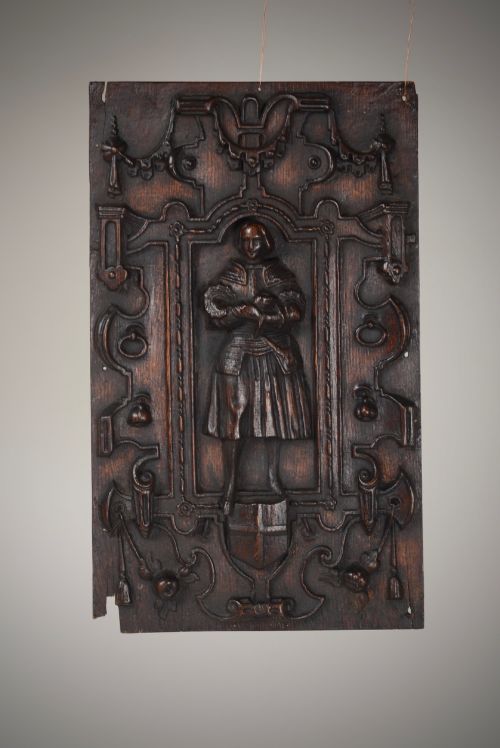
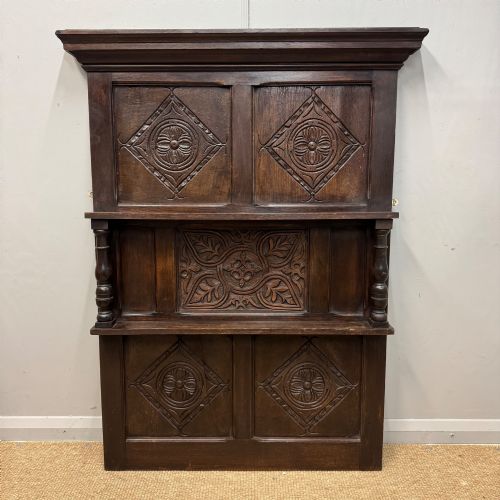
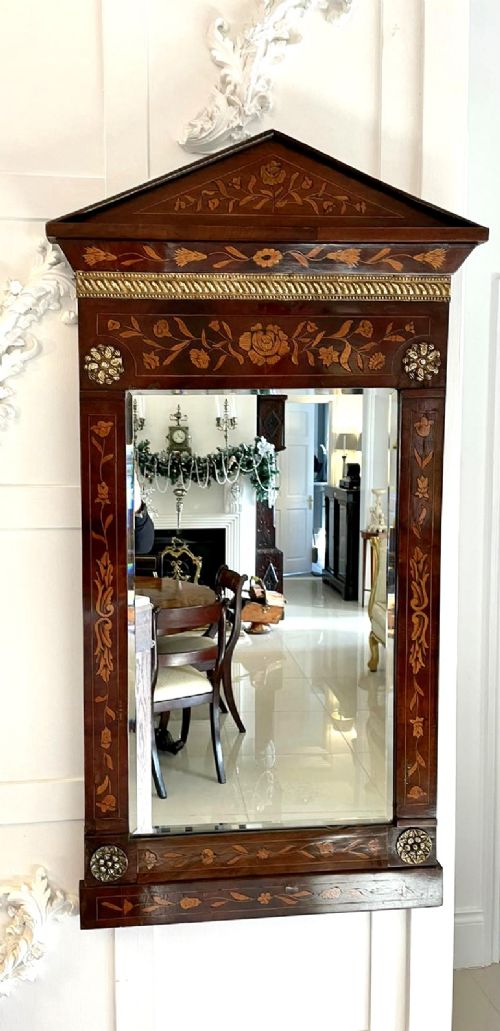
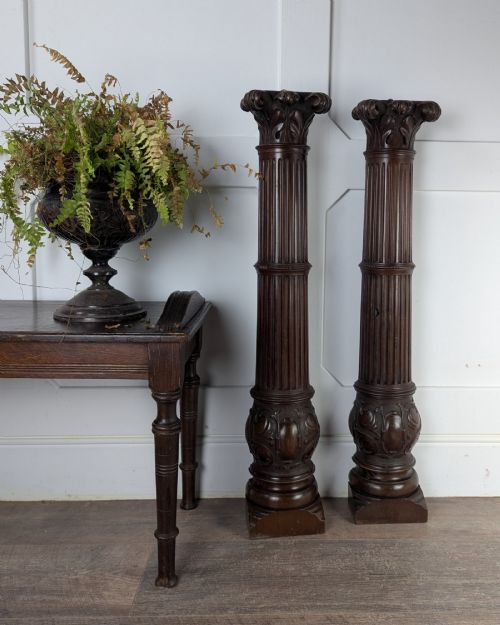
Buyers seeking antique architectural wood examine salvaged structural fragments, decorative carvings, panels and mirrors spanning several centuries. The selection ranges from early oak linenfold panels and carved pediments to later columns, overmantels and wall brackets.
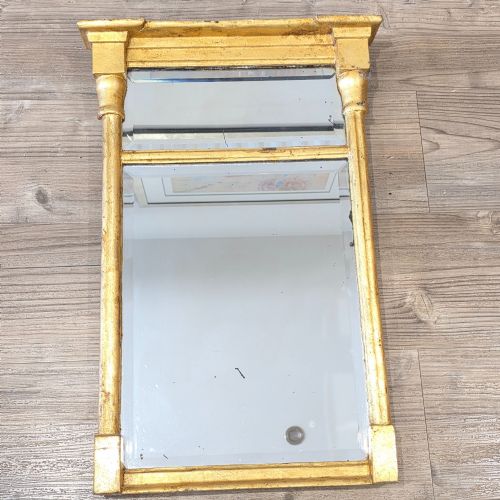
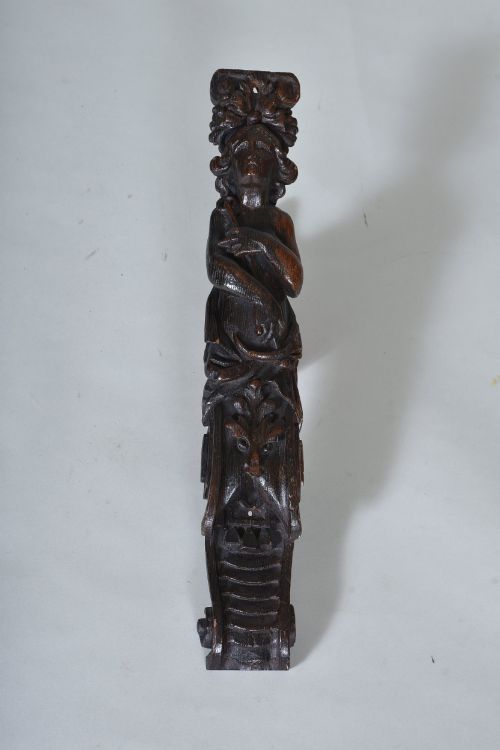
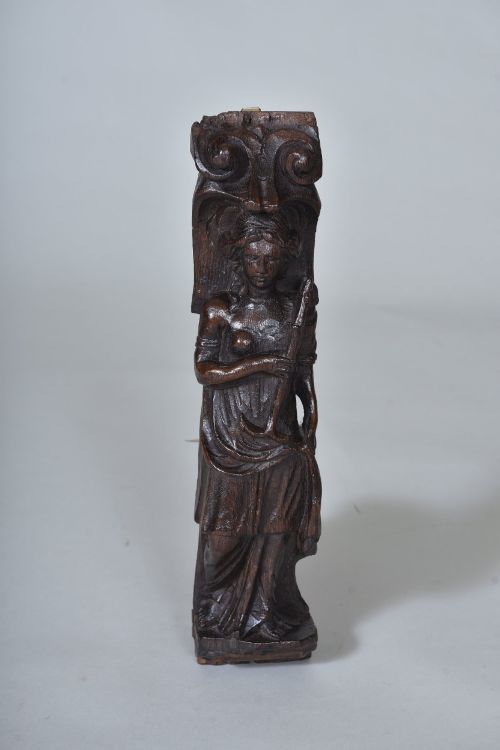
Pieces originating from the sixteenth, seventeenth and eighteenth centuries frequently display deep relief carving in oak, whilst nineteenth-century examples often incorporate giltwood, gesso and painted surfaces. These elements provide tangible connections to historic building practices and interior decoration.
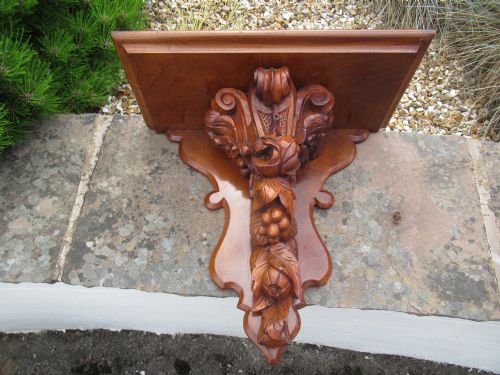
The objects take many forms, including carved panels, architectural salvage, wall brackets and mirrors framed by historic wood or gilt mouldings. Each item retains the marks of its original architectural context before being adapted for display.
Materials and construction methods
Oak remains the predominant timber in early panels and carvings, chosen for its durability and suitability for intricate hand-tool work. Later decorative items frequently utilise mahogany, walnut, teak or softwoods shaped by carpenters and carvers.
Surface treatments recorded in the evidence include gold leaf, gesso, polychrome paint and clear finishes that protect the timber whilst highlighting relief details. Traditional joinery and hand-carving techniques define the construction of these structural fragments.
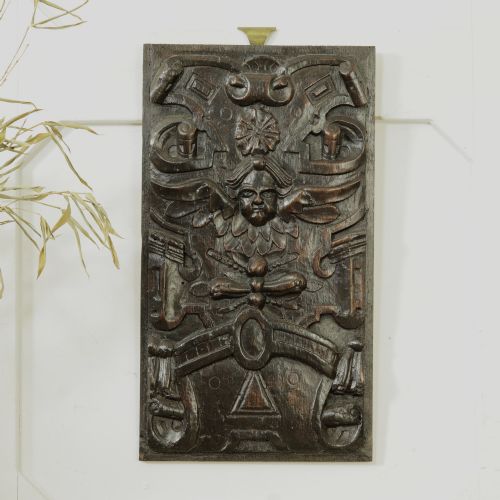
Green Men peer out from sixteenth-century relief panels, bringing ancient foliate spirits indoors to watch over modern rooms.
Separating the ordinary from the exceptional
Quality in antique architectural wood rests upon the crispness of the hand-carving and the depth of the relief work. Pieces executed by skilled carvers exhibit fluid lines and naturalistic proportions, whereas lower-tier examples appear mechanical or heavy-handed.
The integrity of the original material and surface finish dictates desirability. Intact historic gilding, original paint layers and well-preserved timber surfaces distinguish superior architectural fragments from heavily altered or stripped pieces.
German H.A.C.
The Antique Architectural Wood Glossary
- Linenfold
- A style of wooden panelling carved to resemble folded cloth. This motif appears frequently on sixteenth- and seventeenth-century oak panels.
- Gesso
- A plaster-like mixture applied to wood as a base for paint or gold leaf. It is commonly found on eighteenth- and nineteenth-century gilt mirrors and architectural carvings.
- Corbel
- A structural piece of stone or wood projecting from a wall to support a weight. In decorative pieces, wooden corbels often take the form of brackets or lion supports.
- Pediment
- A triangular or shaped architectural element placed above doors, windows or overmantels. These wooden sections frequently feature carved foliage or figures.
- Polychrome
- Decorated in multiple colours. This term describes historic wooden panels and carvings retaining their original painted surfaces.
Antique Architectural Wood: Frequently Asked Questions
What is antique architectural wood?
Antique architectural wood comprises salvaged structural elements, decorative carvings, panels and mouldings removed from historic buildings over the centuries. These pieces capture traditional woodworking skills and historic interior aesthetics.
Items range from sixteenth-century oak linenfold panels to nineteenth-century giltwood mirrors and carved architectural fragments. They are preserved primarily for decorative wall display and interior design.
How were carved wooden panels used?
Historic carved panels functioned as wall lining, overmantels, furniture inserts and structural partitions within domestic and institutional buildings. They provided both insulation and visual splendour in period interiors.
Today, buyers mount these panels directly onto walls as standalone works of art or integrate them into modern architectural joinery. Their varied motifs reflect the stylistic preferences of their originating eras.
How do I date antique wood carvings?
Dating relies upon timber species, tool marks, joinery techniques and stylistic motifs characteristic of specific centuries. Sixteenth- and seventeenth-century pieces typically utilise heavy oak with deep hand-chiselled relief.
Later periods introduce softer woods, machine-cut elements and distinct decorative vocabularies such as Neoclassical or Art Deco. Comparing construction methods against documented examples confirms the period.
Can I hang heavy architectural wood?
Hanging heavy carved panels, mirrors or architectural brackets requires secure wall fixings suited to the weight of the timber and plaster. Many pieces feature integrated hanging hardware or solid structural frames designed for wall mounting.
Professional installation is recommended for monumental items such as overmantels and large architectural salvage pieces. Ensuring the weight is distributed properly protects both the wall and the antique wood.