


Classical Carved Column
A classical carved column brings architectural order to a room, holding up lamps, urns and mirrors with ancient proportion.
Classical Carved Column
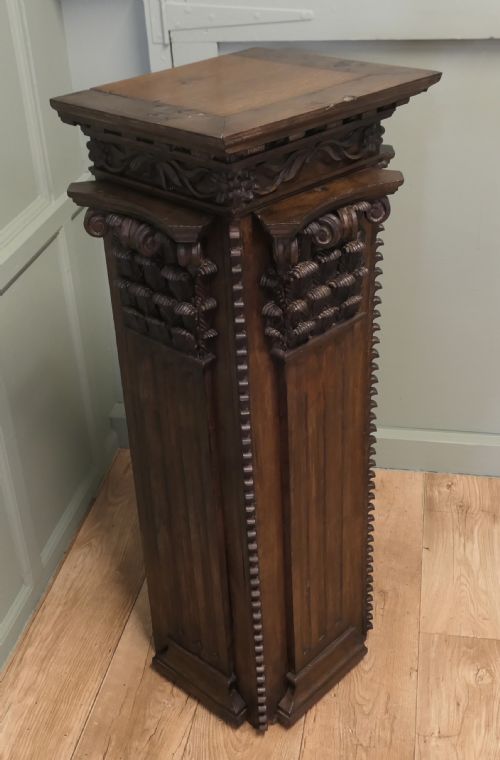
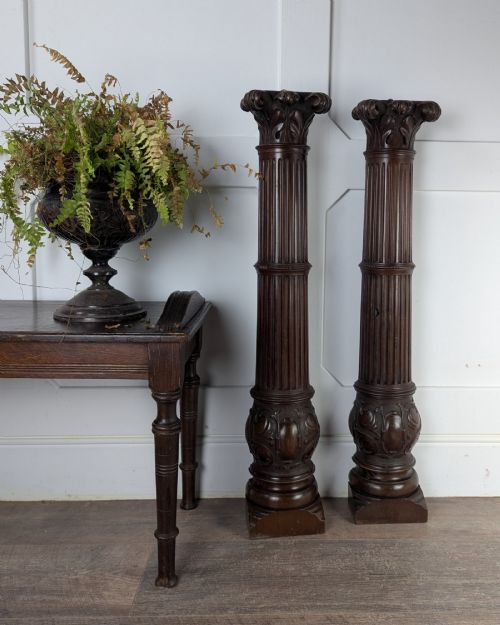
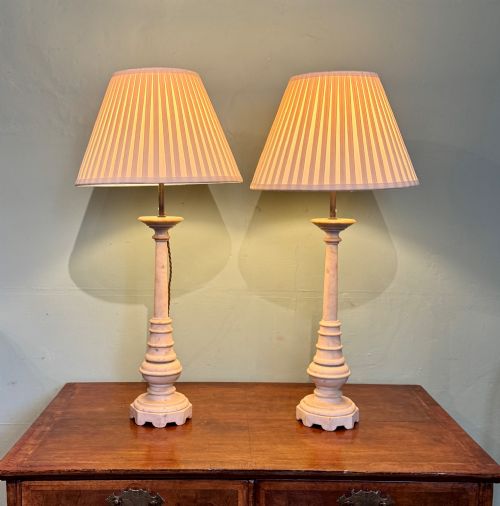
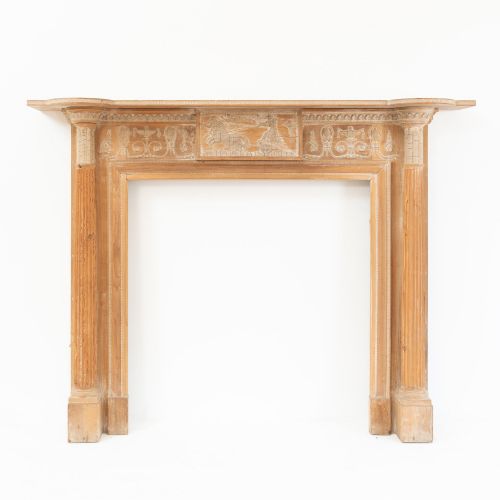
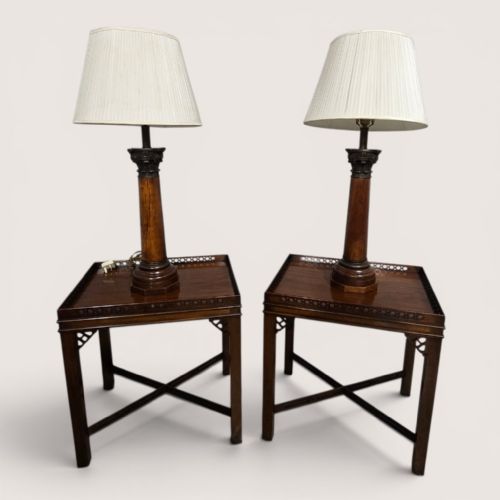
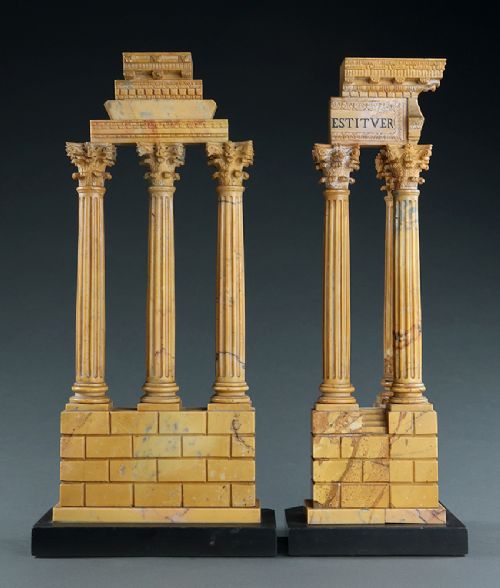
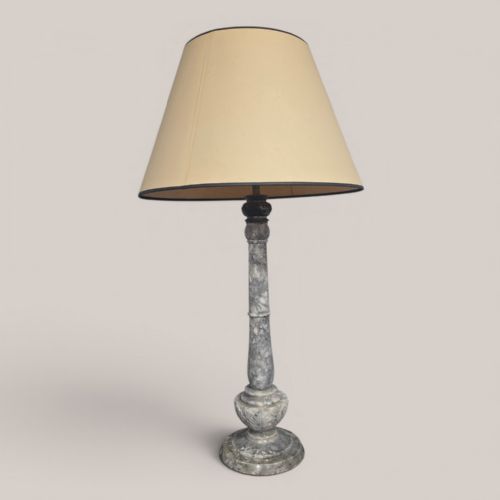
A classical carved column on this page takes the form of pedestals, torcheres, architectural salvage or lamp bases shaped by neoclassical ideals. These pieces draw on nineteenth-century revivals, Regency elegance and Grand Tour taste, often appearing as fluted wooden shafts or solid stone supports.
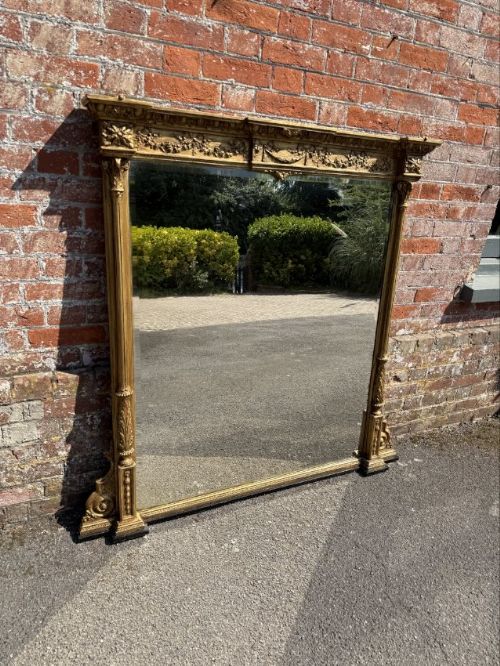
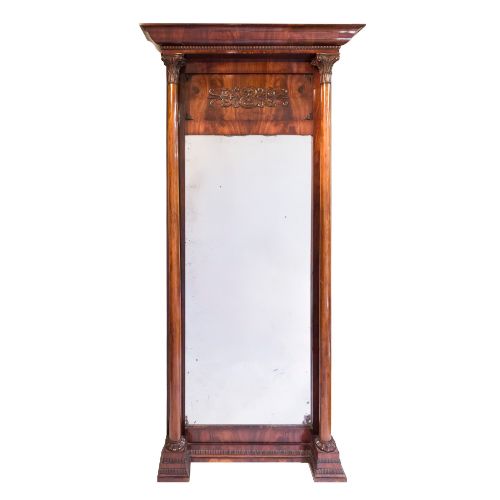
The most common versions met here include mahogany and oak pedestals alongside white, Sienna, Arabescato or Verde Antico marble columns. Overmantel mirrors framed by carved wood and gesso columns also recur across the nineteenth-century listings.
Buyers select these forms to anchor a corner, elevate a bust or introduce architectural gravitas to domestic spaces. Each piece reflects the enduring nineteenth-century appetite for classical antiquity.
Materials and construction
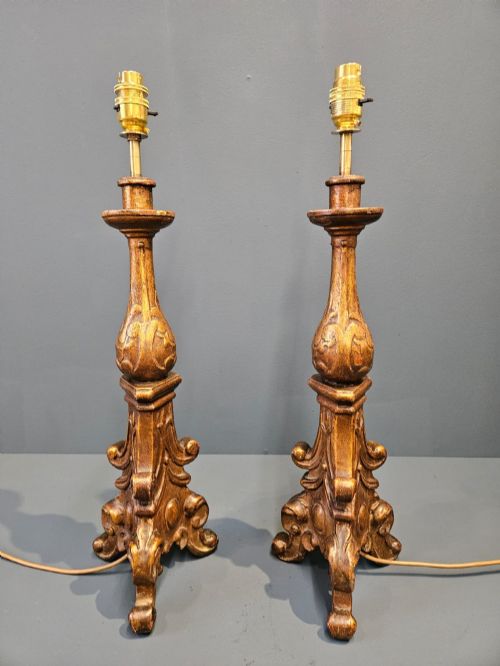
Makers utilised dense timbers such as mahogany, oak, pine and birch, frequently turning them on a lathe before applying hand-carved flutes, reeds or spiral pillars. Gesso and gold leaf were then layered over wood to build up crisp architectural details like Corinthian capitals.
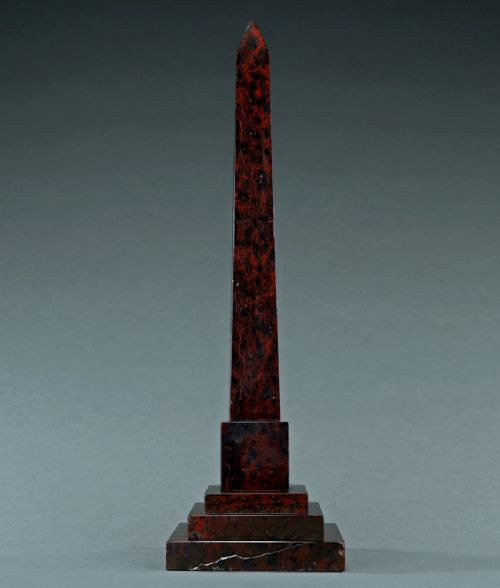
Stone pieces relied on the careful selection of marble varieties, alabaster, scagliola and stone, shaped into columns, obelisks and pedestals. Natural veining dictated the visual rhythm of these heavy architectural supports.
Judging quality in columns
Quality rests in the crispness of the hand-carved detail on capitals and fluting, where sharp, clean lines distinguish masterwork from routine production. The choice and matching of materials, from figured flame mahogany to richly veined marble and applied gold leaf, dictate the standing of the piece.
Proportion and structural integrity define the best examples, ensuring that shafts remain true and heavy stone or timber bases bear weight with stable grace. Subtle surface finishing, whether polished stone or giltwood, completes the hierarchy of craftsmanship.
The Classical Carved Column Glossary
- Corinthian capital
- The uppermost member of a column, adorned with carved acanthus leaves and scrolls. It represents the most ornate of the classical architectural orders.
- Scagliola
- A composite material made from selenite, glue and pigments, plastered onto a core to imitate genuine marble. It allowed makers to create smooth classical columns and pedestals.
- Torchere
- A tall stand or pedestal originally designed to hold a torch or candle, now utilised for lamps and figures. These stands often feature slender classical columns.
- Verde Antico
- A dark green serpentine marble historically quarried in Greece and Italy. It appears frequently in nineteenth-century decorative columns and table items.
- Fluting
- Shallow, concave grooves running vertically along the shaft of a column. This technique creates vertical emphasis and visual lightness in classical design.
Classical Carved Column: Frequently Asked Questions
How do I use a column at home?
Place a marble or wood column in a corner or hallway to display a bronze bust, vase or table lamp. Taller pedestals elevate sculptural objects to eye level, creating a distinct focal point.
Shorter columns or half-columns work well mounted against walls or integrated into console arrangements. They provide architectural structure without crowding smaller rooms.
Are these columns solid marble?
Many stone columns and pedestals on this page are carved from solid marble, alabaster or serpentine, while others utilise scagliola over a prepared core. Each material offers a different weight and grain pattern.
Wooden columns are turned from solid timbers like mahogany or oak, sometimes finished with gesso and gold leaf. Checking the base and underside usually reveals the true composition of the piece.
How do I tell nineteenth-century pieces apart?
Nineteenth-century pieces span Regency elegance, Victorian revivalism and Grand Tour classicism, each reflecting shifts in historical taste. Regency examples lean toward restrained giltwood and precise mahogany turning, while Victorian items often showcase heavier proportions and carved pine or oak.
Examine the tool marks, timber shrinkage and finishing techniques to gauge age. Grand Tour items often utilise specific Italian marbles associated with nineteenth-century travel.
Can these columns support heavy lamps?
Most antique pedestals and columns were engineered to bear weight, originally supporting heavy urns, bronzes or oil lamps. Sturdy wooden and marble shafts remain fully capable of holding modern lighting.
Ensure the base is broad and level before placing heavy items on top. Heavier stone columns offer exceptional stability for large table lamps.