


Carved Oak Chime
A carved oak chime brings resonance and history indoors, offering mechanical precision housed in rich timber frames from the Victorian era to the nineteen-thirties.
Carved Oak Chime
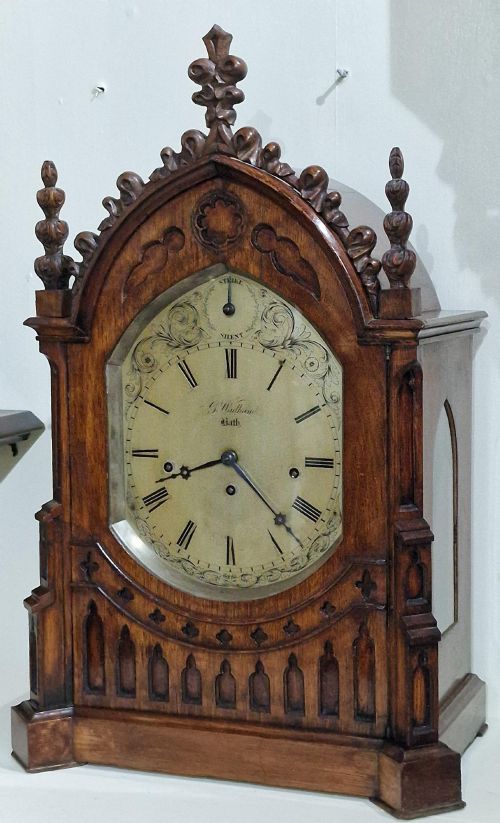
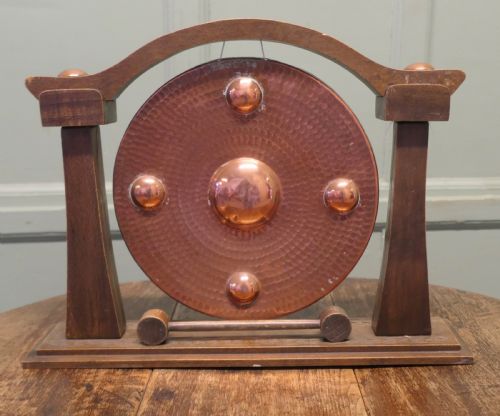
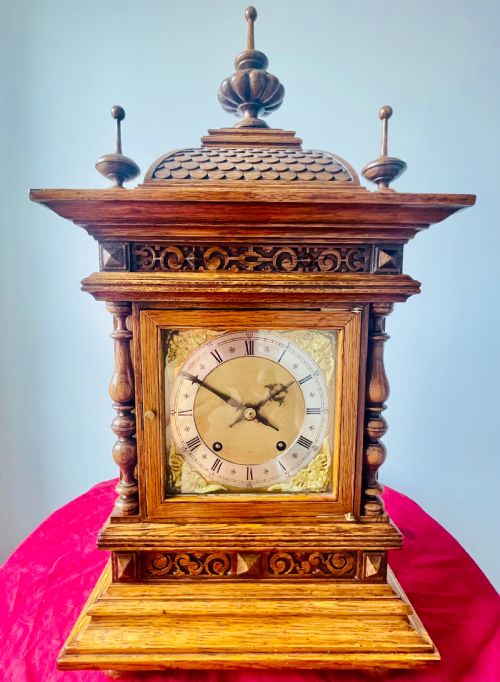
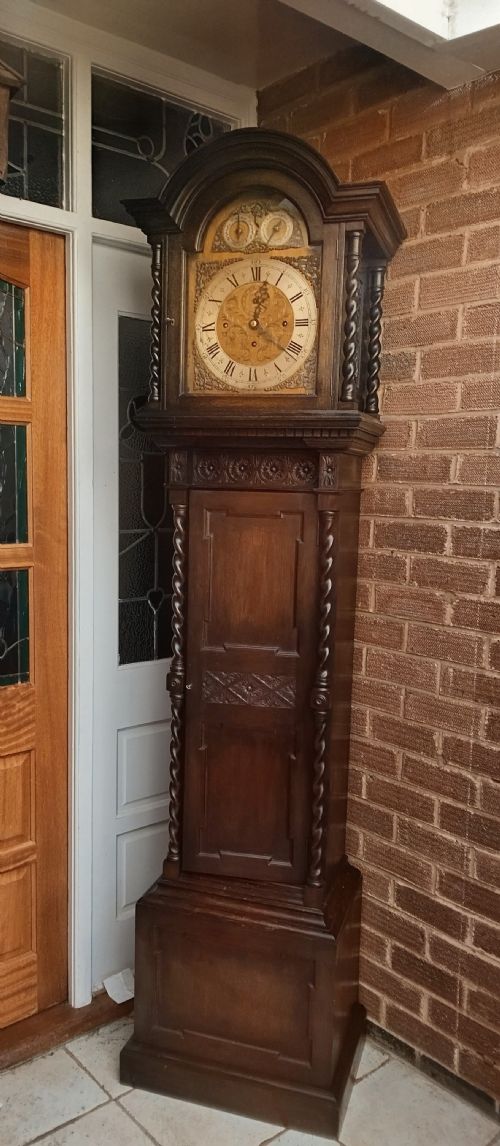
A carved oak chime encompasses timepieces and gongs designed to mark the hours with musical notes or deep resonant strikes. When searching for a carved oak chime, buyers encounter tall grandfather clocks, compact bracket clocks, and table gongs spanning periods from the nineteenth century through the nineteen-thirties.
How they were made
Cabinet makers utilised solid oak to construct architectural cases, employing deep relief carving, turned pillars, and cathedral arches to decorate the timber. Metalworkers shaped brass, copper, and bronze into subsidiary dials, bezels, and tuned bells or resonance tubes.
Horologists fitted mechanical movements driven by weights, springs, or fusee systems to operate the striking trains and carillons. Secondary materials such as glass, leather, horn, and metal components were integrated into dials, suspension systems, and hanging gongs.
Listings span periods from the Victorian era and nineteen-eighties through to nineteen-thirty, incorporating Oak, Brass, Glass, Copper, and Horn.
What varies in quality
The sophistication of the movement dictates the standing of a piece, distinguishing standard striking trains from complex triple fusee mechanisms and multiple-bell carillons. Finer examples display crisply hand-carved oak details, well-cast brass mountings, and uncompromised structural integrity within the timber case.
Proportion and dial execution also separate ordinary production from superior workshop output, particularly where silvered chapter rings and engraved brass faces meet balanced case proportions.
George Wadham·Winterhalder And Hofmeier
The Carved Oak Chime Glossary
- Fusee
- A conical pulley used in clock movements to maintain even tension on the chain or cord as the mainspring unwinds. This mechanism improves timekeeping accuracy across the power reserve.
- Carillon
- A set of tuned bells played by a mechanical pinned barrel or striking train to produce musical melodies. These systems appear in advanced longcase and bracket clocks.
- Gothic Revival
- An architectural and decorative style drawing inspiration from medieval forms, featuring pointed arches, tracery, and heavy carved motifs. This aesthetic heavily influences nineteenth-century oak clock cases and dinner gongs.
- Grandmother clock
- A slender, reduced-scale version of the traditional longcase clock, standing shorter in height. They became popular during the Edwardian period and the early twentieth century.
- Ting-tang
- A two-hammer striking system that sounds two different notes on the quarters before the full hour strike. It is commonly found in boardroom and bracket clocks from the Victorian period.
Carved Oak Chime: Frequently Asked Questions
How do I identify a Victorian oak chime?
Victorian oak chiming pieces often display heavy carving, Gothic Revival motifs, or dark patinated timber finishes. The dials frequently combine brass spandrels with silvered chapter rings and robust mechanical movements.
Examining the construction of the oak case and the style of the brass hardware helps confirm the nineteenth-century origin.
Where were dinner gongs used?
Dinner gongs served a domestic purpose in large country houses and town residences, where they were struck with a mallet to announce meals. They were typically positioned in hallways or dining rooms so the sound carried through the property.
Examples combine carved oak frames with suspended brass or copper gongs, occasionally incorporating cattle horn or metal strikers.
How do grandmother clocks differ from grandfather clocks?
Grandmother clocks are noticeably shorter and more slender than standard grandfather longcase clocks. They were designed to fit domestic spaces with lower ceilings during the early twentieth century.
Despite their reduced proportions, they often house quality eight-day chiming movements and carved oak cases.
What maintenance do these mechanical clocks require?
Mechanical chiming clocks require periodic professional servicing to clean the gear trains, oil pivots, and adjust the striking synchronisation. Winding needs to be carried out regularly according to whether the movement uses a weight, spring, or fusee drive.
Keeping the oak case away from direct heat sources also protects the timber and prevents the movement from going out of beat.