

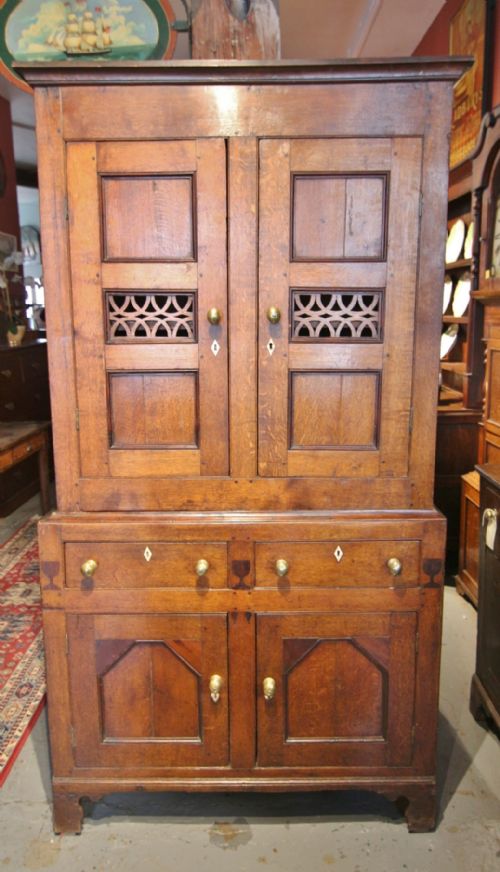
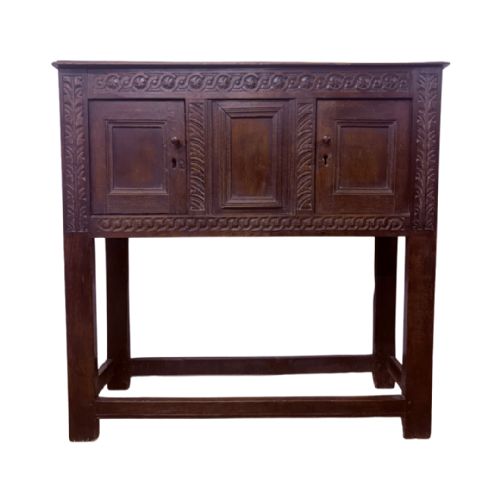
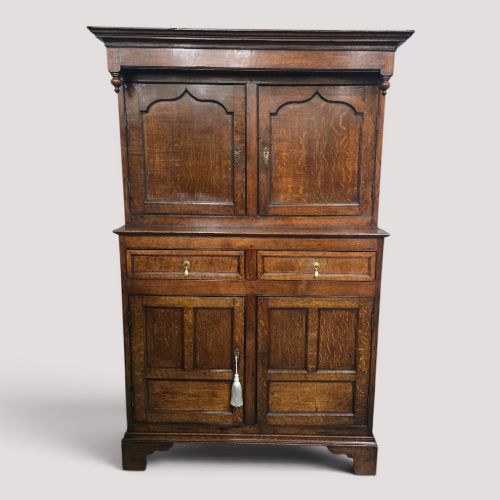
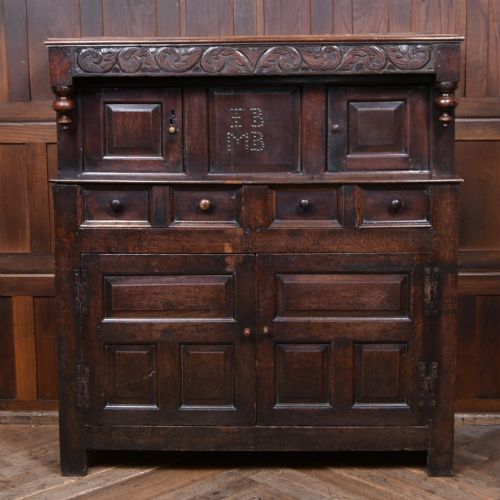




Carved Oak Bread Cupboard
These carved oak bread cupboard examples range from early joined timber to regional Welsh vernacular pieces designed for storing provisions.
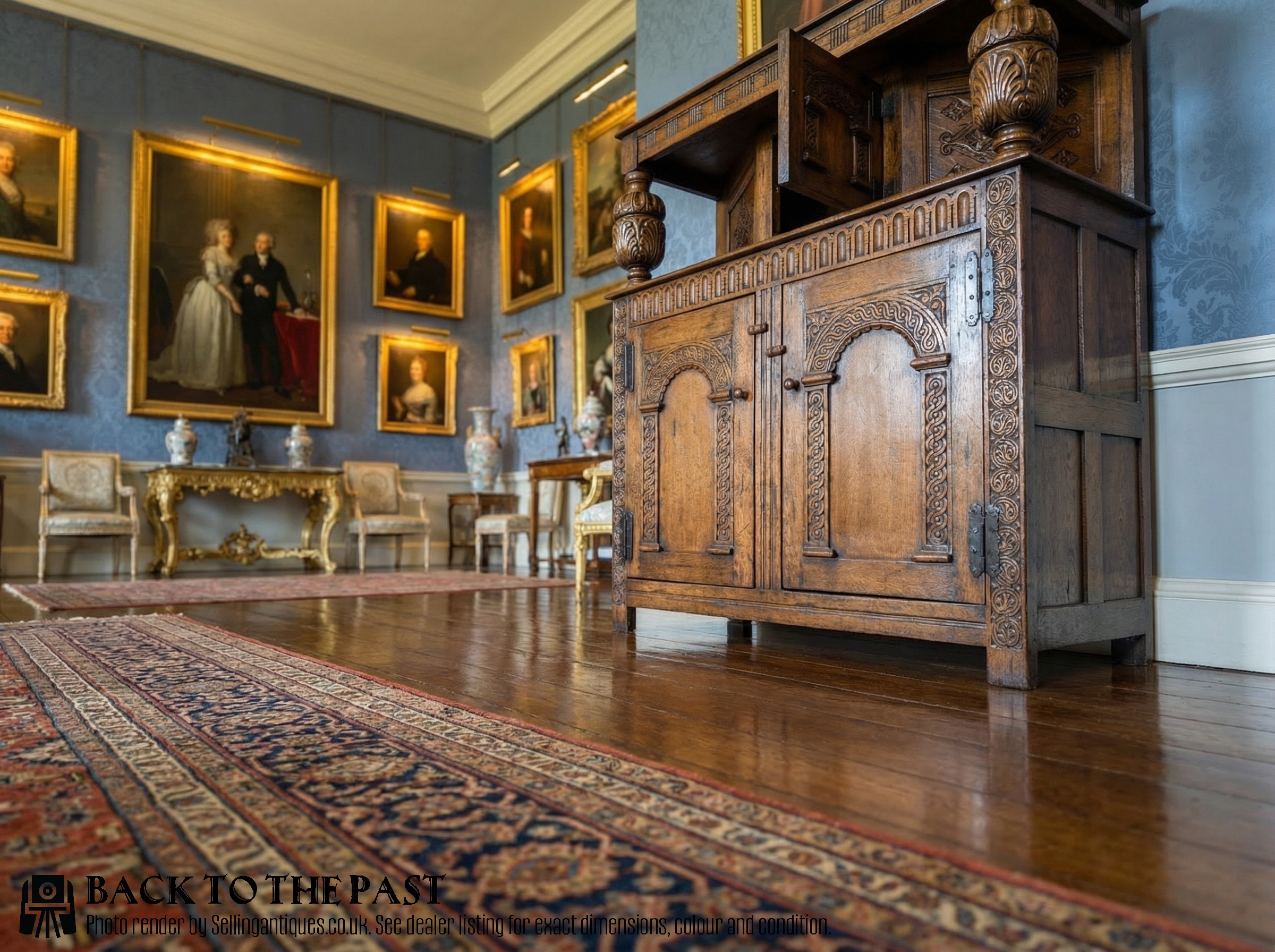
Carved Oak Bread Cupboard
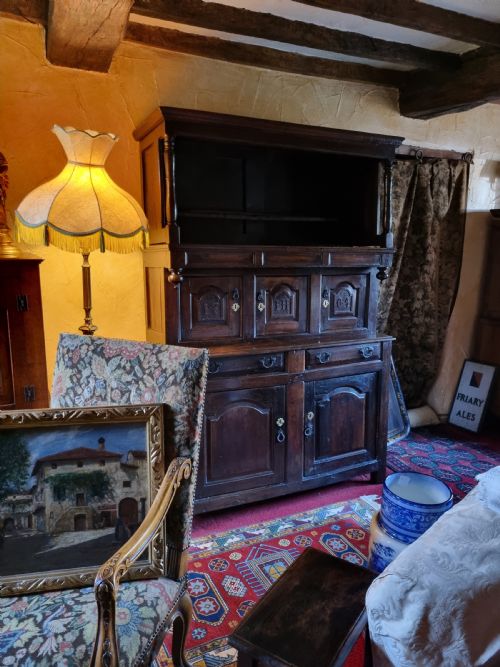
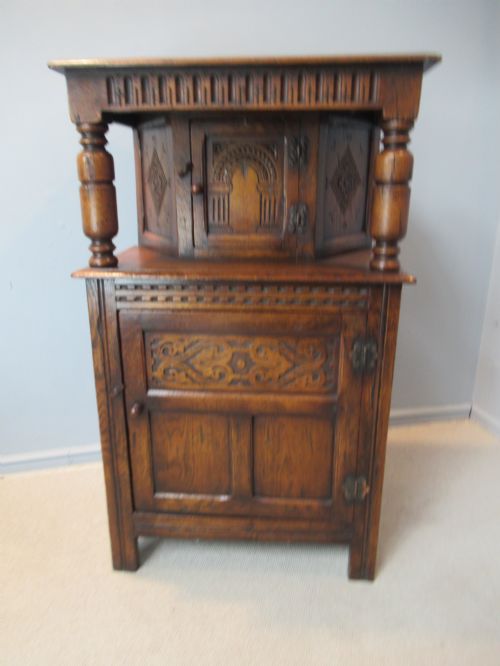
When you search for a carved oak bread cupboard, you encounter substantial storage furniture spanning multiple centuries, with seventeenth-century and eighteenth-century examples forming the core of the selection. These pieces frequently manifest as court cupboards, food cupboards, and regional Welsh forms like the deuddarn.
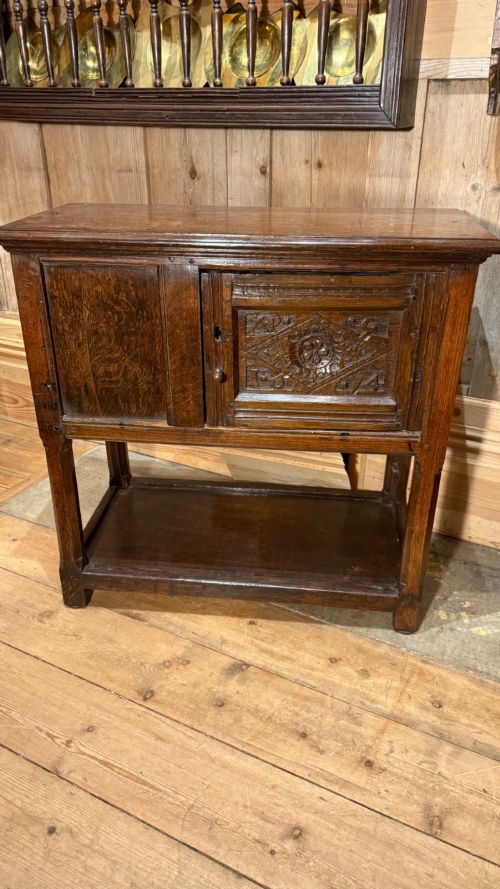
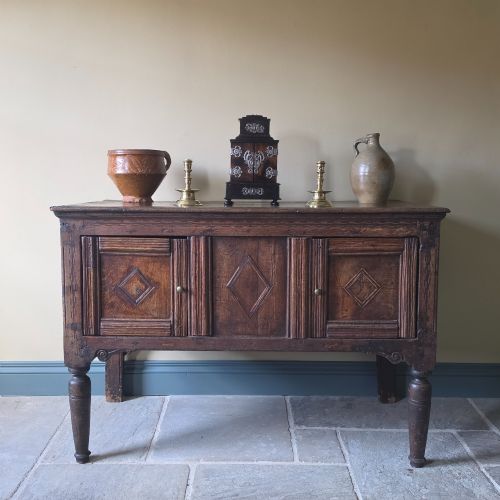
The objects serve primarily for domestic storage, holding food or household goods within heavy timber frames. You are most likely to meet joined oak constructions, often featuring carved panels and enclosed upper and lower compartments.
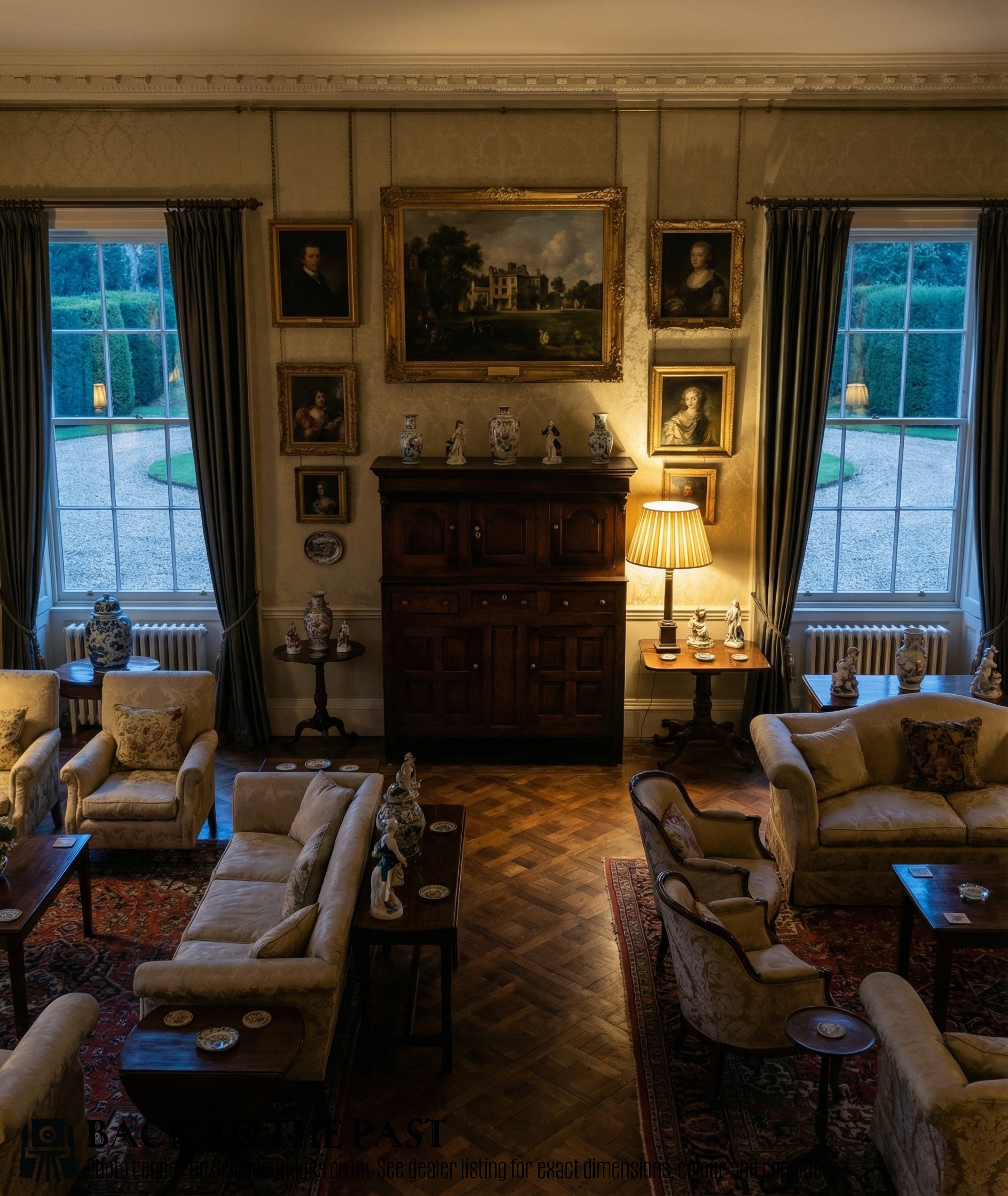
How they were made
The construction relies heavily on English oak and elm, joined using traditional framing techniques and pegged mortise and tenon joints. Carpenters shaped the heavy timber panels using hand tools to create rigid, durable carcases.
Makers incorporated wrought iron and brass for hinges and locks, occasionally adding inlaid wood or bone for decorative contrast on regional Welsh cupboards.
Carved Oak Bread Cupboard Retail Price Guide 2026
Typical asking prices for carved oak bread cupboard among the pieces listed under this phrase on Sellingantiques today, from the lower quarter to the upper quarter. They describe what is for sale here now, not the wider market.
Listings span periods from the sixteenth century through the Edwardian era, predominantly featuring oak, elm, brass, and wrought iron.
What varies in quality
The degree of intricacy in the carved ornamentation dictates much of the distinction between pieces, with deeply carved foliate patterns and crisp mouldings commanding greater attention. The retention of original blacksmith hardware, such as locks and hinges, alters the integrity of a piece.
Proportion and scale also define the hierarchy, ranging from miniature furniture and small wall cabinets up to large multi-tiered court cupboards. The purity of the timber surface and the preservation of the original joined structure determine the overall character.
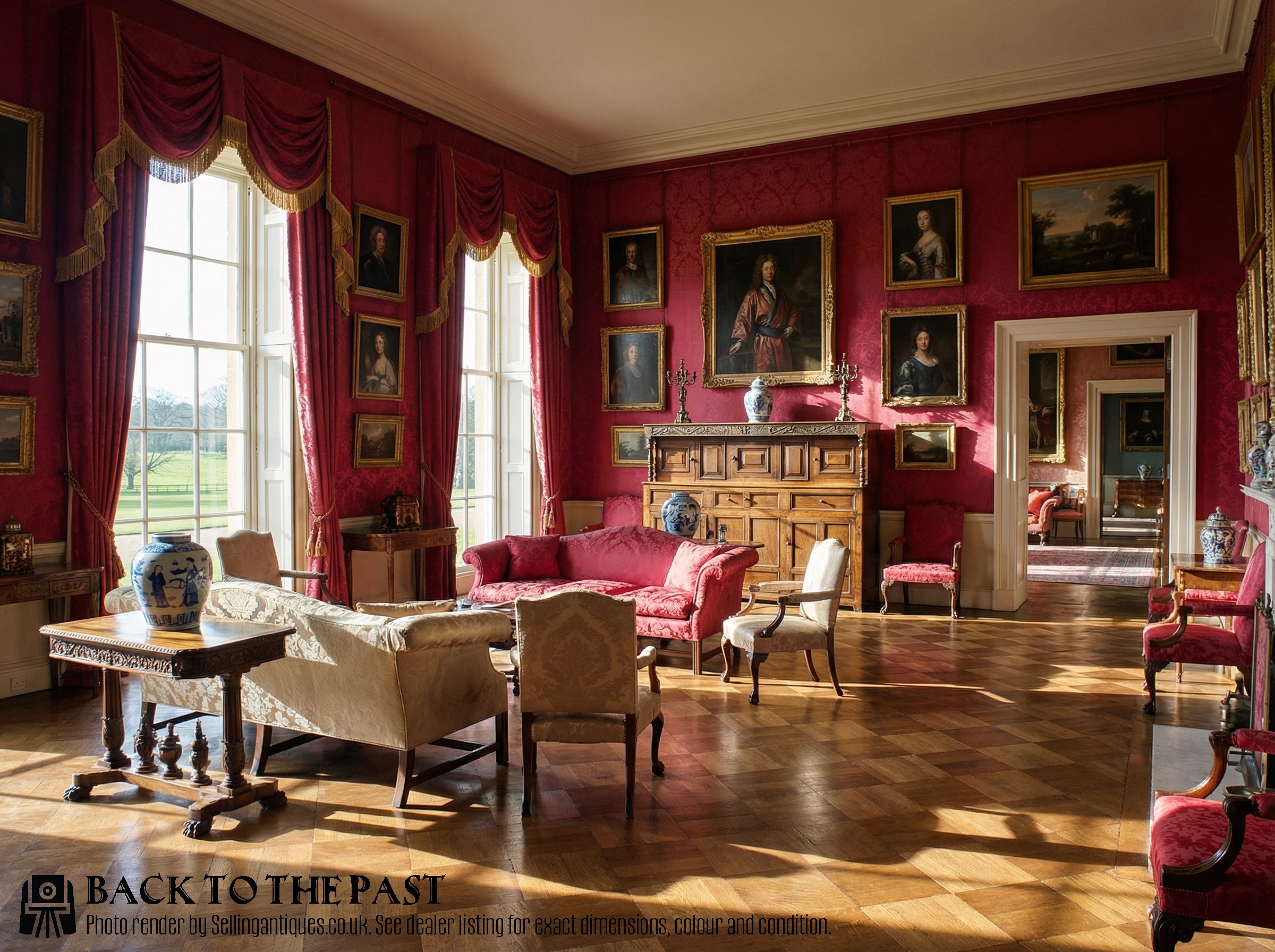
The Carved Oak Bread Cupboard Glossary
- Court cupboard
- An antique open-backed or enclosed storage cabinet, typically constructed in two stages with recessed upper tiers. These forms dominated seventeenth-century English and Welsh domestic interiors.
- Deuddarn
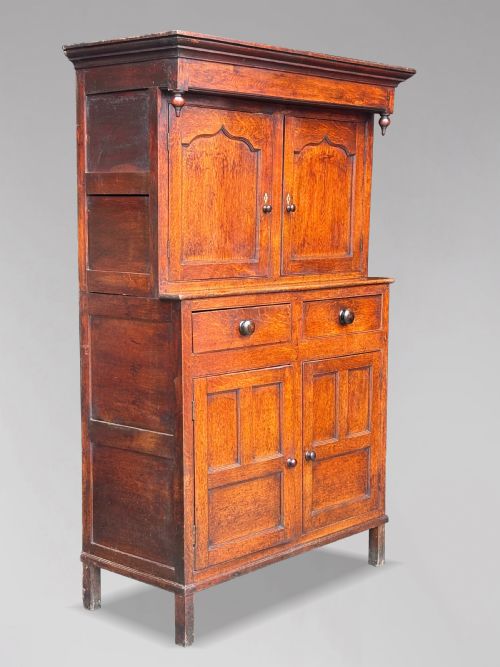
- A traditional Welsh two-part cupboard featuring enclosed lower and upper compartments. Regional makers produced these distinct pieces from local oak.
- Joined cupboard
- A piece of furniture built using frame and panel construction secured by wooden pegs rather than simple nailed boards. This technique provided superior stability for heavy timbers.
- Livery cupboard
- A small wall-mounted or standing cabinet utilised for storing rations, candles, or small provisions. The term derives from the distribution of provisions in large households.
- Tridarn
- A three-tier Welsh cupboard incorporating an open display middle section beneath an enclosed top. These represent larger vernacular storage forms.
Carved Oak Bread Cupboard: Frequently Asked Questions
What is a court cupboard?
A court cupboard is a sturdy two-tier wooden storage unit designed for domestic interiors. These pieces provide enclosed compartments for household goods and provisions.
Carpenters built them using joined oak frames, frequently incorporating carved panels and recessed upper sections. They served as prominent furniture in seventeenth and eighteenth-century homes.
How do I identify Welsh oak cupboards?
Welsh oak cupboards often appear as deuddarn or tridarn forms, distinguished by regional construction traits. Makers utilised local oak and sometimes incorporated inlaid wood or bone details.
These regional pieces display distinct proportions and vernacular carving styles that separate them from standard English court cupboards of the same eras.
How were these cupboards used?
These cupboards functioned primarily as storage for food, bread, cheese, and household items. The enclosed compartments protected provisions from pests and damp environments.
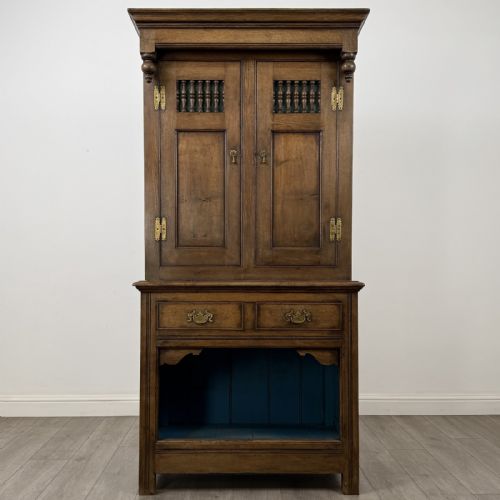
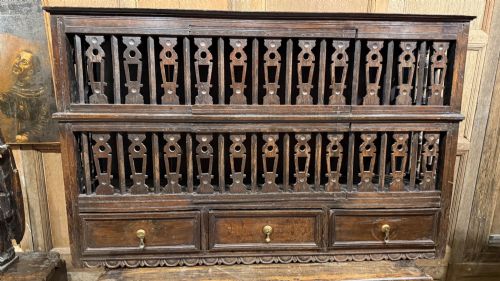
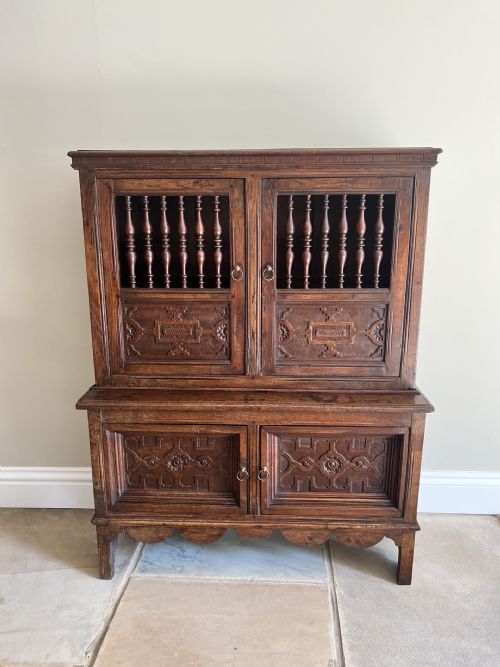
Many examples feature perforated panels or turned spindles to allow ventilation for stored food items while keeping interiors secure.
What distinguishes seventeenth-century oak furniture?
Seventeenth-century oak furniture relies on heavy joined construction with pegged tenons and dense English timber. Carvers applied geometric strapwork and floral motifs directly onto the structural members.
Surviving examples from this era display patinated surfaces developed through centuries of exposure and maintenance.