




Carved Italian Coffer
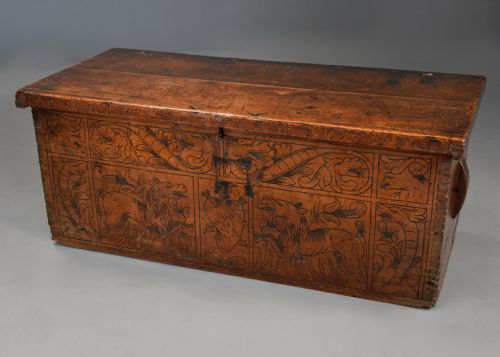
A carved italian coffer brings centuries of history and robust storage into a room, offering deep timber construction shaped by master hands.
Carved Italian Coffer
A carved italian coffer functions primarily as a substantial storage chest or marriage chest, often referred to historically as a cassone. Buyers seeking a carved italian coffer encounter pieces shaped from dense hardwoods intended to hold valuables, linens, or dowry items.
The pieces appearing on this page span several centuries, reaching from the sixteenth century through the nineteenth century. Walnut and cedarwood predominate among the surviving examples, alongside pine, cypress, and painted wood.
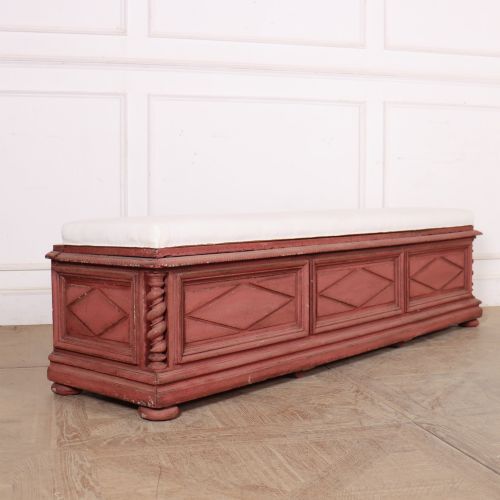
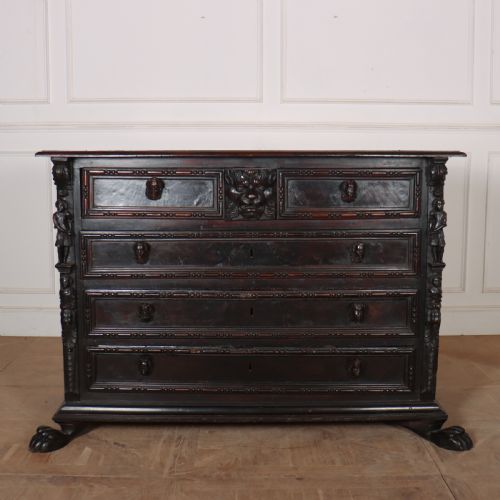
Makers fashioned these chests in styles ranging from Italian Renaissance and Gothic to Baroque, Neoclassical, and folk art. Alongside traditional coffers, related forms such as hall benches, settles, and commodes occasionally appear.
How they were made
Joiners and carvers utilised solid timbers such as walnut, cedarwood, and cypress to build the primary structure of each coffer. Iron fittings and heavy hinges provided functional security and structural reinforcement to the heavy lids and sides.
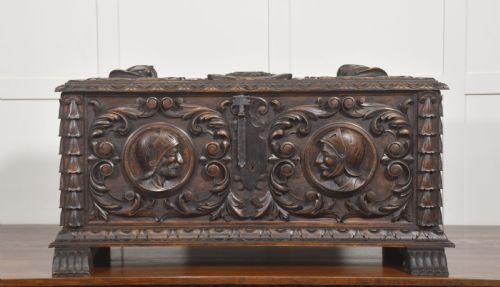
Surface ornamentation relied on deep chisel work, figural medallions, and gilding applied directly to the timber. Certain examples feature tempera paint or decorative painted finishes over wood, reflecting regional folk traditions.
Several marriage chests include hidden internal compartments designed for secret dowry ledgers and tiny trinkets.
What varies in quality
The depth and clarity of the chisel work define the visual distinction between individual examples. Crisp figural medallions and well-preserved surface patinas elevate a piece above simpler vernacular items.
The choice of primary wood influences longevity and appearance, with dense woods like walnut and cedarwood holding intricate carving with greater sharpness than softer timbers.
The Carved Italian Coffer Glossary
- Cassone
- A traditional Italian chest or coffer, often decorated with carving or painting and made for a marriage dowry. These large receptacles sat against walls and doubled as seating.
- Medallion
- A circular or oval decorative panel enclosing a carved figure or motif. Carvers set these into the front panels of furniture.
- Gilt
- Covered thinly with gold leaf or gold paint to highlight carved details. This treatment caught candlelight in historic interiors.
- Tempera
- A permanent fast-drying painting medium consisting of coloured pigment mixed with a water-binder. Artisans utilised this for decorative surfaces on wooden chests.
- Commode
- A low chest of drawers or cabinet introduced in later periods. Examples in walnut reflect domestic storage needs.
Carved Italian Coffer: Frequently Asked Questions
What did they store inside?
Families utilised these heavy chests to safeguard valuable textiles, wedding linens, and household documents. The deep interiors protected contents from dust and pests.
Smaller compartments inside sometimes held personal items or small valuables away from the main chamber.
How do I place one in a modern room?
A large coffer functions effectively as a focal point beneath a window or along a wide hallway wall. The flat top surface accommodates lamps, books, or decorative objects.
Pairing the dark timber with plain walls allows the historic carving to stand out clearly.
How do I distinguish a Renaissance piece from a later revival?
Early sixteenth and seventeenth-century items display hand-cut joinery and dense walnut or cedarwood with deep, heavy patination. The carving methods reflect period tool marks rather than later mechanical production.
Nineteenth-century revival pieces often replicate these forms using similar woods, but show distinct tool patterns and construction methods upon close inspection.
Why are some painted while others show bare wood?
Regional workshops decorated chests according to local customs and the intended setting within the home. Painted surfaces often incorporated tempera paint and gilding for festive marriage chests.
Plain walnut and cedarwood relied entirely on the natural grain and deep relief carving for visual impact.