



Antique Italian Bench
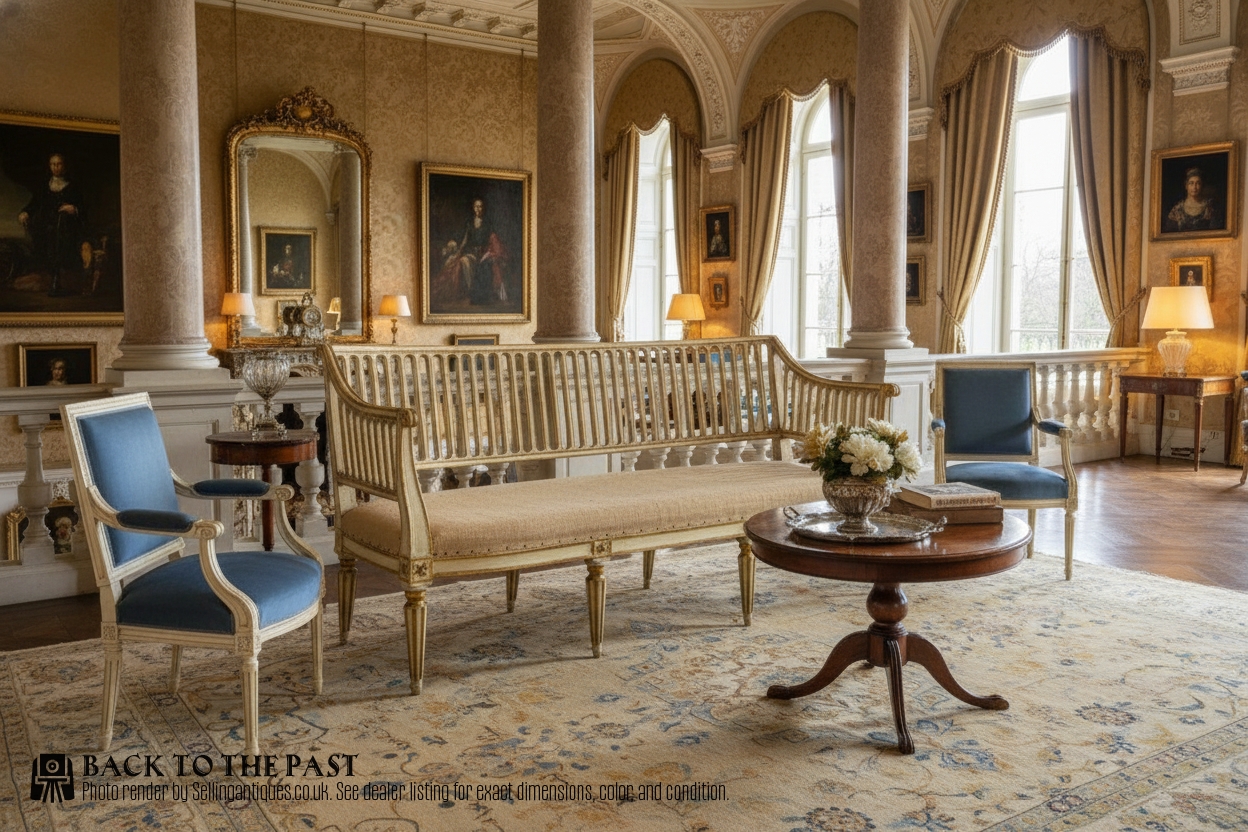
An antique Italian bench brings grand architectural presence and rich regional character into a hallway or reception room.
Antique Italian Bench
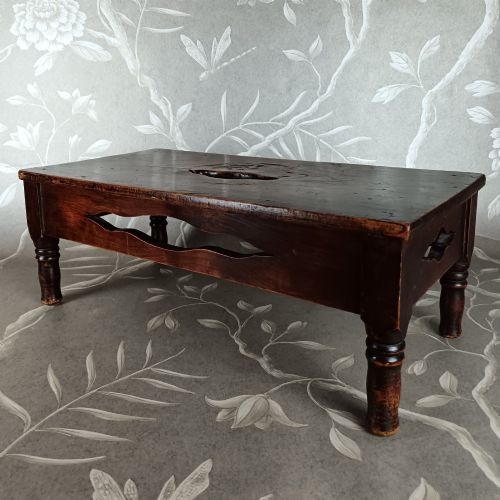
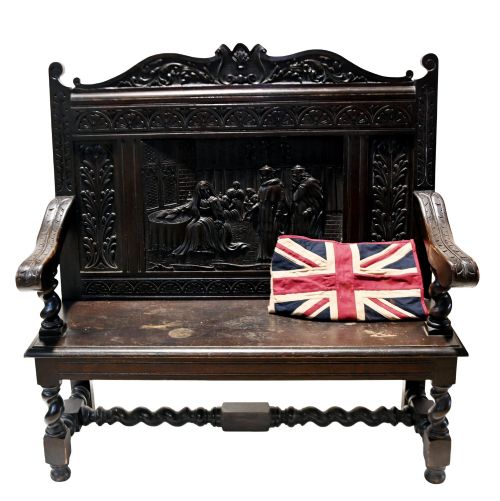
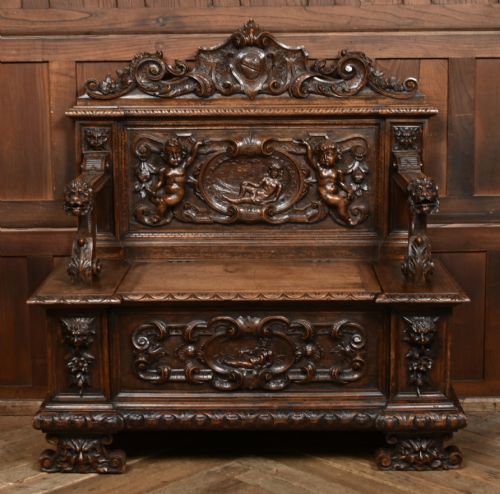
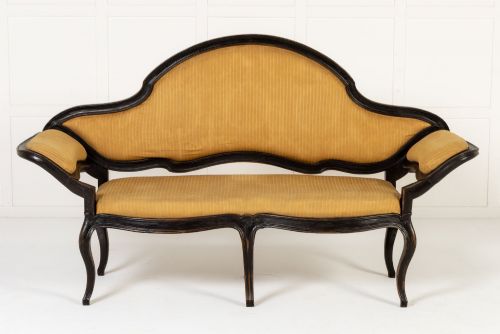
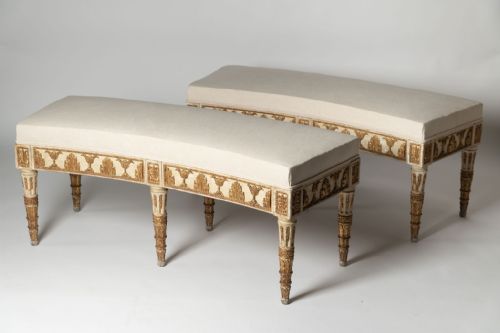
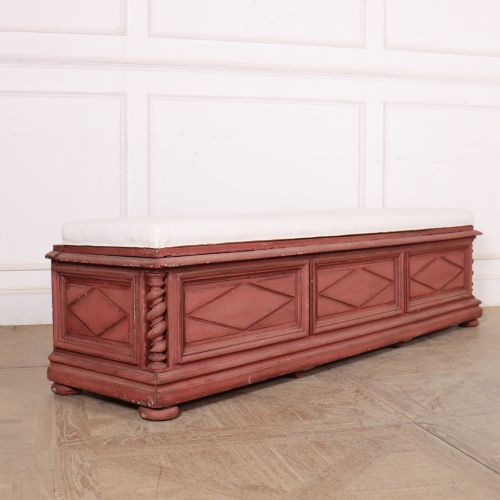
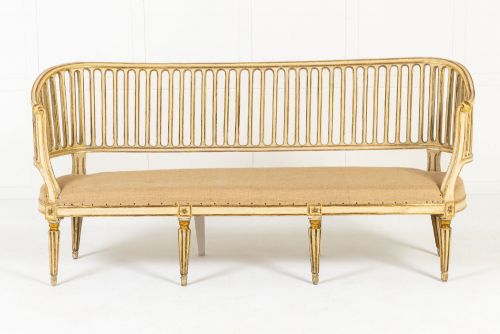
When searching for an antique Italian bench, buyers encounter a diverse array of seating forms originating from various regions and centuries. The selection ranges from robust walnut cassapancas to elaborately carved giltwood settees, Venetian polychrome sofas, and smaller X-framed or curule stools.
The materials span from solid walnut and oak to painted and gilded wood, gesso, pine, and leather. Stylistic influences traverse the Renaissance Revival, Baroque, Rococo, and Neoclassical periods, reflecting the shifting tastes of Italian cabinetmakers across the eighteenth and nineteenth centuries.
Cassapancas and hall benches dominate the larger seating options, often featuring hinged seats with storage compartments beneath. Smaller forms include window seats, footstools, and gondola chairs, providing versatile seating solutions for grand interiors or domestic settings.
Materials and construction methods
Walnut serves as the primary timber for substantial pieces, often deeply carved by hand to create intricate foliate motifs and architectural framing. Artisans also utilised pine, oak, and mixed woods, frequently applying gesso to create smooth surfaces suitable for gilding or polychrome painting.
Decorative finishes define many examples, utilising gold leaf, polychrome pigments, and painted details to emulate richer materials. Upholstery traditions incorporate fabric, linen, leather, and needlework insertions, secured with traditional methods onto robust wooden frames.
Antique Italian Bench Retail Price Guide 2026
Typical asking prices for italian bench among the pieces listed under this phrase on Sellingantiques today, from the lower quarter to the upper quarter. They describe what is for sale here now, not the wider market.
Listings feature walnut, painted wood, giltwood, and leather across the 18th and 19th centuries.
Evaluating craftsmanship and condition
The distinction between ordinary and exceptional pieces lies principally in the depth and crispness of the hand carving. Master carvers executed intricate details with a precision that elevates the visual weight of walnut or giltwood frames.
Original surface treatments determine a piece's authenticity and appeal, where untouched polychrome paint or aged patination holds greater merit than later overpainting. Structural integrity, particularly in hinged cassapanca lids and joint construction, also separates standard workshop output from superior examples.
The Antique Italian Bench Glossary
- Cassapanca
- A traditional Italian wooden bench with a back, armrests, and a large storage chest integrated beneath the seat. This form frequently utilised solid walnut and served both functional and decorative roles in grand halls.
- Curule
- An ancient Roman shape of stool characterised by intersecting curved legs forming an X-shape. Italian Neoclassical makers revived this classic form for decorative giltwood and walnut seating.
- Gesso
- A plaster-like mixture applied to wood surfaces to prepare them for painting or gilding. It provides a smooth base that artisans carved or built up to receive gold leaf.
- Polychrome
- Decorated in multiple colours, often applied to wood or gesso surfaces. Venetian pieces frequently employed this technique to create lively floral or pastoral scenes.
- Settee
- A medium-sized upholstered wooden bench with a back and armrests. These pieces appeared across Rococo and Neoclassical styles with decorative painted or carved frames.
Antique Italian Bench: Frequently Asked Questions
What is a cassapanca bench?
A cassapanca is a traditional Italian wooden bench that combines a seating area with a large storage chest built into the base.
These substantial pieces usually feature carved walnut and were traditionally placed in grand entryways or halls.
Where were these benches placed?
Historically, large benches and settees stood in Palazzo hallways, reception rooms, and grand corridors.
Smaller stools and window seats found placement in private chambers, salons, and alcoves.
How do I care for antique wood?
Protect wooden surfaces from direct sunlight and maintain stable indoor humidity to prevent the timber from splitting.
Dust gently with a dry cloth and avoid harsh chemical polishes that might degrade historic finishes.
How can I tell the period?
Stylistic indicators such as Rococo curves, Neoclassical symmetry, and Renaissance Revival motifs point toward specific eras.
Examining construction techniques, joinery, and the wear of the walnut or painted surface helps confirm age.