
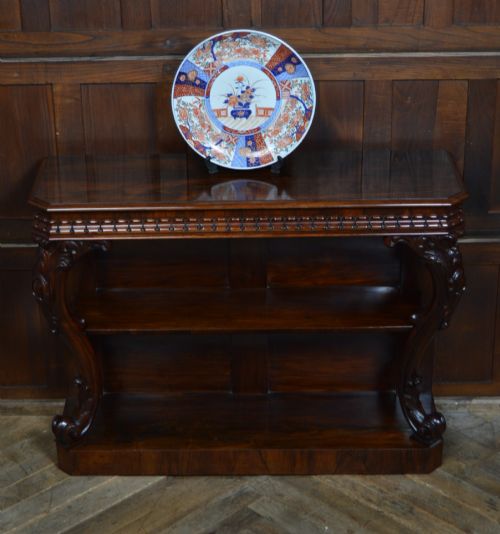


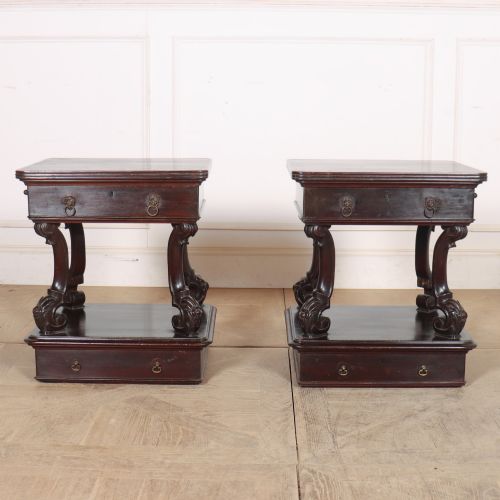
Carved Irish Furniture
Carved irish furniture brings substantial timber, deep surface enrichment and a distinct regional scale into a room.
Carved Irish Furniture
When you search for carved irish furniture, you encounter seating, tables, and case pieces originating mainly across the eighteenth and nineteenth centuries.
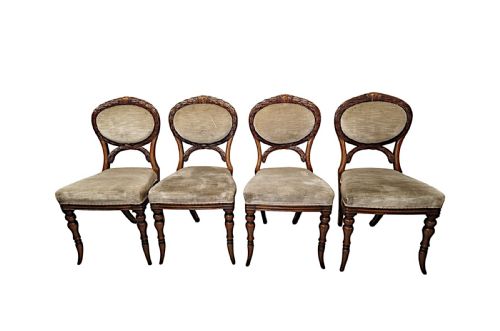
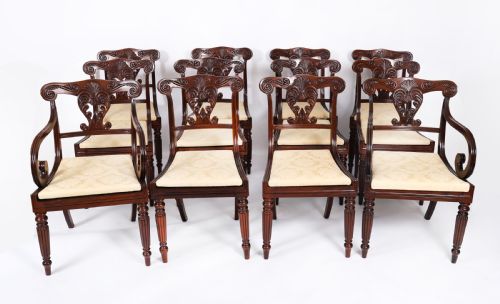
The versions you meet most frequently on this page span Georgian dining chairs, console tables in mahogany or rosewood, and occasional pieces shaped from walnut and oak.
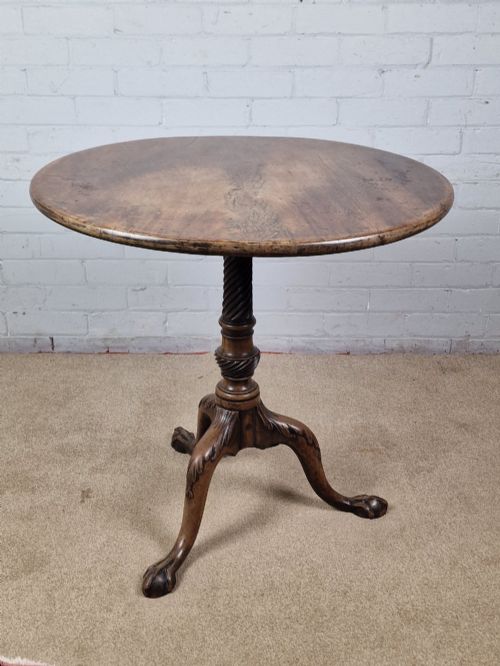
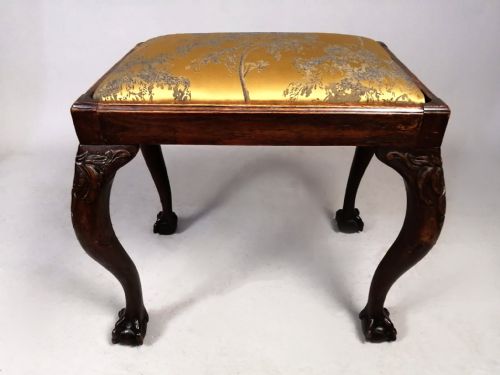
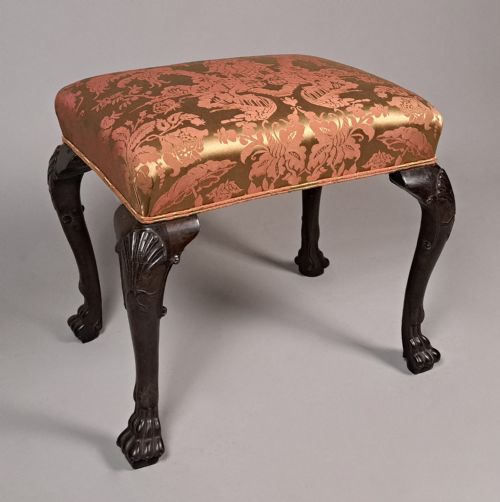
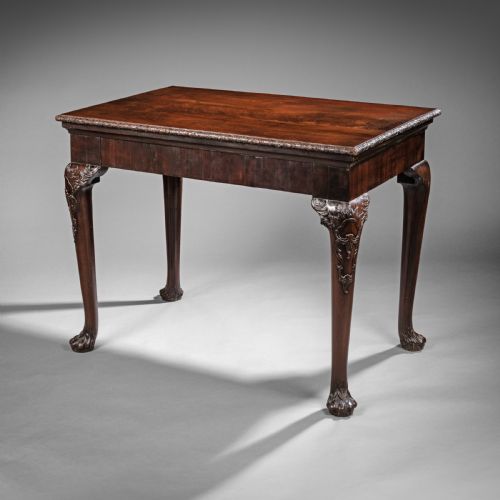
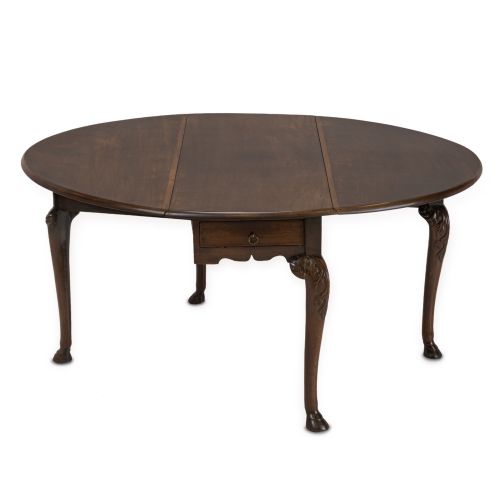
Regional cabinet-making traditions show through in robust proportions, confident leg carvings like hoof feet on cabriole supports, and distinctive local timbers.
How they were made
Cabinet-makers relied heavily on dense hardwoods, employing mahogany, walnut, rosewood, and oak for structural integrity and carved detail.
Secondary materials such as brass fittings, leather inserts, silk, and fabric upholstery complete the construction of chairs, tables, and desks.
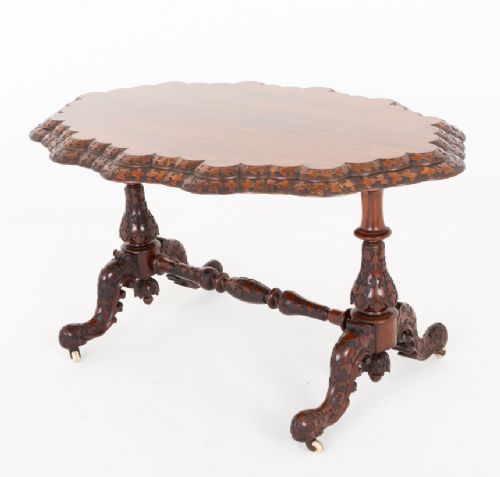
Carving was applied directly to the solid timber framework of consoles, footstools, and library tables, often accented with giltwood on mirrors and decorative mounts.
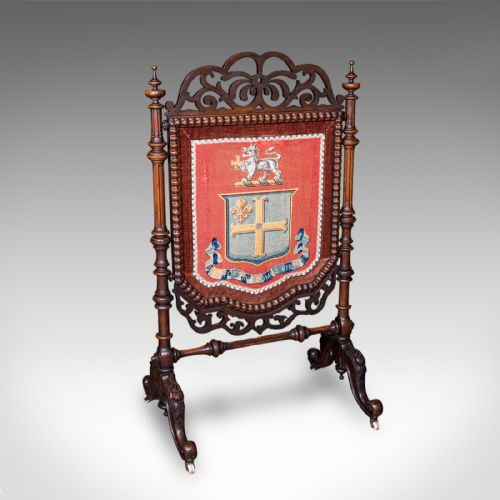
Materials span solid oak and cedar alongside luxurious rosewood, brass, and embroidered needlepoint panels.
What varies in quality
The sharpness and depth of the carved enrichment separate simpler items from pieces produced by major urban workshops.
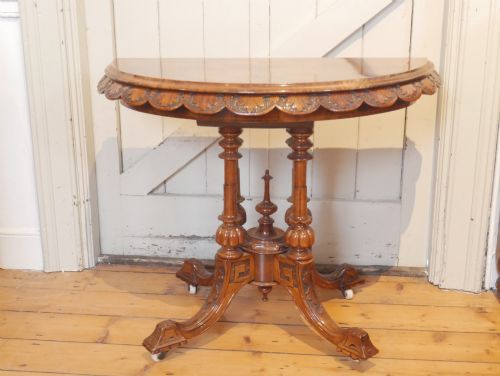
Timber selection dictates the visual weight, with well-figured burr walnut and rich mahogany achieving superior surface presence.
Structural ambition, such as large library tables, cellarettes, and multi-piece dining sets, demonstrates the maker's technical confidence.
Strahan·Williams and Gibton·Butlers of Dublin·Hicks of Dublin·Gillingtons of Dublin
The Carved Irish Furniture Glossary
- Cabriole leg
- A furniture leg that curves out and then in, resembling the leg of an animal. It typically terminates in a hoof, paw, or pad foot.
- Cellarette
- A lockable container used for storing wine bottles near the dining table. They often feature lead linings and robust foot supports.
- Console table
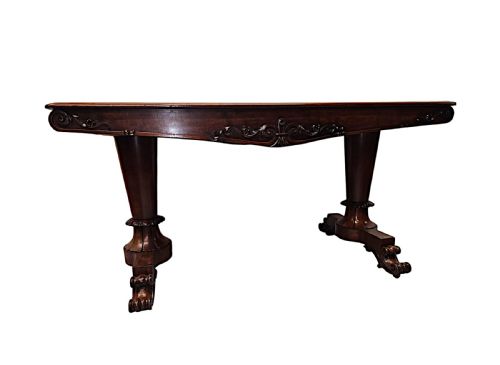
- A table designed to be fixed against a wall, frequently supported by carved legs or brackets. These pieces often serve grand entrance halls or reception rooms.
- Tea poy
- A small box or chest mounted on a stand, designed for storing loose tea leaves. They appear in Regency and Victorian interiors.
- Tilt top table
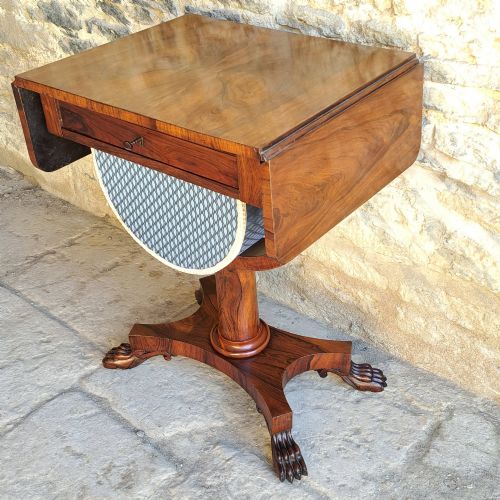
- A table with a hinged top that folds flat vertically when not in use. This mechanism allowed tables to be stored against walls to save floor space.
Carved Irish Furniture: Frequently Asked Questions
How do I identify irish furniture?
Irish pieces often display heavier proportions, bolder carving motifs, and specific regional timbers compared to their English counterparts. Look for deep undercutting on cabriole legs and distinctive local secondary woods.
Maker stamps or workshop labels found on rails or drawers provide definitive confirmation of Dublin origin.
Where should I place a console table?
Console tables suit entrance halls, drawing rooms, or long corridors where surface space is required against a wall. Their decorative carved fronts make them strong focal points upon entering a space.
Pronounced legs and heavy timber tops mean they require solid wall anchoring for absolute stability.
How do I care for antique mahogany?
Keep wooden surfaces away from direct heat sources and strong sunlight to prevent the timber from drying out or fading. Regular dusting with a dry cloth maintains the natural sheen of the polish.
A light application of traditional wax preserves the grain without building up heavy chemical layers.
What is a tea poy used for?
Tea poys served as secure storage containers for expensive tea leaves during the Georgian and Victorian periods. Inside compartments kept different varieties separated before tea was blended.
Today they function well as small decorative stands or occasional boxes in a sitting room.