

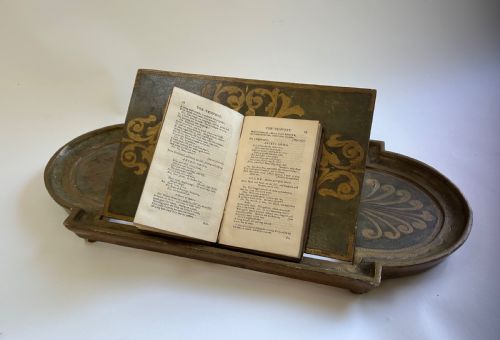


Carved Giltwood Stand
A carved giltwood stand brings brilliant metallic warmth and ornate hand-carved detail to a room, ranging from grand torchères to elegant side tables.
Carved Giltwood Stand
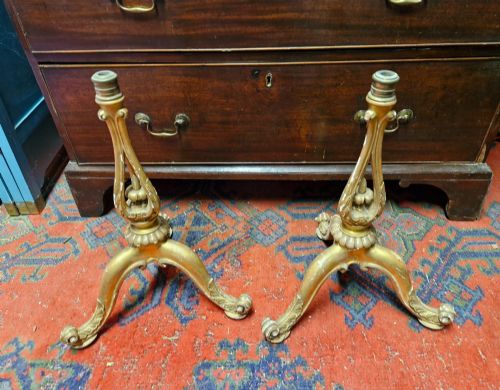
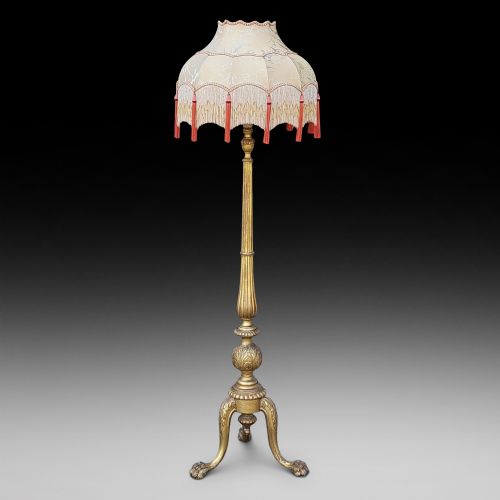
A carved giltwood stand encompasses a variety of elevated furnishings designed to display decorative objects, hold lighting, or provide surface space. The selection spans standard lamps, floor lamps, pedestals, and torchères.
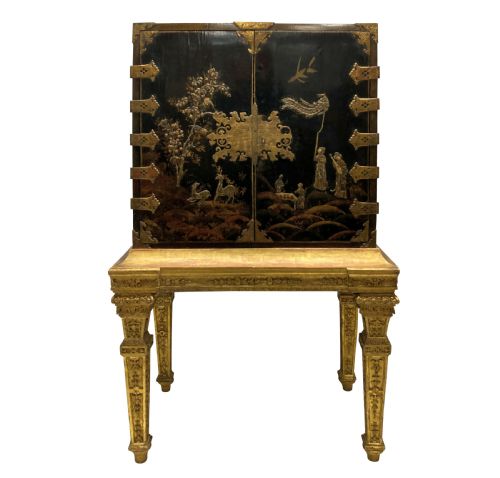
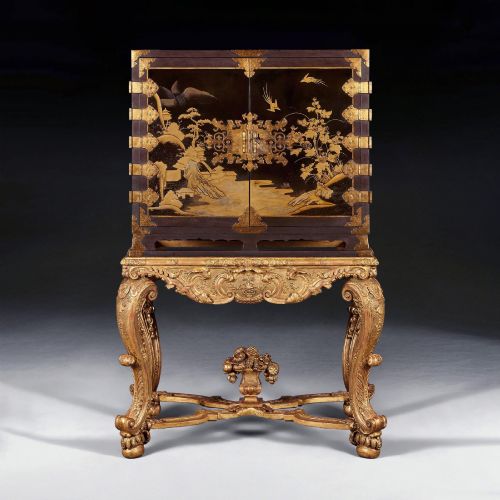
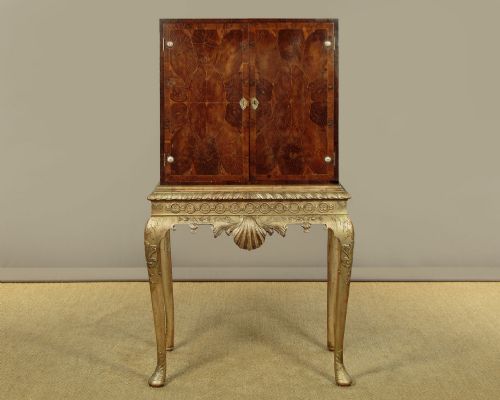
Most examples originate from the nineteenth and early twentieth centuries, drawing heavily on Italian Baroque, French Rococo, and Neoclassical design vocabularies. Cabinets on stands also appear, combining lacquered or wood bodies with gilded supports.
How they were made
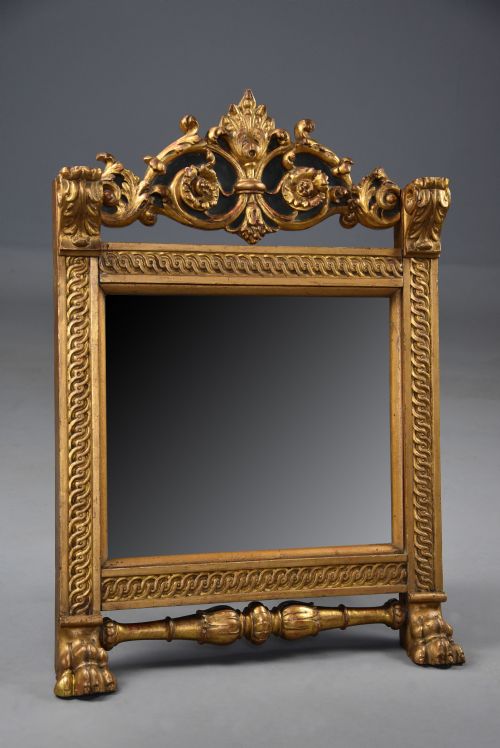
Construction relies primarily on carved wood, with gesso applied to smooth the surface before guilding. Artisans then laid gold leaf or used silver gilt and polychrome highlights to achieve a brilliant metallic finish.
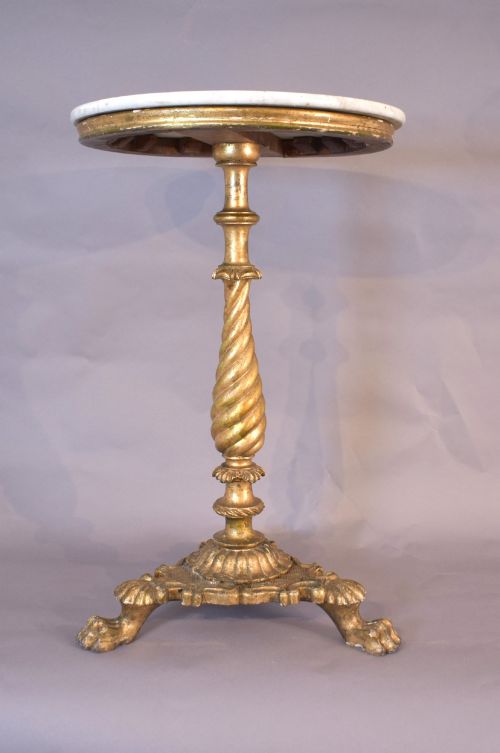
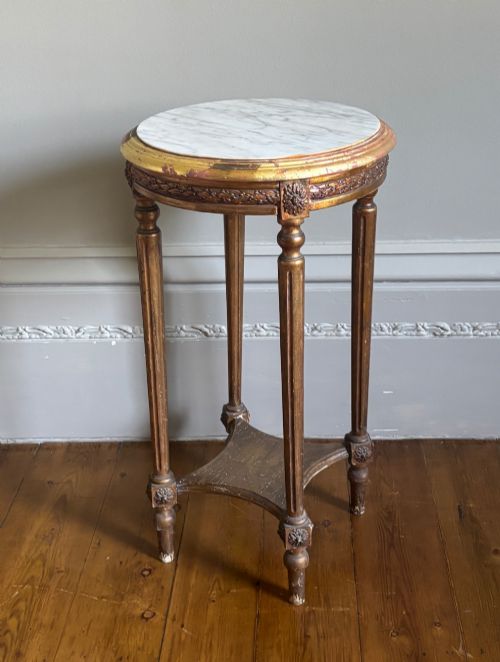
Some pieces incorporate contrasting materials like inset marble tops, glass panels, cane work, or fabric details, adding textural variety to the gilded wooden frameworks.
Listings feature items spanning from the seventeenth century through the early twentieth century, utilising materials like marble, glass, and cane alongside gesso and gold leaf.
What varies in quality
The depth and crispness of the hand-carved detail separate ordinary examples from superior ones, particularly in foliage, scrollwork, and figural motifs. Crisp undercut carving shows superior craftsmanship compared to soft or moulded ornament.
The application and preservation of the gold leaf or gesso foundation determine the visual richness of the surface. Intact original gilding with natural ageing holds greater aesthetic harmony than heavy overpainting.
The Carved Giltwood Stand Glossary
- Giltwood
- Wood that has been coated with gold leaf or gold dust. This finish creates the characteristic bright metallic sheen seen across the frames and furniture.
- Gesso
- A plaster mix applied to wood surfaces as a preparation layer. It provides a smooth base for subsequent gilding and carved detail.
- Torchère
- A tall ornamental stand designed to hold a light or candle. These elevated supports often feature slender legs and elaborate carved motifs.
- Triform
- Having three sides or a three-legged base structure. This geometric arrangement frequently supports pedestals and floor lamps.
Carved Giltwood Stand: Frequently Asked Questions
Where should I place a carved giltwood stand?
These stands suit reception rooms, hallways, and corners where their height and metallic finish can catch the light. They function effectively as independent sculptural accents or as functional surfaces for lamps and decorative objects.
Ensure they sit away from heavy foot traffic to protect delicate gilding and carved projections from accidental knocks.
How do I clean a gilded wooden surface?
Dust the piece gently with a dry, soft brush or a clean microfiber cloth. Avoid using water, household detergents, or chemical polishes, which can strip or damage the delicate gold leaf.
Professional restoration is recommended if the gesso or gilding shows signs of flaking or detachment.
Are these stands suitable for holding heavy items?
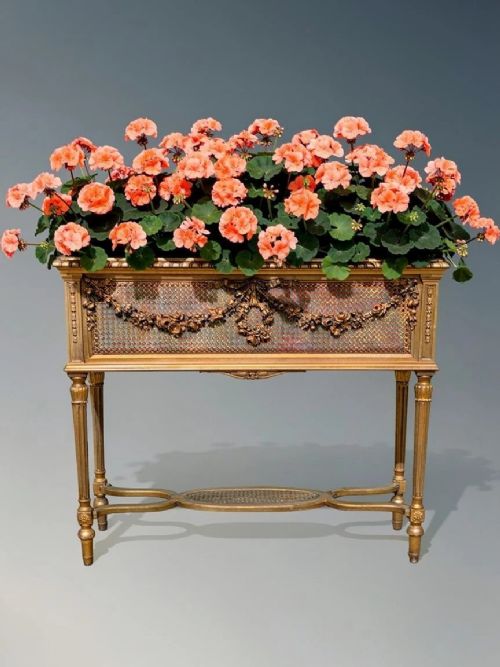
Most standard lamps, torchères, and plant stands are engineered to support specific moderate weights like table lamps, urns, or jardinières. Heavy marble tops or thick wooden shelves provide stable bases where fitted.
Check the base footprint and structural balance before placing top-heavy objects on slender tripod or pedestal designs.
How can I tell the period of a gilt stand?
Dating relies on stylistic clues such as the symmetry of Rococo revival curves versus the geometric restraint of Neoclassical Adam or Louis XVI styles. Examination of the underlying wood, gesso preparation, and wear patterns on the gold leaf helps indicate age.
Nineteenth-century interpretations often revive seventeenth and eighteenth-century Baroque or Venetian motifs with distinct manufacturing techniques.