


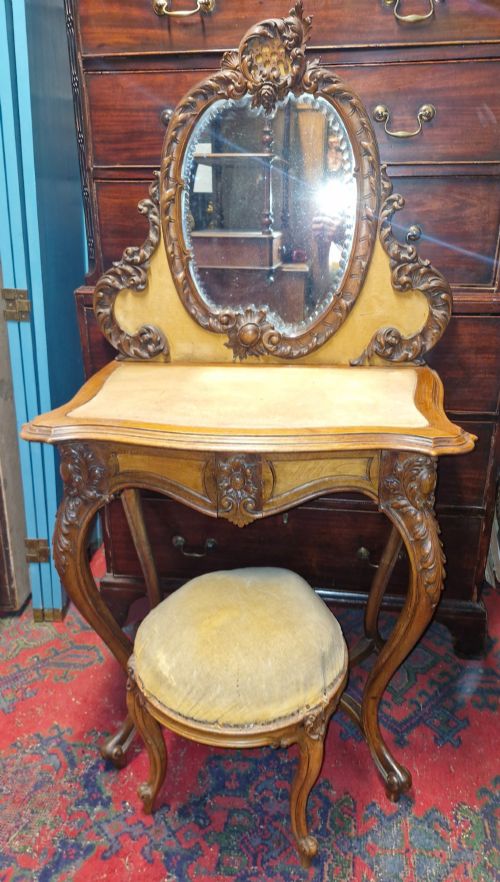
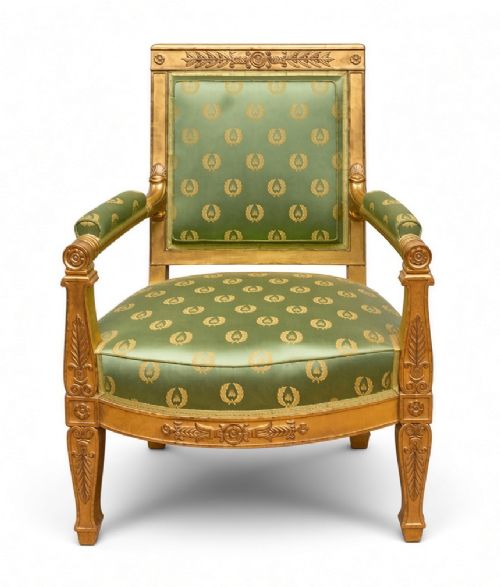
Carved French Furniture
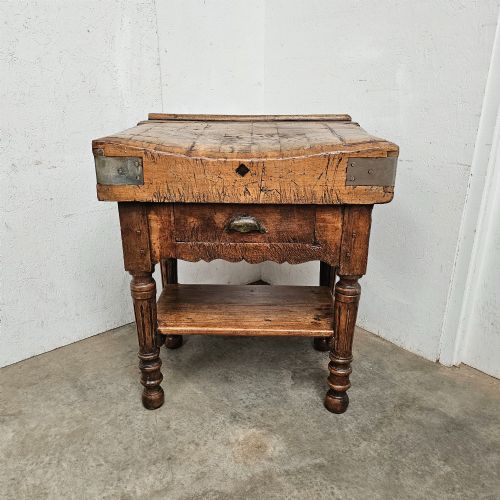
These pieces of carved french furniture bring ornate woodwork and formal historical styles straight into domestic rooms.
Carved French Furniture
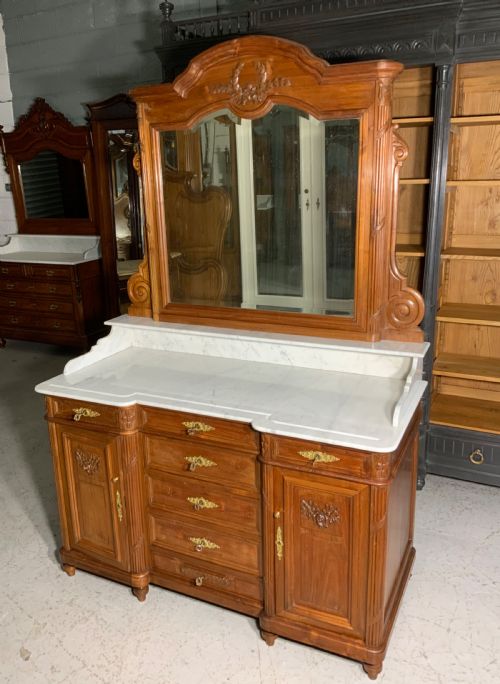
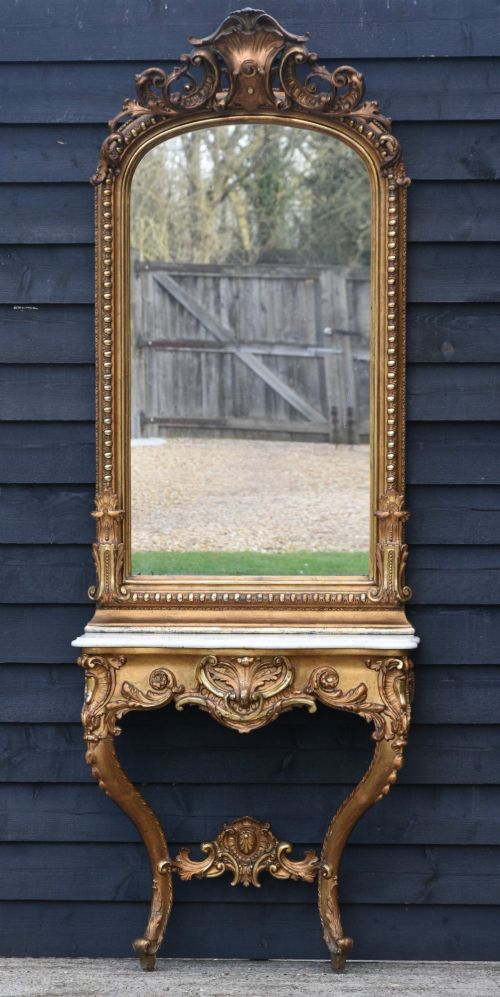
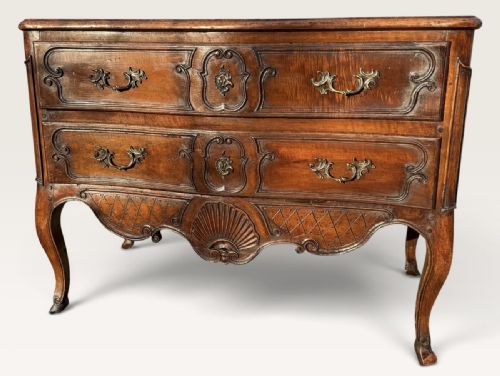
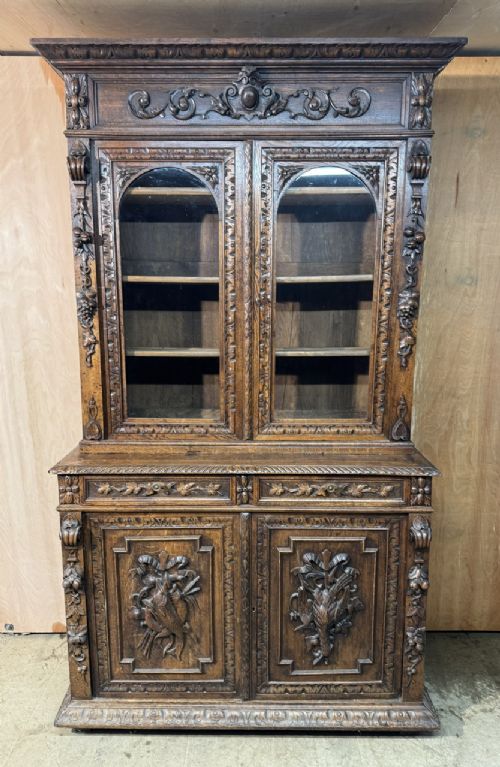
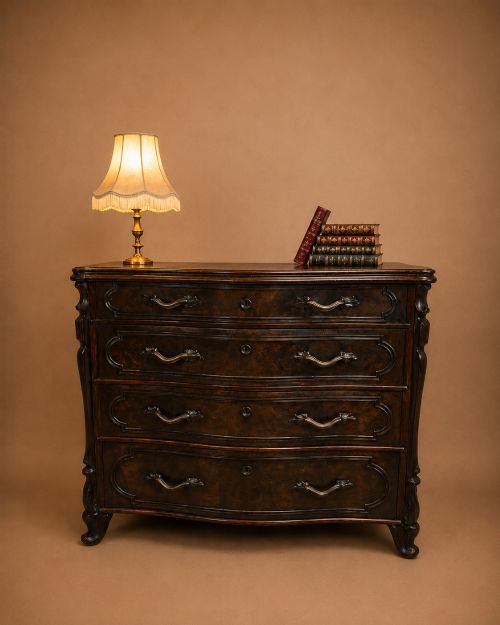
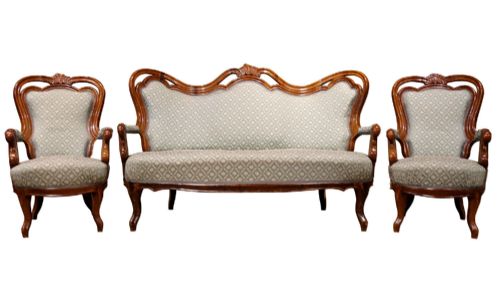
When you search for carved french furniture, you encounter a diverse range of seating, storage, and display pieces originating from various European periods. The selection spans grand giltwood console tables, walnut commodes, oak buffets, and salon suites designed for formal reception rooms.
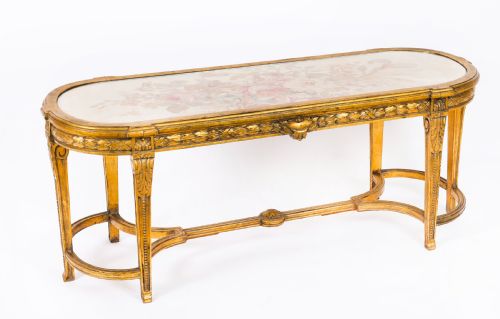
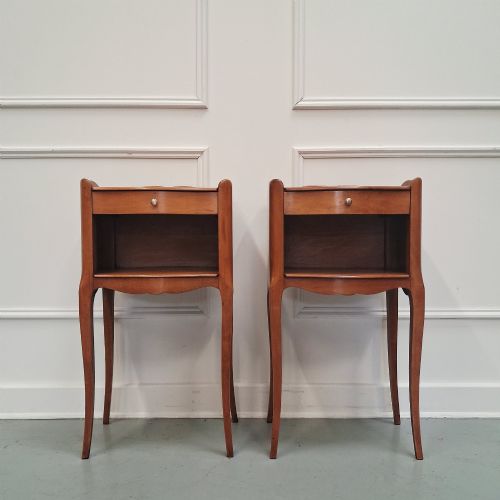
You are most likely to meet nineteenth-century interpretations of earlier historical reigns, alongside provincial walnut and oak pieces from the eighteenth century. These items include bedside tables, footstools, music cabinets, and dressing tables reflecting specific stylistic revivals.
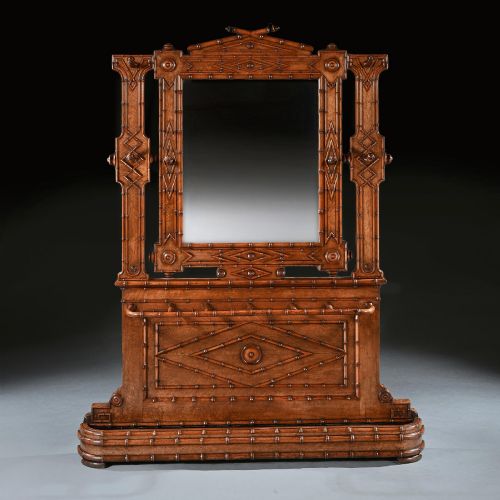
The aesthetic vocabulary encompasses Rococo curves, Empire formality, and occasional Japonisme bamboo forms. Each object demonstrates the historic craftsmanship associated with continental workshops and regional French cabinetmakers.
How They Were Made
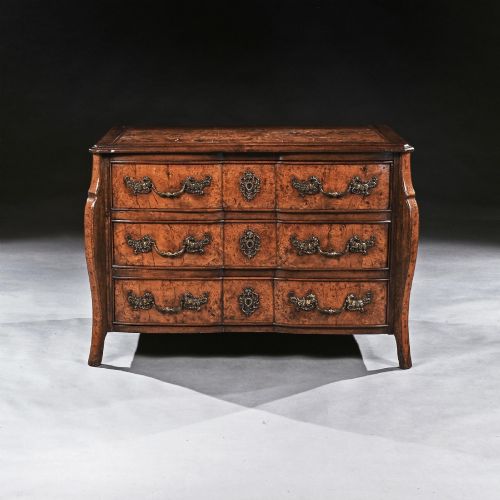
Cabinetmakers utilised solid timbers such as walnut, oak, chestnut, and mahogany, often shaping them into serpentine fronts, bombe profiles, or turned legs. Carving was executed directly into the timber before finishing with wax, polish, or paint.
Giltwood pieces required layers of gesso applied to a wood base before gold leaf was laid and burnished by hand. Marble inserts, particularly breche d'alep, were fitted precisely into table and commode tops to provide durable, decorative surfaces.
Specialised construction methods included dovetail joints for drawer boxes and mortise and tenon joints for structural frames. Decorative elements incorporated applied brass mounts, glass panels, and detailed marquetry or parquetry patterns.
Listings feature eighteenth-century and nineteenth-century periods, alongside materials like marble, giltwood, walnut, and mahogany.
What Varies In Quality
Depth and crispness of the hand-carving separate standard production items from superior workshop output. Skilled carvers created undercut foliage and flowing scrolls with natural movement, whereas lesser examples remain flat and rigid.
The choice of primary timber and secondary wood lining dictates structural integrity over centuries of use. Dense burr elm, figured walnut, and heavy giltwood reflect higher material expenditure than simple pine or beech alternatives.
Original surface treatments, including untouched patinated polish or authentic period gilding, preserve historical authenticity. Replacements or heavy modern restorations alter the visual coherence and tactile character of the piece.
Gabriel Viardot·Jacob Desmalter
The Carved French Furniture Glossary
- Commode
- A low chest of drawers or cabinet developed in France during the seventeenth century. These items often feature marble tops and serpentine or bombe fronts.
- Fauteuil
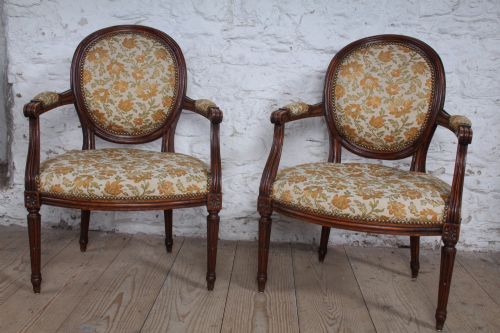
- An open-framed armchair with upholstered seat and backrest, typically featuring exposed carved wooden arms. These chairs date back to historic royal courts.
- Giltwood
- Wood that has been coated with thin gold leaf or powder over a prepared gesso ground. This finish creates a luminous, reflective surface on mirrors and console tables.
- Bombe
- A swelling, outward-curving commode or cabinet shape associated with eighteenth-century furniture design. The curved profile demands advanced woodworking skill.
- Etagere
- A set of open shelves for displaying small ornamental objects or books. These tiered stands appear in various nineteenth-century styles.
Carved French Furniture: Frequently Asked Questions
How do I identify Louis XV style?
Louis XV style is characterised by asymmetrical curves, naturalistic floral carving, and cabriole legs. These pieces avoid straight lines in favour of flowing, organic contours.
Cabinets and tables from this tradition often utilise walnut or giltwood, displaying a lighter, more graceful proportion than earlier seventeenth-century designs.
What is a console table used for?
Console tables are designed to stand flat against a wall, frequently accompanied by a matching wall mirror. They serve as decorative display surfaces in hallways and salons.
Historically, these tables held ornamental objects, candelabra, or serving items during formal gatherings.
Are marble tops original to these tables?
Many nineteenth-century and eighteenth-century console tables and commodes were manufactured with fitted marble inserts. These stone tops provided a durable, cooling surface for domestic use.
Inspect the edges and underside of the stone to ensure it fits the rebate of the wooden frame correctly.
How do I care for antique giltwood?
Giltwood requires delicate handling because the gold leaf is extremely thin and sensitive to moisture. Dust the carved surfaces gently with a soft, dry brush.
Avoid using liquid cleaners, polishes, or abrasive cloths that can strip the historic gold leaf and underlying gesso.