
Carved French Dresser
A carved french dresser brings centuries of regional craft and substantial timber storage directly into a room.
Carved French Dresser
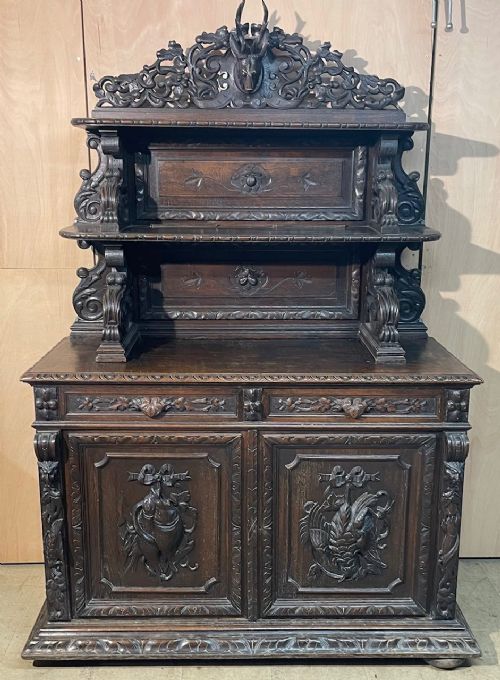
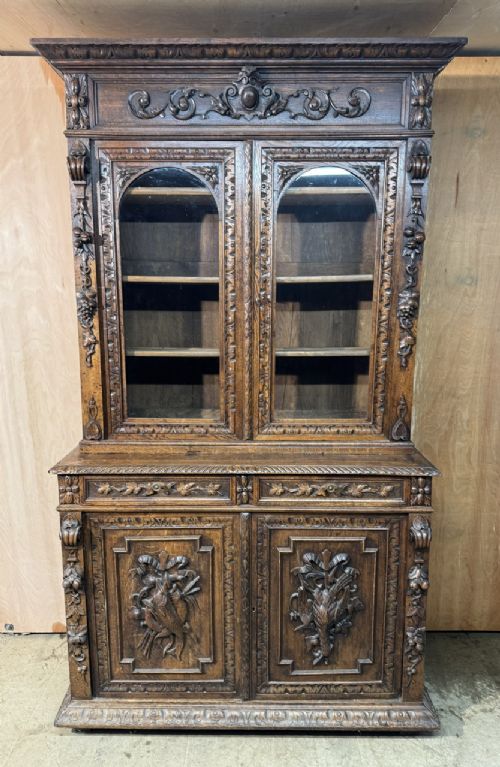
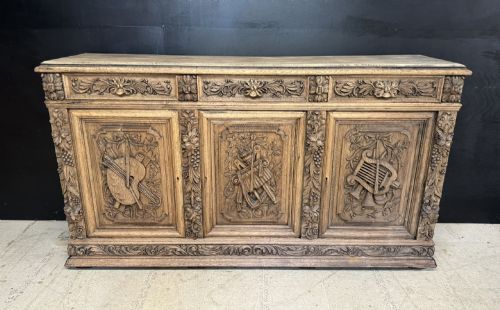
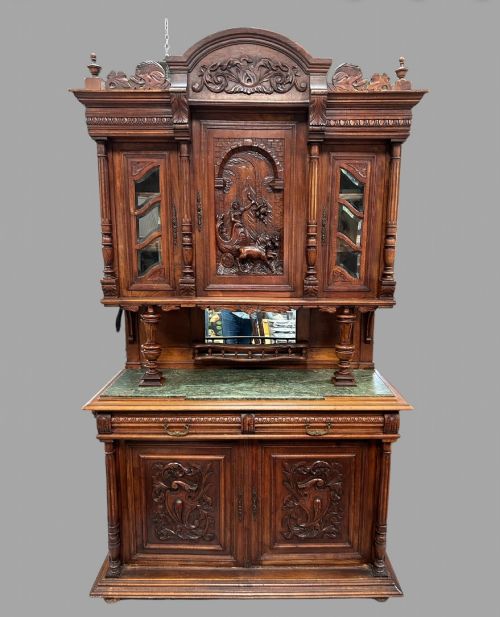
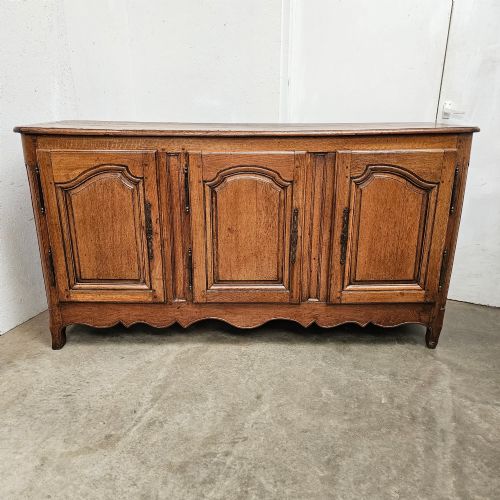
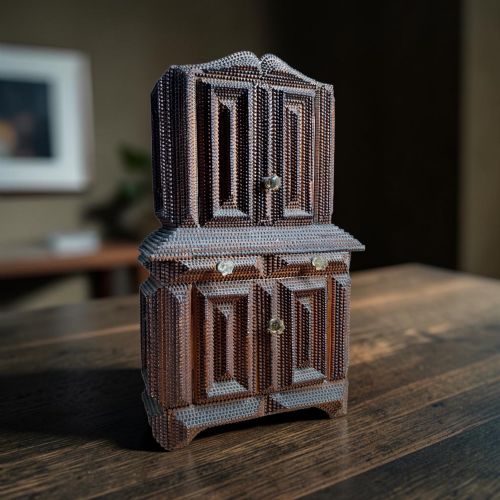
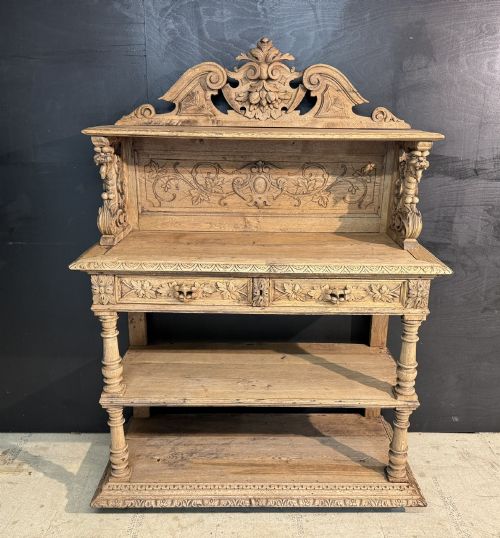
When searching for a carved french dresser, buyers encounter a diverse selection of heavy timber storage pieces that originate mainly from the eighteenth and nineteenth centuries. These items encompass provincial sideboards, large two-piece cupboards, and ornate hunting cabinets built across various regions of France.
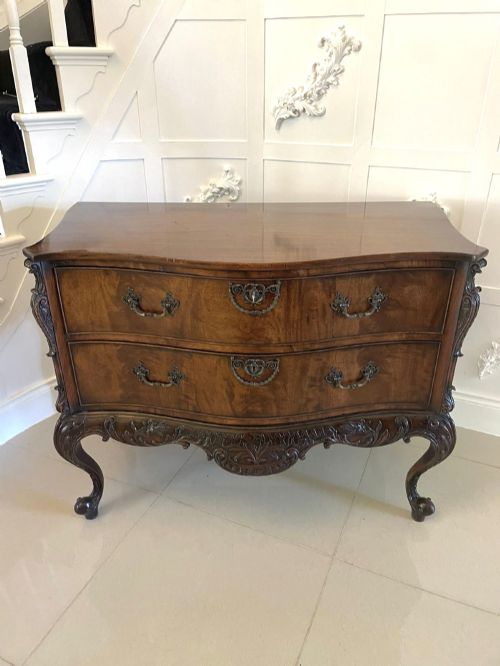
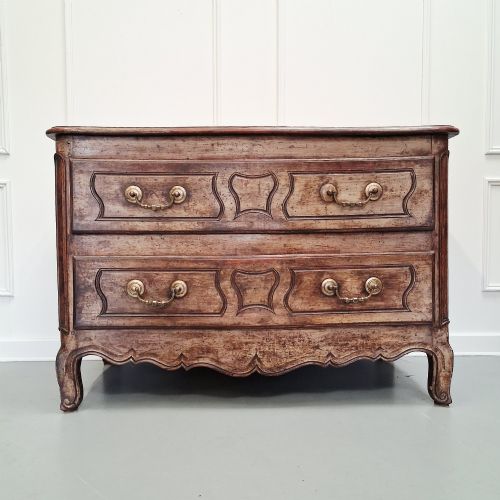
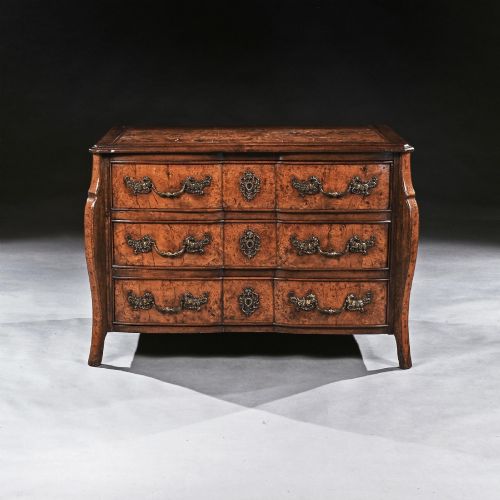
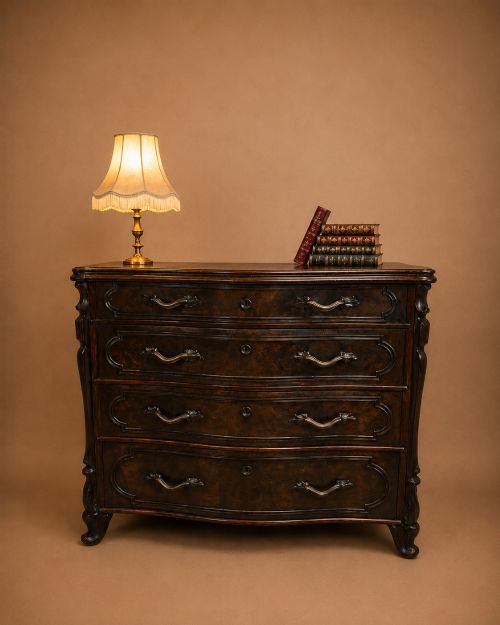
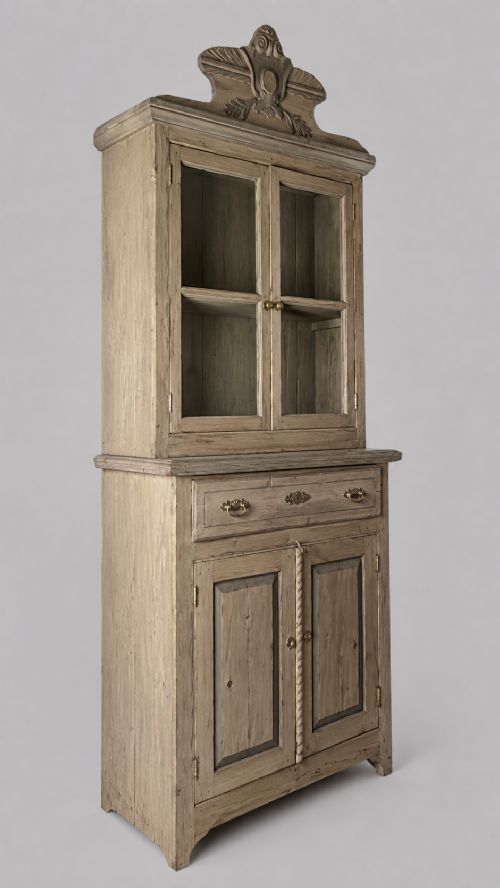
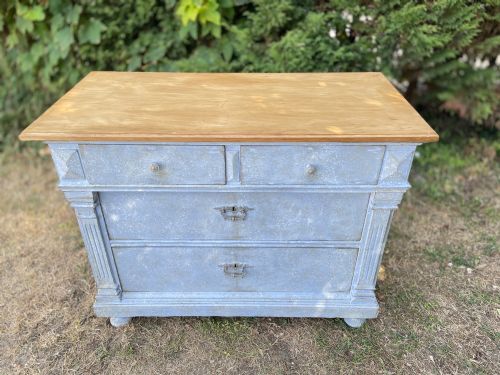
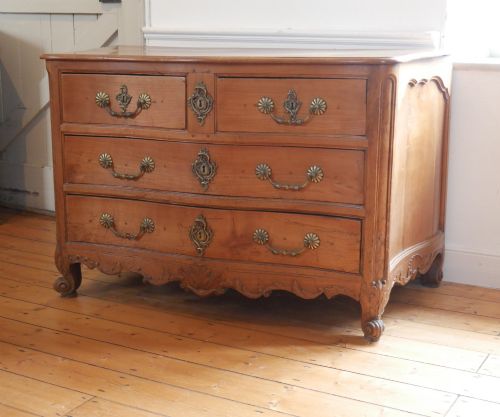
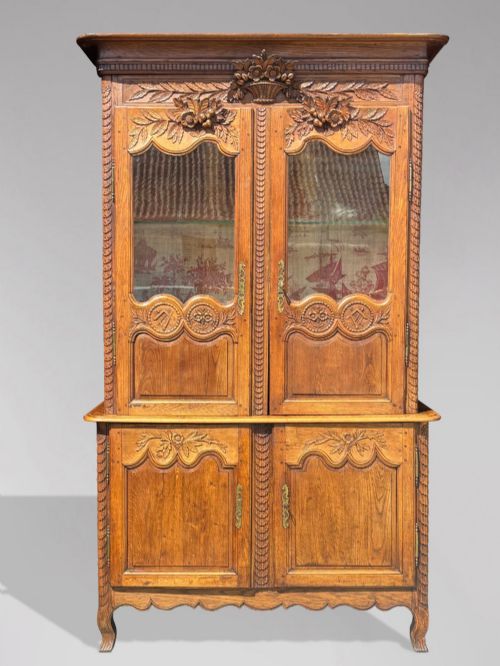
The specimens appearing most frequently on this page span the 18th Century and 19th Century periods, constructed in styles ranging from robust French Provincial and Louis XV to Victorian interpretations. Forms vary from towering housekeeper's cupboards and glazed bookcases to low commodes and serpentine chests of drawers.
Makers and artisans built these storage units to serve kitchens, dining halls, and grand reception rooms for practical domestic organisation. Surviving examples demonstrate the enduring utility of regional French cabinet-making traditions adapted for daily household use.
How They Were Made
Joiners relied on solid regional timbers, predominantly oak, walnut, ash, elm, and burr elm, supplemented by mahogany and cherry wood for finer surfaces. Panels were hand-carved with deep relief work depicting floral motifs, game, or geometric diamond points, showing the physical labour behind each structure.
Construction techniques involved traditional mortise and tenon joinery alongside hand-cut dovetails for drawer boxes, ensuring structural stability across decades of use. Hardware elements in brass and iron were fitted by hand to doors and drawers, while select tops incorporated heavy marble slabs.
Design styles span French Provincial, Louis XV, Renaissance Revival, Gustavian, and Victorian iterations.
What Varies in Quality
The distinction between standard provincial utility pieces and exceptional examples rests in the depth and precision of the hand-carving. Superior items display crisp, sculptural relief work on doors and cornices, executed by skilled hands rather than routine production methods.
Material selection and timber figure dictate the upper tiers of the range, with choice burr walnut, figured mahogany, and dense old-growth oak commanding attention. Original hardware, intact marble tops, and untouched surface patination separate fine surviving items from heavily restored or altered pieces.
The Carved French Dresser Glossary
- Commode
- A low chest of drawers or cabinet originating in France, typically standing on short legs and used for domestic storage.
- Deux Corps
- A large two-piece cabinet or cupboard constructed in vertically stacked upper and lower sections.
- Enfilade
- A long sideboard or buffet featuring three or more doors in a continuous linear arrangement.
- Serpentine
- A curved furniture front characterised by a convex central section flanked by concave curves, or vice versa.
- Mazarin
- A type of kneehole desk or cabinet fitted with drawers and central cupboards, often associated with fine burr elm work.
Carved French Dresser: Frequently Asked Questions
Where were these pieces used?
These large storage items served primarily in French country houses, provincial kitchens, and dining rooms to house linens, tableware, and provisions.
Tall two-piece cupboards and hunting cabinets stood against dining hall walls, while lower commodes and chests of drawers functioned in private chambers.
How do I clean timber surfaces?
Maintain wood surfaces using a soft cloth and traditional beeswax to nourish the grain without building up synthetic residues.
Avoid harsh chemical cleaners or excess moisture, which can damage historic patination and dry out old timbers.
Are marble tops original?
Many commodes and sideboards incorporate heavy marble tops fitted during construction to provide durable, stain-resistant workspace in domestic settings.
Inspect the underside and edges to confirm the stone sits naturally within the timber rebate of the frame.
How do I identify Louis XV style?
Louis XV pieces exhibit flowing asymmetrical curves, cabriole legs, and naturalistic carved ornamentation inspired by plant forms and shells.
Provincial iterations simplify these refined court motifs into sturdy, locally interpreted regional furniture.