
Carved French Console
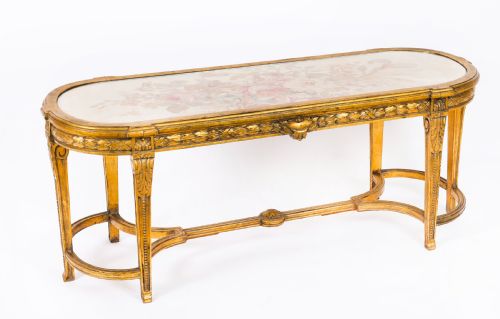
When choosing a carved french console, you acquire a decorative table designed to stand against a wall, bringing historical character to a room.
Carved French Console
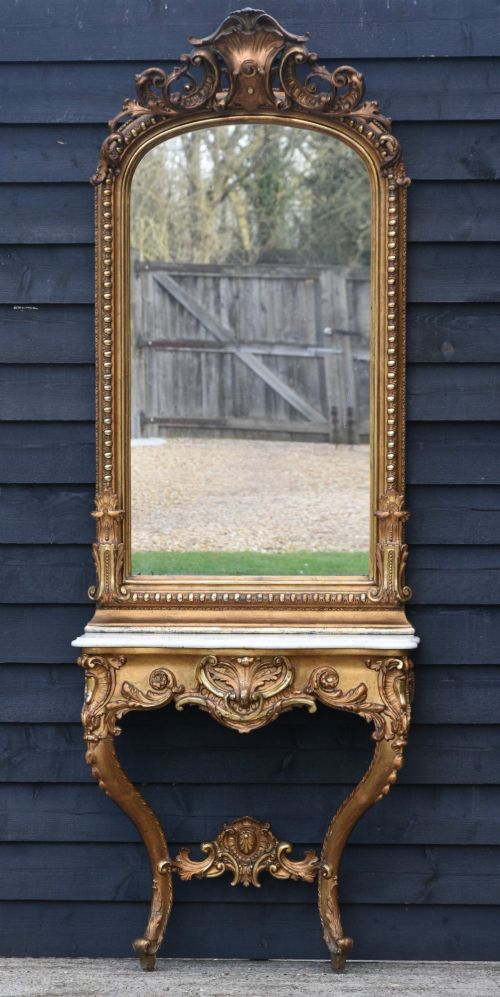
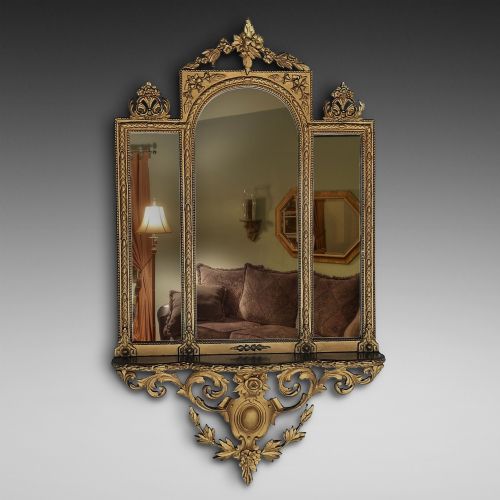
A carved french console sits flat against a wall, frequently paired with a matching pier mirror, serving as a decorative focal point in formal rooms. Buyers searching this phrase encounter tables originating from the eighteenth and nineteenth centuries, alongside revival pieces from the early twentieth century.
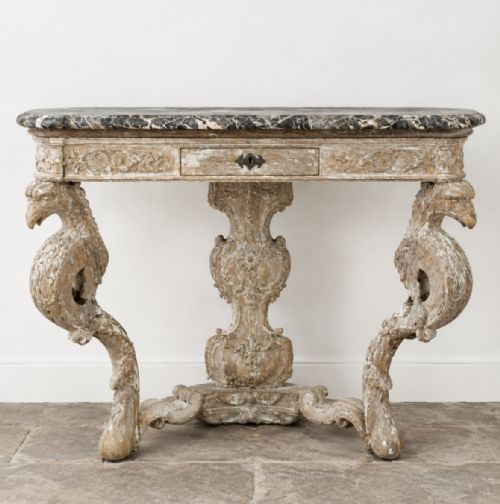
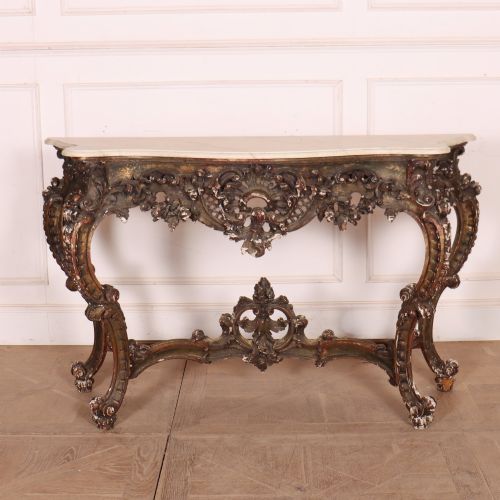
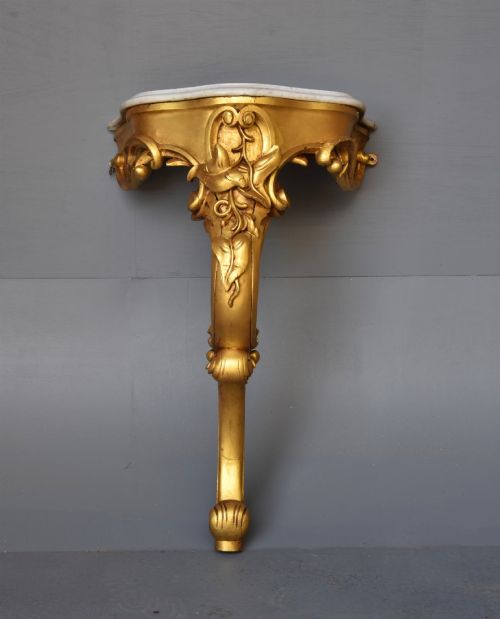
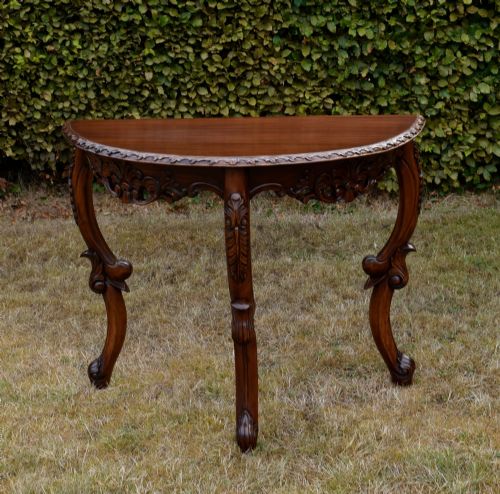
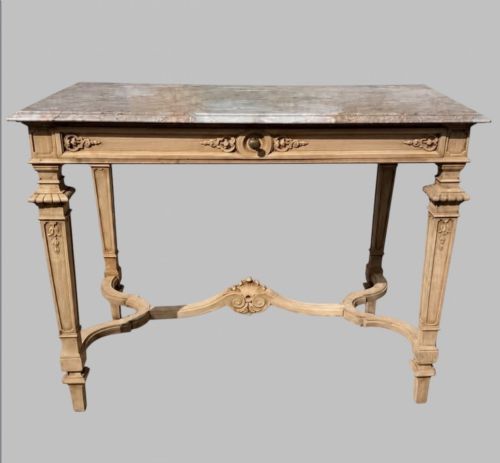
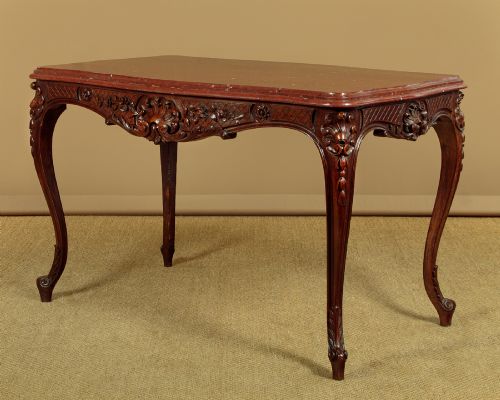
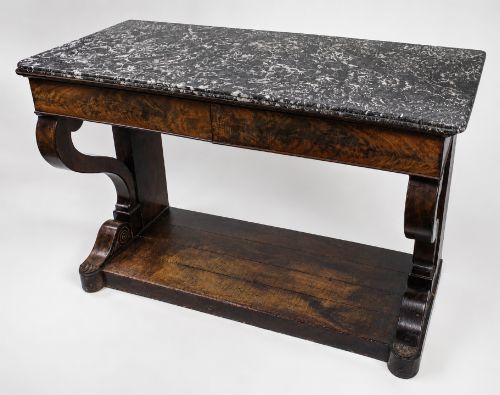
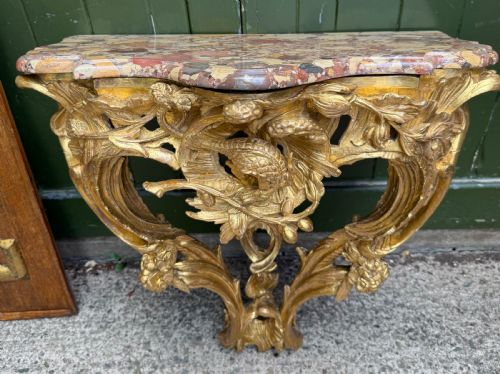
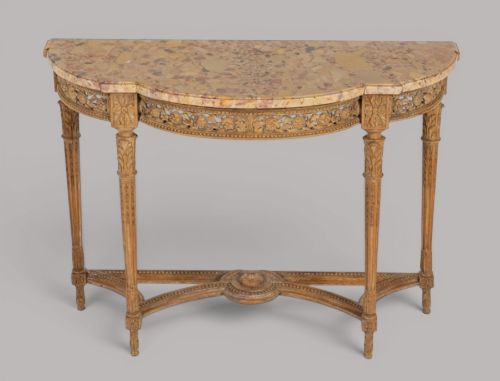
The form encompasses wall-mounted brackets, half-circle demi-lune tables, and serpentine front designs intended for hallways and reception spaces. Many examples incorporate heavy marble tops resting upon elaborately carved wooden frames.
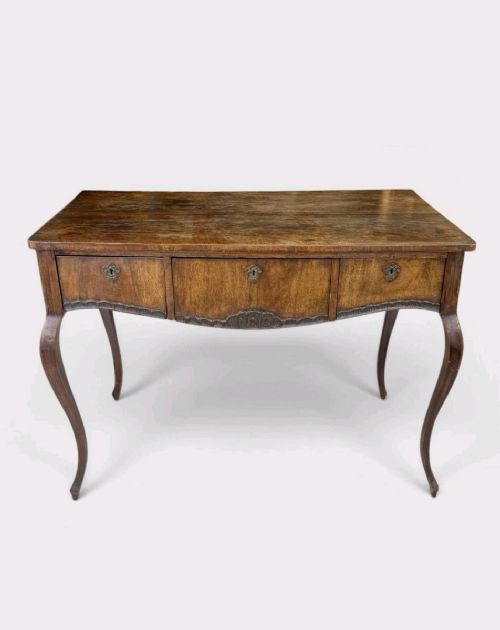
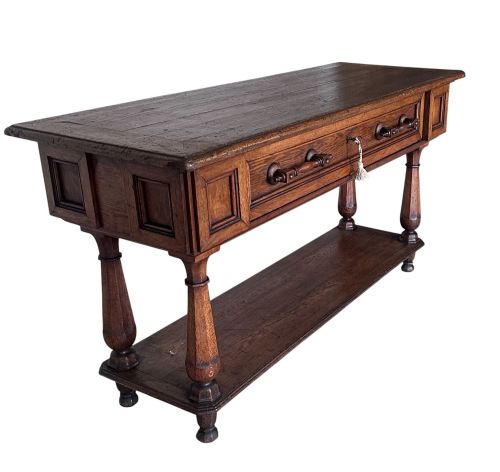
Originating in French country houses, chateaux, and urban salons, these tables vary from restrained provincial oak examples to heavily gilded Louis-style creations.
How they were made
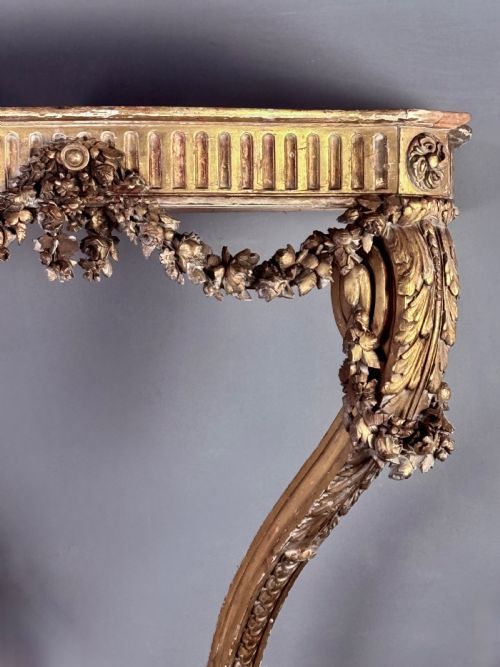
Carved wooden frameworks form the foundation of these pieces, utilising woods such as oak, walnut, mahogany, and fruitwood alongside gesso applications beneath metallic finishes. Artisans shaped structural timber by hand before applying layers of paint, gilding, or polished wax to achieve the desired surface texture.
Heavy marble slabs, including figured varieties like breche d'alep, were meticulously cut and fitted to the upper surface of the wooden bases to provide a durable and cool display area. Ormolu mounts and cast metal details frequently accent the corners and aprons of finer tables.
Listings feature walnut, oak, mahogany, and fruitwood, alongside surface treatments of giltwood, gesso, and paint.
What varies in quality
Depth and crispness of the hand carving separate standard production from master craftsmanship, as superior pieces display undercut foliage, scrolls, and figural elements with sharp definition. The quality of the underlying wood carcass and the thickness of the applied gilding or paint layers dictate the longevity and visual depth of the finish.
The selection and thickness of the marble top significantly influence value, with matched figuring and unblemished surfaces representing higher execution standards. Integration of original ormolu mounts and harmonious proportions between the mirror and console base determine overall desirability.
Felix-Alfred Ternisien·JACOB·Jean-Joseph Chapuis
The Carved French Console Glossary
- Demi-lune
- A half-moon shape used for console tables designed to sit flush against a flat wall. This footprint allowed furniture makers to maximise floor space in narrow hallways.
- Giltwood
- Timber coated with gold leaf over a prepared gesso and bole ground. This treatment provided a brilliant reflective surface popular in formal French interiors.
- Console table
- A table supported by wall brackets or front legs, historically fastened to the masonry for stability. They frequently carried heavy stone surfaces.
- Ormolu
- Gilded bronze mounts applied to furniture for decorative accent. The technique involves treating metal with a mercury and gold amalgam.
- Pier mirror
- A large looking glass hung on the solid section of wall between windows, often placed directly above a matching console table.
Carved French Console: Frequently Asked Questions
Where were console tables placed historically?
These tables were positioned in hallways, reception rooms, and grand salons, frequently placed directly beneath wall mirrors or between large windows.
Their narrow profile ensured they occupied minimal floor space while providing a prominent surface for displaying decorative objects.
Did console tables require wall mounting?
Many early examples relied partly on wall fixings or brackets for stability, particularly when carrying heavy marble slabs on slender legs.
Later revival iterations and free-standing models were constructed to support their own weight without structural wall attachment.
How do I distinguish 18th century from revival pieces?
Eighteenth-century originals display authentic hand tool marks, dry aged patina, and construction methods consistent with period joinery.
Revival pieces from the nineteenth and twentieth centuries often exhibit machine-prepared timber elements alongside stylistic mixtures characteristic of later revivals.
What is a breche d'alep marble top?
Breche d'alep is a specific type of quarried figured marble characterised by brecciated patterns of varied tones. It frequently appears on high-status French tables from the eighteenth and nineteenth centuries.