

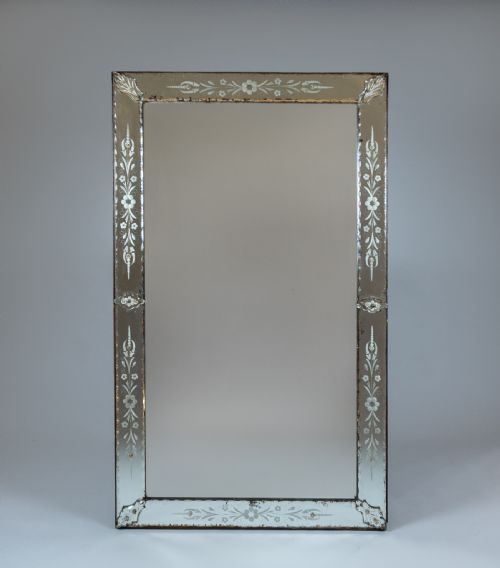
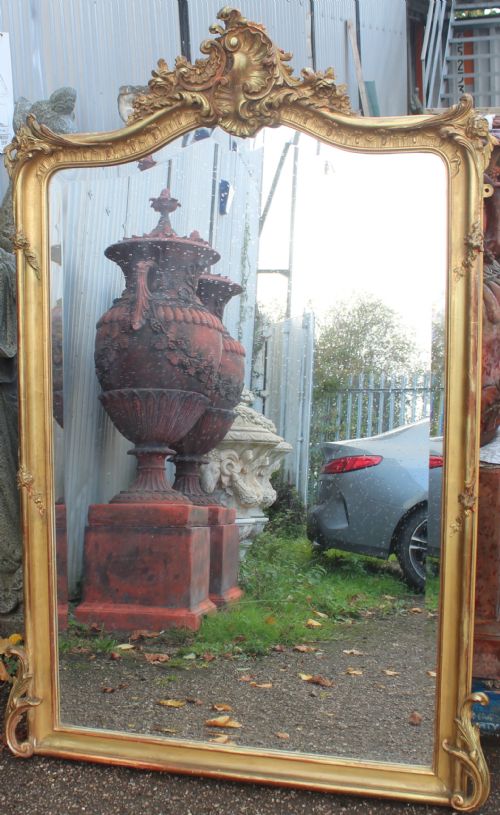
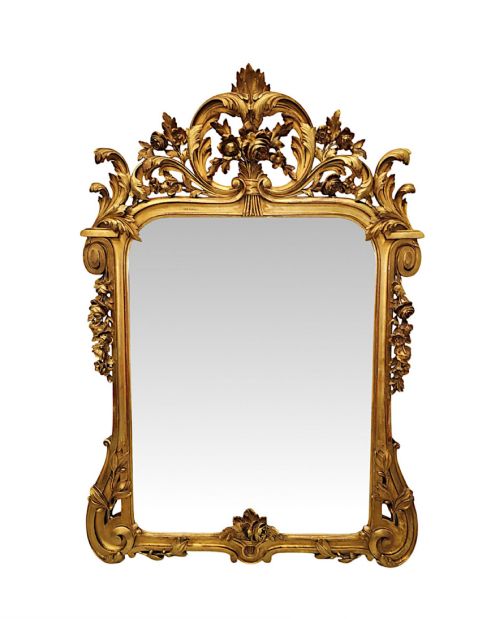
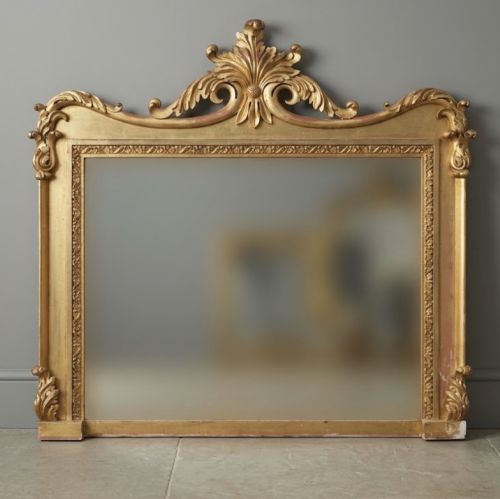
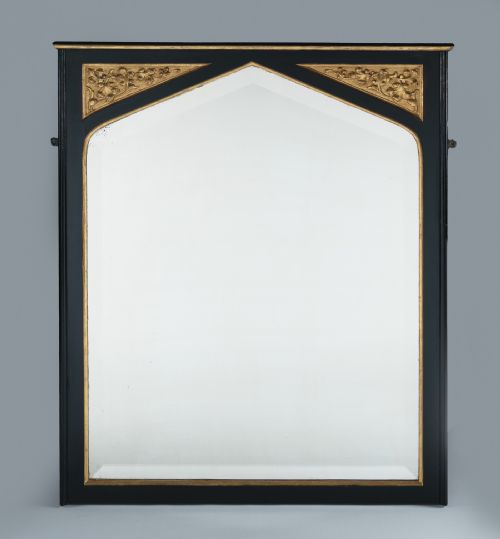

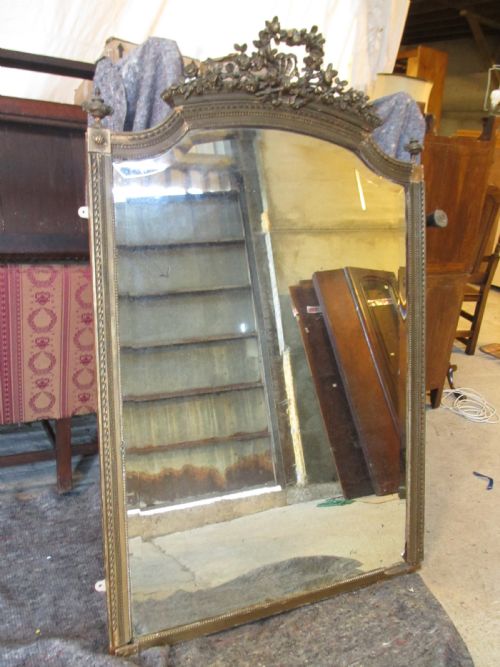
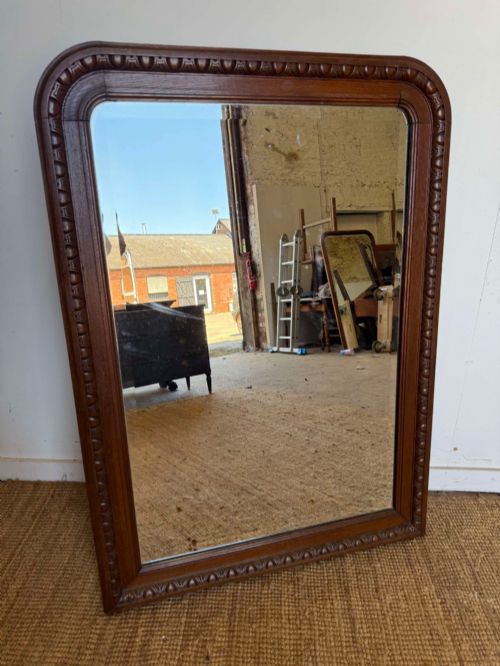
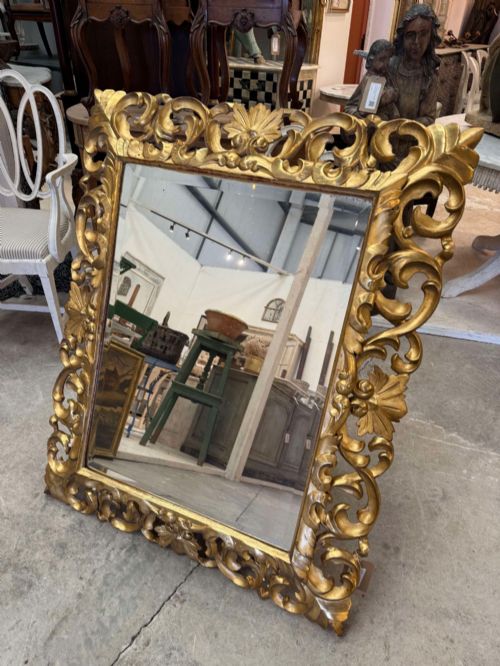
Carved Frame Wall Mirror
A carved frame wall mirror brings depth and architectural presence to a room, drawing the eye with richly worked timber or gilded ornament.
Carved Frame Wall Mirror
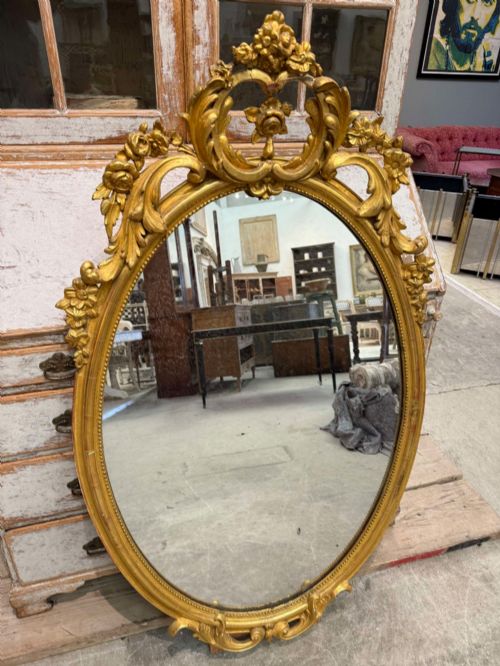
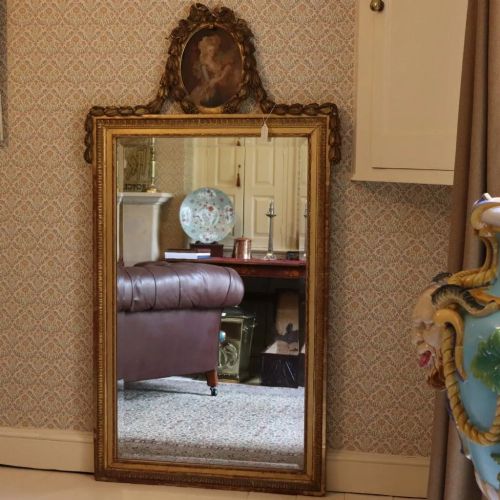
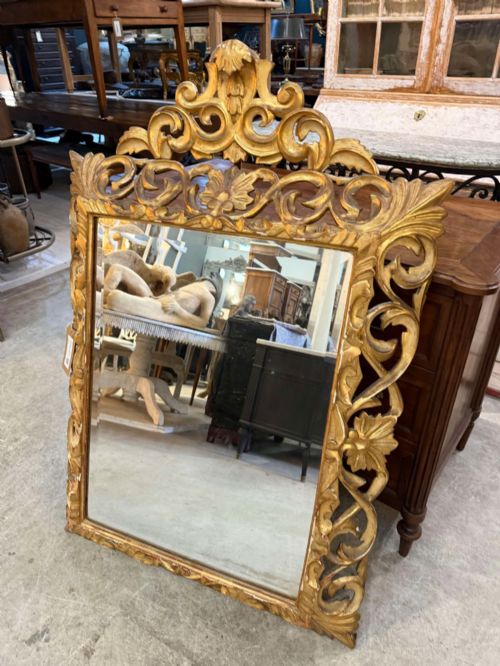
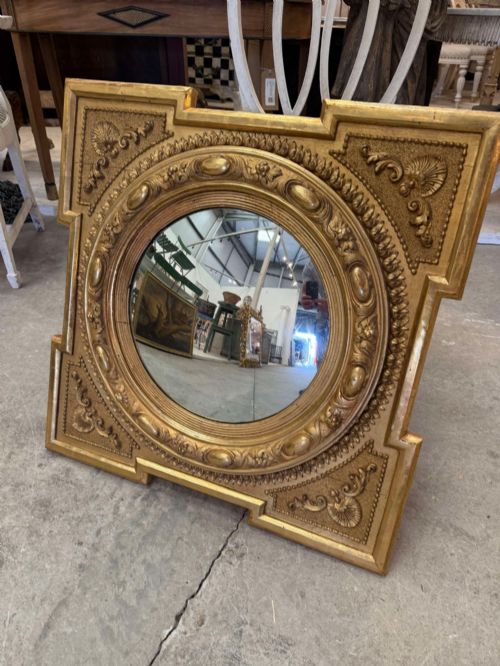
A carved frame wall mirror encompasses a broad spectrum of decorative forms designed to hang on vertical surfaces, ranging from intimate oval dressing glasses to grand overmantels that anchor a fireplace. The pieces gathered under this search phrase emerge predominantly from the eighteenth and nineteenth centuries, with notable examples spanning into the early twentieth century.
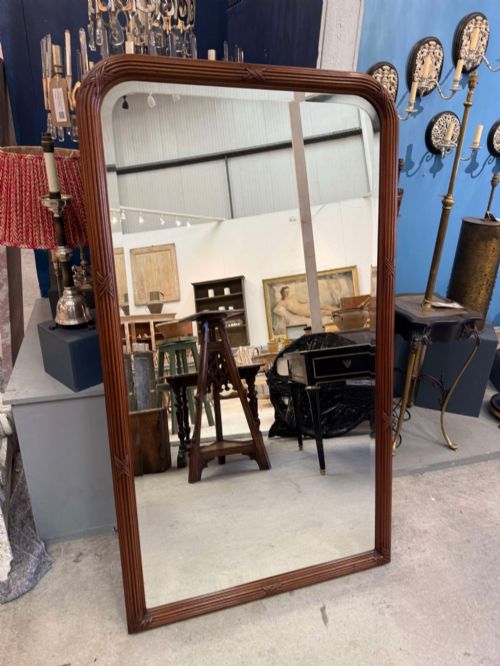
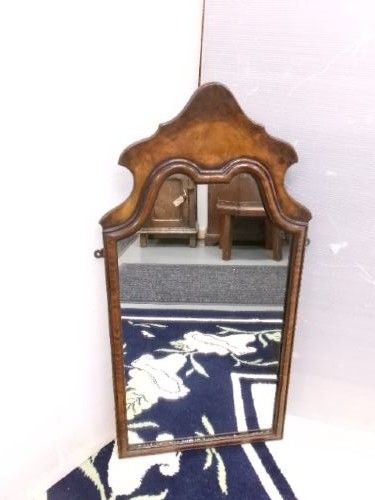
Buyers will encounter substantial giltwood and gesso overmantels alongside smaller country house mirrors framed in carved oak, mahogany, or walnut. Stylistic influences vary widely, drawing on French rococo revival, Italian Florentine carving, and austere Georgian fretwork.
Many items feature original antique plates, which carry subtle foxing or imperfections characteristic of their age. Overmantel and pier mirror formats dominate the larger scale offerings, while oval and rectangular wall hangings provide options for domestic spaces.
Materials and construction methods
Makers shaped structural frames from solid timbers such as oak, mahogany, and walnut, often applying softer woods for intricate relief work. Carvers directly cut ornament into the grain or built up complex foliage and scrolls using gesso over a wooden base.
Gilders applied layers of gold leaf or metallic compositions to gessoed surfaces, burnishing selected areas to create a contrast between matte and lustrous finishes. Glass plates were manually cast or blown before being silvered, fitted into rebates, and secured at the rear.
Carved Frame Wall Mirror Retail Price Guide 2026
Typical asking prices for carved frame wall mirror among the pieces listed under this phrase on Sellingantiques today, from the lower quarter to the upper quarter. They describe what is for sale here now, not the wider market.
Watch for whimsical touches like carved birds perched atop Georgian fret frames and olive green accents hiding within Belle Époque gilt.
Distinctions in craftsmanship and preservation
Quality rests in the crispness and depth of the carving, where deep undercut foliage and confident scrolls distinguish masterwork from routine production. The handling of the gilt surface, particularly the preservation of original gold leaf and the integration of gesso mouldings, marks the upper tier of execution.
The integrity of the plate glass and the retention of original backing boards influence desirability among collectors. Heavy, well-proportioned frames that maintain their structural rigidity without excessive repair represent the finest survivals.
The Carved Frame Wall Mirror Glossary
- Gesso
- A plaster-like mixture applied to wood frames as a base for gilding or painting. This material allowed artisans to model intricate relief ornament before applying gold leaf.
- Overmantel mirror
- A large horizontal mirror specifically scaled to hang above a fireplace mantelpiece. These pieces frequently feature arched tops and elaborate cresting.
- Girandole
- A decorative wall mirror fitted with attached candle sconces or arms. The candleholders reflect additional light into the interior space.
- Pier glass
- A tall mirror designed to hang on the narrow wall space between windows. They often coordinate with console tables placed below them.
- Fretwork
- Openwork ornamentation carved or pierced from thin wood panels. This technique defines many eighteenth-century mahogany and walnut frames.
- Foxing
- Age-related spots and discolouration within the silvering of antique mirror glass. This chemical alteration creates a characteristic mottled appearance.
Carved Frame Wall Mirror: Frequently Asked Questions
How do I hang a heavy overmantel mirror safely?
Large overmantel mirrors exert considerable downward and pulling force due to their substantial timber and gesso construction. They require secure anchoring directly into masonry or through plaster into adequate wall studs using heavy-duty brackets.
Professional installation is recommended for pieces exceeding standard domestic weights to ensure the frame remains stable against the wall surface.
Are antique mirror plates always replaced?
Many antique mirrors retain their original glass plates, which often display characteristic ripples, minor scratches, and atmospheric foxing. These age traits confirm the antiquity of the object and add visual depth that modern glass cannot replicate.
Replacement plates do occur when earlier glass suffered terminal damage, which alters the historical integrity of the piece.
How do I identify a Florentine carved frame?
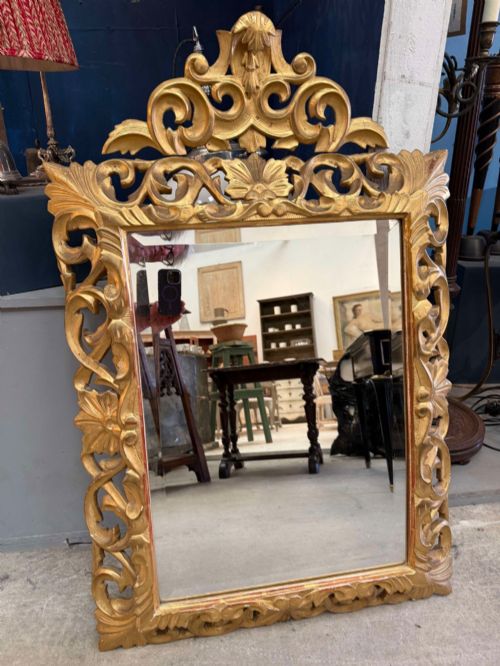
Florentine frames typically showcase dense, ornate carving featuring elaborate acanthus leaves, scrolls, and deep pierced work finished in bright or antiqued gold leaf. Their aesthetic derives from traditional Italian craftsmanship associated with workshops in Florence.
These pieces often take the form of heavy wall mirrors or matched pairs of girandoles designed to create a dramatic decorative statement.
Can I place these mirrors in a bathroom?
Antique mirrors featuring gesso, gold leaf, and traditional silvered plates are sensitive to high humidity and moisture. Steam from bathrooms can penetrate degraded backing boards and accelerate the breakdown of the silvering and wood framing.
Dry interior rooms with stable temperatures provide the ideal environment for preserving fragile nineteenth-century and earlier gilt surfaces.