
Large Wood Frame Mirror
A large wood frame mirror grounds a room with scale, light, and historical presence.
Large Wood Frame Mirror
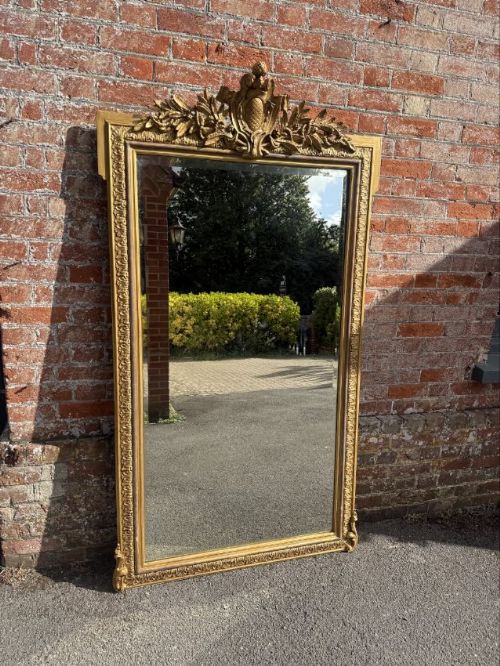
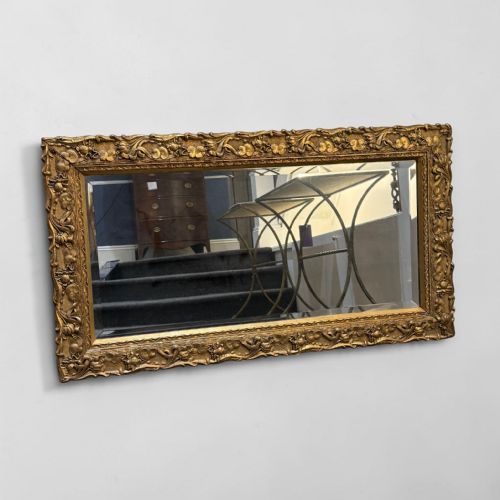
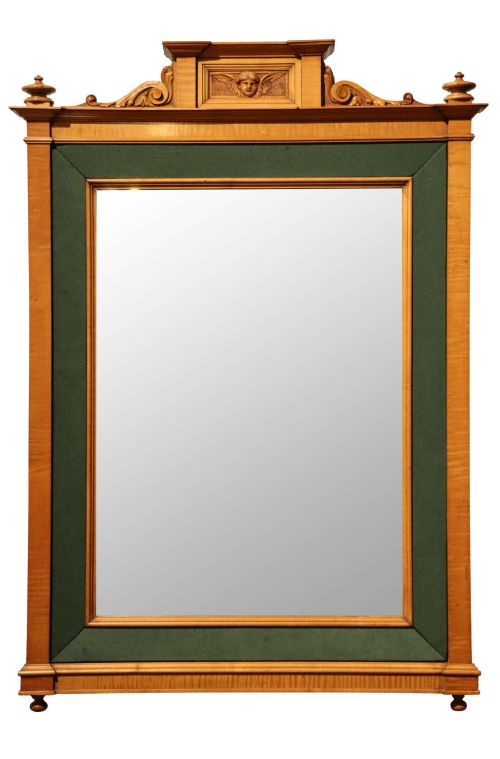
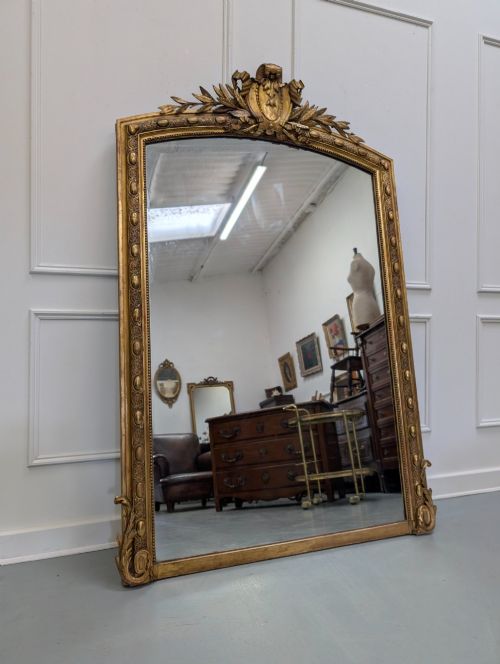
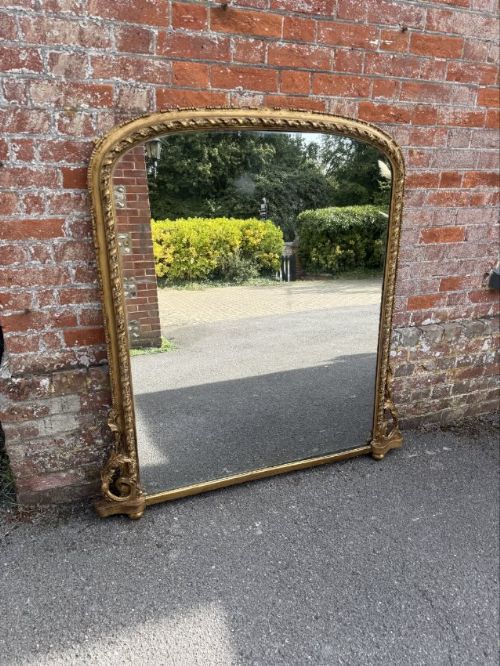
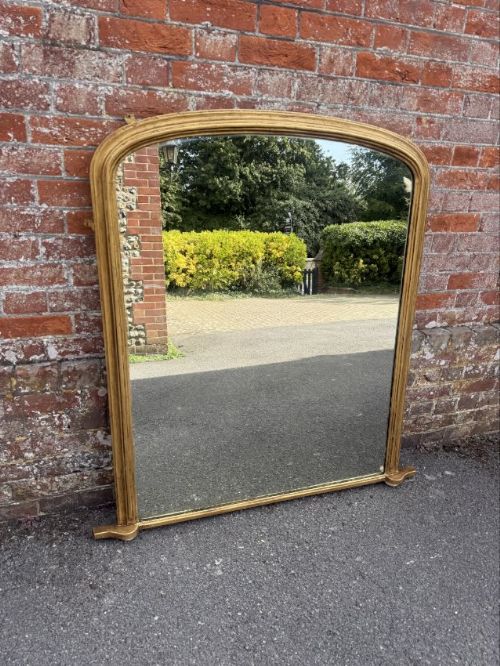
A large wood frame mirror brings substantial presence and reflective light into an interior space. When searching this phrase, buyers encounter substantial wall-hanging pieces designed to anchor a room or sit above a fireplace. The selection spans grand overmantels, tall wall mirrors, and country house pieces created across the nineteenth and early twentieth centuries.
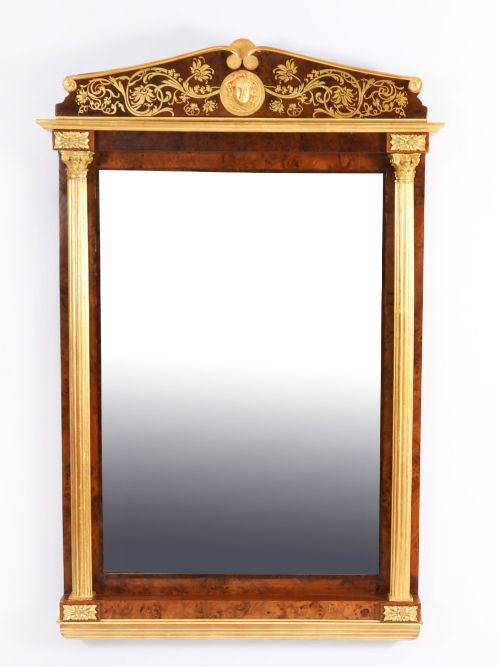
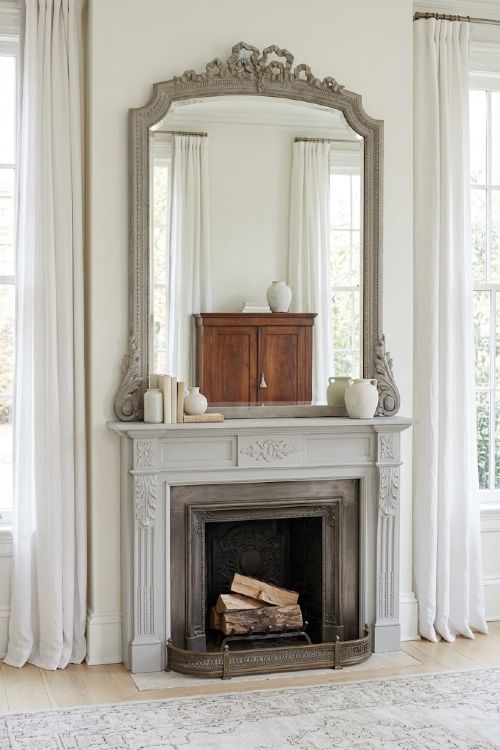
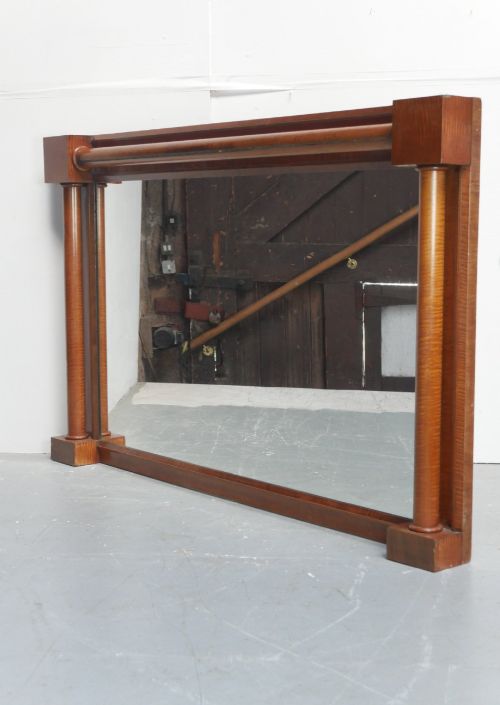
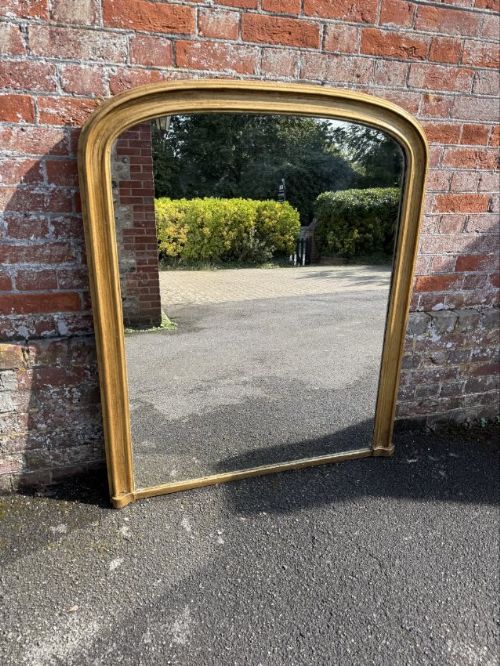
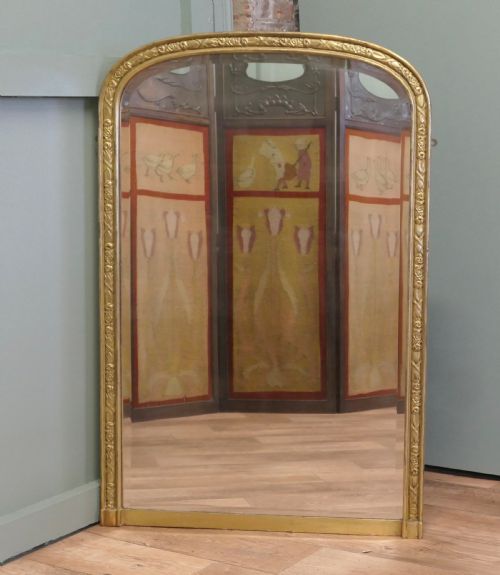
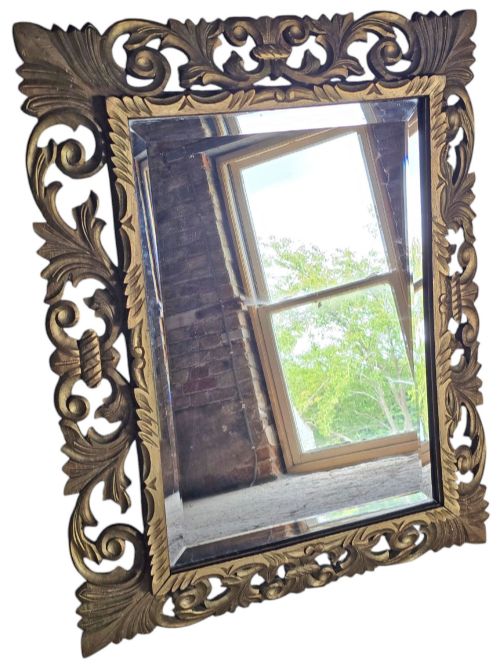
English and French examples dominate the selection, featuring robust timbers like oak and mahogany alongside ornate giltwood frames. Many pieces incorporate shaped or arched tops designed specifically to hang above nineteenth-century mantels. Buyers frequently find heavily carved framing decorated with rope twist, ribbon crests, or classical columns.
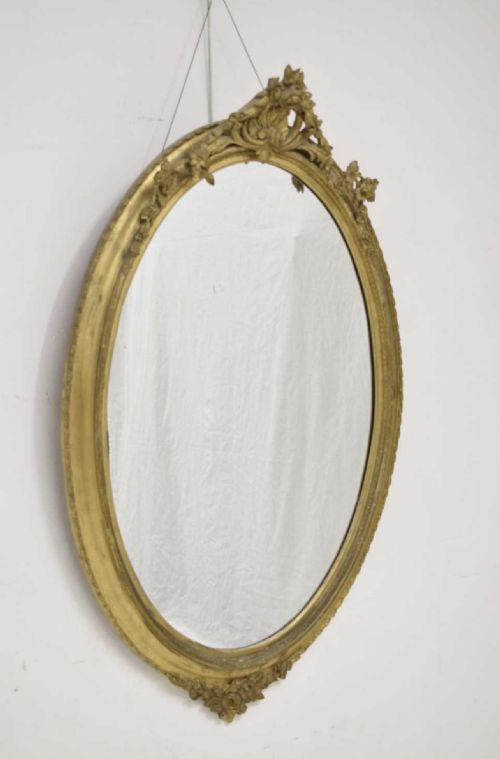
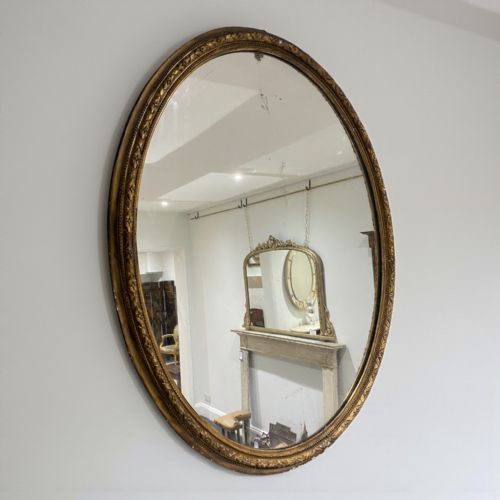
The inventory ranges from restrained Georgian ovals to heavily ornamented Victorian and Edwardian statement pieces. Regional styles such as Florentine carvings and French Louis Philippe designs also appear regularly among the listings. Each format offers a distinct architectural weight suited to period properties and contemporary interiors alike.
How they were made
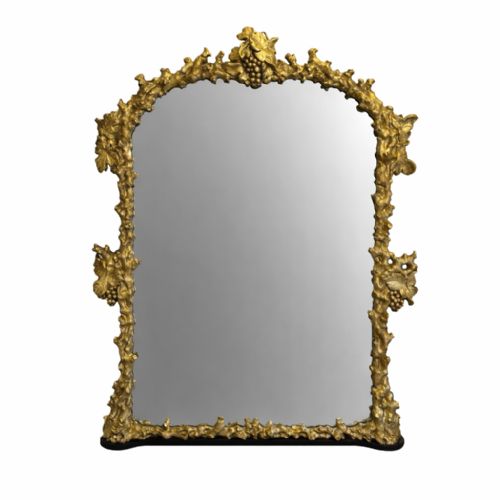
Makers constructed the structural frames from solid timbers including oak, mahogany, and walnut, joined with traditional corner construction. Carved ornamentation often utilised softer woods layered with gesso to receive intricate details like rope twists and floral motifs. Artisans then applied gold leaf, paint, or parcel-gilt finishes directly over the prepared surfaces.
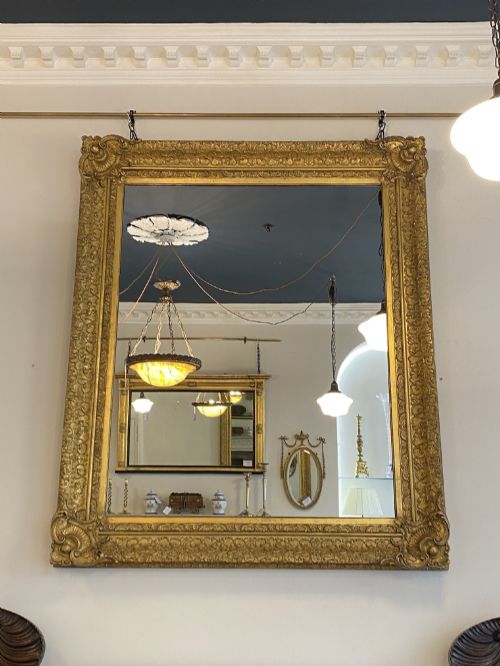
Reflective surfaces typically consisted of heavy mirror glass or older mercury glass held securely within the timber rebate. Backboards constructed from plain deals or pine protected the glass plates from environmental moisture and shifting. Many pieces relied on applied gesso mouldings to create deep relief work around the perimeter of the glass.
Listings feature items spanning the Georgian period, nineteenth century, and early twentieth century in oak, mahogany, gesso, and giltwood.
What varies in quality
The depth and crispness of the hand-carved wood and gesso ornamentation dictate much of the visual hierarchy. Superior examples display sharply defined motifs and smooth gilding applied over carefully prepared grounds rather than flat, moulded plaster. Original mirror plates retain deep silvering and atmospheric foxing that cheap replacements lack.
Structural integrity of the heavy wooden frame and soundness of the original backboards separate fine specimens from ordinary utility items. High-grade pieces maintain proportional balance across grand scales without sagging under the heavy weight of the glass. The survival of untouched original gilding or period paint finishes substantially elevates the caliber of an individual mirror.
The Large Wood Frame Mirror Glossary
- Overmantel mirror
- A wide mirror specifically proportioned to hang on the wall directly above a fireplace mantel. These pieces frequently feature arched tops or horizontal formats.
- Gesso
- A plaster-like mixture applied to wooden frames as a smooth base for gilding or painting. Artisans carve fine details directly into this hardened material.
- Giltwood
- Timber carved and subsequently covered with thin sheets of gold leaf or gold powder. It provides a luminous metallic finish characteristic of formal period pieces.
- Mercury glass
- An early type of double-walled glass blown with a silvering mixture between the layers. It creates a characteristically mottled, dark reflection.
- Trumeau
- A decorative wall mirror paired with an oil painting or panel set into the upper portion of the frame. Originating in France, these pieces served as permanent architectural fittings.
Large Wood Frame Mirror: Frequently Asked Questions
Where should I hang a heavy overmantel mirror?
These large pieces anchor spaces best when mounted securely to solid masonry or properly braced wall studs above a fireplace or low sideboard. Their considerable weight demands professional fixings tied directly into the structural load-bearing points of the wall.
Positioning the frame at the correct height allows the glass to reflect natural window light deeper into the room. This placement balances the heavy visual mass of carved timber and gesso mouldings within the interior.
How do I identify a nineteenth-century mirror?
Nineteenth-century examples reveal their age through heavy timber construction, hand-applied gesso ornamentation, and thick backboards secured with old fixings. Close inspection of the gilt surfaces often exposes subtle tool marks and natural wear consistent with hand craftsmanship.
Original glass frequently displays minor distortions, foxing spots, or slight darkening at the edges where the backing has aged. Machine-cut screws and modern backing materials generally indicate later replacements or reproductions.
Are French and English mirrors different?
French mirrors from this selection frequently exhibit softer pastoral decoration, ribbon crests, and restrained Louis Philippe or painted finishes. English pieces tend toward heavier architectural framing, including robust columns, deep cornices, and structural oak or mahogany.
Both regional traditions utilised carved wood and gesso, but English makers often favored formal overmantel proportions for coal-grate fireplaces. French workshops produced diverse formats ranging from tall wall mirrors to elaborate trumeau panels.
How do I care for antique glass and gilding?
Preserving fragile giltwood surfaces requires gentle dusting with a soft, dry brush rather than liquid cleaning products or abrasive cloths. Moisture can damage exposed gesso and lift delicate gold leaf from the underlying timber substrate.
Cleaning the mirror glass requires a minimal amount of distilled water or mild cleaner applied to a cloth rather than sprayed directly onto the surface. This prevents liquid from seeping behind the frame rebate and degrading the old backing or silvering.