

Carved Dark Oak Cabinet
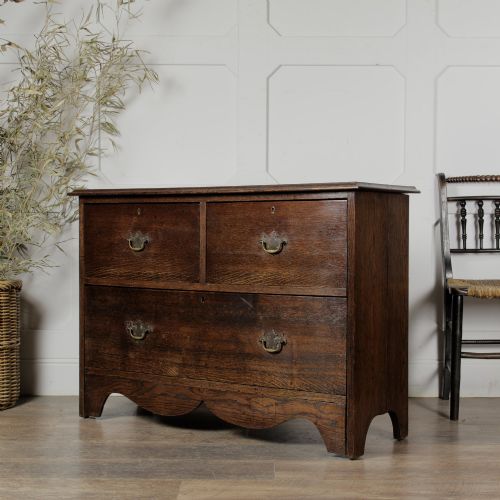
A carved dark oak cabinet brings heavy grain and deep relief carving into a room, serving as both storage and architectural presence.
Carved Dark Oak Cabinet
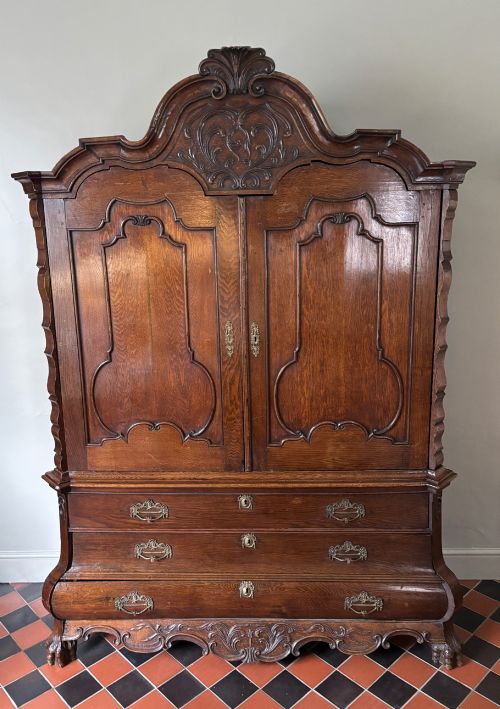
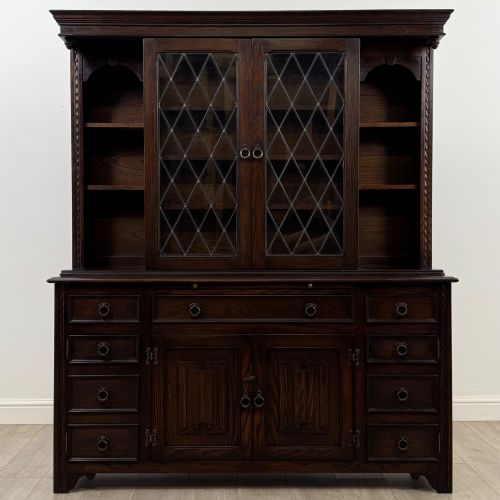
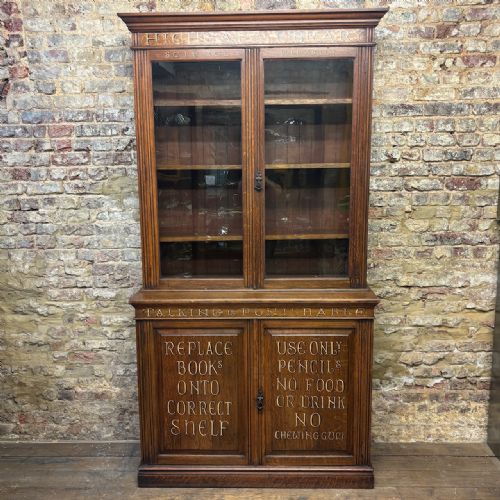
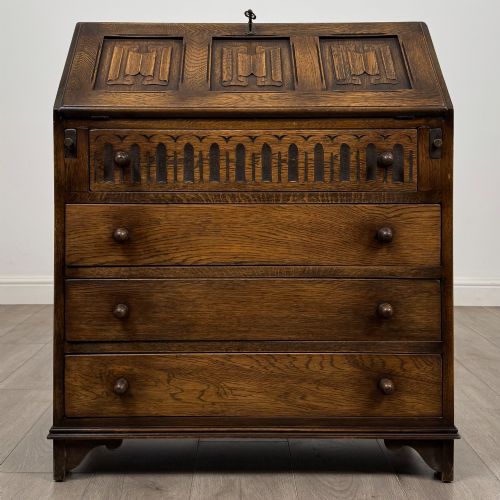
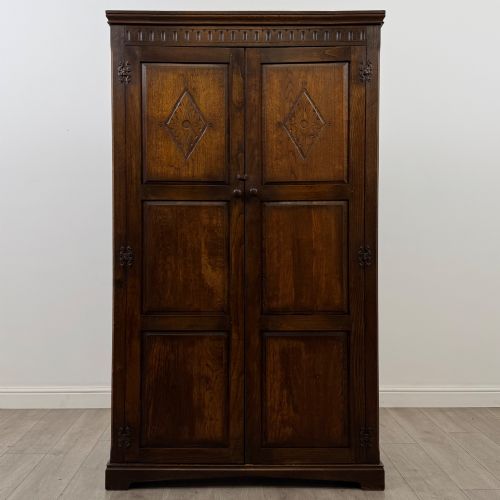
A carved dark oak cabinet encompasses a wide range of storage forms, including sideboards, bookcases, display cabinets, cupboards, and bureaux. These pieces emerge across several periods, most visibly in Edwardian productions and 19th-century revivals, alongside occasional examples from the 17th and 18th centuries.
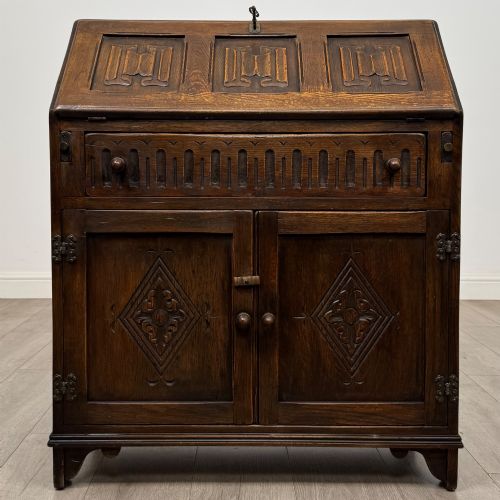
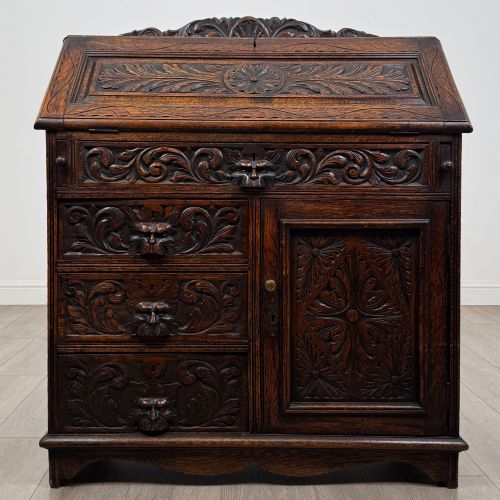
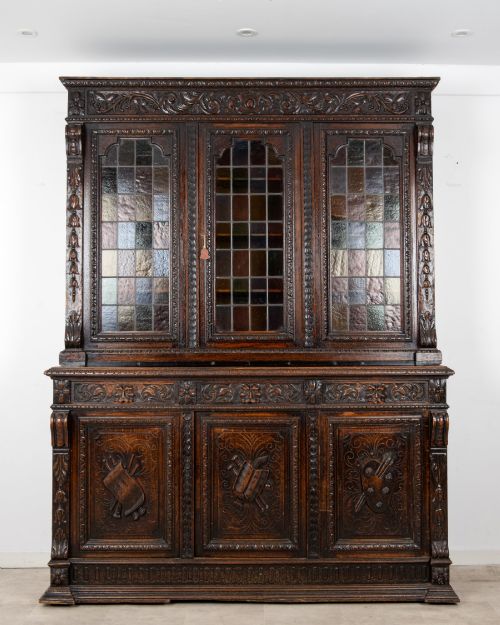
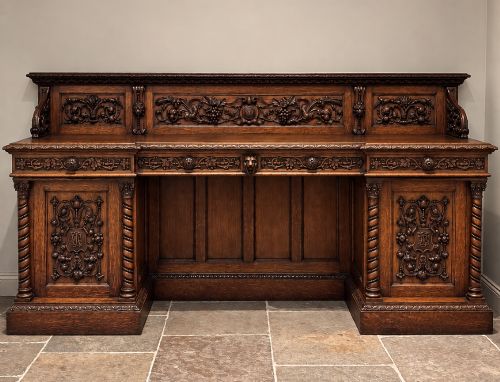
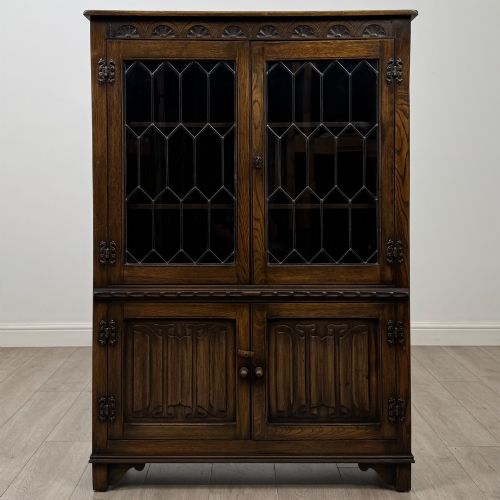
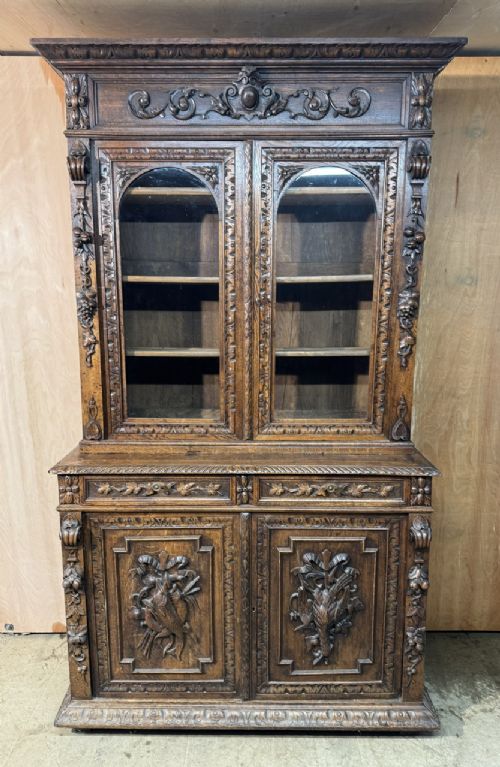
The aesthetic leans heavily into revival movements, drawing on Jacobean, Tudor, and Gothic styles. Buyers regularly encounter pieces displaying linenfold panelling, green man carvings, and barley twist supports, reflecting historical revivals that spanned the Victorian and Edwardian eras.
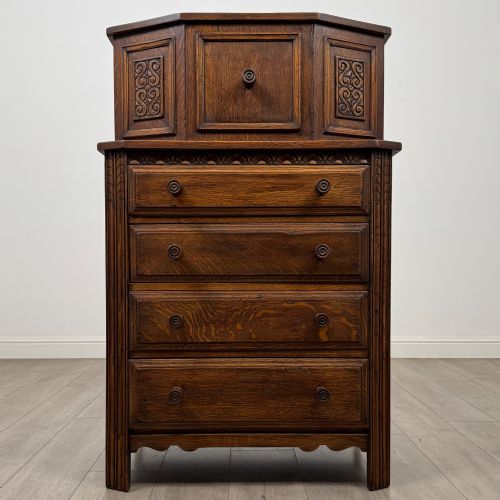
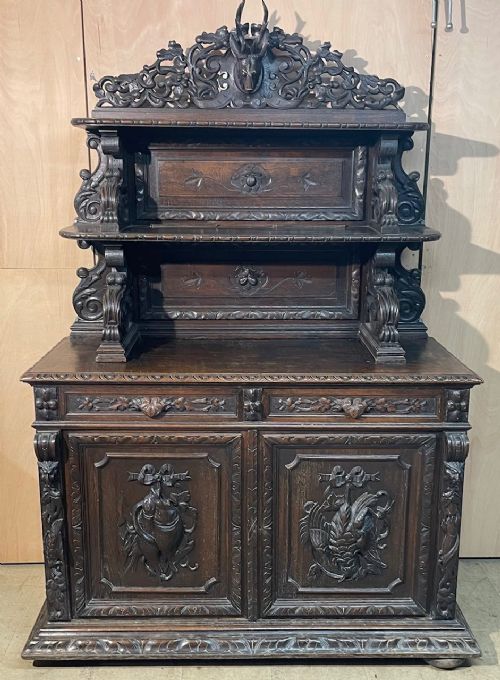
Forms vary from slim wall-hanging cupboards and bedside units to massive court cupboards, armoires, and French hunting sideboards. Oak remains the consistent structural base across these varied forms, often paired with glass, brass, or iron hardware.
What varies in quality
Quality rests heavily on the depth and crispness of the carving, where sharp, hand-chiseled relief work distinguishes finer commissions from mechanical or shallow tooling. The choice of timber grain and the integrity of the solid oak construction also dictate the lasting weight and stability of the piece.
Proportion and architectural balance set superior examples apart, particularly in revival pieces where heavy cornices, barley twist columns, and panel layouts must harmonize. The inclusion of original hardware, such as brass drop handles and working iron locks with period keys, further elevates a piece.
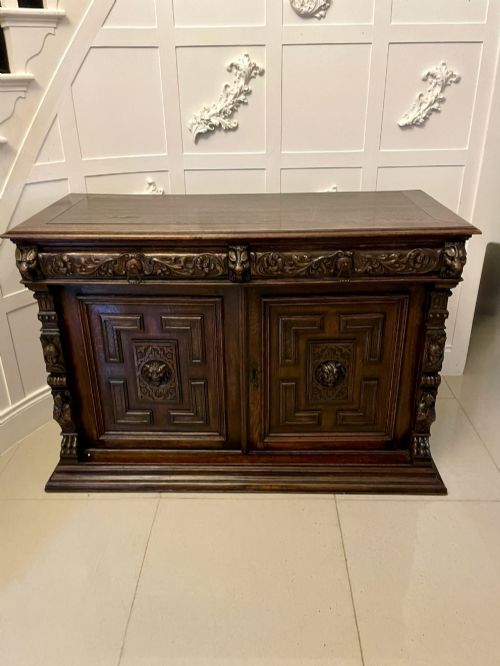
Several cabinets conceal their contents behind stern green man carvings, watching over the dining room with leafy determination.
The Carved Dark Oak Cabinet Glossary
- Linenfold
- A style of relief carving on wooden panels that imitates folded parchment or linen. It is frequently found on Edwardian and earlier cupboards and bureaux.
- Green Man
- A sculptural motif depicting a face carved from or entwined with leaves and vines. This pagan symbol recurs in Victorian Gothic revival woodwork.
- Barley twist
- A turned column or leg resembling the shape of a twisted rope or barley stalk. It is a common decorative feature on 19th-century sideboards and cabinets.
- Court cupboard
- A traditional type of short, heavy storage cabinet with enclosed lower sections and open or supported upper tiers. Surviving examples date from the 17th century through later revivals.
- Gothic Revival
- An architectural and decorative style drawing inspiration from medieval design. Pieces often incorporate pointed arches, tracery, and stained glass.
Carved Dark Oak Cabinet: Frequently Asked Questions
How do I date a carved oak cabinet?
Dating relies on examining construction marks, timber preparation, and the specific revival style employed by the maker. Edwardian pieces often feature standardised machine-cut elements, whereas 17th- and 18th-century examples show hand- Hewn peg joints and adze marks.
Hardware and secondary timbers also provide clues, as machine-milled screws and modern hinges point firmly toward 19th- or 20th-century production. Comparing the decorative motifs against known revival periods helps narrow down the decade of manufacture.
Are these cabinets heavy to move?
Solid oak furniture carries substantial weight due to the density of the timber and the thickness of the panels used in construction. Larger sideboards, armoires, and court cupboards often require two people or professional transport.
Smaller formats such as wall-hanging cupboards, bedside cabinets, and slim bookcases present fewer difficulties during relocation. Wall-mounted units require secure fixings into solid masonry or studwork to bear the combined load.
How should I care for dark oak furniture?
Maintenance requires avoiding direct sunlight and excessive heat sources, which can cause the dense oak timber to dry out and split. Regular dusting with a soft, dry cloth keeps the surface clean without stripping the finish.
Occasional application of traditional beeswax helps nourish the grain and maintain the deep sheen characteristic of dark oak. Avoid silicone-based polishes that build up residue and attract dust over time.
What is a green man carving?
A green man is a sculptural representation of a face surrounded by or sprouting foliage from its mouth, nose, or ears. This ancient motif symbolizes rebirth and the spirit of vegetation.
Victorian craftsmen revived the design enthusiastically, incorporating green man masks into the panels and cornices of heavy oak sideboards and bureaux.