

Carved Column Side Table
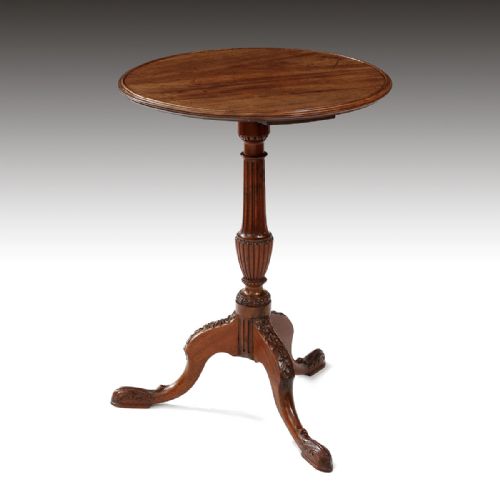
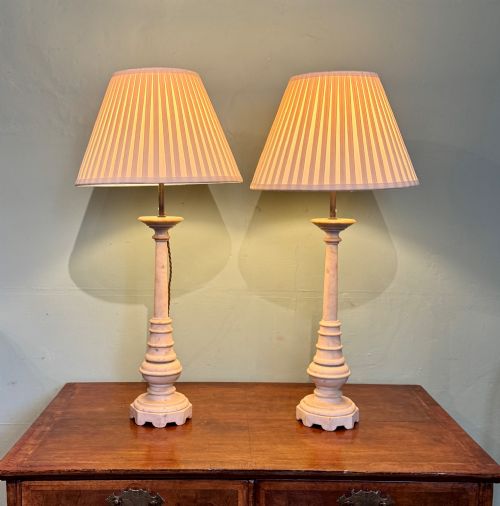
These carved column side table pieces bring compact classical proportion to a room, offering a sturdy pillar support for lamps, wine or display.
Carved Column Side Table
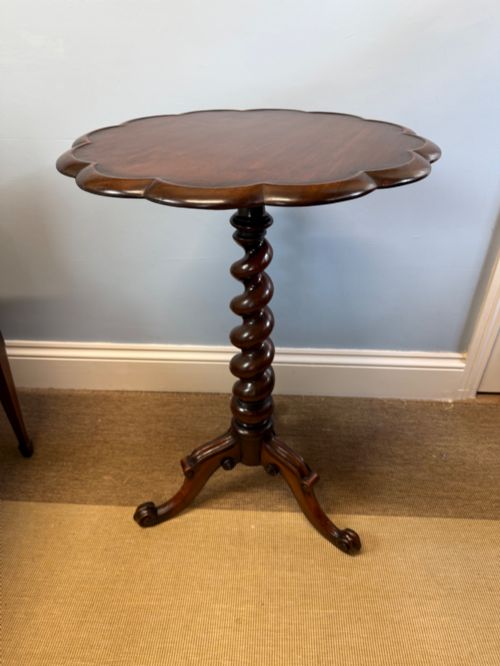
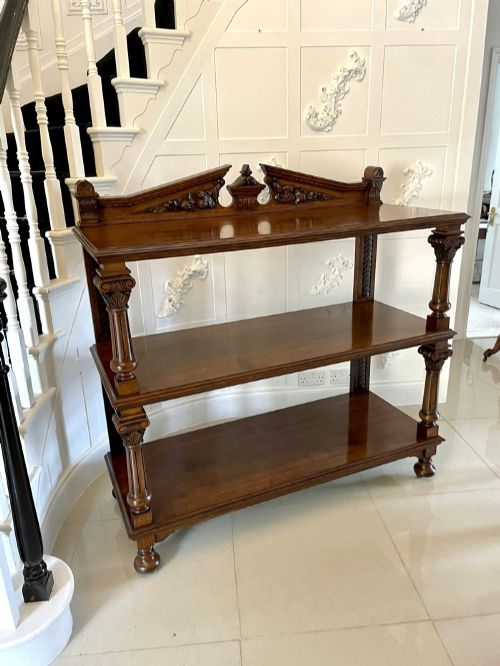
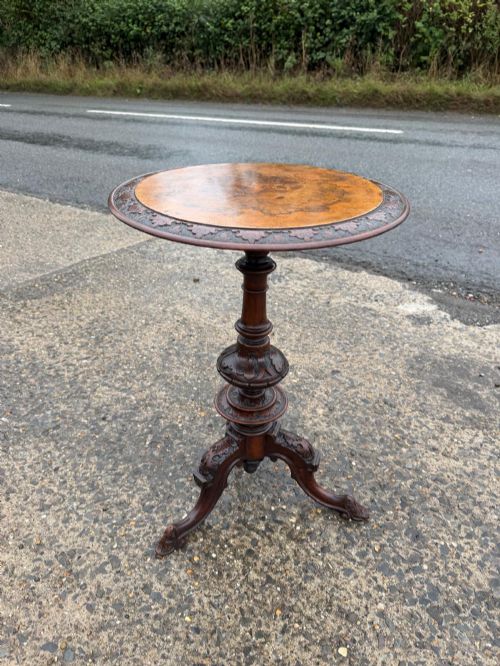
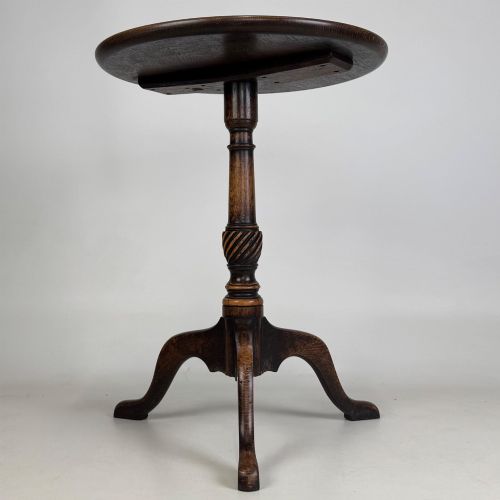
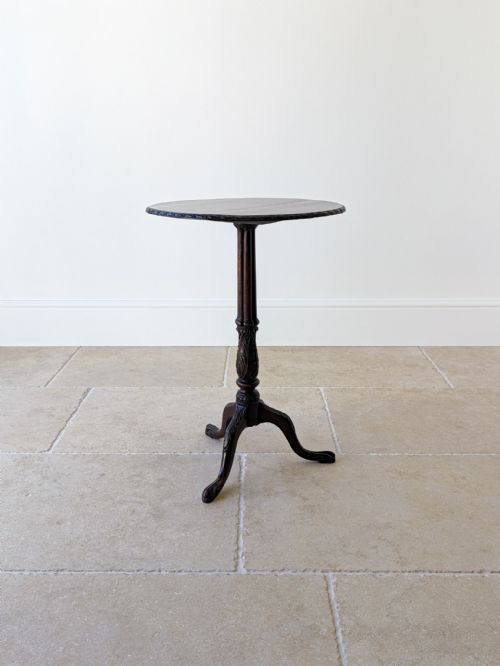
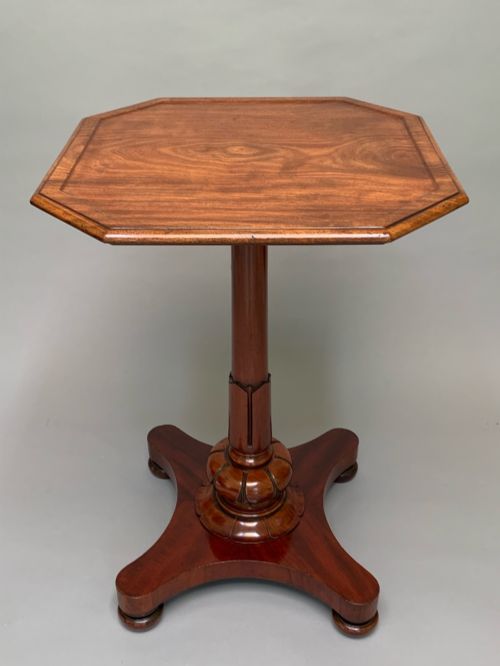
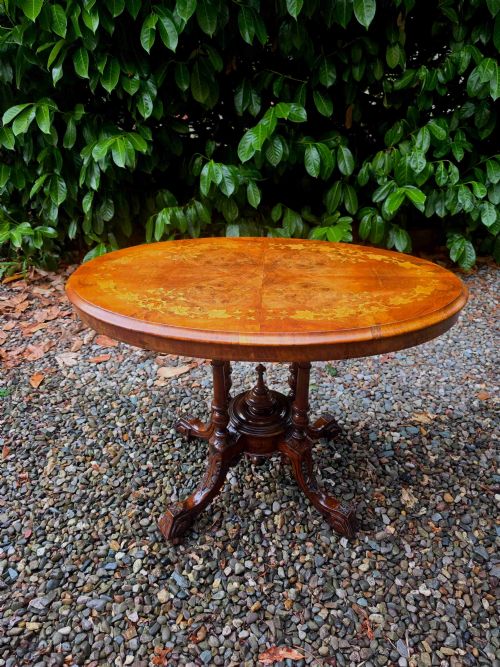
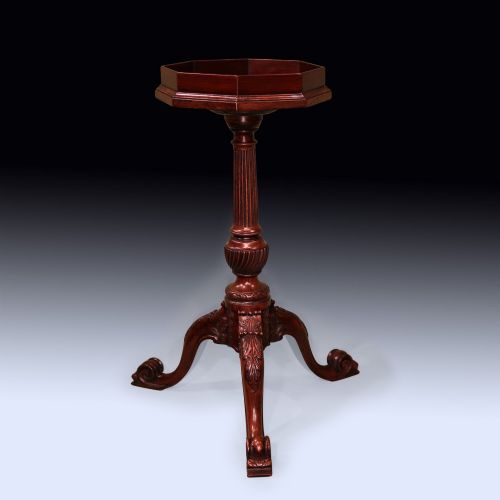
A carved column side table is primarily built around a central pedestal or pillar support, taking forms such as occasional tables, wine tables, lamp tables, and plant stands. The nineteenth century and Victorian periods supply the majority of examples seen here, often drawing on earlier design revivals.
Buyers will encounter various formats including tripod bases, heavier console tables, and multi-tiered stands. Woods such as mahogany, walnut, and oak dominate the selection, frequently paired with marble tops or intricate brass and inlay details.
Materials and construction methods
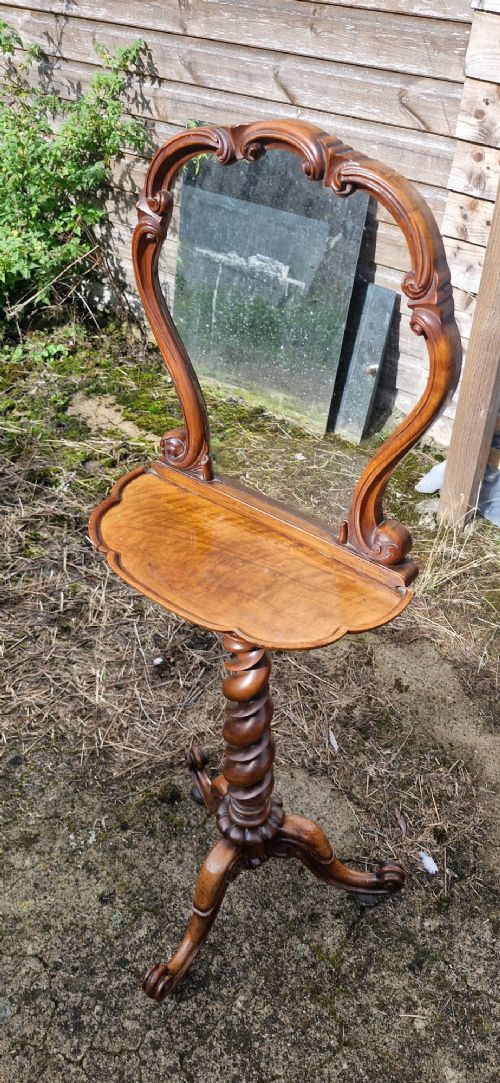
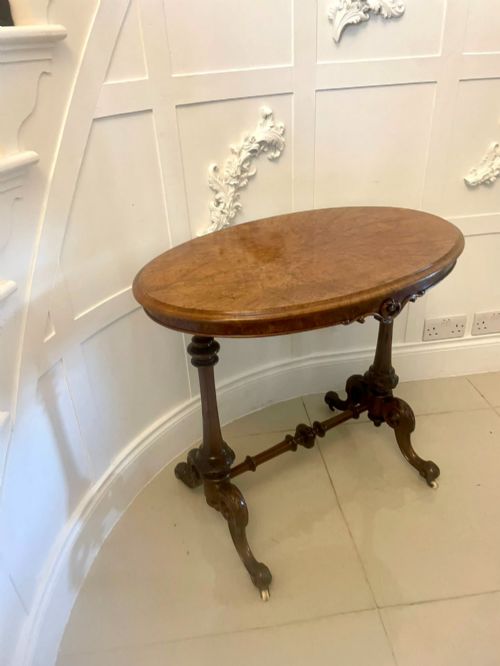
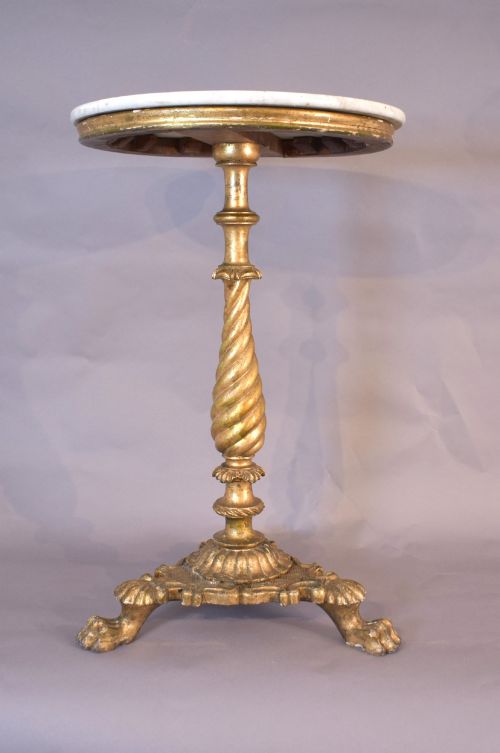
Cabinetmakers utilised dense timbers like mahogany, oak, and walnut, turning solid sections on lathes to create slender or barley twist columns. Burr woods and figured veneers were selected for tabletops to provide decorative grain patterns.
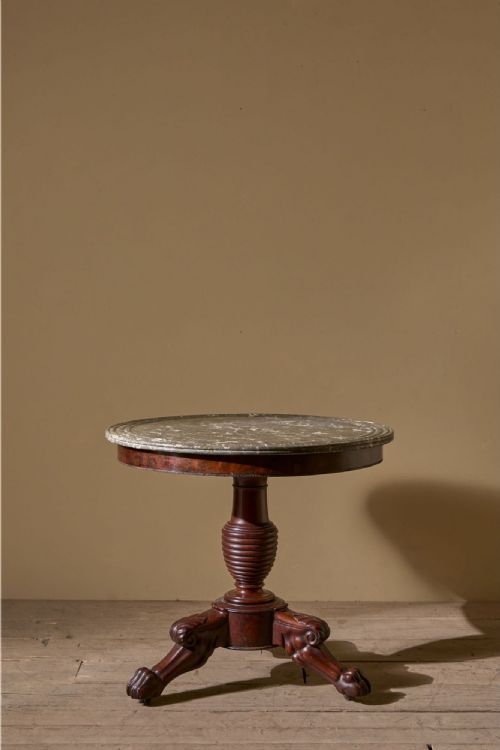
Carved wooden components were frequently combined with white or grey marble inserts, alabaster, and brass mounts. Tripod bases relied on robust pegged joints to ensure stability beneath the central pillar.
Carved Column Side Table Retail Price Guide 2026
Typical asking prices for carved column side table among the pieces listed under this phrase on Sellingantiques today, from the lower quarter to the upper quarter. They describe what is for sale here now, not the wider market.
One late nineteenth-century walnut stand takes the form of a crouching figure, bringing an unexpectedly theatrical presence to the corner of a room.
Evaluating craftsmanship and condition
Quality rests upon the crispness of the column carving and the stability of the central pillar joint where it meets the tripod legs or base. Superior pieces display thoughtful timber selection, such as matching burr walnut or fiddleback mahogany veneers.
Subtle details like boxwood stringing, inlaid marquetry, and the weight of the integrated marble tops differentiate standard utility tables from finer cabinet work.
Gillow
The Carved Column Side Table Glossary
- Tripod table
- A small freestanding table supported by a pillar on three legs. This construction prevents wobbling on uneven floors.
- Gueridon
- A small French table, often round and supported by a single column or figures. They frequently feature marble tops and painted surfaces.
- Dumbwaiter
- A multi-tiered stand used historically for serving food or holding tableware. Tiered versions save surface space in smaller rooms.
- Parquetry
- Geometric wood inlay forming a patterned surface on tabletops. It requires precise cutting of contrasting timber veneers.
- Padouk
- A dense tropical hardwood with a reddish brown colour used for durable furniture construction. It finishes with a smooth, heavy surface.
Carved Column Side Table: Frequently Asked Questions
What is a carved column side table used for?
These pieces function well beside seating to hold lamps, drinks, or books. Their compact footprints also make them suitable as plant stands or display surfaces in narrow hallways.
Larger console or centre table variants provide heavier statement surfaces against walls or in the middle of reception rooms.
How do I identify a Victorian side table?
Victorian examples often combine dark timbers like mahogany or walnut with turned central columns and heavy tripod or platform bases. Look for characteristic details such as burr wood veneers, applied carving, and occasional glass or marble inserts.
The scale tends to be compact, reflecting the domestic requirements of nineteenth-century parlours and drawing rooms.
Are marble top tables difficult to maintain?
Marble tops require gentle cleaning with mild, non-acidic soap and water to protect the polished surface from staining. Avoid placing citrus or harsh liquids directly on unsealed stone.
The stone provides a durable, heat-resistant surface that originally served practical functions for holding lamps or drinks.
What distinguishes a wine table from an occasional table?
Wine tables are typically smaller, featuring a single turned column and a round top designed originally to hold a glass and bottle. Occasional tables encompass a broader range of shapes, including rectangular, oval, and drop-leaf formats.
Both share the portable nature that allows them to be moved easily around a room as needed.