


English Oak Wine Stand
These English oak wine stands offer sturdy timber surfaces and raised tripod frames designed to hold bottles and glasses near the table.
English Oak Wine Stand
When you search for an English oak wine stand, you encounter compact circular tables and smaller circular coasters designed for holding bottles or serving drinks.
The selections span the Georgian and 18th century periods alongside later Victorian, Edwardian, and 1930s examples constructed in country or revival styles.
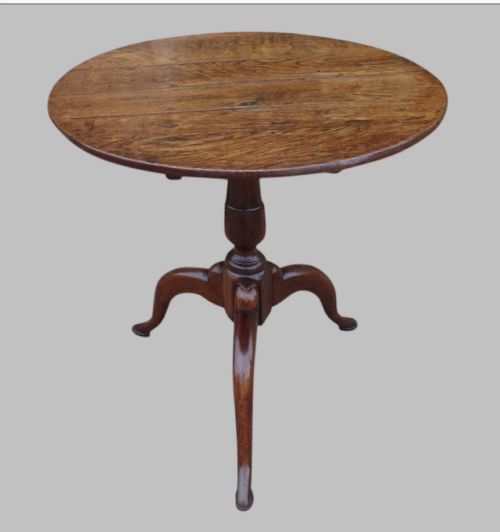
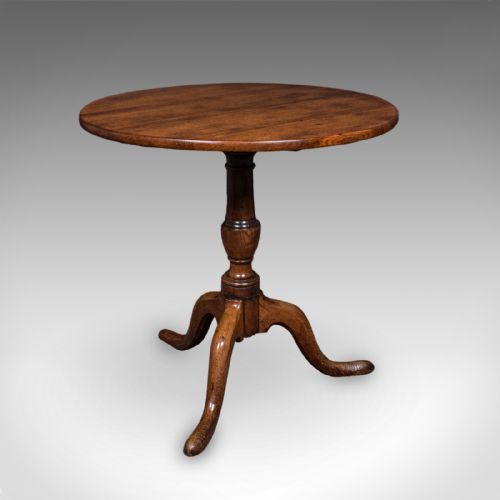
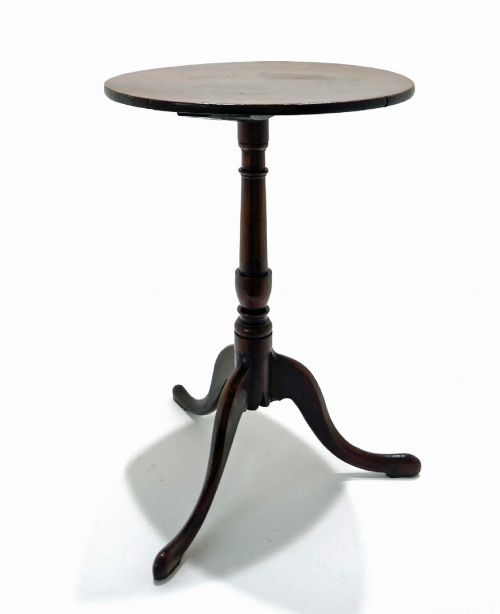
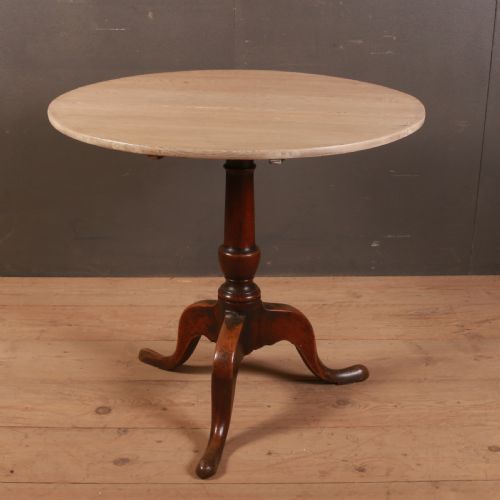
Common formats include tripod occasional tables with tilt tops, alongside low coopered wooden coasters fitted with brass bands.
Materials and construction methods
Makers utilised solid oak alongside contrasting timbers such as fruitwood, beech, yew wood, and satinwood for tops and slender supporting columns.
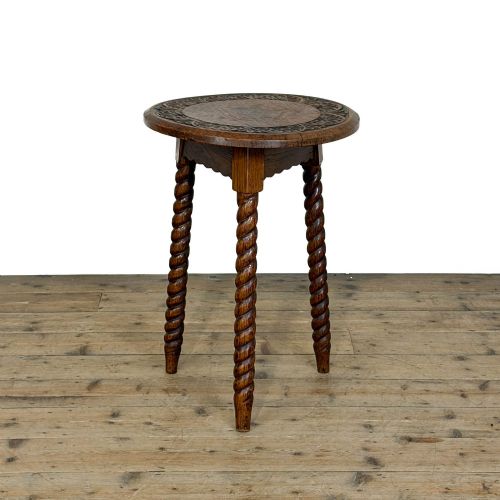
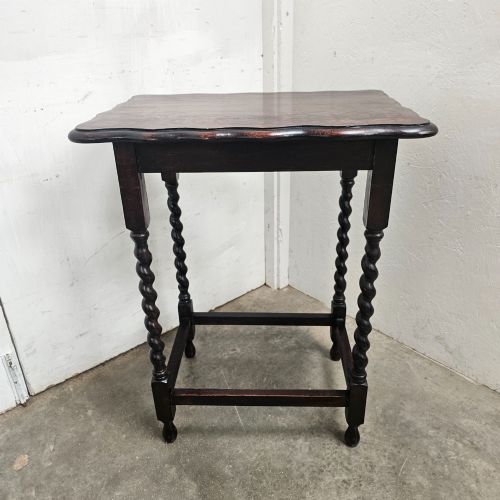
Coopers shaped staves of oak and bound them with brass hardware to create cylindrical vessels, while turners shaped three-legged bases and barley twist stems.
Listings span the eighteenth century through to the 1930s, incorporating oak, brass, fruitwood, beech, and yew wood.
Judging quality in domestic furniture
The distinction lies in the crispness of the turning on columns and the selection of timber figures in the grain of the top.
Simpler country pieces display honest pegged joints and utilitarian warmth, whereas refined Regency or Georgian interpretations exhibit more deliberate decorative veneers and harmonious proportions.
The English Oak Wine Stand Glossary
- Tilt top
- A tabletop mounted on a catch mechanism that allows the surface to pivot upright when not in use. This clever design saved floor space in smaller period rooms.
- Tripod table
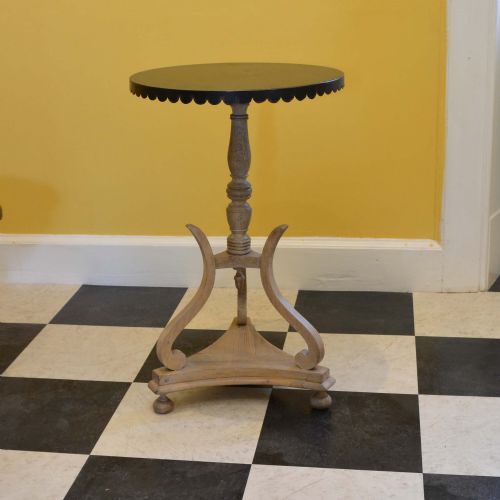
- A small freestanding table supported by three legs radiating from a central pillar. These stable structures sit firmly on uneven floorboards.
- Coopered
- Constructed from curved wooden staves joined edge to edge and bound with metal bands. This technique originates from barrel making.
- Barley twist
- A carved spiral column resembling the shape of a twisted stalk of barley. This decorative turning style appears frequently on later revival furniture.
English Oak Wine Stand: Frequently Asked Questions
What is an english oak wine stand used for?
These versatile pieces served primarily as portable surfaces for holding decanters, wine bottles, and drinking glasses during evening meals or gatherings.
Smaller coaster versions sat directly on the dining table to protect polished wood surfaces from moisture rings, while taller tripod tables stood beside seating.
How do I date an 18th century table?
Dating relies upon observing the construction techniques used in the underframe, such as hand-cut dovetails, peg fixings, and the turning style of the central column.
Earlier examples from the 1760s and 1780s generally display simpler country craftsmanship with fruitwood or oak tops, whereas later revival pieces show machine-cut precision.
Where should I place a wine stand?
These compact tables fit easily beside armchairs, in narrow hallways, or as lamp surfaces in rooms with limited floor space.
Their restrained proportions allow them to complement both period interiors and modern minimalist settings without dominating the room.
What is a coopered wine stand?
A coopered stand is built using curved wooden staves bound together with structural brass hoops, mirroring the traditional construction of drinking casks.
This robust method provides deep sides suitable for holding bottles securely while adding a distinctive industrial texture to the timber.