



Captains Desk Walnut
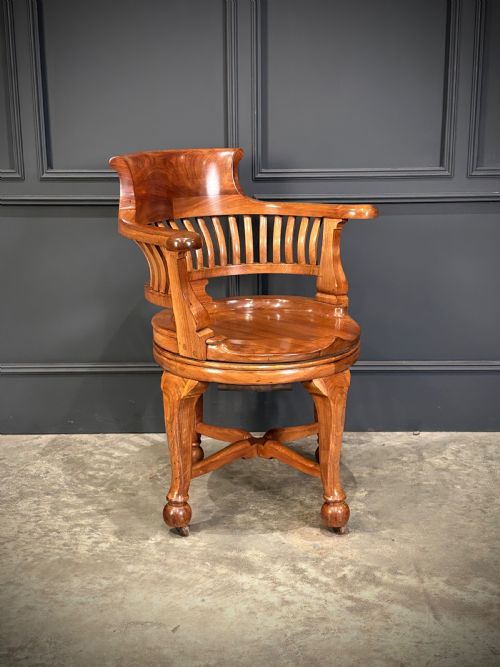
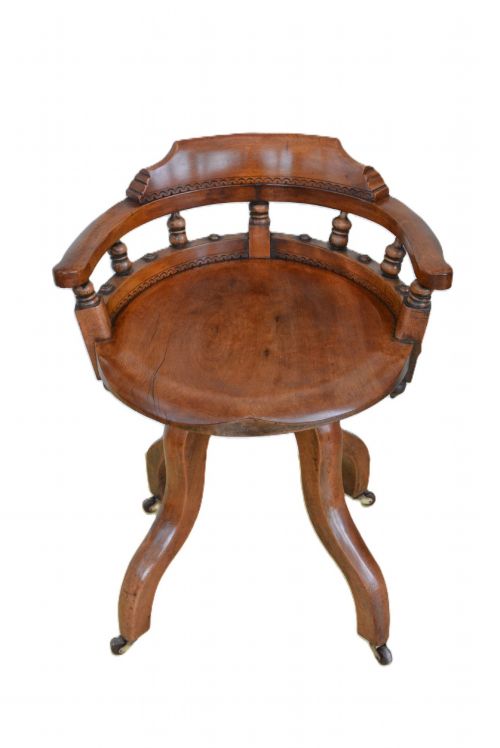
Captains desk walnut pieces are robust Victorian and Edwardian writing desks and swivelling chairs that bring rich timber grain and period utility to a study.
Captains Desk Walnut
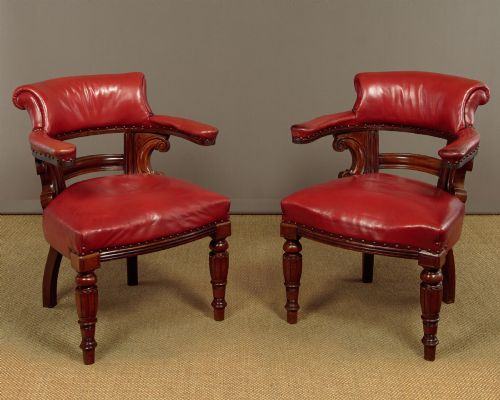
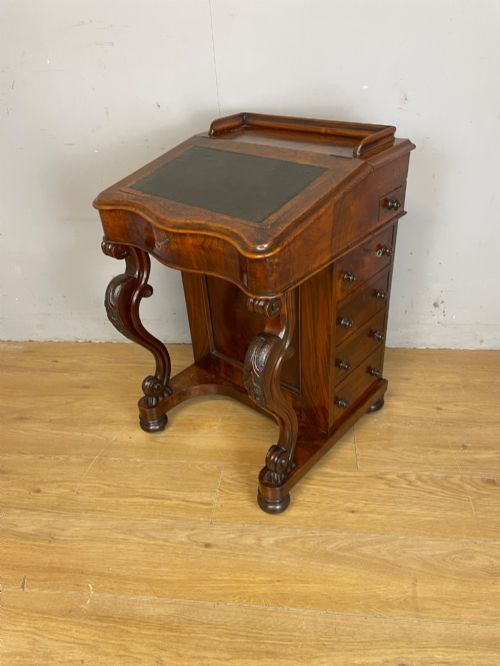
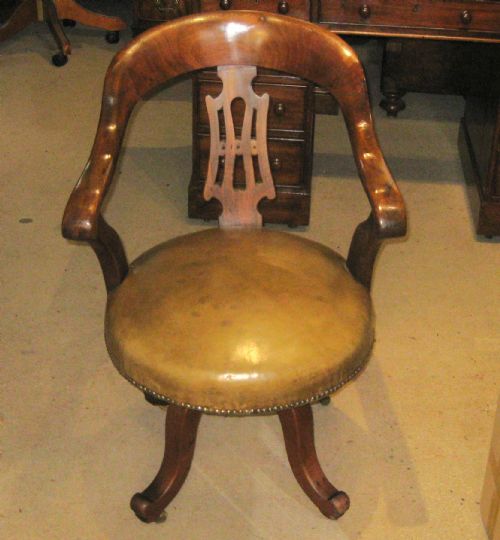
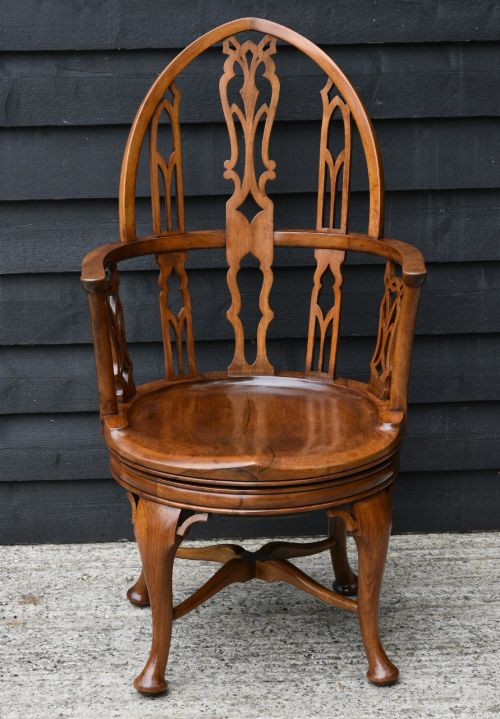
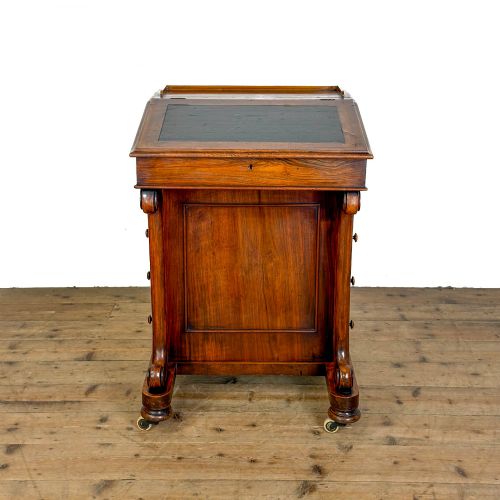
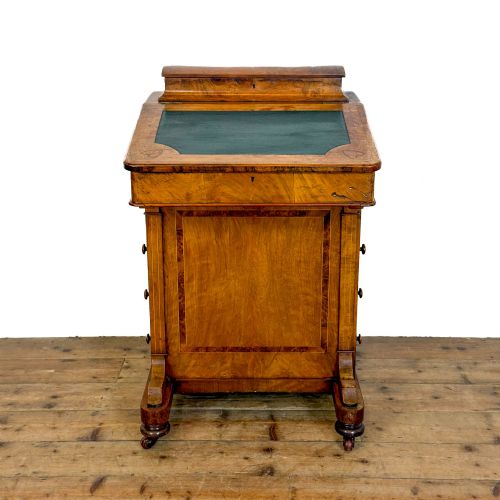
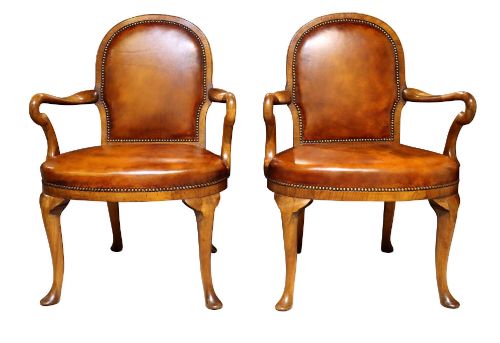
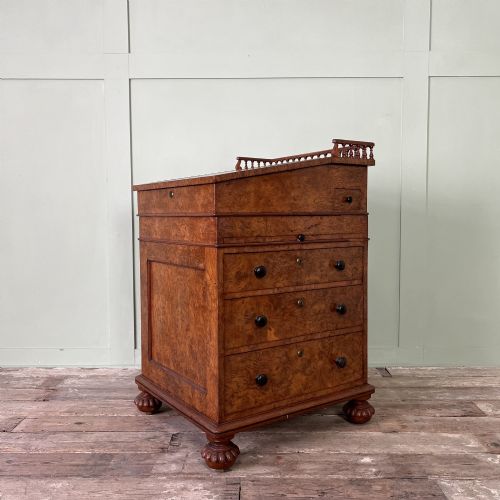
When you search for a captains desk walnut, you are looking at nineteenth-century writing furniture and swivelling desk chairs built during the Victorian and Edwardian periods. The selection here predominantly comprises compact Davenport desks with stationery compartments alongside revolving library and office armchairs.
These items originate from the middle and later decades of the nineteenth century, extending into the early twentieth century. You will encounter forms ranging from simple solid walnut swivel chairs to elaborate piano top Davenport desks with satinwood interiors.
How they were made
Cabinet makers utilised solid walnut and figured burr walnut veneers over secondary timbers, often embellishing the surfaces with boxwood inlay, floral marquetry and crossbanding. Iron mechanisms and brass castors were integrated into revolving chairs to allow smooth swivel and movement.
Writing surfaces were traditionally lined with leather or velvet inserts, while interiors frequently incorporated satinwood drawers and stationery fittings. Upholstered desk armchairs combined timber frames with buttoned leather or textile coverings.
Captains Desk Walnut Retail Price Guide 2026
Typical asking prices for captains desk walnut among the pieces listed under this phrase on Sellingantiques today, from the lower quarter to the upper quarter. They describe what is for sale here now, not the wider market.
Listings feature Victorian and Edwardian periods, utilising walnut, burr walnut, brass, leather, and boxwood inlay across desks and swivel armchairs.
What varies in quality
Quality rests upon the selection of timber veneers, such as richly figured burr walnut, and the crispness of marquetry or boxwood inlay. Finer pieces demonstrate superior cabinet-making in internal stationery compartments and secondary woods.
Mechanical complexity also distinguishes the range, separating standard fixed writing desks from pop-up Davenports and complex revolving swivel chair mechanisms that operate smoothly.
Gillow and Co·Gillows
The Captains Desk Walnut Glossary
- Davenport desk
- A compact writing desk featuring a sloping top above a bank of drawers, originating in the nineteenth century. These often include side drawers and interior stationery compartments.
- Burr walnut
- A veneer taken from the growth growths of walnut trees, prized for its swirling and highly decorative grain patterns. It frequently covers the exterior of finer Victorian desks.
- Revolving chair
- A desk chair fitted with an iron or wooden swivel mechanism allowing the seat to turn. They often feature upholstered leather seats and backs.
- Crossbanding
- A strip of veneer applied to the edges of a desktop or drawer front with the grain running perpendicular to the main surface. This technique frames the primary timber.
- Marquetry
- Decorative woodwork where pieces of veneer are fitted into a background to form floral or geometric designs. It is commonly seen on Victorian cabinet tops.
Captains Desk Walnut: Frequently Asked Questions
What is a captains desk walnut?
A captains desk walnut refers to nineteenth-century writing furniture and revolving armchairs constructed from walnut timber. These pieces include compact Davenport desks and swivelling office chairs designed for study use.
They combine practical storage compartments with durable timber frames, representing the domestic and office furnishings of the Victorian and Edwardian eras.
How do I identify a Davenport desk?
A Davenport is a small writing desk with a sloped, hinged writing surface that typically lifts to reveal a set of pigeonholes and small drawers. They often incorporate a bank of side drawers accessed from the user's right.
Many examples feature burr walnut veneers, decorative boxwood inlay, and pull-out stationery sections known as pop-up mechanisms.
Are revolving desk chairs adjustable?
Nineteenth-century revolving desk chairs utilise iron and wooden swivel mechanisms that allow the seat to turn completely round. Some models include height adjustment screw threads.
These sturdy chairs are padded with horsehair or modern upholstery and covered in leather or velvet for prolonged desk work.
How do I care for walnut veneer?
Walnut furniture requires protection from direct sunlight and excessive heat fluctuations to prevent the burr veneer from drying out or splitting. Regular dusting with a dry cloth keeps the surface clean.
Application of traditional beeswax helps nourish the wood and maintain the natural lustre of the polished grain over time.