



Cabriole Leg Wooden Sofa
A cabriole leg wooden sofa brings curved elegance to a room, offering period seating built from rich timber frames.
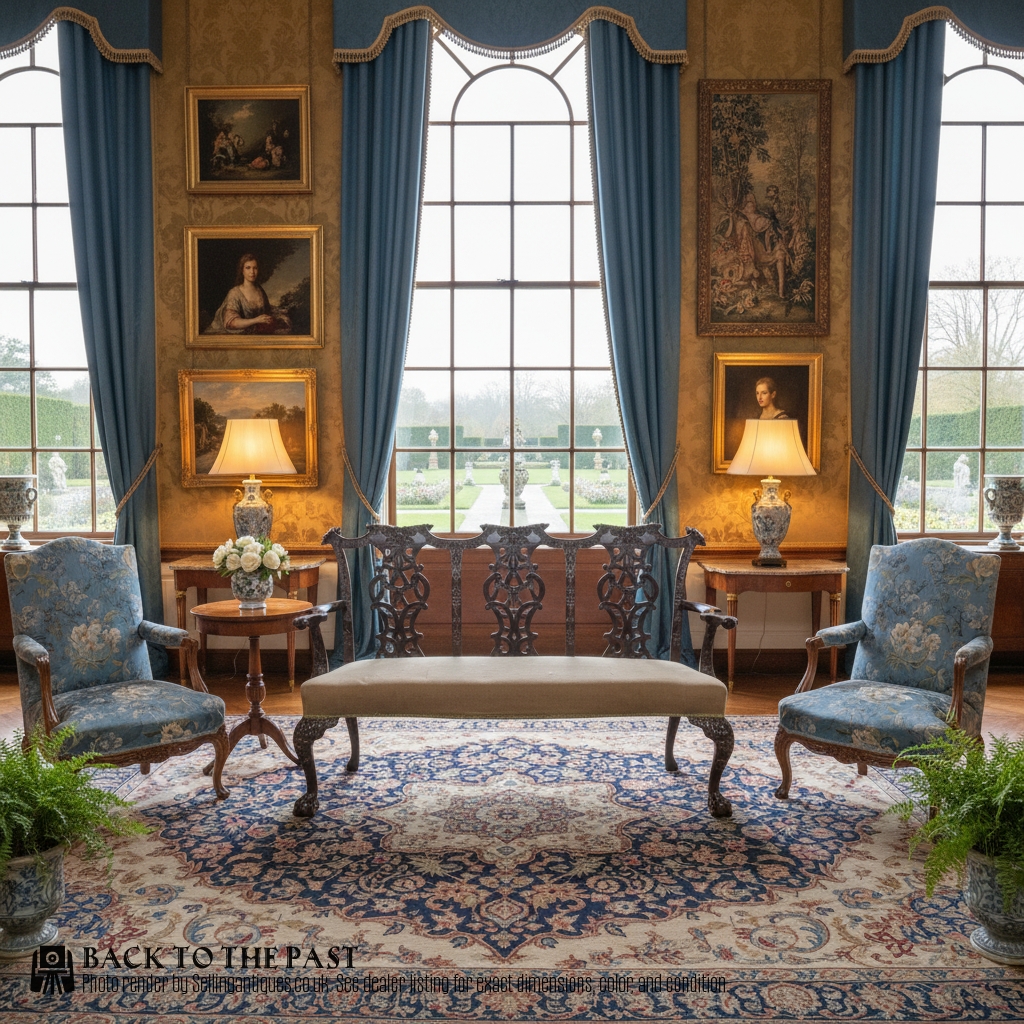
Cabriole Leg Wooden Sofa
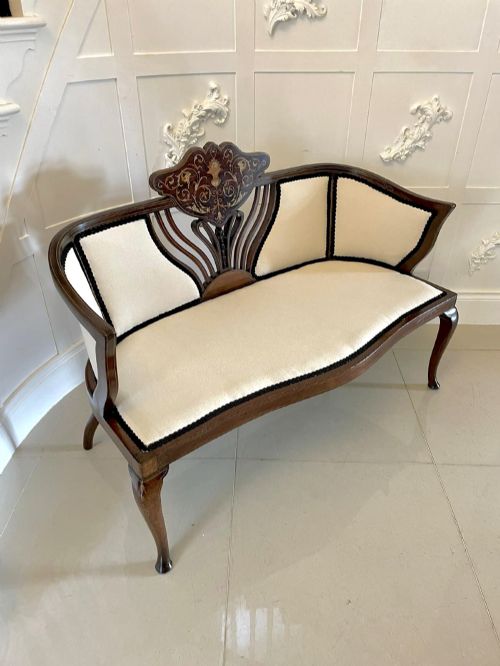
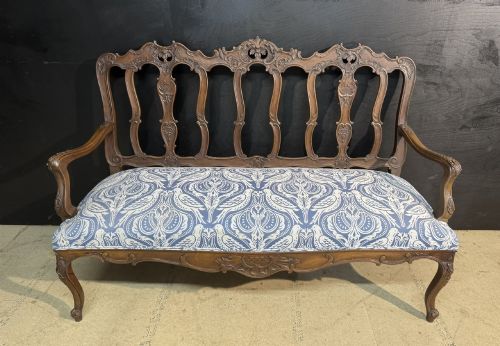
A cabriole leg wooden sofa is a seated piece featuring distinct double-curved supports, drawing heavily on historical revival movements. Buyers encounter examples stretching from the eighteenth century into the early twentieth century, spanning Victorian, Edwardian, and continental designs.
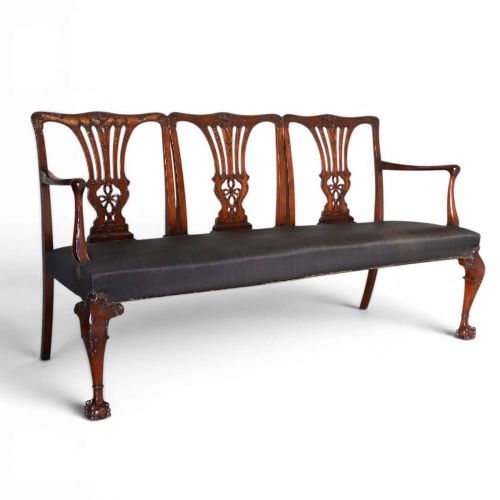
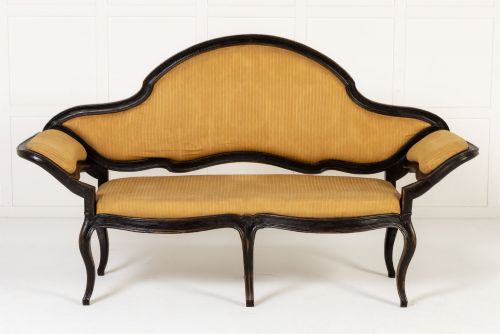
The selection here encompasses various seating formats, including two-seat and three-seat settees, alongside chair-back configurations. Mahogany and walnut dominate the frames, frequently paired with upholstered fabric seats.
Construction and Materials
Cabinetmakers constructed these frames using dense hardwoods like mahogany, walnut, and oak, often shaping the timber to form the characteristic curved legs. Carved ornamentation and occasional inlay work enhance the wooden structures.
Upholstered elements rely on traditional stuffing and fabric coverings fixed directly to the wooden carcase. Surface finishes range from polished French polish to painted treatments on continental pieces.
The inventory includes multiple examples from the Victorian era and the Edwardian period.
Quality Variations
The standard of carving on the cabriole legs and frame dictates much of the visual distinction between pieces. Crisp, deeply hand-carved details separate superior examples from simpler, flatter production.
The choice of timber grain, particularly burr walnut or figured mahogany, elevates the presence of a settee. Originality of the frame construction and the cohesion of revival styles also influence the character of each piece.
W. Turner Lord & Co·Gillow
The Cabriole Leg Wooden Sofa Glossary
- Cabriole leg
- A furniture leg featuring a double curve, typically swelling outward at the knee and tapering inward to a foot. This design was popular during the eighteenth century and later revival periods.
- Chippendale
- A style of eighteenth-century English furniture characterised by carved mahogany, ribbon backs, and cabriole supports. Edwardian and Victorian makers later produced revivals of these designs.
- Louis XV style
- A continental aesthetic defined by asymmetry, scrolling foliage, and cabriole legs. French painted and carved walnut settees often employ this vocabulary.
- Settee
- A long upholstered seat with a back and arms, designed for multiple occupants. These form the primary seating units found alongside sofas in this category.
- Inlay
- A decorative technique where contrasting wood or brass is inserted into recesses within the primary timber surface. This method appears on Victorian mahogany furniture.
Cabriole Leg Wooden Sofa: Frequently Asked Questions
What periods do these sofas date from?
The listings span the eighteenth, nineteenth, and early twentieth centuries, including Victorian and Edwardian examples alongside specific revival pieces.
Craftsmen across these eras reinterpreted earlier furniture styles, meaning a nineteenth-century settee often mirrors eighteenth-century forms.
How do I identify a cabriole leg?
A cabriole leg bends outward at the top knee and curves inward toward the foot, mimicking animal limbs. It requires skilled woodworking to shape from solid timber.
This distinct profile defines the aesthetic of the wooden sofas and settees listed here.
Are these sofas upholstered?
Most of these settees combine exposed wooden frames with upholstered seat pads and backs. Fabrics vary from period textiles to later replacement coverings.
The underlying wooden structures remain the primary focus for dating and identifying the specific style.
What woods were used for the frames?
Cabinetmakers utilised dense hardwoods including mahogany, walnut, oak, and rosewood. Burr walnut and figured mahogany frequently appear on finer Victorian and revival pieces.
Some continental examples feature painted finishes applied directly over the wooden carcase.