


Chippendale Style Settee
These chippendale style settee pieces bring enduring revival design to a room, offering classic seating built for both comfort and presence.
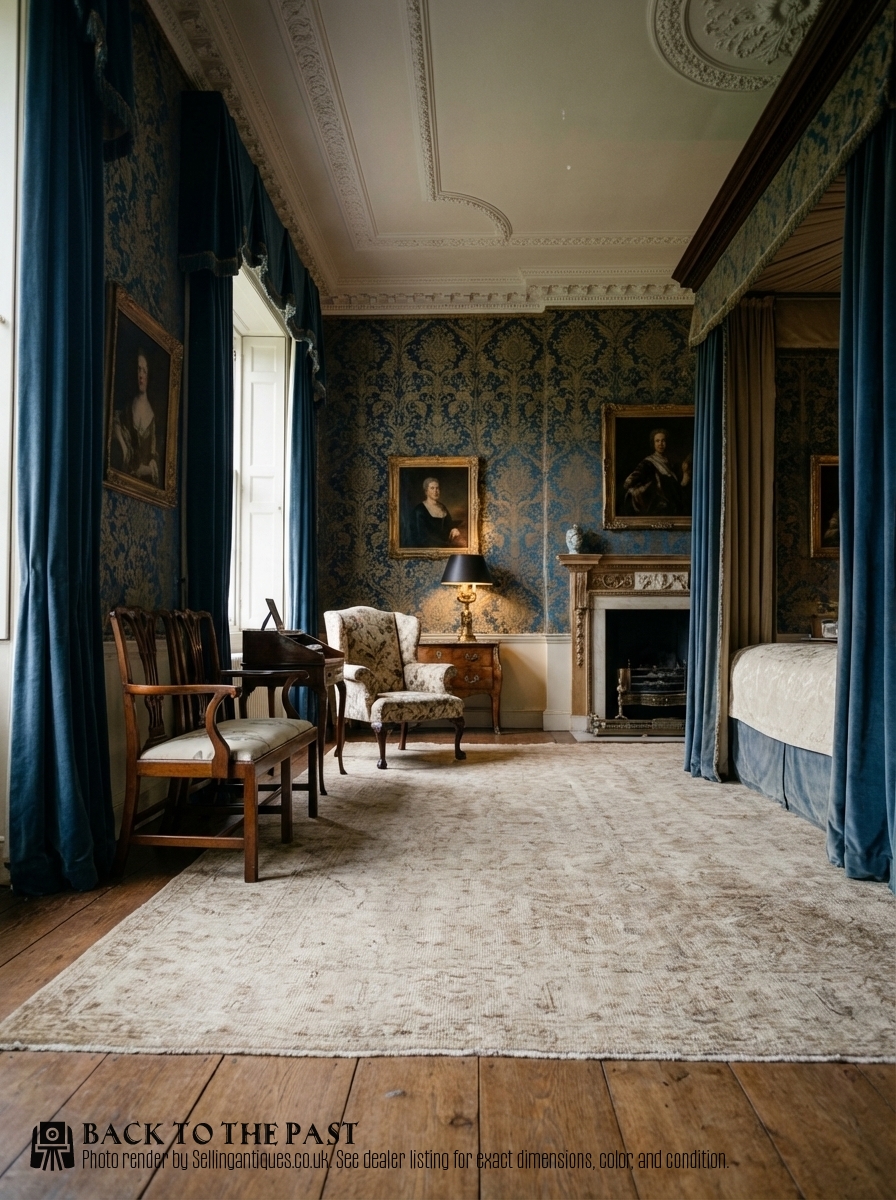
Chippendale style settee types and origins
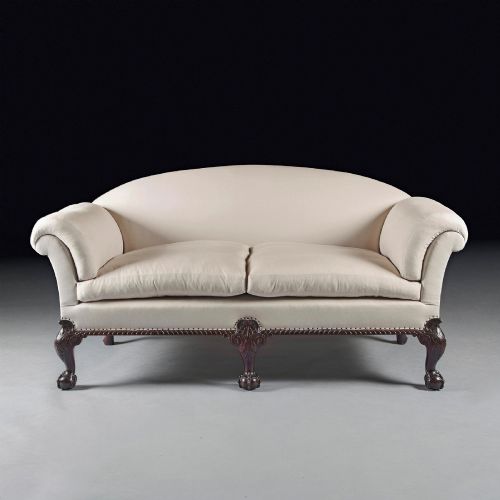
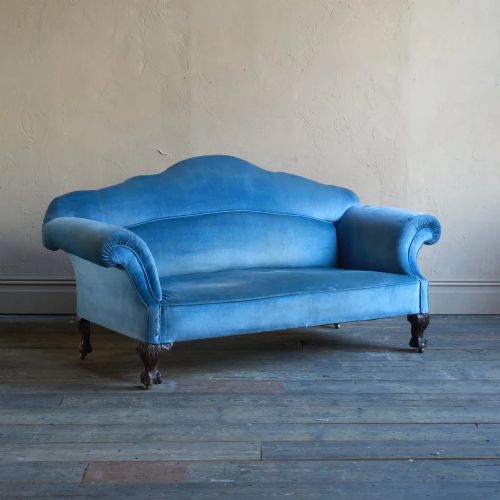
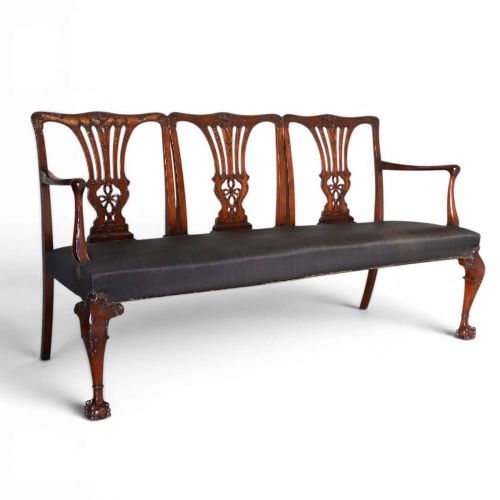
A chippendale style settee represents revival seating taking inspiration from eighteenth-century English cabinet-making traditions. You encounter forms ranging from camelback designs to chair back settees and triple chair back frames.
The pieces on this page span the nineteenth century through to the Edwardian era and the nineteen-thirties. Makers drew upon Georgian Revival and Chinese Chippendale revival aesthetics to produce these items.
Common formats include two-seater and three-seater sofas, along with occasional pairs. Upholstered options sit alongside cane bergere versions.
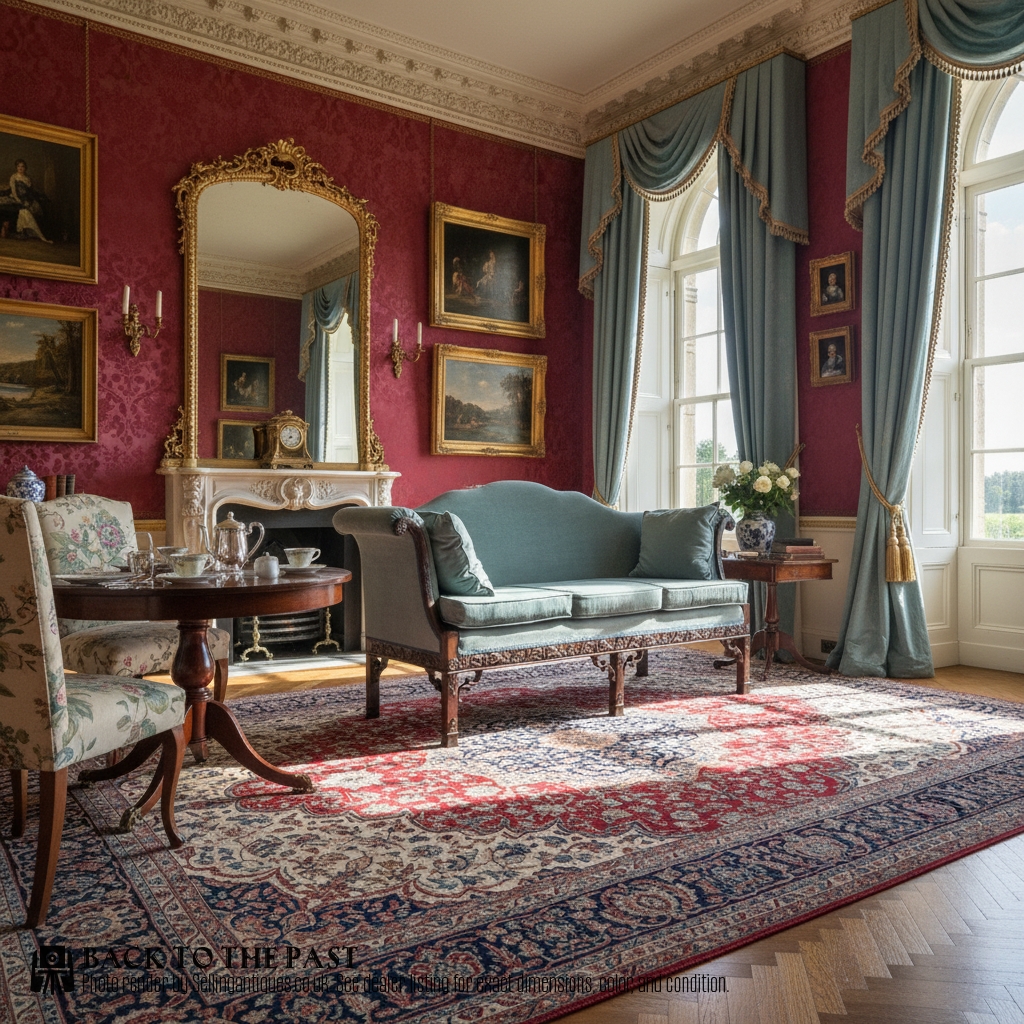
Materials and construction methods
Construction relies heavily on mahogany, alongside occasional walnut frames. Carved woodwork defines the structure of these frames.
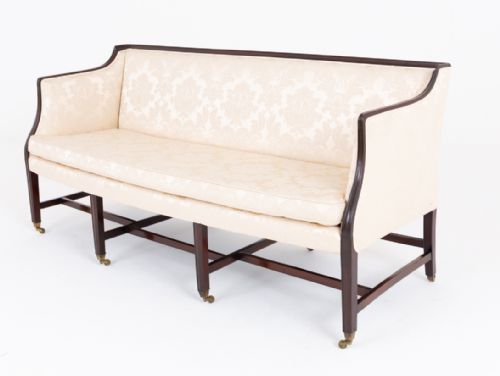
Upholstery uses fabric, velvet, and damask textile. Some pieces incorporate cane work within their design.
Retail Price Guide 2026
Typical UK retail prices for chippendale style settee, calculated from the Sellingantiques database of over a million retail prices indexed since 2003. This retail price guide relies exclusively on Sellingantiques data; no external sources or auction records are used, so the figures do not describe the wider market.
Listings feature mahogany and walnut frames paired with velvet, fabric, damask textile, and cane.
Judging design and execution
The refinement of the carved woodwork distinguishes different examples. Crisp execution in chair backs and frame mouldings elevates the piece.
The choice of covering material and the intricacy of the frame construction influence the character of each settee.
J S Kinsey
The Chippendale Style Settee Glossary
- Camelback
- A sofa or settee back featuring a characteristic undulating curved top rail resembling a camel's hump. This profile became a hallmark of refined eighteenth-century seating.
- Bergere
- An enclosed upholstered armchair or settee frame typically featuring exposed wood and cane panelling. The style originated in France before influencing British revival furniture.
- Damask
- A reversible figured textile woven on a loom with patterns formed by contrasting warp and weft threads. It provides a formal upholstered finish for traditional seating.
- Chippendale
- A style of English furniture originating in the mid-eighteenth century associated with cabinet maker Thomas Chippendale. Revival iterations interpret these classical proportions for later homes.
Frequently Asked Questions
What periods do these settees come from?
The pieces span the nineteenth century, the Edwardian period, and the early twentieth century up to the nineteen-thirties.
Revival interest peaked during these later decades, producing various interpretations of earlier cabinet-making styles.
What woods were used in these frames?
Mahogany forms the primary timber for the vast majority of these frames. Walnut also appears among specific revival examples.
These dense hardwoods provided the structural strength necessary for intricate hand carving.
How do chair back settees differ from standard sofas?
Chair back designs feature a wooden upper rail and splats that visually replicate a row of joined chairs. Standard sofas rely on continuous upholstered backs.
Triple chair back versions offer an extended seating arrangement using this compartmentalised wooden structure.
What upholstery materials appear on these pieces?
Original and replacement coverings include woven fabric, plush velvet, and patterned damask textile. Cane panelling also appears on specific bergere suite pieces.
These materials match the formal character of the revival woodwork.