



Burgundy Wool Carpet
When choosing a burgundy wool carpet, you are selecting a substantial floor covering that brings deep, rich tones and traditional textile craftsmanship into a room.
Burgundy Wool Carpet
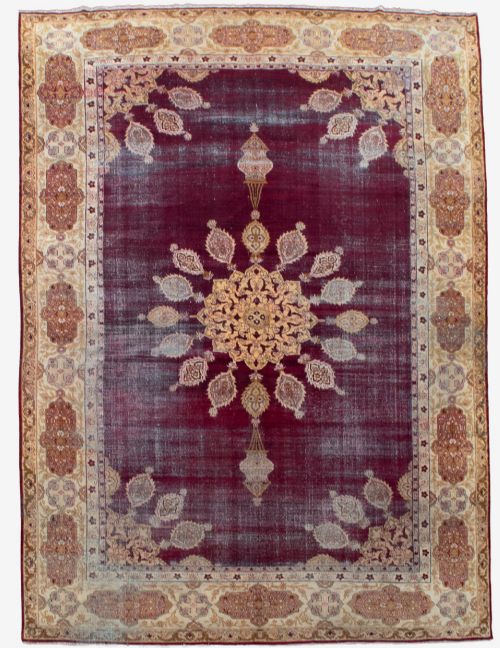
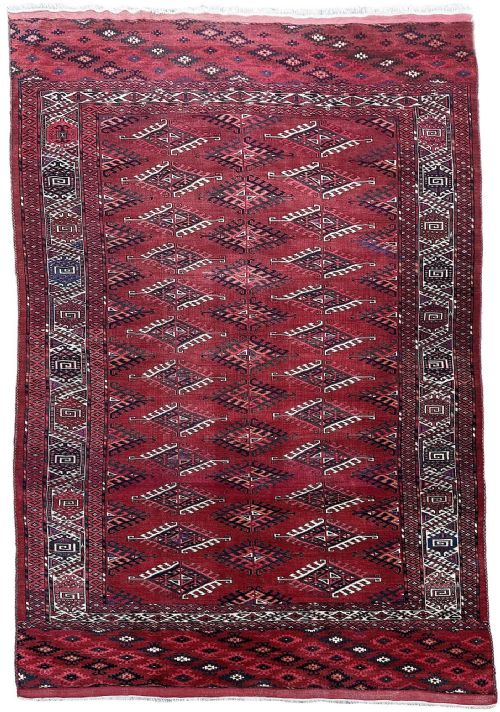
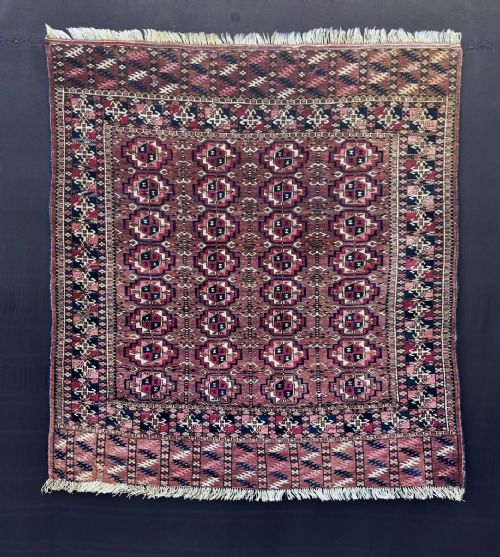
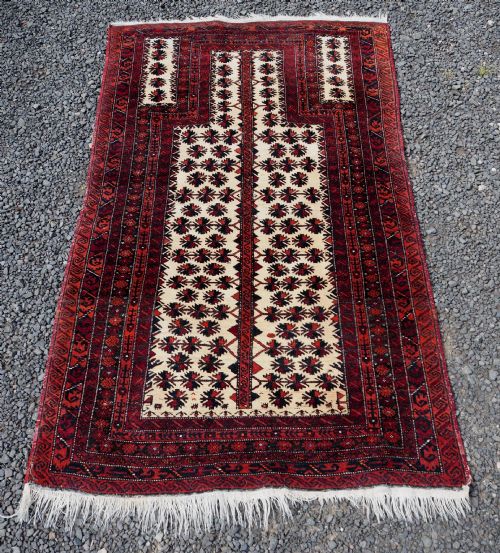
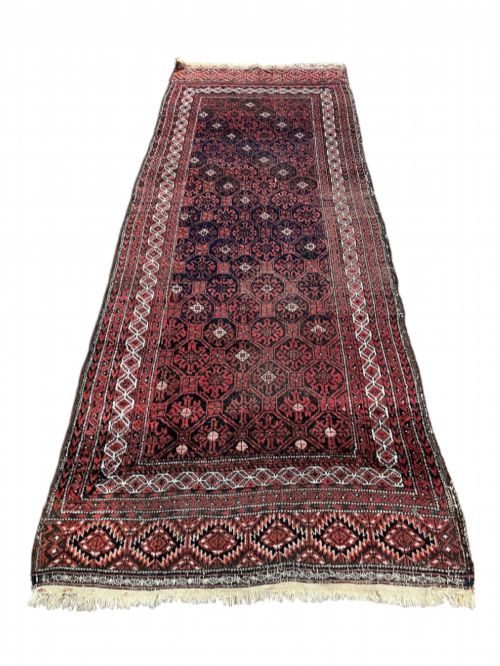
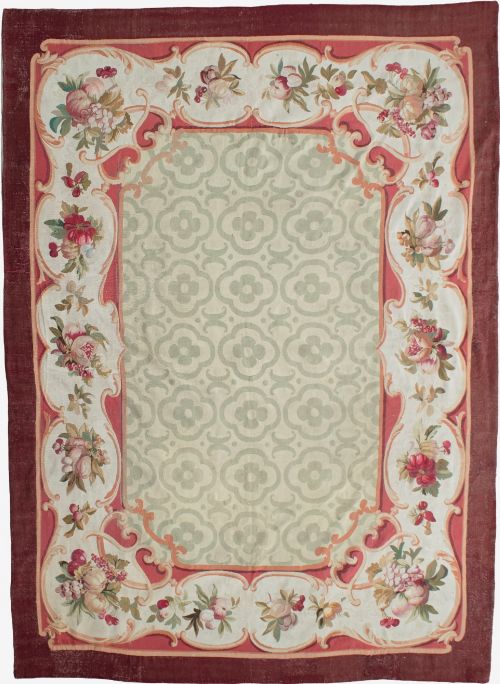
A burgundy wool carpet encompasses a variety of hand-knotted and woven floor coverings, including large country house examples, runners, and tribal textiles featuring deep red and reddish-brown colourways.
The pieces available in this category range from nineteenth-century Turkmen tribal weavings and Afghan village rugs to French Aubusson carpets and traditional Indian carpets.
Buyers seeking a burgundy wool carpet will find formats spanning from compact dowry rugs and torbas to expansive room-sized carpets dating from the mid-nineteenth century to the early twentieth century.
Materials and construction
These textiles rely primarily on wool and hand-spun wool, often paired with cotton foundations and occasionally highlighted with silk elements.
Weavers utilised natural dyes to achieve the deep reds and varied hues characteristic of these traditional carpets and rugs.
Listings span periods from the early nineteenth century through the 1920s, featuring wool, cotton, and natural dyes.
Assessing quality in antique carpets
Quality in these textiles rests upon the density of the weave, the clarity of the tribal or classical design, and the integrity of the wool fibres.
Finer examples display precision in intricate motifs such as guls, curled leaves, or prayer mihrabs, alongside well-preserved structural elements like plain weave backs and complete kilim ends.
The Burgundy Wool Carpet Glossary
- Torba
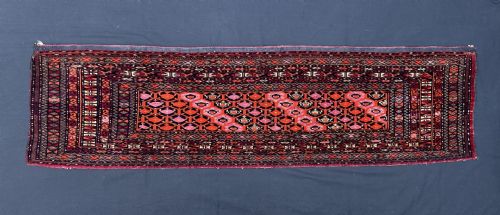
- A small Turkmen wall hanging or storage bag used within a yurt. These pieces typically feature characteristic guls and fine knotting.
- Gul
- A medallion or repeated octagonal motif found in Turkmen and Central Asian tribal carpets. Each tribal group traditionally utilised distinct variations.
- Soumak
- A flat-weave technique utilising a wrapping stitch over the warp threads. This method creates a sturdier structure than standard kilims.
- Ensi
- A tribal door hanging used by Turkmen tribes to cover the entrance of a tent. They often feature a distinctive cross-panel design.
- Prayer rug
- A small rug featuring a mihrab niche design indicating the direction of prayer. These were produced across various regions including Anatolia and Baluchistan.
Burgundy Wool Carpet: Frequently Asked Questions
How do I care for an antique wool carpet?
Vacuum gently without using a rotating brush roll to protect the historic wool fibres. Professional cleaning is recommended when necessary to preserve the natural dyes.
Keep the carpet out of direct sunlight to prevent fading of the deep red and burgundy tones. Rotating the piece periodically ensures even wear in high-traffic areas.
Where were these carpets originally made?
The pieces originate from diverse regions, including the Trans-Caspian steppes, Afghanistan, Anatolia, and France. Tribal groups such as the Tekke, Yomut, and Sariq produced many of the Central Asian examples.
Other items reflect European craftsmanship, such as Aubusson weave carpets, or large-scale production from centres like Amritsar. Each origin imparts distinct structural and stylistic traits.
Can I use a runner rug in a hallway?
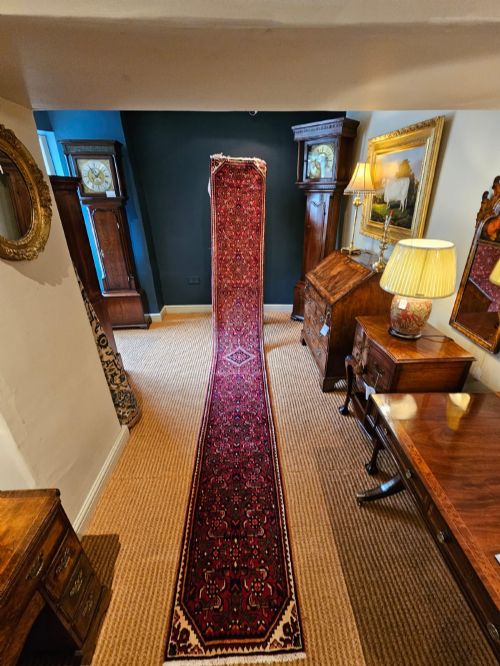
Runner rugs suit narrow spaces such as hallways, corridors, or beside beds. Their elongated format accommodates foot traffic while introducing historical pattern to transitional areas.
Ensuring a suitable underlay keeps the textile stable on hard flooring. This protects the wool foundation from excessive friction over time.