


Buddhist Deity Figure
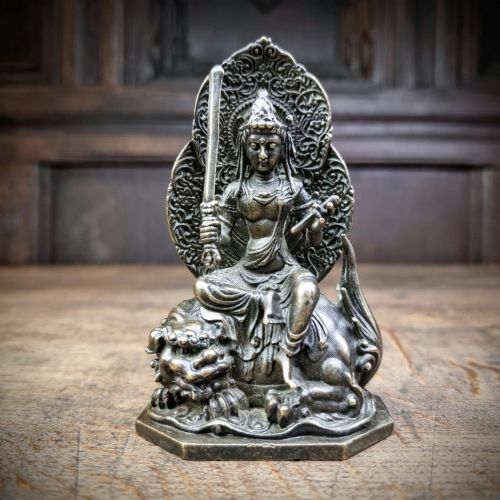
A buddhist deity figure brings centuries of ritual focus and master metalwork into a room.
Buddhist Deity Figure
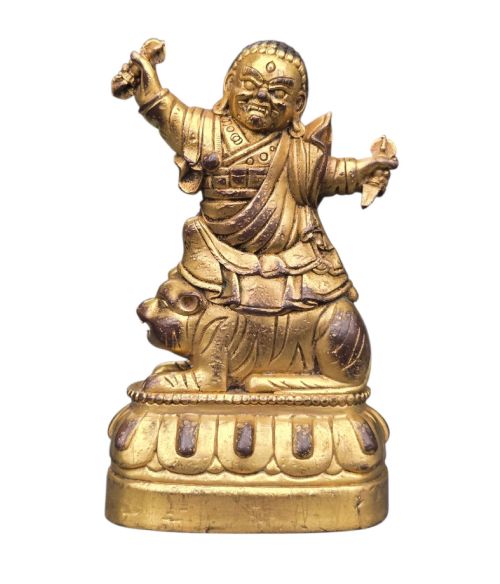
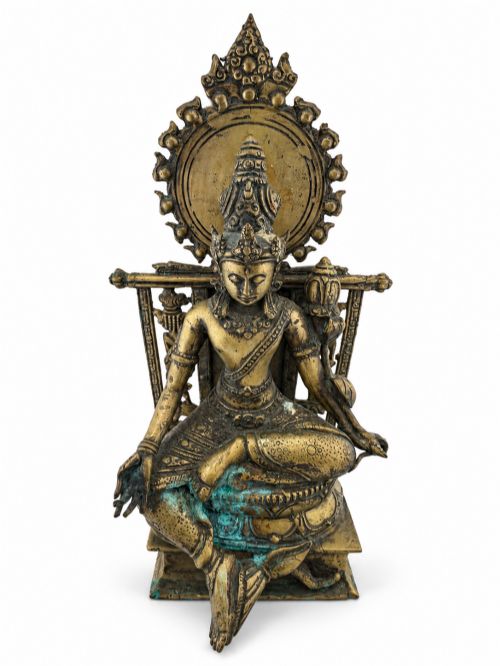
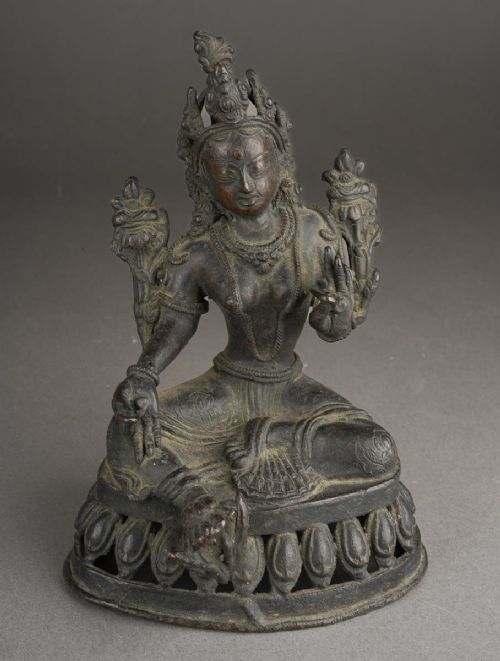
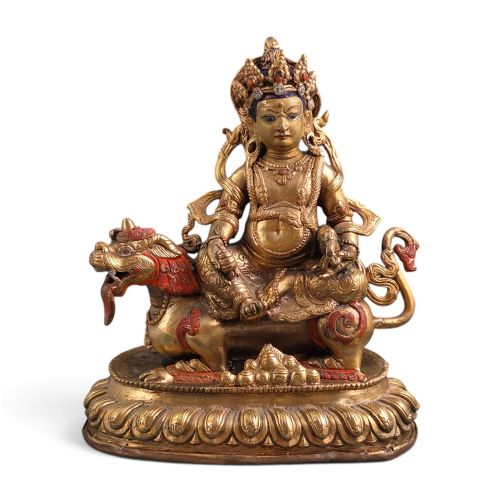
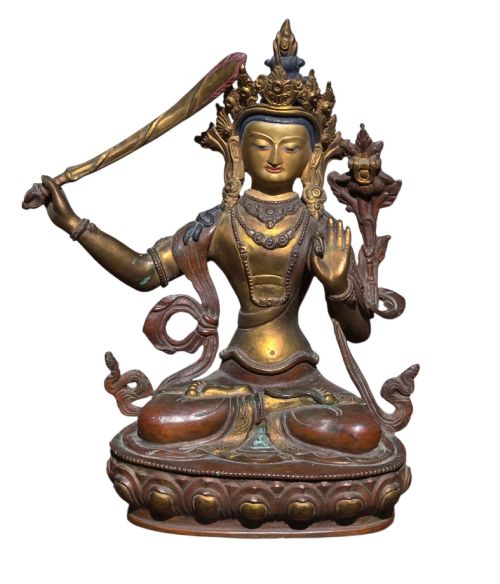
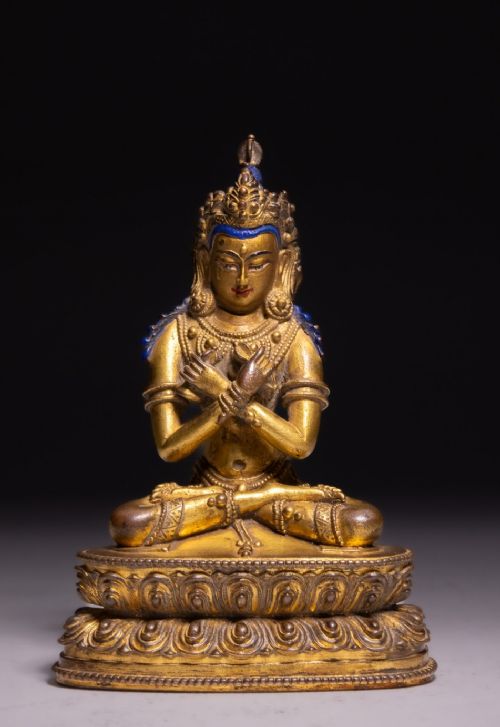
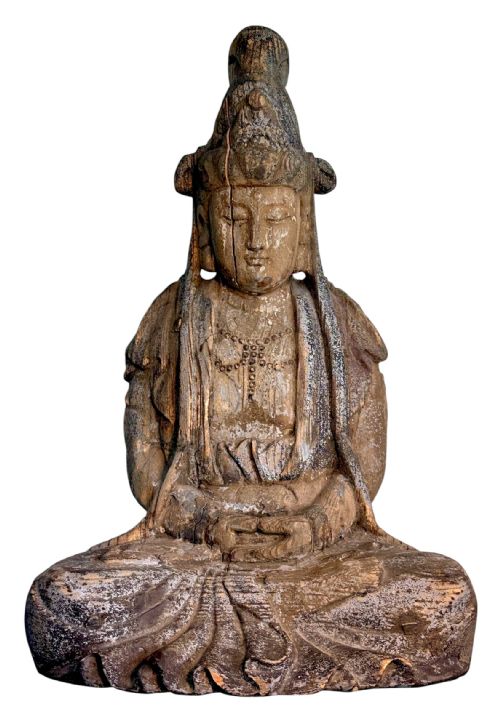
A buddhist deity figure is a sculptural representation of a revered spiritual figure, originating from traditions across Tibet, Nepal, China, and Southeast Asia. These pieces serve as objects of devotion and artistic mastery, capturing sacred iconography in cast metal or carved timber.
The selections available here lean heavily toward bronze and gilt bronze devotional statues from the eighteenth and nineteenth centuries. Alongside these cast metal forms, collectors encounter wooden sculptures and polychrome figures representing various regional stylistic traditions.
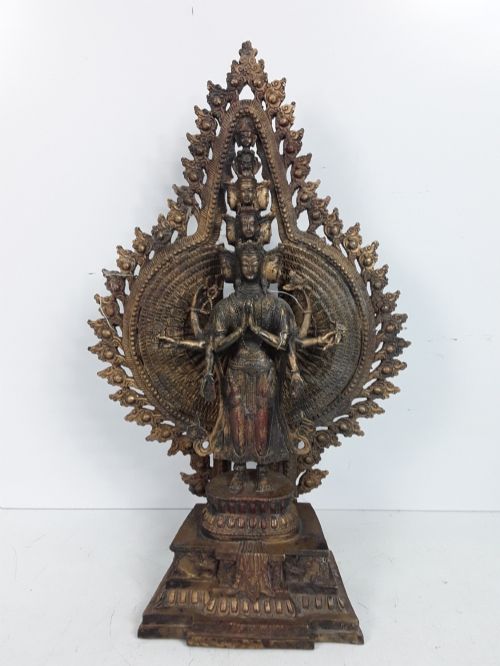
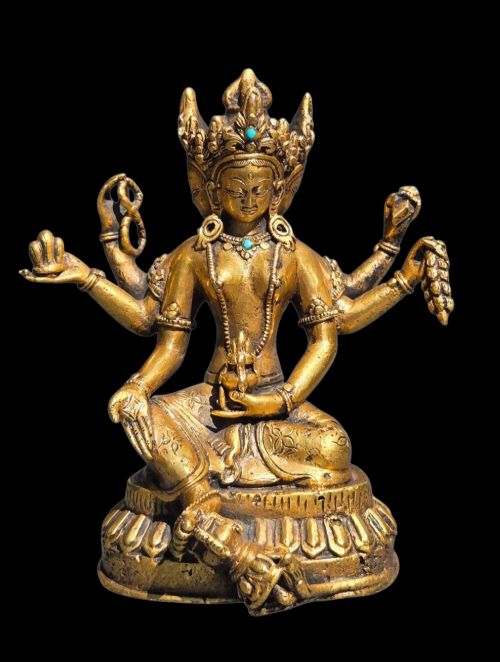
Origin points span Sino-Tibetan workshops, Himalayan regions, and Southeast Asian centres such as Burma, Thailand, and Java. Each region contributes distinct stylistic traits, from multi-armed manifestations to serene seated postures.
Materials and Technique
Foundry work relies heavily on copper alloy and bronze, often finished with fire gilding that leaves a rich golden surface over the underlying metal. Artisans utilise lost-wax casting methods to achieve intricate detail in robes, jewellery, and facial expressions.
Woodcarvers employ native timbers, frequently layering them with pigment, lacquer, or gold leaf to create polychrome shrine figures. Inlays of turquoise and other minerals add concentrated spots of colour to cast metal ornaments.
Surface treatments range from polished patinas to traces of original paint and gilding that survive centuries of handling and ritual use.
Some eleven-headed deities keep an extra visage at the back just to scold gossipers.
Judging Quality
Quality rests in the crispness of the casting and the depth of the hand-chased detail on hair, garments, and lotus bases. Superior pieces display anatomical proportion and expressive serenity that weaker regional copies miss.
The survival of original gilding, cold gold, and mineral pigments elevates a figure above stripped or over-cleaned examples. Heavier gauge metalwork denotes a more substantial creation.
Proportion and balance in complex multi-figure or multi-armed compositions reveal the skill of the original workshop.
Unno Shomin
The Buddhist Deity Figure Glossary
- Bodhisattva
- An enlightened being who delays nirvana to assist others. They typically wear elaborate princely ornaments rather than monastic robes.
- Gilt bronze
- Metal cast from a copper alloy and coated with a thin layer of gold amalgam. Heating vaporises the mercury, leaving a permanent gold skin.
- Lost-wax casting
- A method where a model is encased in wax, melted out, and replaced with molten metal. This technique allows for undercut details and complex forms.
- Polychrome
- Painted in several colours. This term describes wooden or stone sculptures finished with layers of pigment.
- Sino-Tibetan
- A stylistic crossover blending Tibetan Buddhist iconography with Chinese imperial manufacturing techniques. These pieces often feature lotus bases and refined drapery.
Buddhist Deity Figure: Frequently Asked Questions
How do I identify the specific deity?
Look to hand gestures, known as mudras, and held attributes such as lotus flowers, swords, or vessels. Specific headwear and the number of arms also point to the identity of the figure.
Headdresses and posture provide further clues for distinguishing between manifestations of compassion like Avalokiteshvara and fierce protective deities.
Where should I display a heavy bronze?
Place heavier cast metal figures on stable low furniture or dedicated stands capable of supporting substantial weight. Ensure the display surface remains level and protected from direct moisture.
Allow enough surrounding space for the silhouette and detailed casting to be appreciated from multiple angles.
How do I clean an antique gilt surface?
Dust gently with a soft dry brush and avoid all chemical polishes or water. Moisture and harsh agents can strip remaining gilding and delicate pigment layers.
Leave patinas undisturbed, as accumulated age adds authenticity and character to the metalwork.