

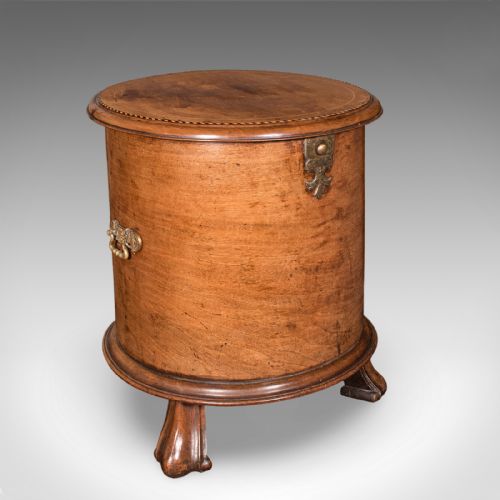


Brown Wooden Wine Cooler
These brown wooden wine cooler pieces are traditional serving vessels designed to hold bottles and ice at the table, offering classic period craftsmanship for the dining room.
Brown Wooden Wine Cooler
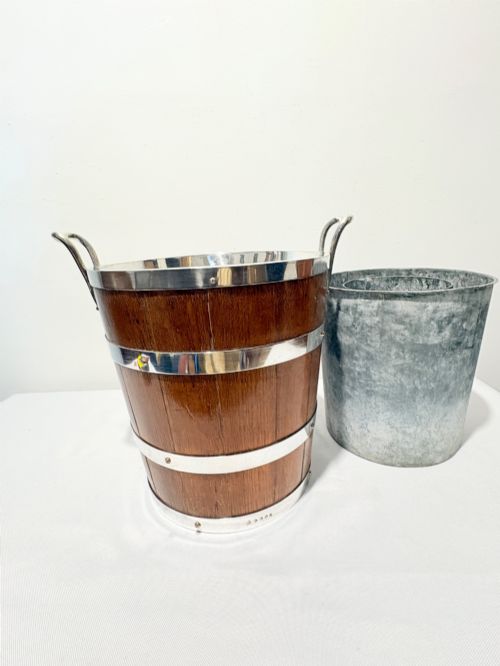
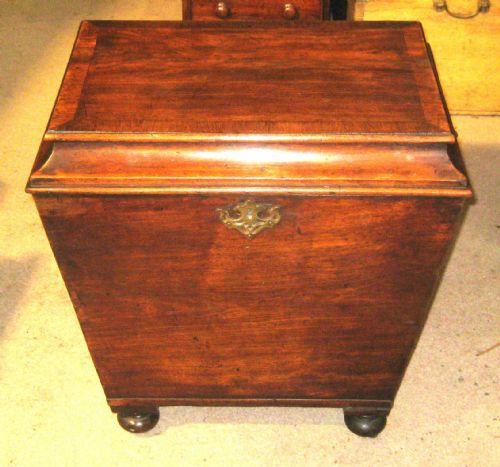
When you search for a brown wooden wine cooler, you encounter a variety of antique serving vessels, cellarettes, and coopered buckets originating from the eighteenth, nineteenth, and early twentieth centuries. These forms served the dining room by chilling wine bottles in ice or water before the invention of modern refrigeration.
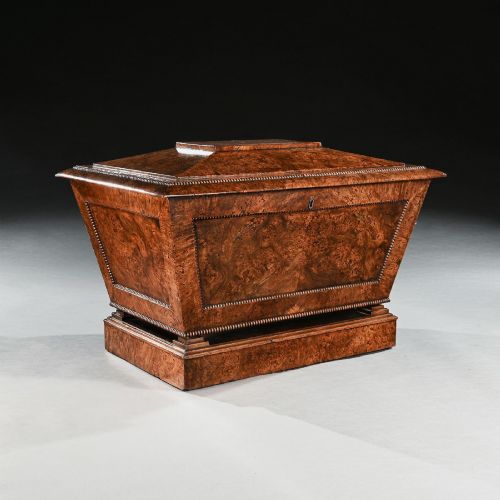
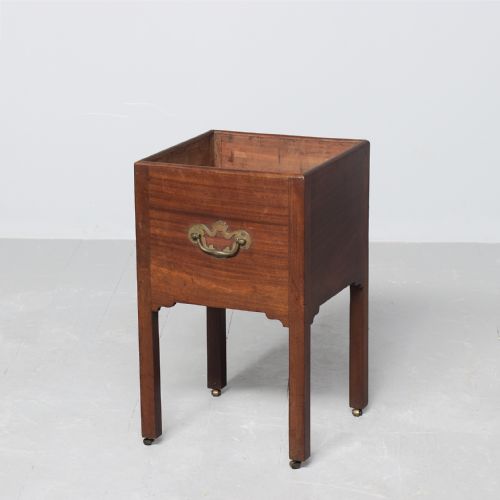
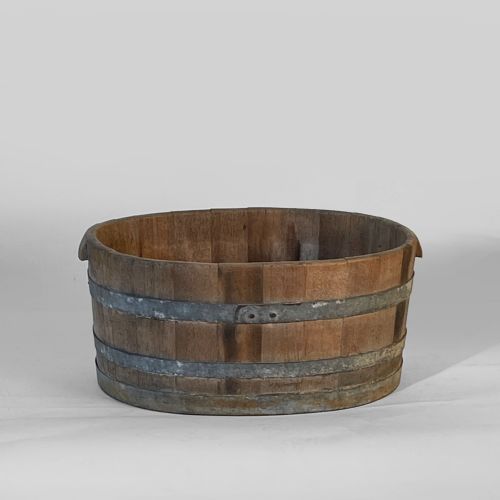
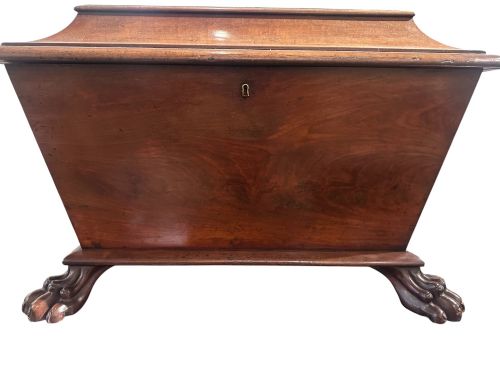
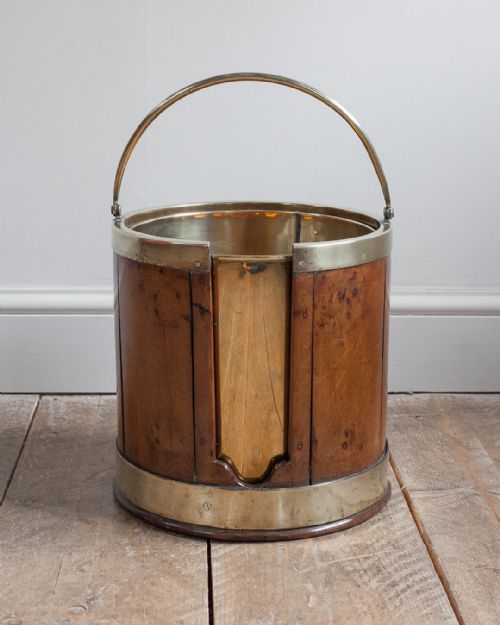
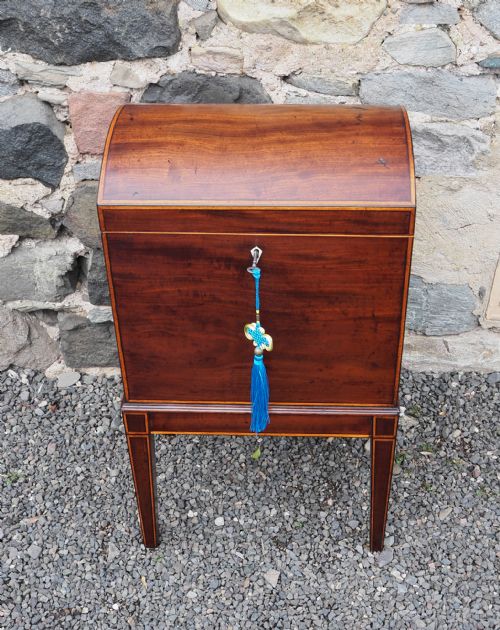
The most common examples on this page are mahogany and oak sarcophagus-shaped cellarettes from the Georgian and Regency periods. You also find coopered tubs, plate buckets, and square wine boxes resting upon feet or stands.
Makers utilised rich timbers including flame mahogany, walnut, burr elm, and pollard oak, often accented with brass bands and handles. The historical styles span George III, Regency, William IV, and Victorian designs.
How they were made
Cabinetmakers constructed these pieces primarily from solid mahogany, oak, and walnut, frequently applying flame mahogany or satinwood veneers to create figured exterior surfaces. Coopered examples utilised closely fitted wooden staves bound together with brass bands, mirroring the construction methods of traditional barrel makers.
Details such as brass lion paw feet, ring handles, and inlaid banding required skilled metalworking and joinery. Liners made of metal or lead were traditionally fitted inside the wooden bodies to hold ice and water securely without damaging the timber.
Some nineteenth-century butlers relied on coopered washing tubs that now serve double duty as stately indoor plant holders.
What varies in quality
The choice of timber grain sets the visual hierarchy, with highly figured flame mahogany or pollard oak commanding greater attention than plain stock. Crispness in the carving of paw feet, mouldings, and brass mounts indicates the standard of workshop execution.
Original interior fittings, such as lead or metal linings and dividing grills, elevate the integrity of a piece. The depth of the natural patina accumulated on the wooden surface over centuries distinguishes superior examples.
Gillows of Lancaster and London·Maples & Co·Robert Strahan & Co of Dublin
The Brown Wooden Wine Cooler Glossary
- Cellarette
- A lockable container used to store wine bottles near the dining table. They frequently double as wine coolers in period listings.
- Coopered
- Constructed from wooden staves bound with metal hoops, much like a barrel. This technique kept containers watertight.
- Sarcophagus
- A monumental coffin-like box shape with a domed lid popular during the Regency period. It became a favoured silhouette for large wine coolers.
- Jardinière
- An ornamental stand or pot for holding plants or flowers. Many examples share forms with wine coolers and oyster buckets.
- Plate bucket
- A deep cylindrical wooden bucket used for carrying plates or cooling bottles. They often feature sturdy brass carrying handles.
Brown Wooden Wine Cooler: Frequently Asked Questions
What is a wine cooler cellarette?
A wine cooler cellarette is a wooden chest or box designed to hold bottles of wine and ice within a dining room. They were kept under the sideboard or beside the table during meals.
Most examples date from the Georgian and Victorian eras. Their interiors often retain metal liners intended to contain melting ice.
How do you use one today?
Today these pieces function as decorative storage boxes, drinks cabinets, or plant stands in living spaces. Their deep interiors suit holding bottles, magazines, or potted plants.
Placing them in a dining room maintains their original domestic context. They also serve as side tables or occasional display pieces.
Are they waterproof inside?
Many period pieces contain lead or metal linings designed to hold melting ice without leaking onto the timber. However, original linings can deteriorate over centuries of use.
Checking the interior condition helps determine if a piece can still hold wet ice or if it requires a protective inner container for plants.
How do I spot a Regency piece?
Regency pieces often feature sarcophagus shapes, brass paw feet, and bold mahogany veneers influenced by classical antiquity. These items typically date from the early nineteenth century.
They emphasise architectural silhouettes and contrasting timber grains rather than heavy carving. Brass lion masks and drop rings frequently appear on the sides.