
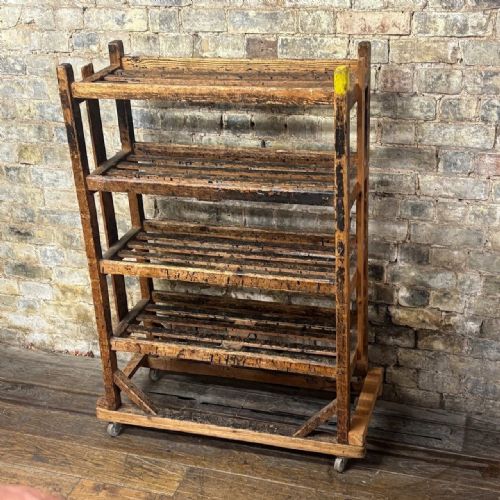
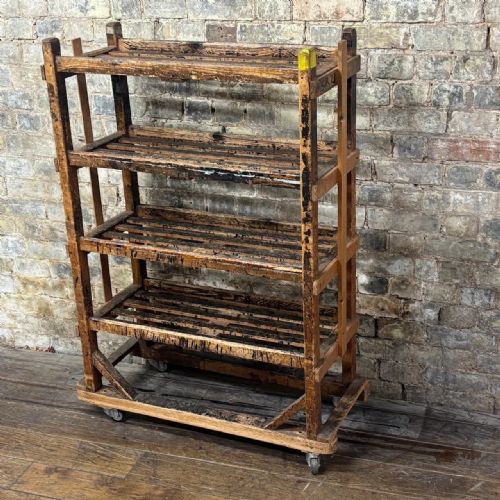
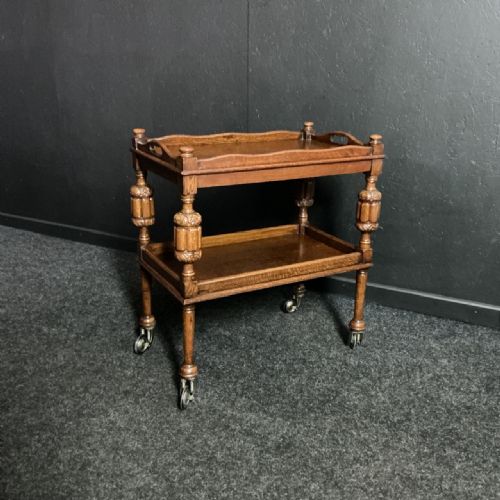
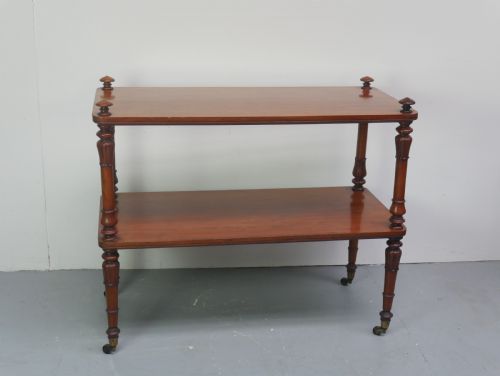
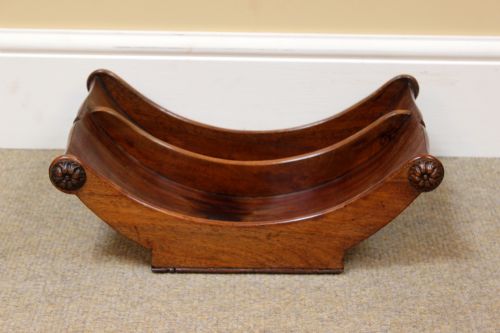


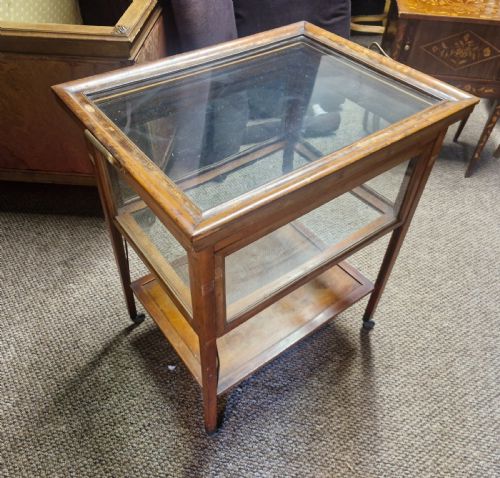


Brown Wooden Trolley
A brown wooden trolley brings sturdy mobility and rich grain to serving, moving from Edwardian tea service to Art Deco cocktails with ease.
Brown Wooden Trolley
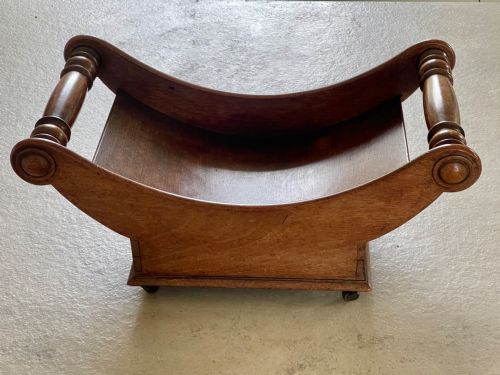
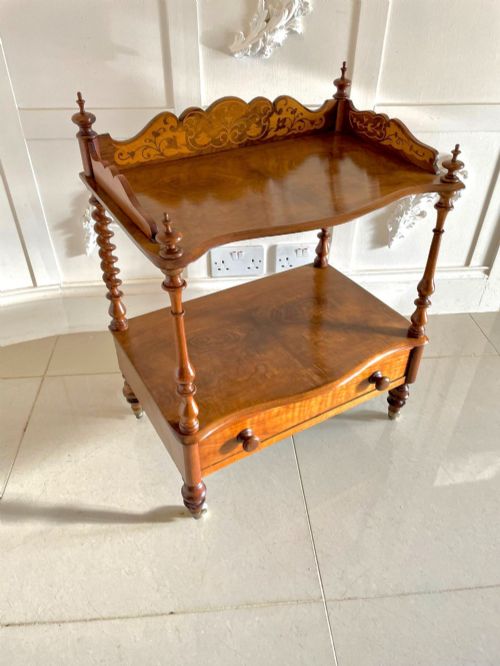
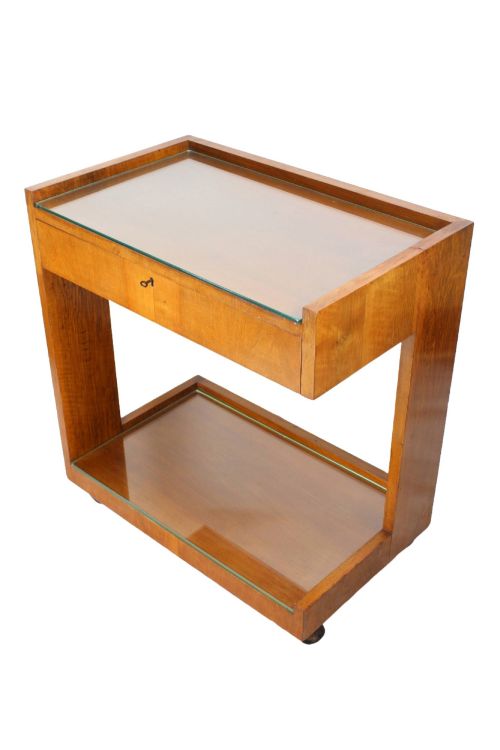
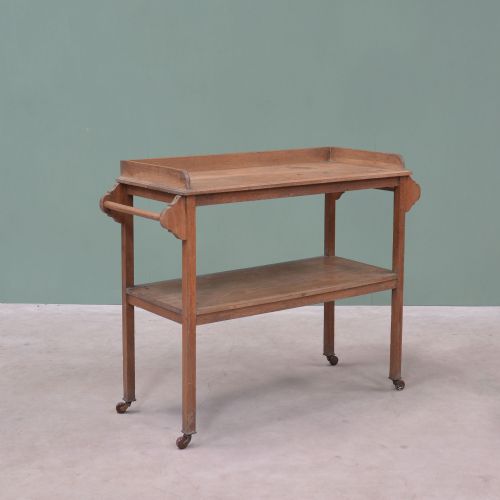
A brown wooden trolley serves as a mobile surface for drinks, tea, and meals, taking forms such as tea trolleys, bar carts, dumb waiters, and serving buffets. The pieces on this page span several periods, including Georgian, Victorian, Edwardian, 1920, 1930, and mid-century British.
The most common versions met here are early 20th century tea trolleys and Art Deco walnut drinks carts, alongside heavier 19th-century oak and mahogany buffets. Forms range from simple two-tier drop-leaf tables to elaborate three-tier dumb waiters with wheels.
Makers and origins include English workshops and specific firms like Lusty of Leicester, working in styles that encompass Jacobean Revival, Industrial, and George IV alongside Victorian and Edwardian designs.
How They Were Made
Cabinetmakers utilised sturdy hardwoods such as mahogany, oak, walnut, and pine, often selecting figured timber or burr walnut for decorative surfaces. These woods were shaped into tiered shelves, drop sides, and folding tops supported on castors or wheels.
Construction techniques include intricate inlay, carving, and the integration of functional elements like removable trays, brass fittings, glass inserts, and metal accents. Industrial items incorporate iron and brass hardware to manage heavy daily use.
Functional variations on this page include drop sides, lift-off trays, removable glass inserts, and fully adjustable mechanisms.
What Varies in Quality
The choice of timber creates a distinct separation in the range, moving from plain pine and standard oak up to figured walnut and rich mahogany with detailed inlay. Selection of grain and depth of polishing determine the visual presence of each piece.
Engineering of movement and mechanism dictates utility, separating simple fixed shelves from fully adjustable buffets, rise and fall dumb waiters, and metamorphic drinks chests with smooth folding actions and solid wheels.
Lusty of Leicester·Incorporall
The Brown Wooden Trolley Glossary
- Dumb waiter
- A multi-tiered piece of furniture used for holding food, drinks, or books near a dining table. These items often feature wheels or castors for easy movement between rooms.
- Drop leaf
- A hinged table flap that can be raised to extend the surface area or dropped down to save space. It provides flexible sizing for tea service and entertaining.
- Cheese coaster
- A small trolley or tray originally designed to hold cheese and wine on a dining table or sideboard. These pieces often run on small rollers or wheels.
- Etagere
- A set of open shelves for displaying or serving items, frequently constructed with multiple tiers. This French form provides accessible storage on several levels.
- Castor
- A small wheel or set of wheels mounted on a swivel at the base of a piece of furniture. It allows heavy serving tables and carts to glide smoothly across floors.
Brown Wooden Trolley: Frequently Asked Questions
What is a brown wooden trolley used for?
These pieces function primarily as mobile surfaces for serving afternoon tea, holding drinks, or transporting food between rooms. They act as practical companions for dining and entertaining.
Heavier variations like dumb waiters and buffets also serve as static display shelves and side storage units for books, china, and dining accessories.
How do I date an antique wooden trolley?
Dating relies on identifying the prevailing style, timber selection, and mechanical fittings. Victorian and Edwardian pieces often display rich mahogany or oak with carved details, while 1920 and 1930 examples show streamlined Art Deco walnut or industrial metal elements.
Hardware such as original castors, handles, and removable glass trays further help pinpoint the era of manufacture.
Are these trolleys sturdy enough for daily use?
Most examples are built from solid hardwoods like oak and mahogany, designed to carry heavy items such as decanters, plates, and tea sets. Their original construction prioritised durability under frequent movement.
Checking the stability of the wheels and tier joints ensures the piece handles modern loads safely.
What is the difference between a tea trolley and a bar cart?
Tea trolleys typically feature two or three wooden tiers, often with drop sides or removable wooden trays intended for serving afternoon tea and baked goods. They lean towards traditional Edwardian and 1920s domestic utility.
Bar carts, particularly from the Art Deco period, frequently incorporate glass, brass, and circular walnut frames designed specifically for displaying bottles, glassware, and cocktail equipment.