

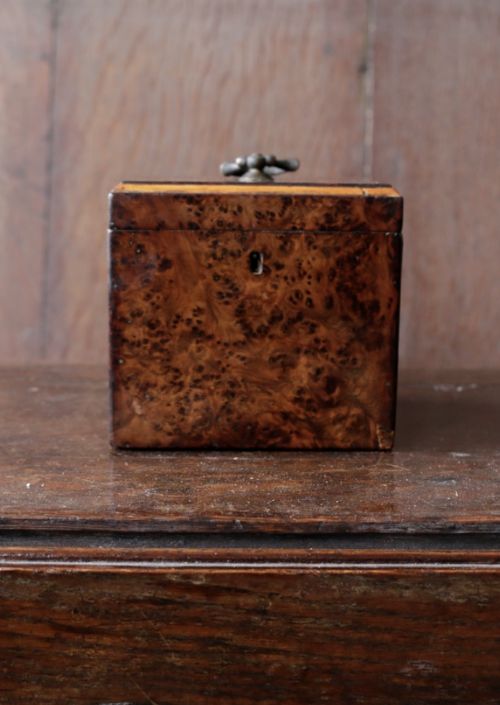


Brown Wooden Trinket Chest
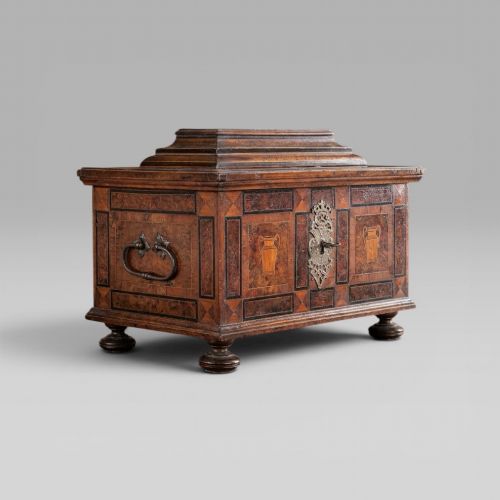
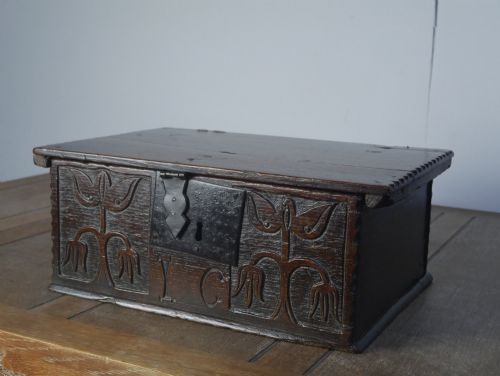
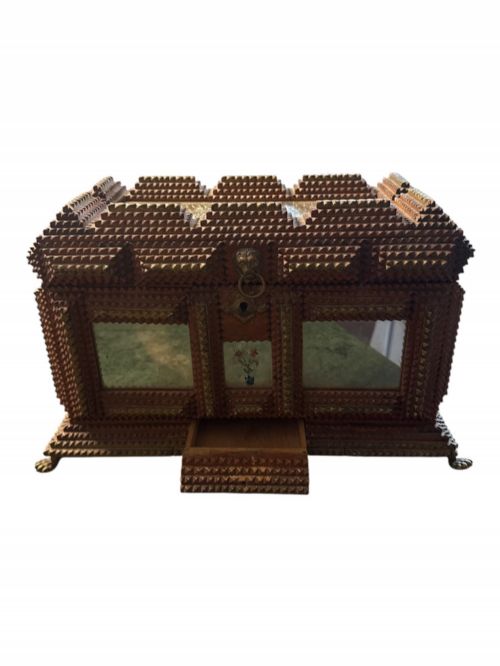
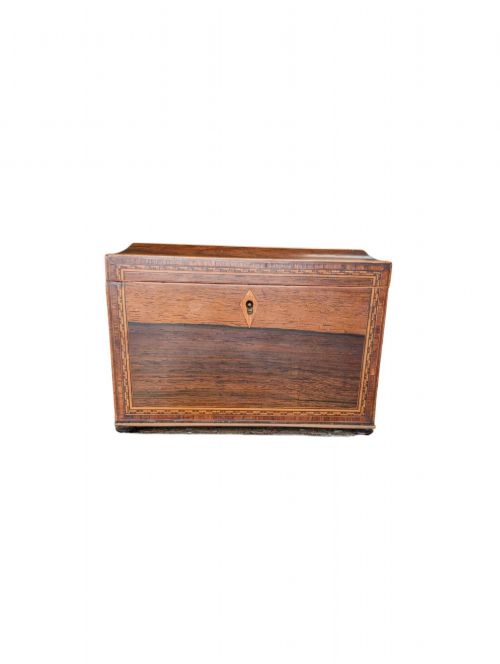
A brown wooden trinket chest brings tactile warmth to a room, offering small-scale storage crafted from figured timbers.
Brown Wooden Trinket Chest
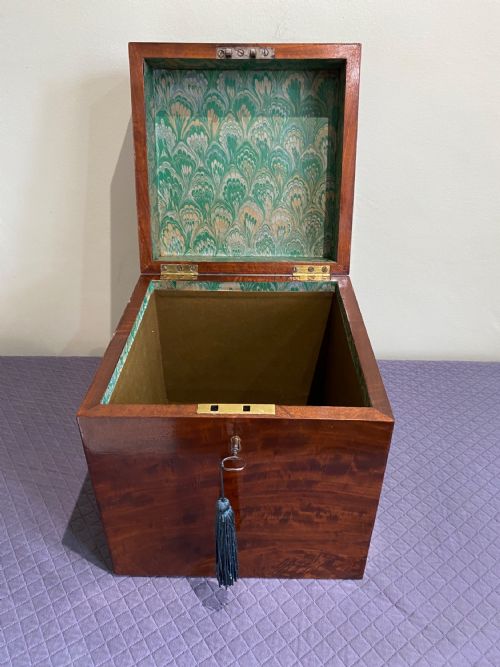
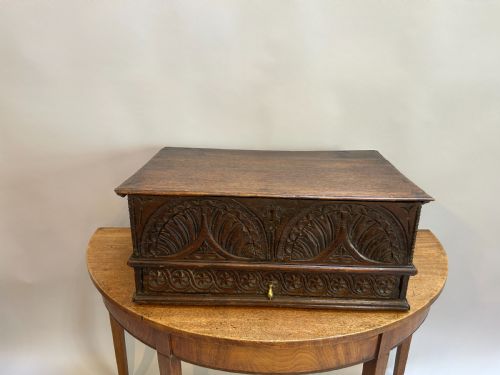
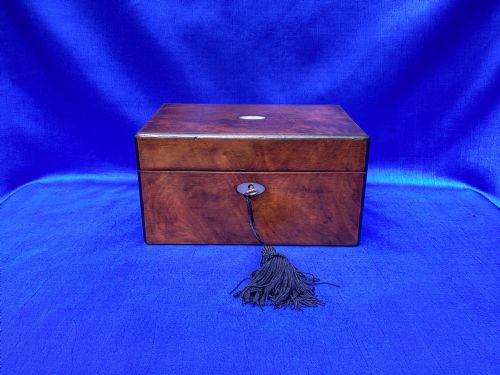
When you search for a brown wooden trinket chest, you encounter a varied selection of small storage containers, miniature chests of drawers, tea caddies, and caskets spanning several centuries. The selections range from 17th-century English oak boxes to Victorian walnut jewellery chests and Regency specimens.
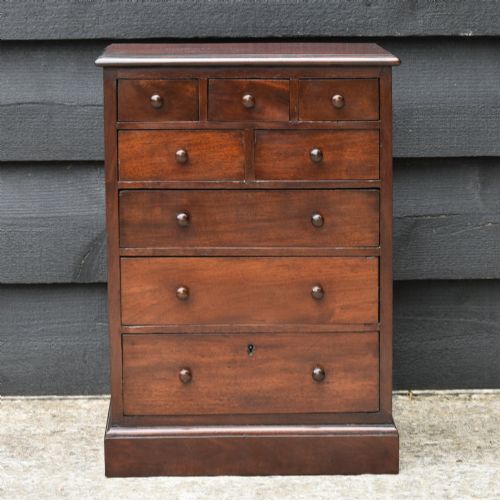
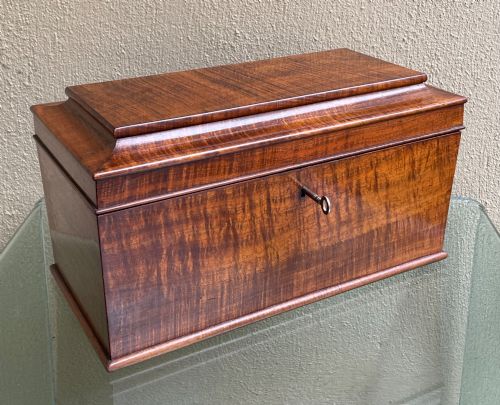
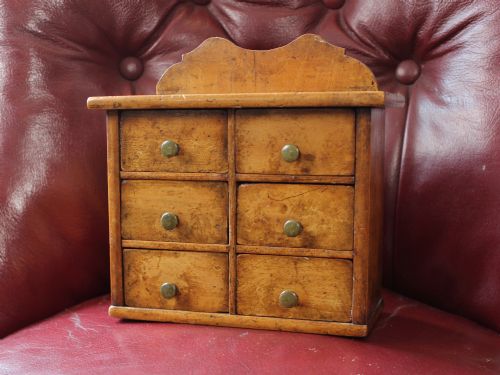
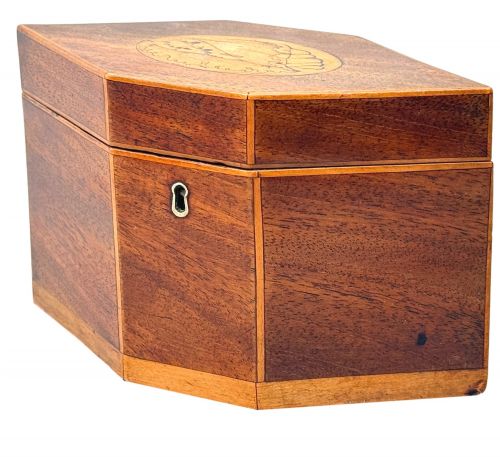
The most common formats on this page are mahogany tea caddies, miniature apprentice pieces modelled as chests of drawers, and decorative caskets. These pieces originated primarily to hold tea, spices, jewellery, or personal papers.
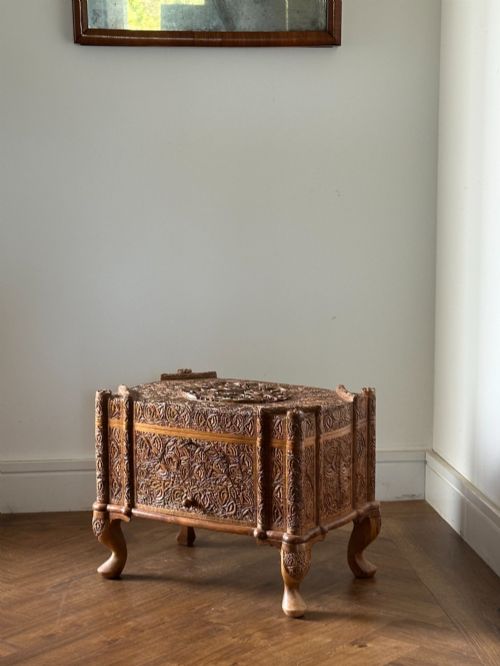
Origins stretch across Britain, continental Europe, and India, reflecting trade routes and regional cabinet-making traditions. Materials span native hardwoods like oak and elm alongside exotic timbers such as sandalwood and amboyna.
How they were made
Cabinet-makers utilised dense timbers such as mahogany, walnut, oak, and fruitwood, often selecting burr veneers or yew to create striking surface patterns. Construction relied on traditional joinery methods appropriate to the scale of the box or miniature chest.
Many examples incorporate decorative details including brass mounts, boxwood inlay, mother-of-pearl, or intricate Tunbridge ware mosaics. Surfaces were finished to highlight the natural grain and colour of the wood.
Listings feature woods spanning mahogany, walnut, oak, burr walnut, boxwood, bone, fruitwood, elm, laburnum, and amboyna.
What varies in quality
The distinction between ordinary and exceptional pieces lies in the choice of timber and the precision of the cabinet work. Finely figured burr walnut, amboyna, or burr yew elevate a small chest far above plain utility boxes.
Execution of detail defines the upper tier, whether through crisp carving on sandalwood, precise geometric inlay, or intact original hardware such as brass escutcheons and locks. The harmony of proportions in miniature furniture also signals superior craftsmanship.
The Brown Wooden Trinket Chest Glossary
- Tea Caddy
- A box designed for storing loose tea leaves, often featuring internal compartments and a lock. They appear in shapes ranging from simple rectangles to elaborate octagons.
- Apprentice Piece
- A small item of furniture demonstrated to a guild by a craftsman seeking master status. These miniature chests of drawers display the full skill of joinery on a reduced scale.
- Tunbridge Ware
- Woodware decorated with tiny mosaic tiles assembled from different coloured woods to form geometric or pictorial scenes. It is characteristic of nineteenth-century production in Kent.
- Casket
- An ornate box or chest intended for valuables, jewellery, or documents. Examples often feature hinged lids and fitted interiors.
- Burr Wood
- Timber taken from a tree growth where the grain has grown in a deformed, swirling manner. It produces highly decorative veneer patterns highly prized by cabinet-makers.
Brown Wooden Trinket Chest: Frequently Asked Questions
What were miniature chests used for?
Miniature chests and apprentice pieces served varied purposes in domestic life, functioning as desk accessories or repositories for small valuables. They replicated the form of larger furniture for specific personal storage.
Craftsmen also created them to demonstrate mastery of dovetailing and drawer construction to trade guilds. Today they provide compact display and storage options for modern interiors.
How do I identify a Georgian tea caddy?
Georgian tea caddies typically exhibit restrained classical proportions, fine mahogany or burr veneers, and subtle stringing or inlay. They often feature internal lidded compartments to separate green and black teas.
Earlier examples from the eighteenth century may show hexagonal or sarcophagus outlines, relying on timber grain rather than heavy ornamentation for visual appeal.
Are these boxes suitable for daily use?
These boxes accommodate modern trinkets, jewellery, and desk items securely while adding historical character to a mantelpiece or dressing table. Their sturdy timber construction endures everyday handling.
Gentle care with natural waxes preserves the polish and protects delicate veneers from excessive moisture or direct sunlight.
How can I tell the period of a wooden box?
Dating relies on construction methods, timber choices, and decorative styles characteristic of specific eras like the seventeenth-century oak tradition or Victorian walnut production. Dovetail joints on drawers and the type of secondary wood offer clues to age.
Hardware such as brass hinges and locks also assists in establishing a chronological framework for the piece.