




Nineteenth Century Miniature Furniture
Nineteenth century miniature furniture offers scaled-down cabinetwork and seating, prized by collectors for cabinetmaker skill and domestic history.
Nineteenth Century Miniature Furniture
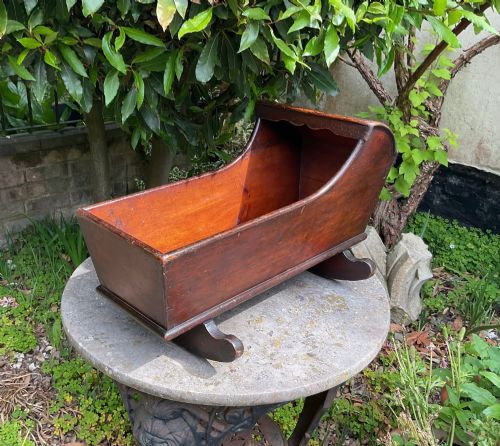
Nineteenth century miniature furniture comprises small-scale chests, chairs, beds and cradles made across the Victorian and Georgian periods. These pieces serve as apprentice pieces, salesman samples, child items or detailed household models.
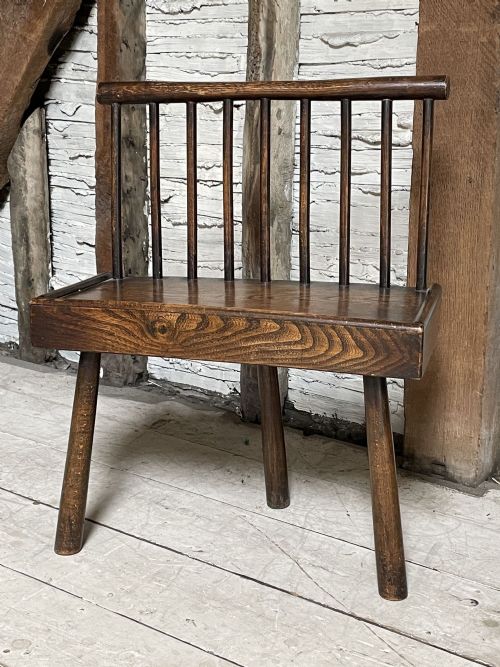
The objects most frequently met on this page include mahogany apprentice chests of drawers and various child chairs in ash, elm, oak and Windsor styles. Regional vernacular pieces alongside revival models appear regularly among the listings.
Makers produced these items to demonstrate technical proficiency or to furnish dolls, pets and children, utilising the exact construction methods of full-sized domestic furniture.
How they were made
Cabinetmakers fashioned nineteenth century miniature furniture using dense timbers such as mahogany, walnut and oak, often combining ash and elm for regional seating. Joinery mirrored domestic pieces with dovetailed drawers, turned spindles and bentwood components.
Specialised items incorporate unusual materials like Welsh slate, carved bone or ebonised finishes, reflecting both industrial developments and traditional folk art techniques of the nineteenth century.
Nineteenth Century Miniature Furniture Retail Price Guide 2026
Typical asking prices for nineteenth century miniature furniture among the pieces listed under this phrase on Sellingantiques today, from the lower quarter to the upper quarter. They describe what is for sale here now, not the wider market.
At least one dog can sleep in style, thanks to the Victorian four-poster bed scaled specifically for a canine.
What varies in quality
Quality in nineteenth century miniature furniture lies in the fidelity of proportion and the precision of miniature joinery relative to full-scale pieces. Smoother timber selection and finer carving distinguish superior cabinetwork from simpler vernacular items.
The handling of secondary details, such as dovetailed drawer linings, bone inlay or turned legs, determines whether a piece represents master craftsmanship or basic domestic utility.
The Nineteenth Century Miniature Furniture Glossary
- Apprentice piece
- A miniature item created by a trainee cabinetmaker to demonstrate mastery of joinery before entering a guild. These objects show exceptional attention to structural detail.
- Windsor chair
- A wooden seating form featuring a solid saddle-sculpted seat into which turned legs and a stickback or comb-rail are wedged directly. Regional makers adapted these robust designs for children.
- Mule chest
- A storage chest fitted with one or more drawers at the base beneath the main compartment. Miniature versions replicate the full-sized utility of bedroom storage.
- Ebonised
- Timber treated with a finish to imitate expensive ebony wood. Victorian makers applied this technique on chairs to achieve a sleek, dark surface.
- Vernacular
- Objects built by local tradespeople using regional traditions rather than high-style metropolitan designs. These pieces utilise local timbers such as ash and elm.
Nineteenth Century Miniature Furniture: Frequently Asked Questions
What is miniature furniture?
Miniature furniture consists of small-scale domestic items built to exact proportions. Cabinetmakers made them as trial pieces or functional child items.
Collectors prize them for capturing full-sized design details in a compact format.
Were apprentice chests used?
Apprentice chests served as proof of skill for trainees learning woodworking techniques. They were built with the same dovetailed drawers and polished timber as adult furniture.
Their small size allowed journeymen to transport their capabilities to prospective employers.
How old are these pieces?
The pieces span the Georgian and Victorian eras, primarily originating in the nineteenth century. Stylistic clues like ebonised finishes or Windsor construction help date them.
Materials such as solid mahogany and slate reflect the manufacturing periods of their origin.
Can I use child chairs?
Child chairs and stickback settles were originally built for actual domestic use by youngsters. Their sturdy construction in oak, ash and elm ensures lasting durability.
Today they function mainly as decorative display items within traditional interiors.