


Antique Desktop Storage Chest
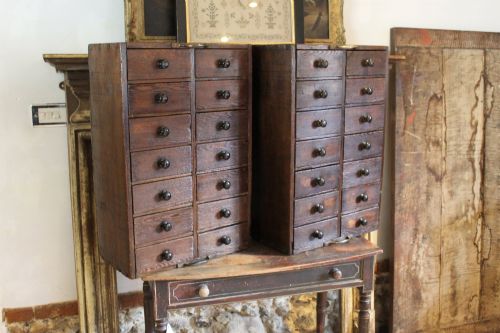
An antique desktop storage chest organises small papers, specimens and keepsakes on a surface using traditional joinery and timber drawers.
Antique Desktop Storage Chest
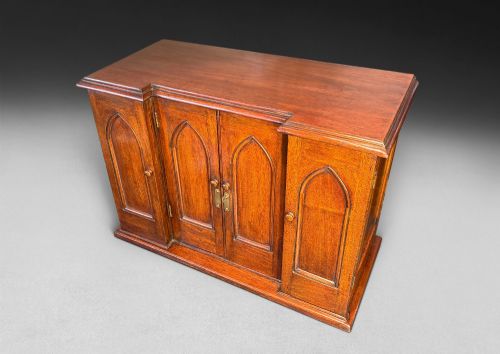
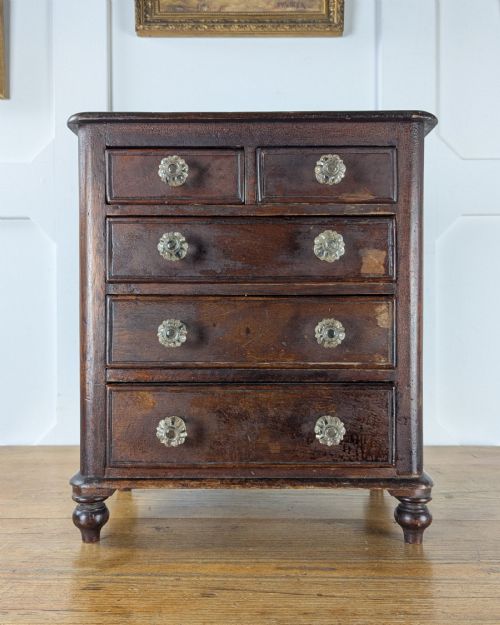
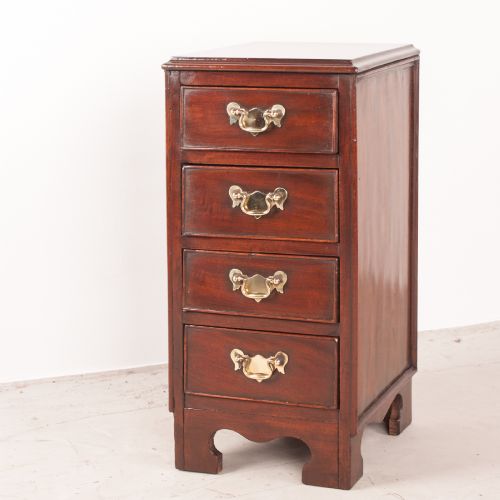
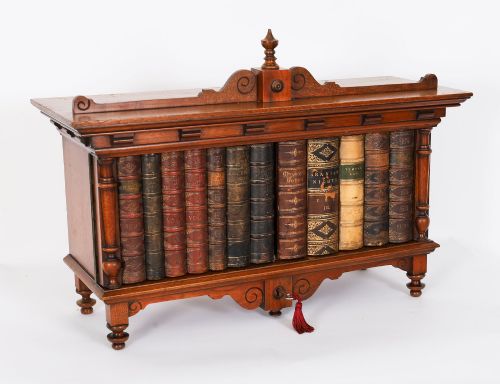
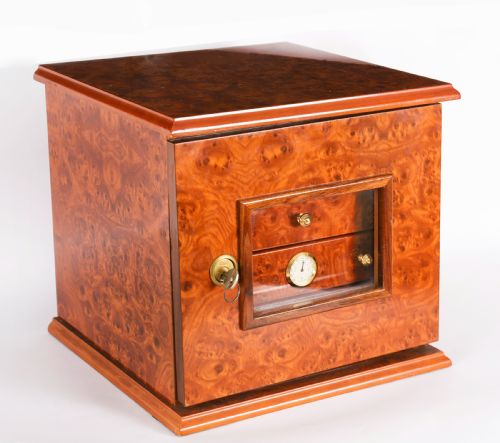
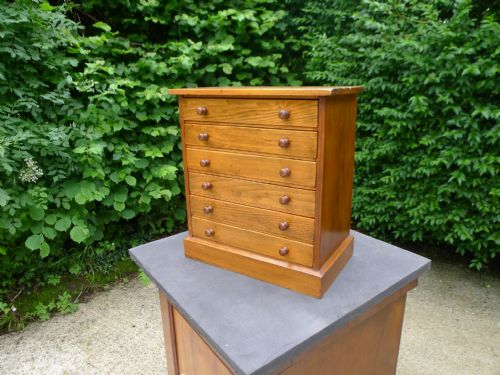
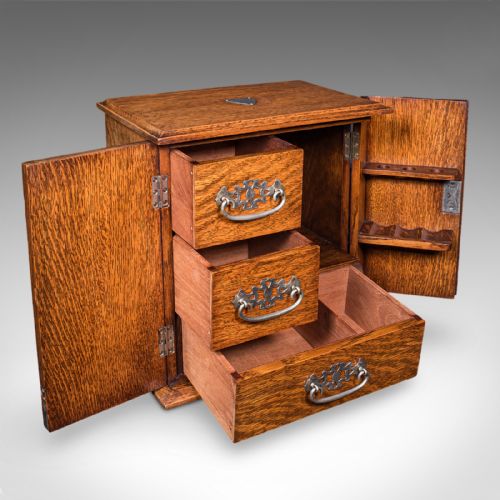
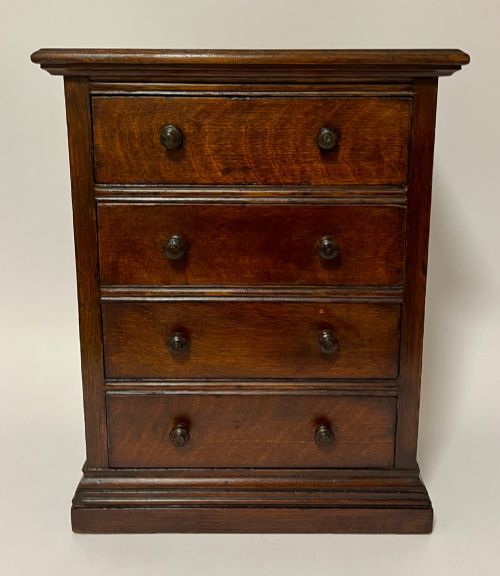
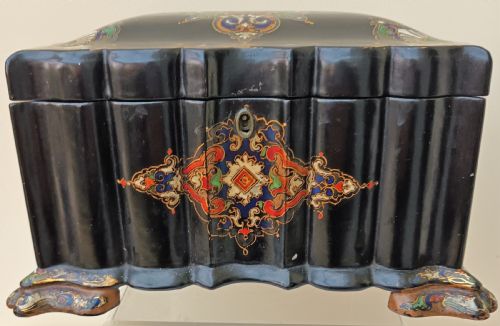
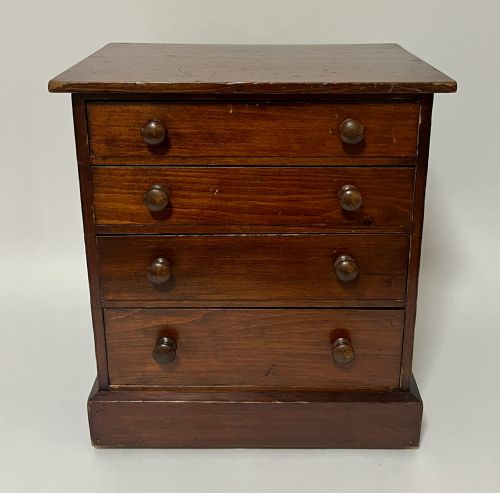
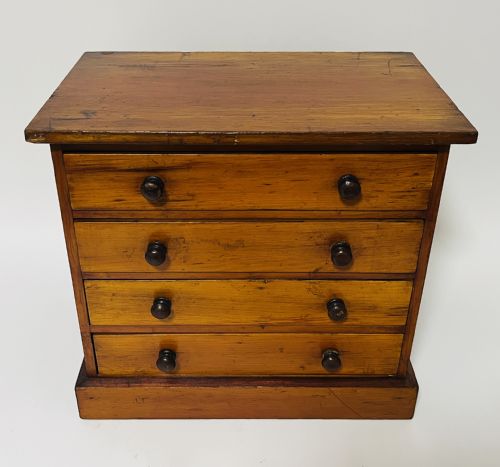
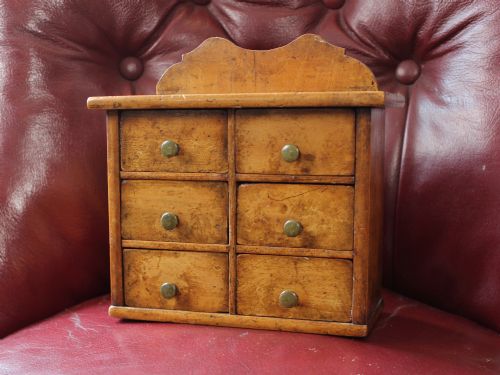
An antique desktop storage chest gathers miniature furniture, collectors cabinets, cigar humidors and specimen cases into compact forms built for placement on a table or counter.
The selections span the eighteenth, nineteenth and early twentieth centuries, encompassing Victorian, Edwardian, Georgian and Regency periods alongside specific workshop creations.
The most frequent examples are small mahogany, oak and walnut drawer units, apprentice pieces and tabletop cabinets designed to hold precious items close at hand.
How they were made
Joiners constructed these desktop chests primarily from hardwoods like mahogany, oak, walnut and elm, frequently employing secondary pine or fruitwood for internal drawer framing.
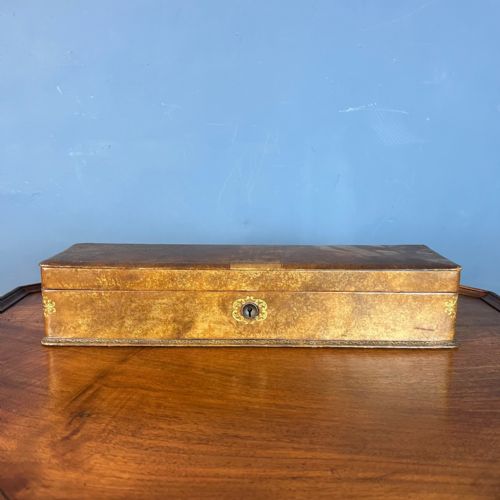
Many examples incorporate brass drop handles, key escutcheons, inlaid banding and tooled leather surfaces to finish the exterior structure.
What varies in quality
The distinction between tiers rests upon the selection of timber figures, such as burr walnut, burr elm or figured English oak, matched across the drawer fronts and panels.
Hand-cut dovetail joints, smooth drawer runners and robust brass hardware separate utilitarian storage boxes from finely detailed miniature cabinets produced by specialist makers.
Manoah Rhodes & Sons Ltd·Alfred Dunhill·D Napier & Sons
The Antique Desktop Storage Chest Glossary
- Apprentice piece
- A small item of furniture demonstrated by a craftsman to prove skill before gaining guild admission. These miniature chests often mirror full-size drawer construction.
- Humidor
- A lined wooden box designed to maintain humidity for storing cigars. Many feature cedar interiors and specialised sealing lids.
- Specimen cabinet
- A multi-drawer unit built for organising natural history items like insects, minerals or botanical samples. The drawers are shallow and frequently lined for protection.
- Dovetail joint
- An interlocking woodworking joint formed by wedge-shaped fingers that resists being pulled apart. It marks traditional drawer construction.
- Escutcheon
- A flat plate surrounding a keyhole that protects the surrounding wood from wear. They are commonly formed from brass.
Antique Desktop Storage Chest: Frequently Asked Questions
What were antique desktop storage chests used for?
These compact units held specialised items ranging from natural history specimens and medical tools to cigars, stationery and jewellery.
Their tabletop design kept working materials or personal collections organised and accessible within studies, surgeries and parlours.
How do I date an antique desktop chest?
Dating relies on identifying the timber species, construction methods, handles and prevailing stylistic periods recorded in the piece.
Georgian and Regency examples often feature distinct proportions and brasswork, while Victorian and Edwardian items display broader industrial standardisation or revival motifs.
Are these chests suitable for daily use?
Their sturdy timber construction and functional drawers make them practical for storing modern trinkets, fountain pens, keys or small stationery.
Care should be taken to place them away from direct heat sources to protect the aged wood and historical finishes.
What timber types appear most often?
Oak, mahogany and walnut dominate the surviving examples, often selected for their durability and attractive grain patterns.
Other pieces utilise elm, pine, fruitwood or exotic veneers such as kingwood and satinwood.