

Victorian Miniature Chest Drawers
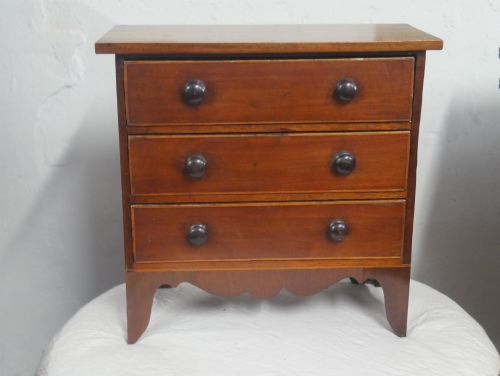
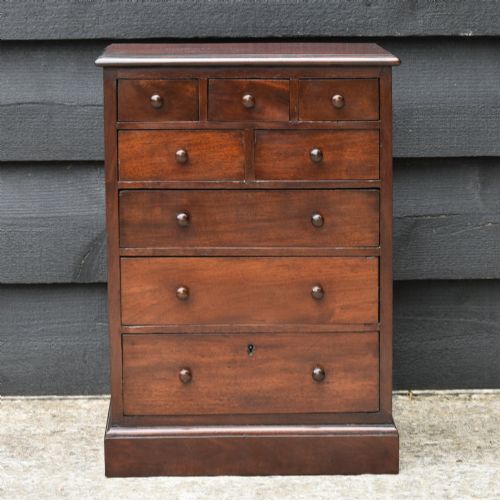
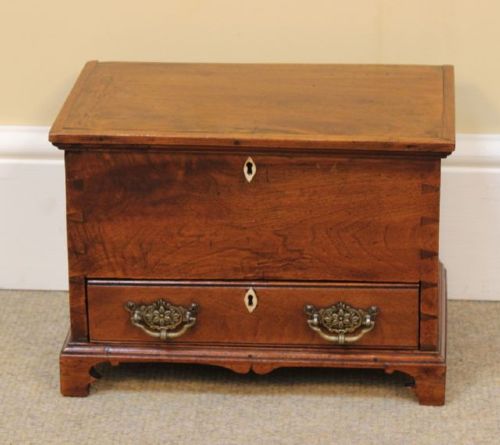
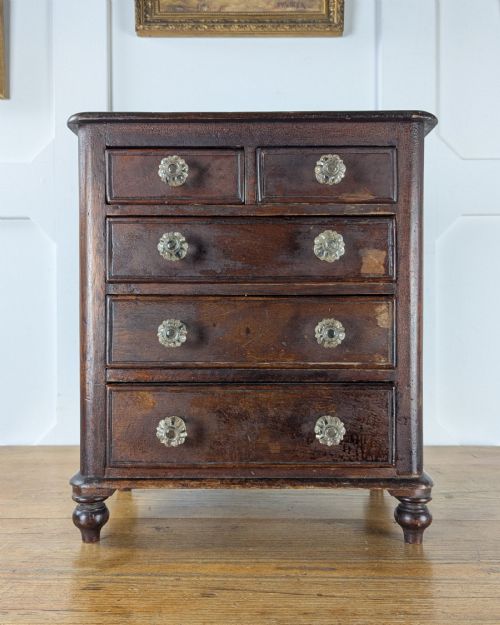
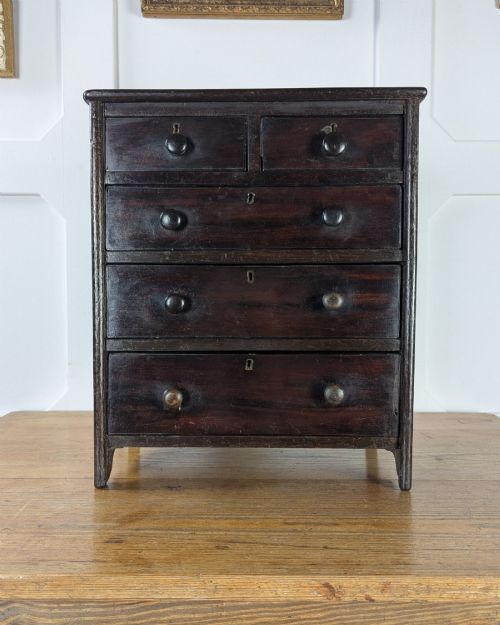
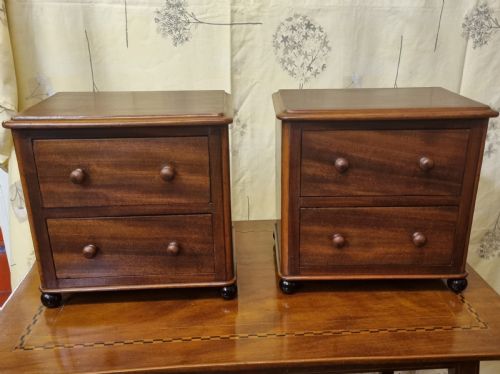
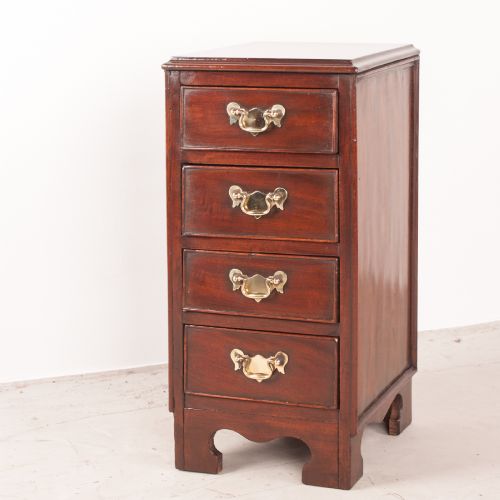
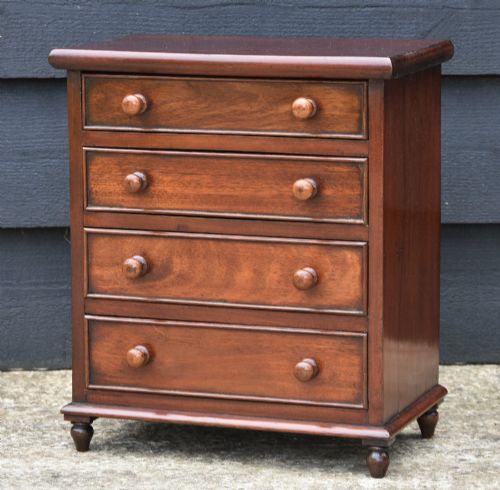
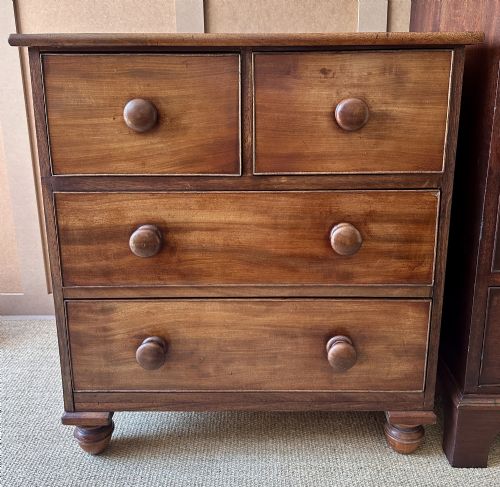
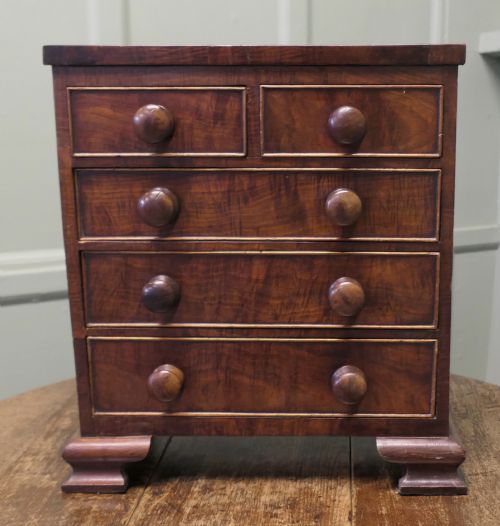
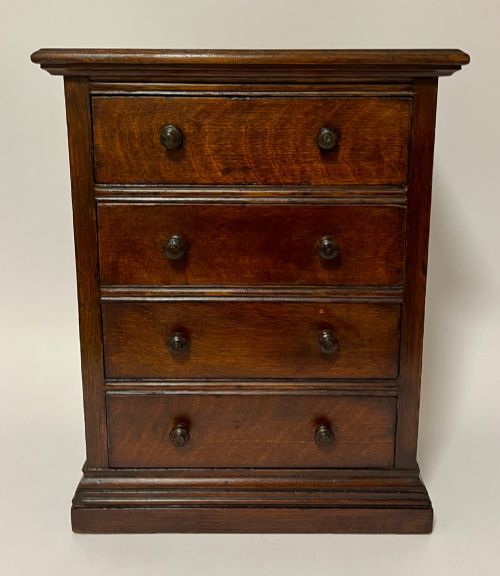
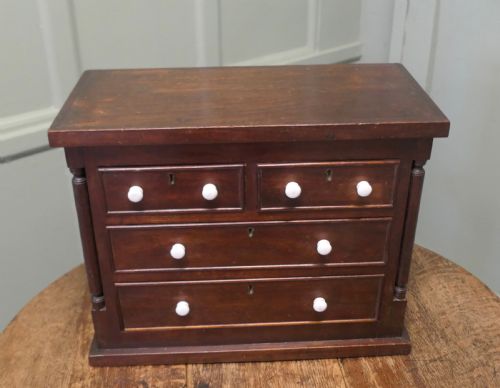
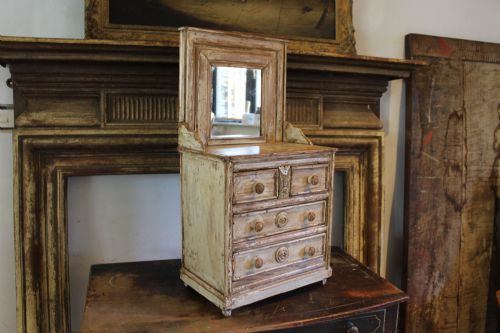
These mahogany and walnut victorian miniature chest drawers demonstrate exceptional cabinet-making skill on a small scale.
Victorian Miniature Chest Drawers
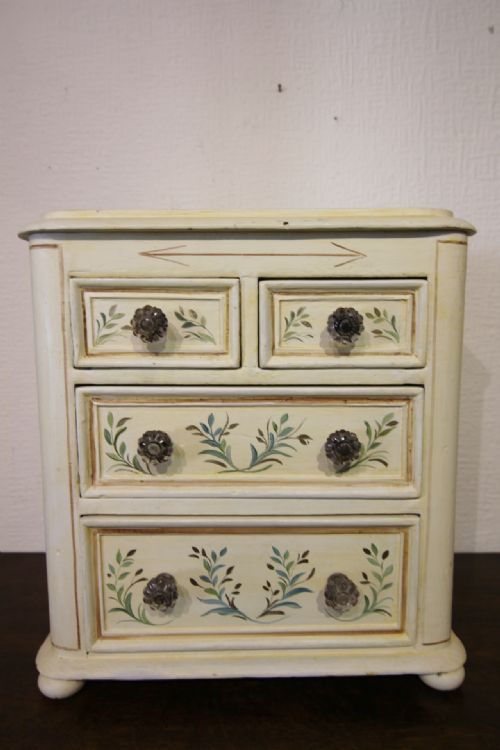
A victorian miniature chest drawers represents a scaled-down version of domestic storage furniture, frequently produced as an apprentice piece or a salesman sample.
The pieces on this page span the nineteenth century, with mahogany and walnut examples appearing alongside pine, oak, and fruitwood variants.
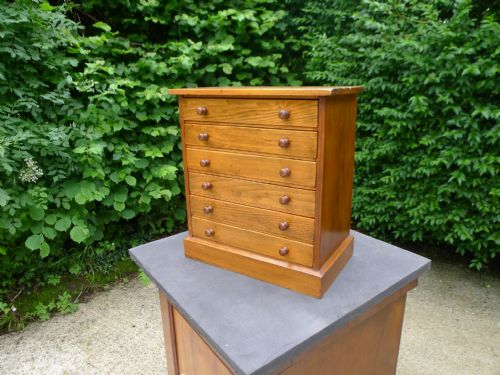
Collector cabinets, specimen cases, and Wellington chests also emerge among the miniature furniture formats seen here.
Materials and Construction
Cabinet-makers utilised dense hardwoods like mahogany and figured walnut, often pairing them with secondary softwoods such as pine for drawer linings and carcases.
Details include turned feet, brass hardware, engraved shields, and secret drawers integrated into compact desk-top or table-top proportions.
One tiny desk-top specimen cabinet houses twenty-eight separate drawers for microscope slides.
Evaluating Craftsmanship
Scale accuracy and timber selection distinguish superior pieces, particularly where cabinet-makers matched wood grain across small drawer fronts.
Fine dovetail joints, crisp moulding work, and original turned supports separate master examples from simpler vernacular models.
The Victorian Miniature Chest Drawers Glossary
- Apprentice piece
- An item created by a young craftsman to demonstrate proficiency before joining a guild or trade.
- Wellington chest
- A tall, narrow set of drawers secured by a locking side pilaster.
- Specimen cabinet
- A small chest designed for storing natural history items, coins, or microscope slides.
- Bowfront
- A curved front profile that projects outward in an arc.
- Campaign chest
- Portable furniture designed in sections with flush-fitting brass handles for transport.
Victorian Miniature Chest Drawers: Frequently Asked Questions
What were miniature chests used for?
These small chests served multiple purposes in the nineteenth century, acting as master displays for trade apprentices or salesmen.
Domestic settings also utilised them on tabletops for storing jewellery, trinkets, or small collection items.
How do I date a miniature chest?
Dating relies upon timber choices, construction methods, and hardware styles found across the piece.
Mahogany and burl walnut predominate in mid-century examples, whilst Edwardian and later pieces display distinct secondary woods and simpler internal joints.
Are apprentice pieces genuine antiques?
Authentic apprentice pieces date from the nineteenth century and were constructed by trainees using traditional workshop techniques.
They mirror the exact dovetailing and carcass construction of full-sized furniture from the same period.
How do I care for small wooden chests?
Keep wooden surfaces away from direct heat sources and fluctuating humidity to prevent timber splitting or warping.
Apply traditional wax polish occasionally to nourish historic mahogany, walnut, and pine finishes.