



Vintage Wooden Jewellery Chest
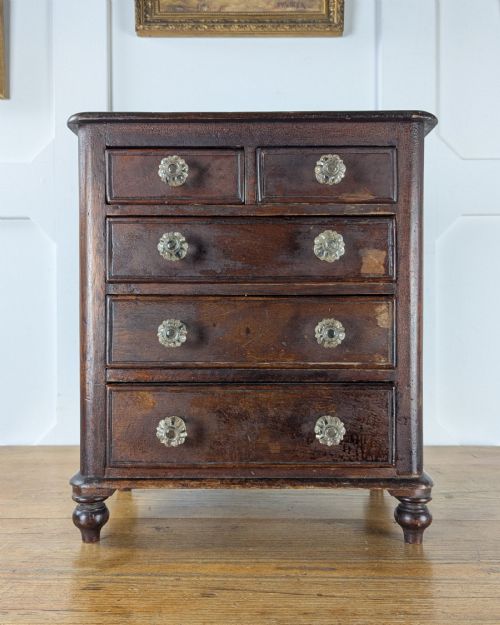
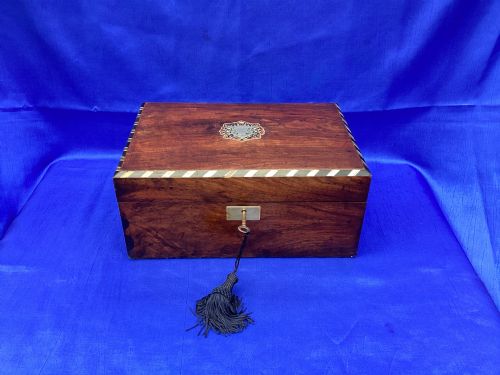
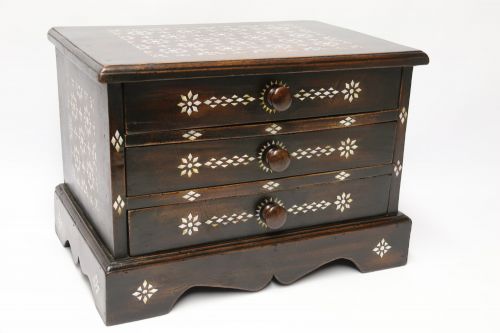
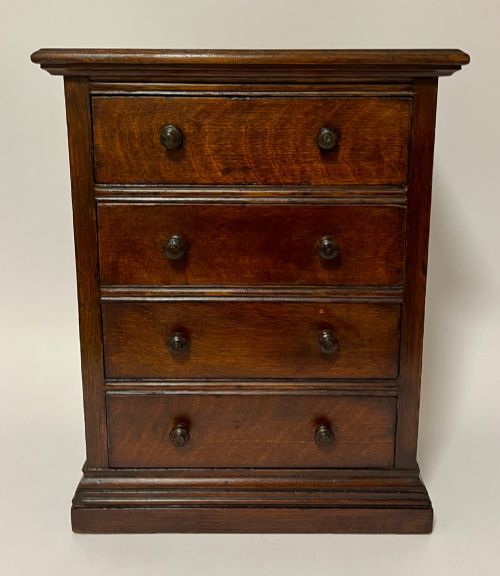
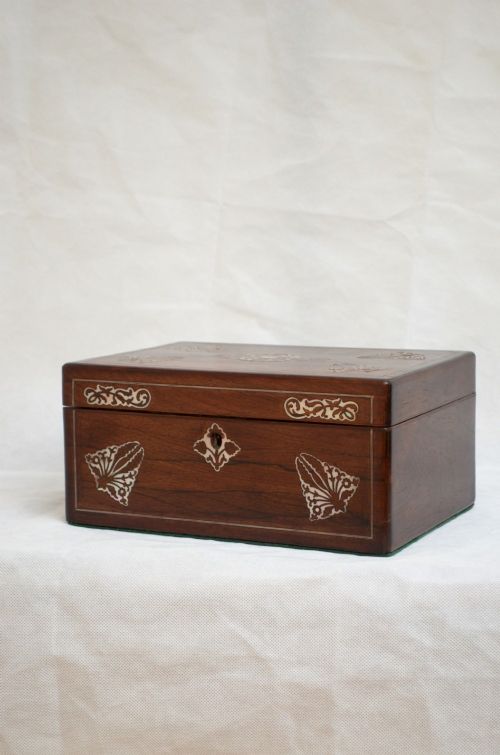
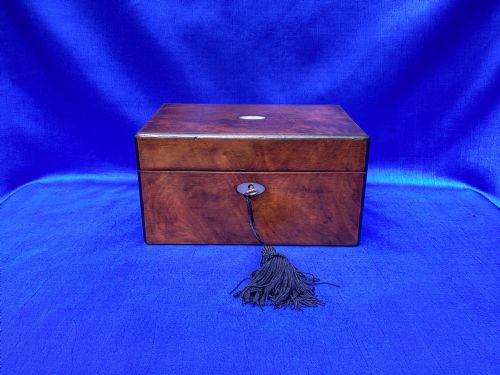
These vintage wooden jewellery chest selections range from miniature mahogany chests of drawers to inlaid rosewood boxes designed for precious keepsakes.

Vintage Wooden Jewellery Chest
A vintage wooden jewellery chest encompasses small tabletop cabinets, miniature chests of drawers, and fitted boxes designed to hold valuables. These pieces span periods from the eighteenth century through the Victorian era and into the early twentieth century.
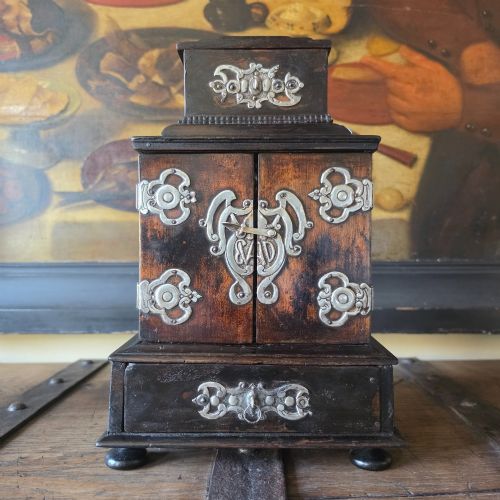
The common forms found in these listings include rosewood and walnut jewellery boxes, miniature apprentice chests, tea caddies, and collector cabinets. Origin styles stretch from English Regency and Victorian workshops to Anglo-Indian, Ottoman, and French designs.
Buyers seek these items for both functional storage and decorative presence on tabletops, desks, and dressing tables. Each piece reflects the storage habits and cabinet-making skills of its specific decade.
Materials and construction methods
Cabinet makers utilised dense hardwoods such as mahogany, walnut, rosewood, oak, and coromandel to build durable structures that protect contents. These timbers often feature burr veneers, marquetry inlay, and contrasting stringing to ornament the surfaces.
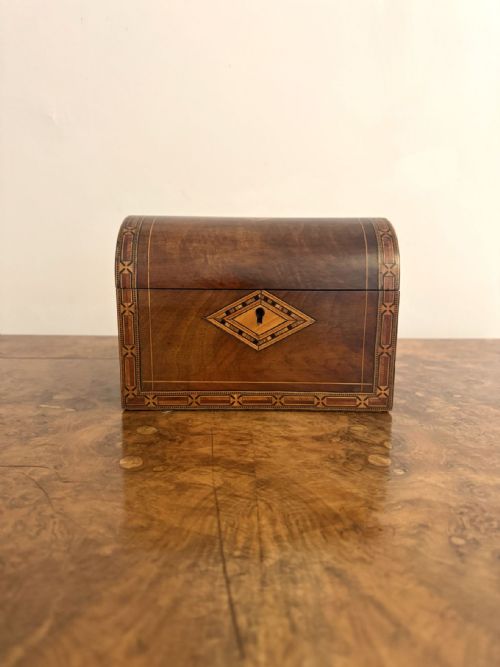
Many examples incorporate decorative details in brass, mother-of-pearl, glass, and Tunbridge inlay. Interiors are frequently lined and fitted with specialised trays, ring slots, and secret compartments designed for travel or domestic use.
Secret drawers hidden behind false partitions in these chests remind us that Victorians loved a good place to stash their most secretive keepsakes.
Assessing quality and craftsmanship
Quality in these chests is determined by the selection of timber veneers, the precision of the inlay work, and the integrity of the internal fittings. Superior examples display carefully matched grain patterns, such as burr walnut or laburnum oyster figures, across the exterior surfaces.
The refinement of the hardware, including brass escutcheons, hinges, and working locks with keys, separates standard utility boxes from superior collector pieces. Original fitted interior trays and intact fabric linings also elevate the standing of a chest.
The Vintage Wooden Jewellery Chest Glossary
- Apprentice piece
- A small-scale item of furniture created by a craftsman to demonstrate skill or master status before joining a guild.
- Tunbridge inlay
- A meticulous woodworking technique originating in Kent that creates mosaic pictures using thousands of tiny blocks of naturally coloured wood.
- Marquetry
- Decorative veneer applied to furniture in patterns and pictures using thin slices of wood, shell, or ivory.
- Escutcheon
- A protective plate surrounding a keyhole, frequently cast in brass or inlaid into the timber surface.
- Caddy
- A small box or chest originally constructed for storing tea leaves, later adapted for general storage.
Vintage Wooden Jewellery Chest: Frequently Asked Questions
What were these wooden chests used for?
These boxes served domestic purposes such as storing jewellery, watches, sewing equipment, and writing materials. Many were designed for personal use on dressing tables or for secure travel.
Larger collector cabinets and miniature chests held specimens, coins, or small valuables. Their fitted interiors kept delicate items organised and protected.
How do I date a wooden jewellery chest?
Dating relies on identifying the primary timber, construction methods, and decorative styles characteristic of periods like the Georgian, Victorian, or Edwardian eras. Certain hardware types and inlay styles provide specific chronological clues.
For example, rosewood campaign boxes and Tunbridge ware pieces point to nineteenth-century production, while specific regional styles reflect local craftsmanship of the period.
Are keys usually included with these boxes?
Some chests retain their original working keys, while others function without them. Working locks and matching keys are noted in individual descriptions when present.
Replacement keys can sometimes be sourced for antique locks, though many buyers display and use these pieces open.
How do I care for antique wooden boxes?
Maintain the timber by keeping the box away from direct sunlight and extreme temperature fluctuations that can dry out the wood and veneers. Occasional dusting with a soft, dry cloth preserves the finish.
Avoid using harsh chemical polishes on antique surfaces and leather or velvet interior linings.