
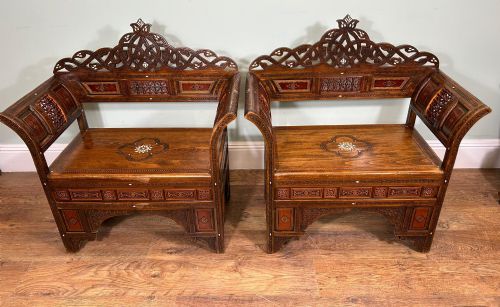
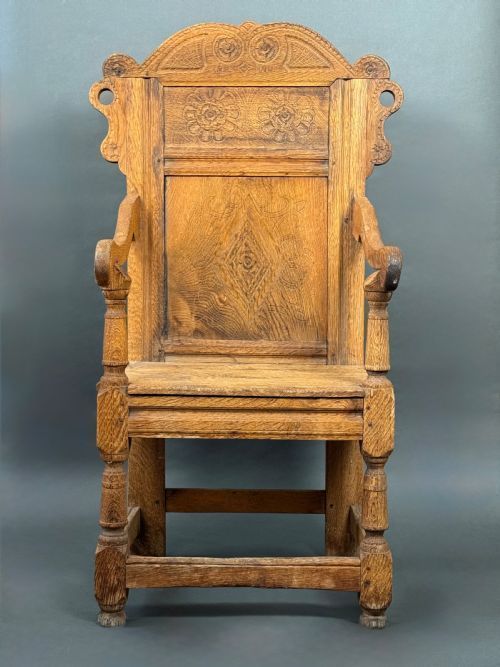
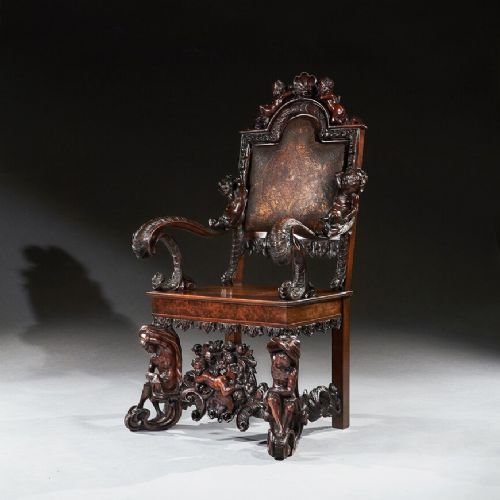
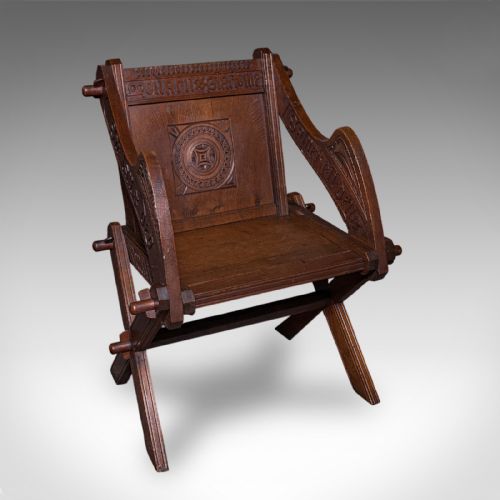
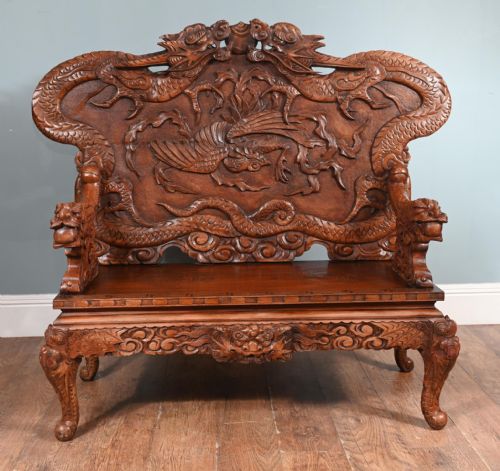

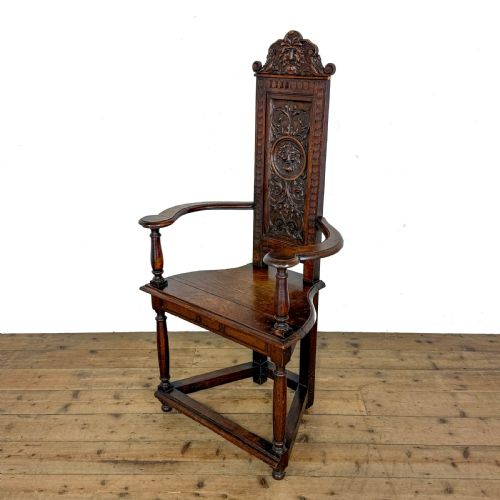

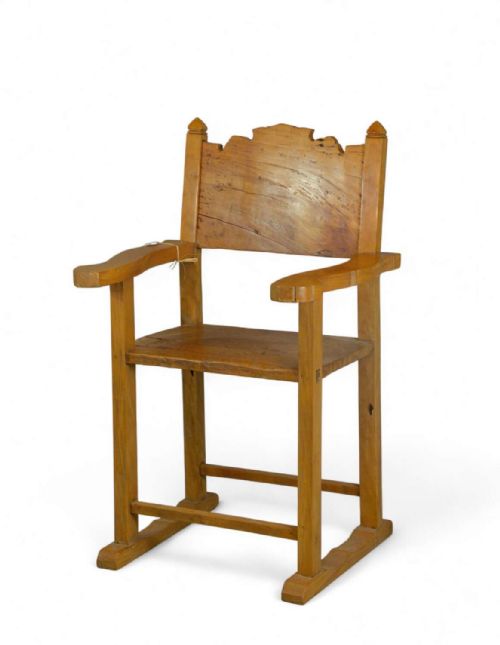


Brown Wooden Throne Chair
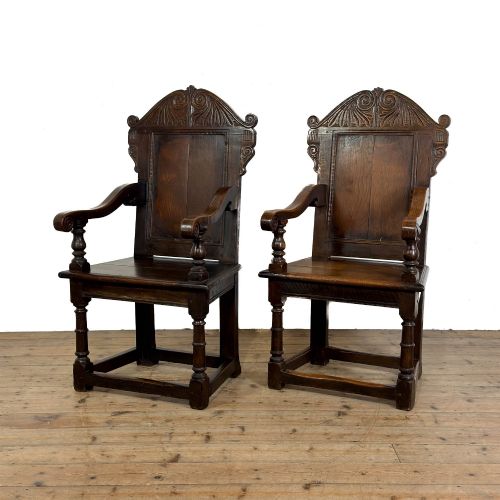
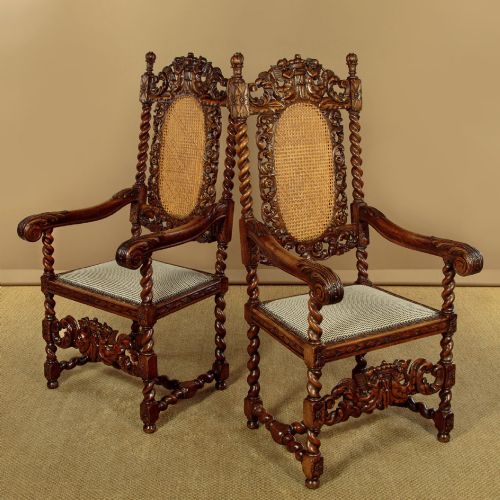
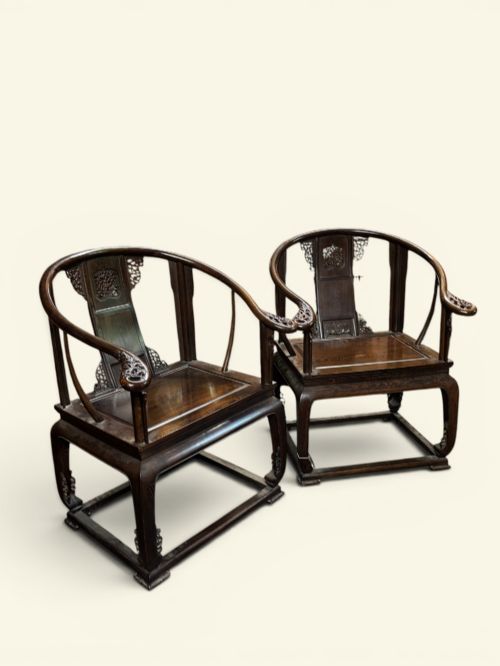
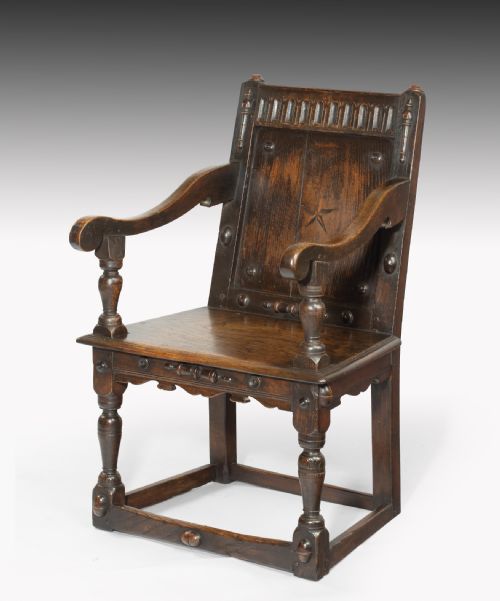
A brown wooden throne chair brings commanding presence and architectural weight to a room, drawing the eye with solid construction and historic presence.
Materials and construction methods
Makers utilised dense native and exotic timbers including oak, walnut, hardwood, pitch pine and fruitwood for structural integrity. Joinery relied on traditional pegged mortise and tenon joints to bear the weight of large upright frames and heavy arms.
Carving required sharp chisels applied directly to solid timber panels, resulting in deep relief work showing foliage, geometric strapwork and figurative motifs. Surfaces received natural wax or oil treatments that darkened the grain and developed deep patination over time.
What separates examples
Quality rests in the crispness of the hand carving and the integrity of the original timber framing. Superior pieces retain their early joinery without excessive timber replacement or structural instability.
Depth of colour and natural patination distinguish better examples from later replacements. The balance of proportions and the complexity of regional turnings separate standard utility seating from ambitious artisan commissions.
Materials range from native European oak and walnut to exotic Chinese and Indian hardwoods.
The Brown Wooden Throne Chair Glossary
- Wainscot chair
- An early wooden armchair constructed with panelled backboards and heavy turned legs, common in seventeenth-century domestic interiors. This form represents one of the earliest heavy wooden seat types.
- Patination
- The surface sheen and gradual darkening acquired by timber through age, handling and polishing. Good patination indicates natural oxidation rather than artificial staining.
- Glastonbury chair
- A folding armchair design with X-framed legs and a sloping panel back, popular during the Gothic revival. These pieces derive from medieval ecclesiastical archetypes.
- Bobbin moulding
- Turned furniture decoration formed of small rounded spheres resembling beads or bobbins strung along a wooden shaft. This technique is typical of seventeenth-century joinery.
Brown Wooden Throne Chair: Frequently Asked Questions
How do I date a wooden throne chair?
Dating relies on examining the joinery methods, tool marks left by woodworkers, and the timber species used in the primary frame. Early examples display hand-split boards and pegged joints rather than modern mechanical fasteners.
Stylistic details such as strapwork carving, turned bobbin legs, and high panelled backs also point toward specific periods between the seventeenth and nineteenth centuries.
Where should I place a heavy wooden chair?
These substantial seats suit large reception rooms, libraries or hallways where their architectural scale holds the space. They function well as statement pieces rather than everyday lounging seats.
Keep them away from direct heat sources and strong sunlight to protect the historic timber from drying out and splitting.
Are these chairs comfortable for daily use?
Historic timber seats were built with an emphasis on upright posture and authority rather than modern ergonomic comfort. Most feature rigid wooden backs and firm seats without soft upholstery.
Adding a loose period-appropriate squab cushion can provide extra comfort while preserving the historic appearance of the wooden base.
How do I care for antique timber?
Maintain the finish by dusting regularly with a dry, soft cloth and occasionally applying a traditional beeswax polish to nourish the wood. Avoid silicone sprays and modern chemical cleaners that damage old wax layers.
Stable room humidity prevents the timber from warping or causing historic joints to loosen over time.