

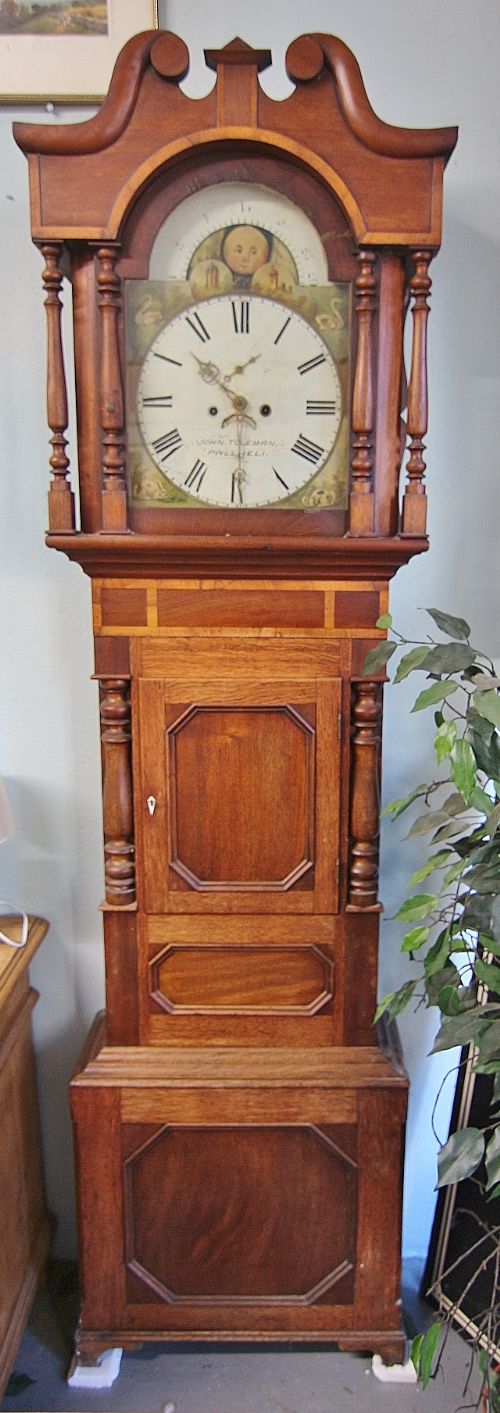
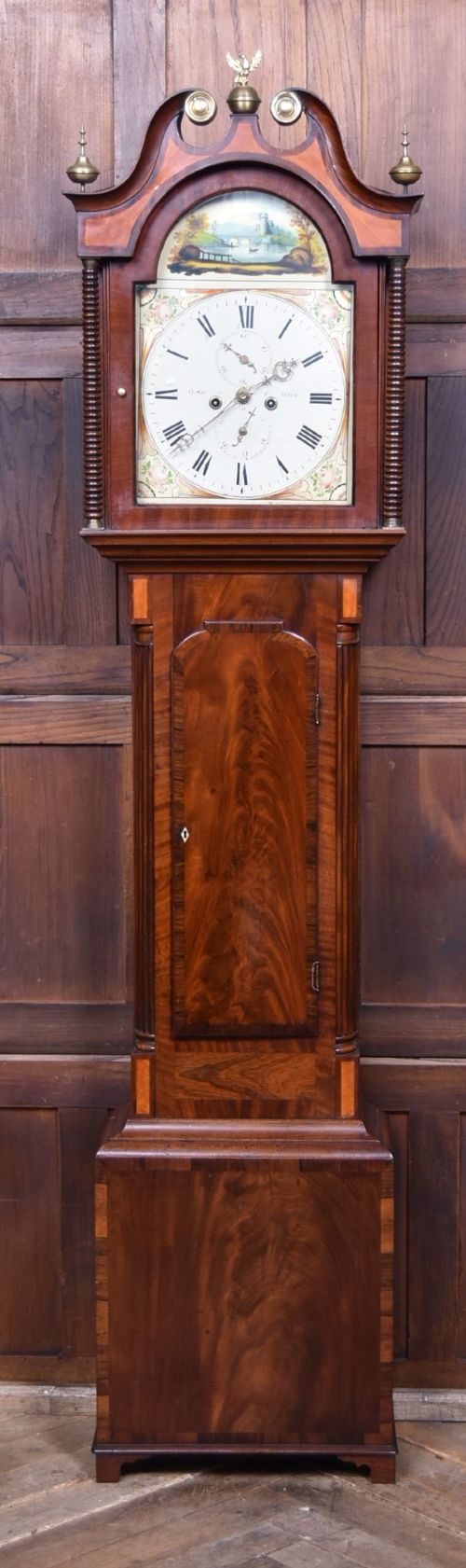
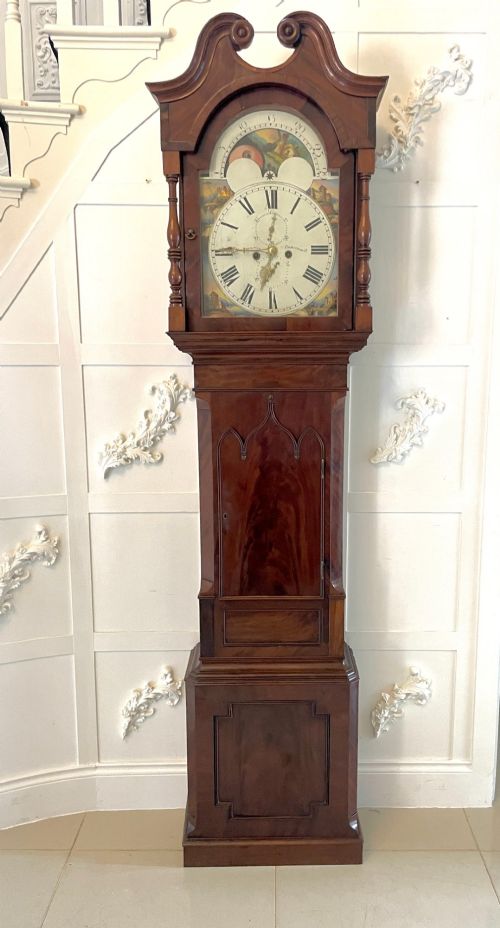
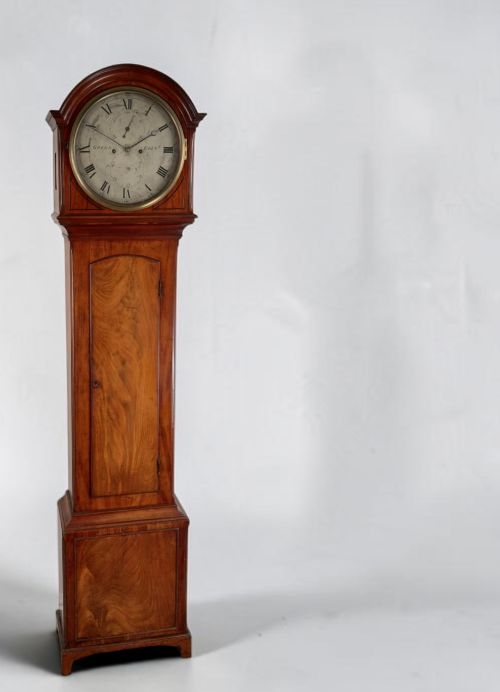


Brown Wooden Tallcase Clock
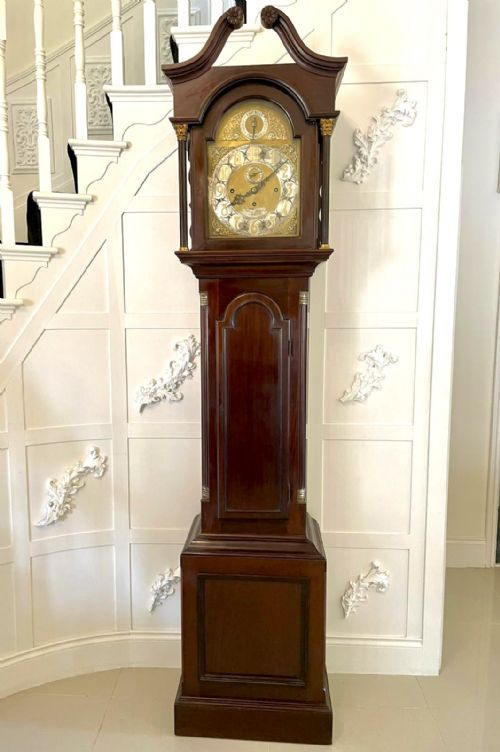
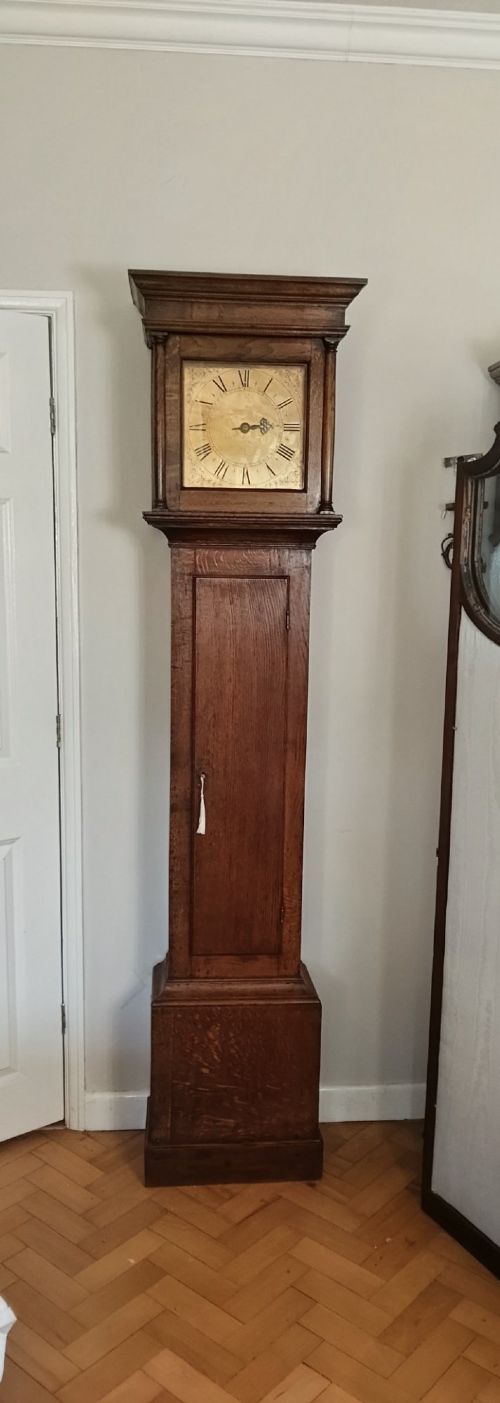
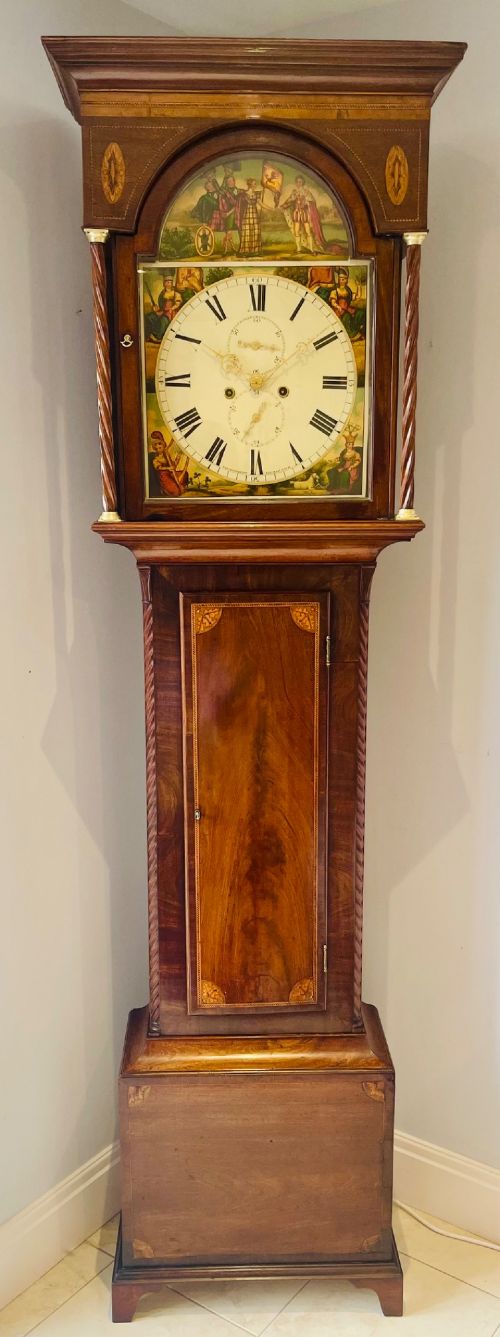
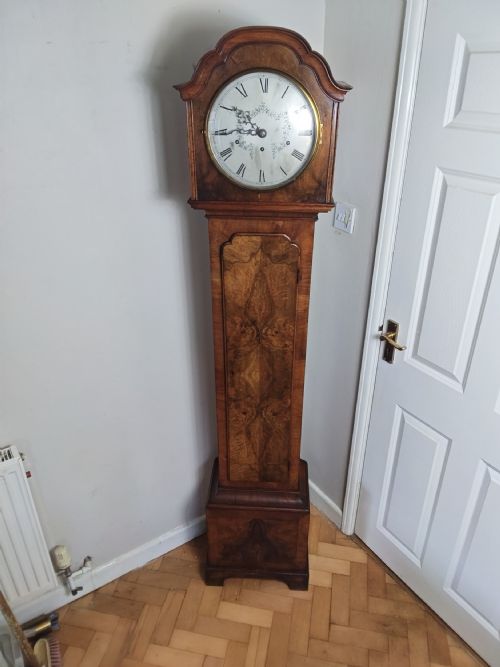
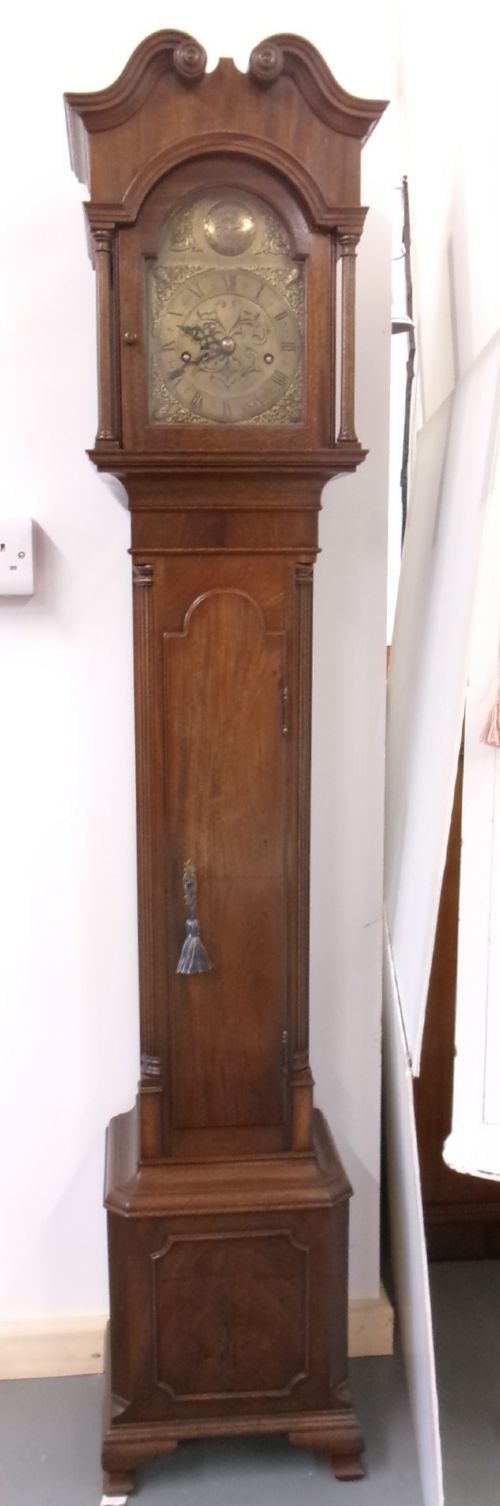
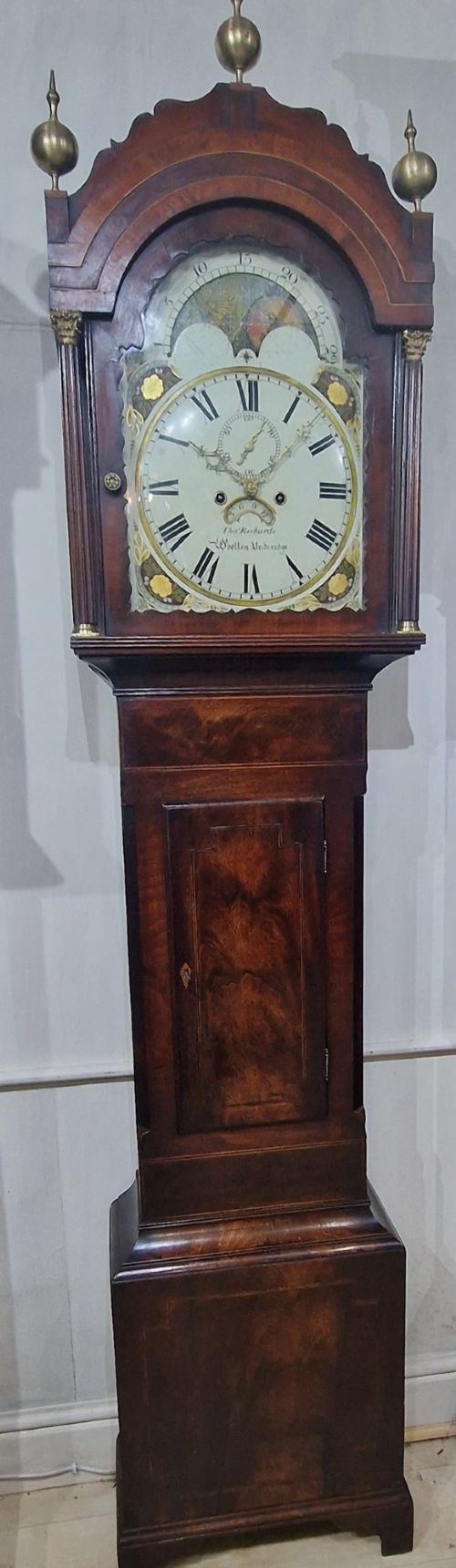
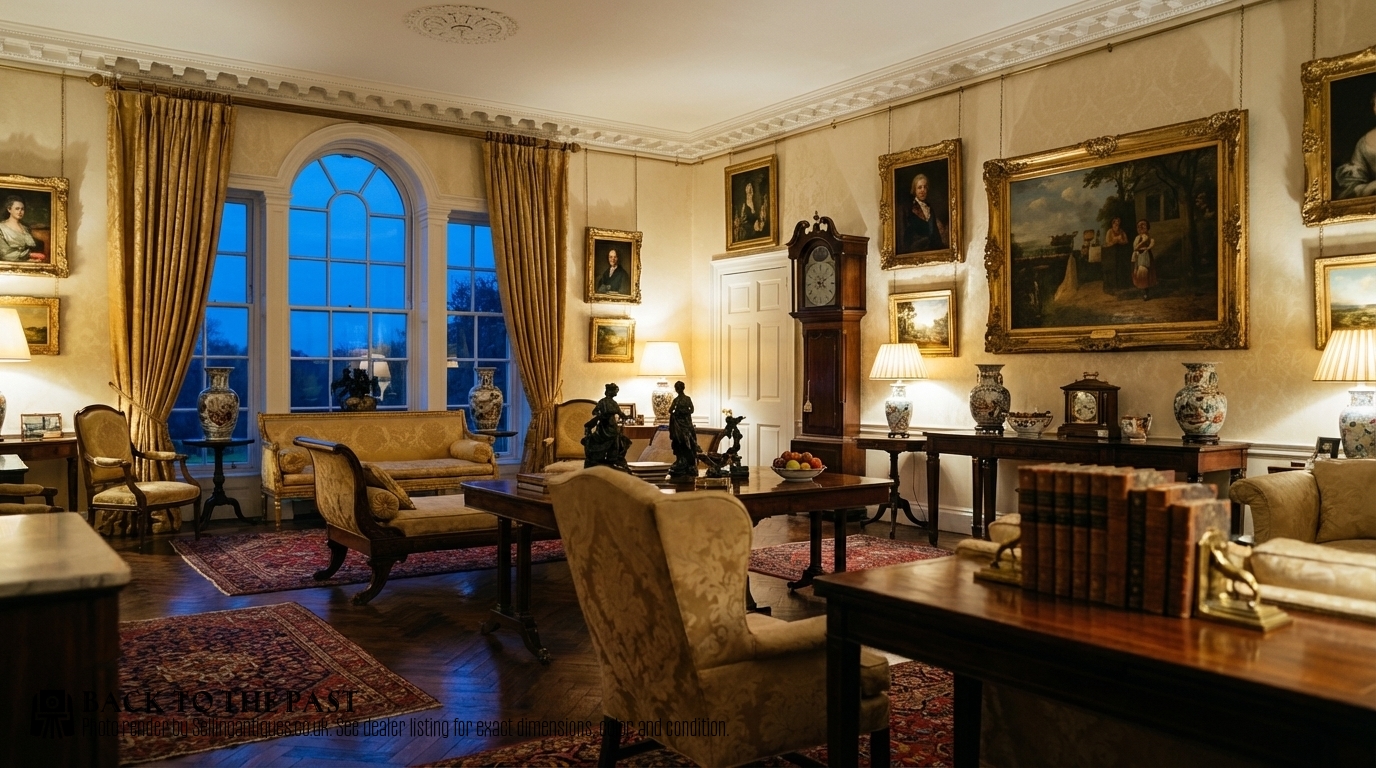
A brown wooden tallcase clock stands as a commanding vertical presence in a room, housing intricate weights and pendulums within timber cases spanning centuries.
Brown Wooden Tallcase Clock
When searching for a brown wooden tallcase clock, buyers encounter full-sized floor-standing timepieces alongside smaller variations often termed grandmother or grandfather clocks. These instruments originate from periods including the Georgian and Victorian eras, as well as the 18th, 19th, and 20th centuries.
The construction takes the form of tall wooden cases enclosing pendulum movements, frequently displaying regional variations from Scottish, Welsh, and English makers. Dial designs range from painted iron and brass to arched faces incorporating moonphase complications and musical chimes.
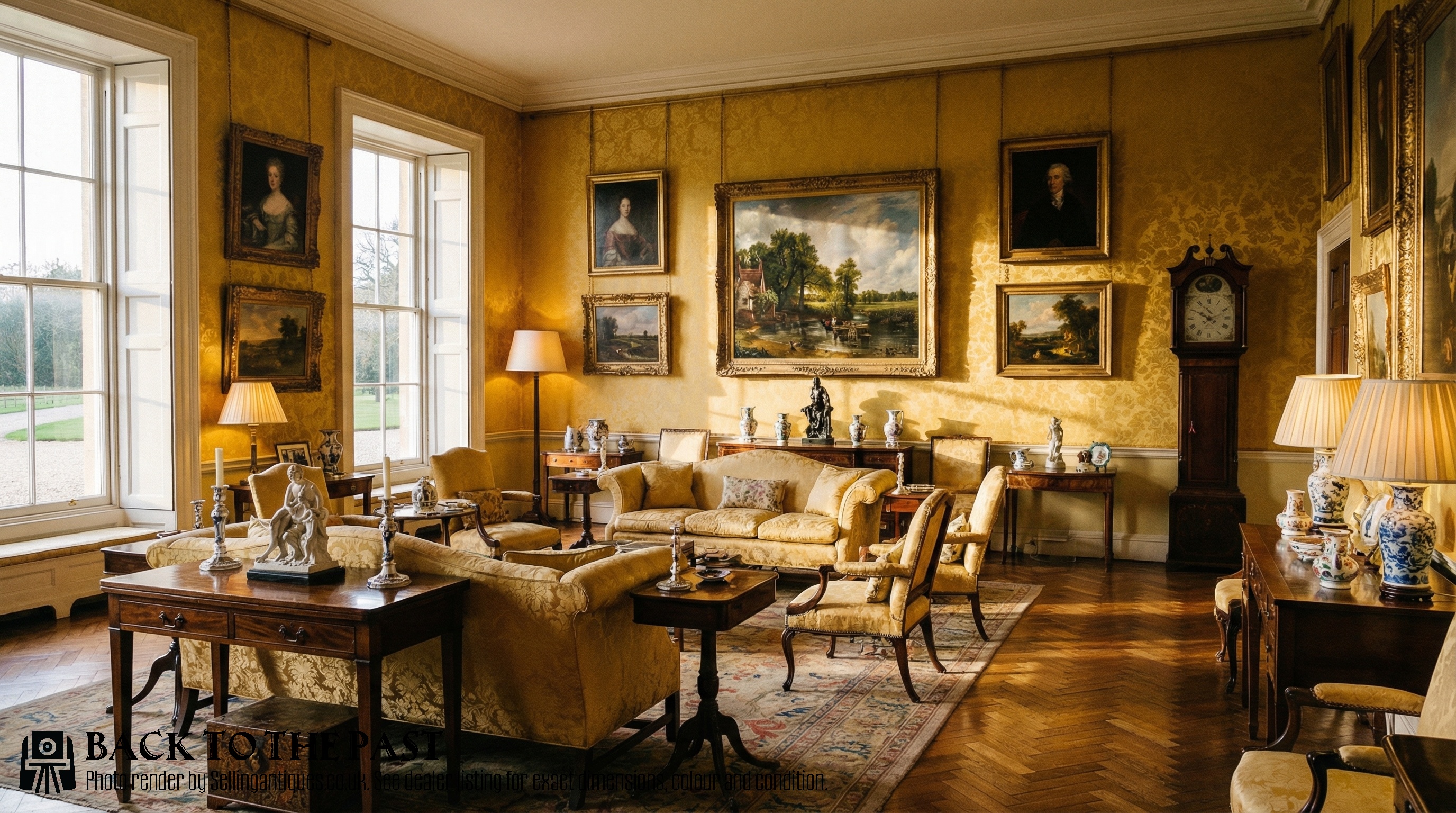
Most examples found on this page display traditional timber housings designed to anchor the proportions of a traditional interior space. The scale varies from imposing full-height models down to miniature or quarter-chiming variants from later revival periods.
How they were made
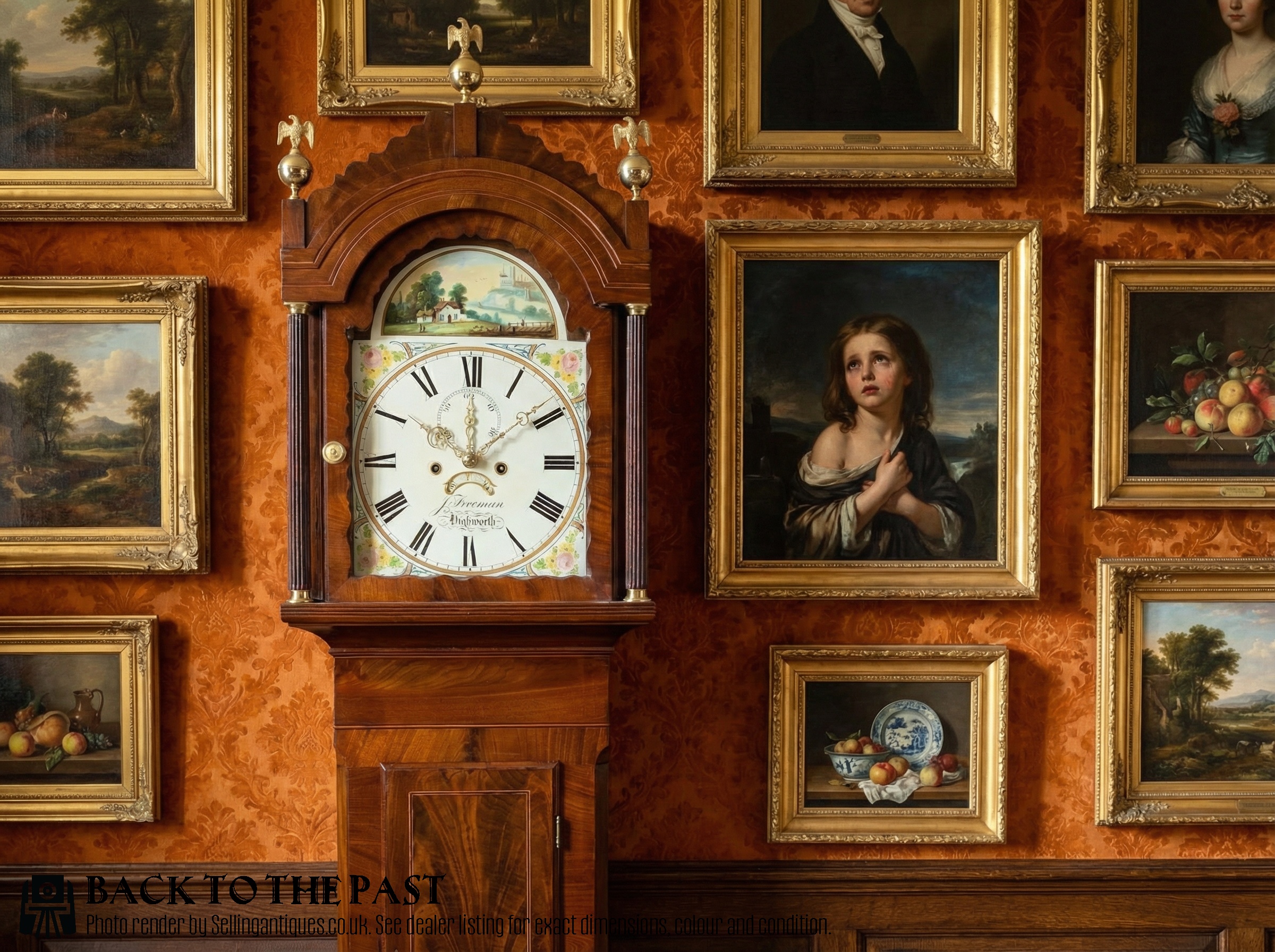
Cabinetmakers constructed the tall cases using native and imported hardwoods such as oak, mahogany, walnut, and flame mahogany, often applying veneers and quarter-veneering to the exterior surfaces. These timbers were joined to house long pendulums and heavy driving weights safely within the trunk.
Clockmakers fitted brass or painted iron dials into the hoods, connecting them to gear trains driven by weights or springs. Dial faces frequently featured engraved signatures, subsidiary seconds rings, and moonphase indicators driven directly by the movement.
Brown Wooden Tallcase Clock Retail Price Guide 2026
Typical asking prices for brown wooden tallcase clock among the pieces listed under this phrase on Sellingantiques today, from the lower quarter to the upper quarter. They describe what is for sale here now, not the wider market.
Listings feature timbers including oak, walnut, mahogany, and flame mahogany paired with brass and painted iron dials.
What varies in quality
The distinction between tiers rests upon the choice of timber and the precision of the cabinetwork, particularly in figured veneers and flame mahogany housings. Superior examples display crisp architectural mouldings and well-balanced proportions that integrate the hood, trunk, and base harmoniously.
Movement execution defines the upper echelon, where skilled makers incorporated musical chimes, multiple weights, or complex moonphase dials. The integration of signed brass dials and refined mechanical gear trains separates standard utility timepieces from exceptional workshop productions.
Green of Edinburgh·D. Straiton, Montrose·Winsor Bishop Norwich·Edward Upjohn, Exon·Benjamin Peers, Chester·Edward East·Joseph Knibb·Anthony Marsh, London
The Brown Wooden Tallcase Clock Glossary
- Tallcase clock
- A weight-driven pendulum clock enclosed in a tall wooden floor-standing case. This term encompasses both traditional grandfather clocks and smaller related variants.
- Grandmother clock
- A smaller version of the tallcase clock produced primarily during the 20th century. These scaled-down models occupy less vertical space while retaining weight-driven or chiming movements.
- Moonphase
- A dial mechanism tracking the phases of the lunar month through a rotating disk. This complication appears on the arched upper portion of many regional clock faces.
- Arched dial
- A clock face featuring a curved top section above the traditional circular dial. This space often houses subsidiary displays, maker inscriptions, or moving automatons.
Brown Wooden Tallcase Clock: Frequently Asked Questions
Where should a tallcase clock be placed?
These tall floor-standing timepieces require a stable, dry interior wall with adequate vertical clearance to accommodate the case and suspend the weights properly.
Positioning the clock away from direct sunlight and temperature fluctuations protects the timber case and helps maintain mechanical accuracy.
How do you wind a weight-driven clock?
Winding involves using a crank key to draw the driving weights back up toward the top of the trunk. Care must be taken to support the weight or chain during the process.
Different movements require winding at weekly or shorter intervals depending on the gear train configuration and number of trains.
What is the difference between oak and mahogany cases?
Oak cases typically reflect earlier periods and display prominent grain figures with a robust, heavier structural character. They were widely used by regional makers across Britain.
Mahogany and walnut cases often exhibit smoother finishes, rich dark tones, and decorative veneers like flame mahogany that became popular in later Georgian and Victorian periods.
How are different periods identified?
Period attribution relies on a combination of case style, timber selection, dial construction, and the signature of the maker inscribed on the face. Georgian examples often feature straightforward proportions, whereas later Victorian and Edwardian pieces incorporate distinct revival details.
Internal movement construction and dial materials also provide clear indicators of the era in which the clock was produced.