
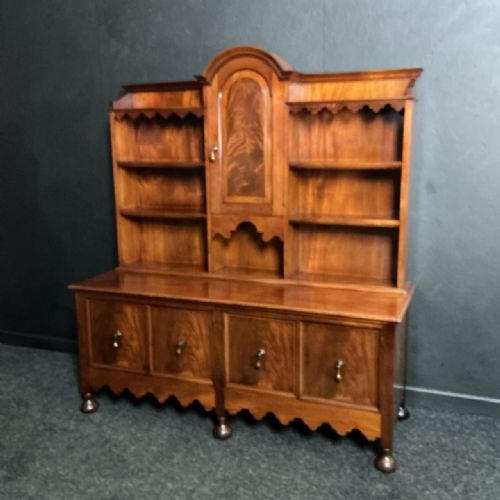
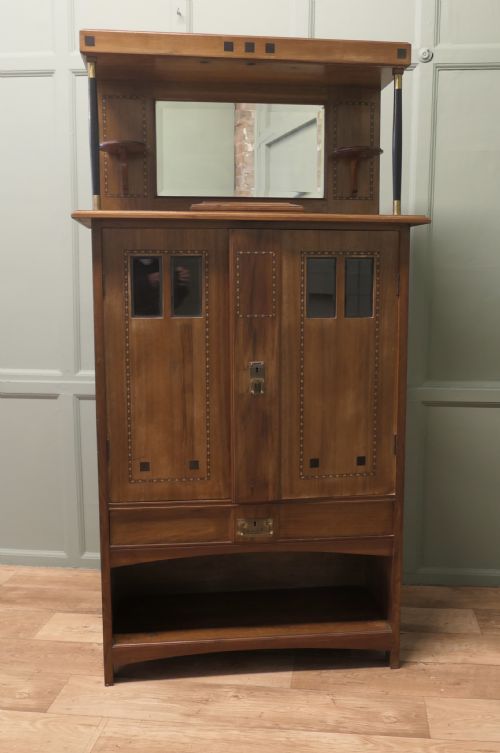
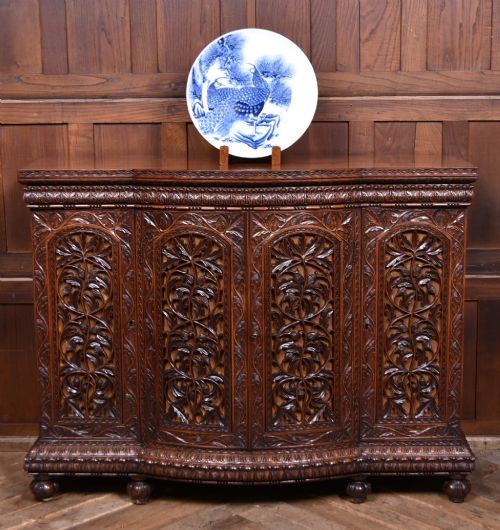
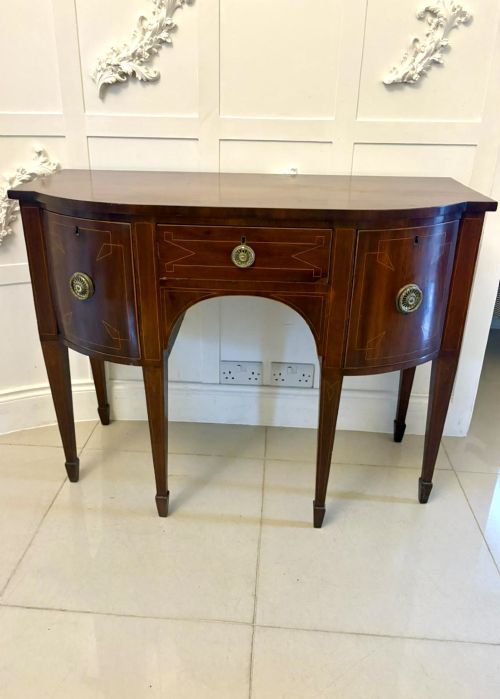
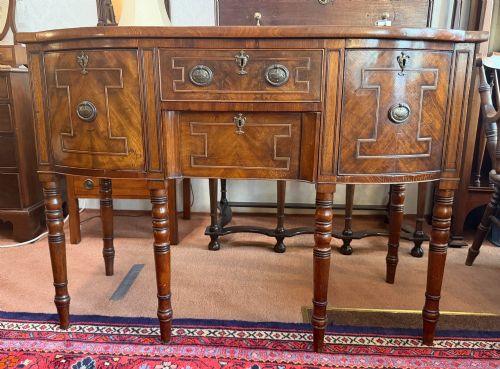
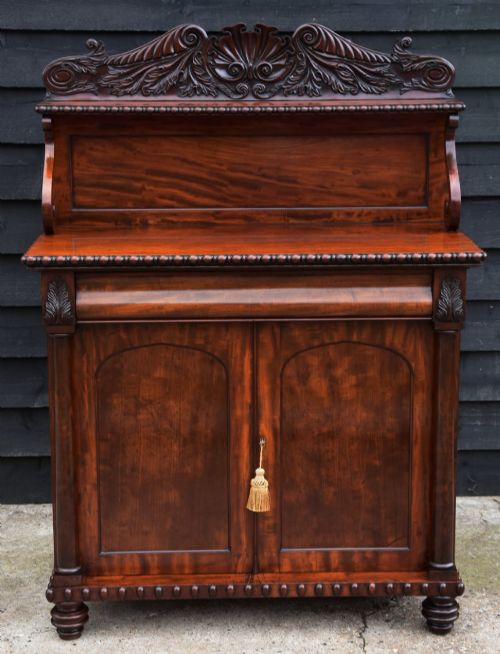
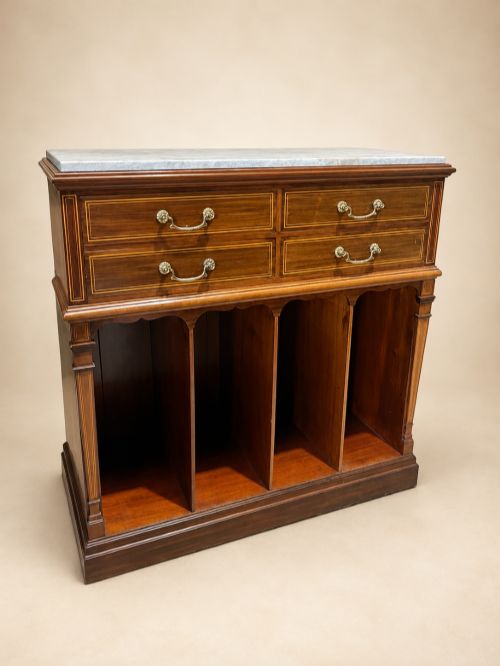
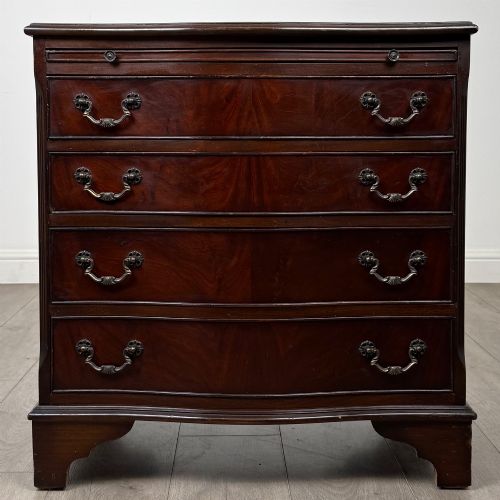
Brown Wooden Sideboard
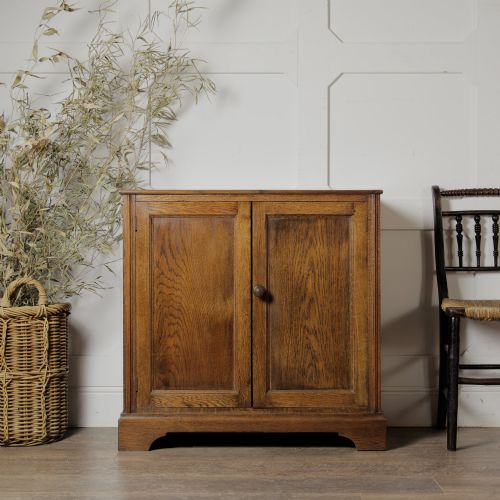
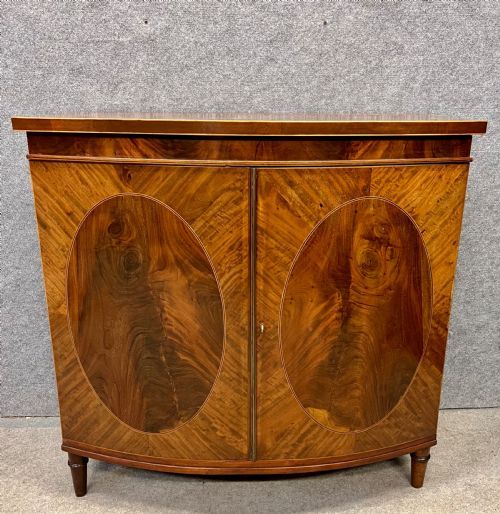
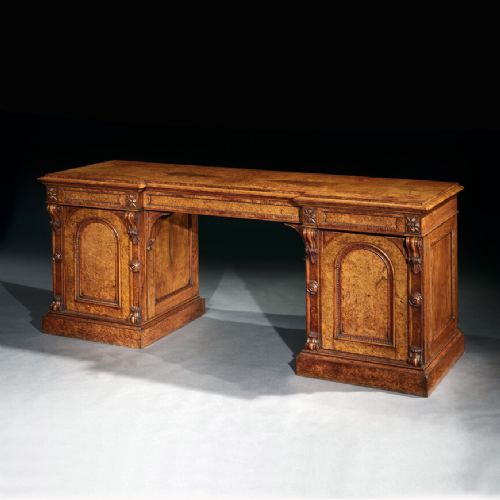
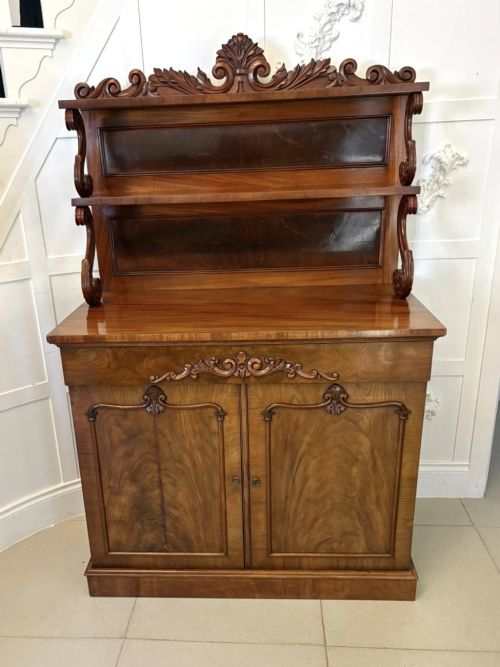
These brown wooden sideboard examples span centuries of cabinetmaking, offering sturdy storage and rich grain figures for traditional rooms.
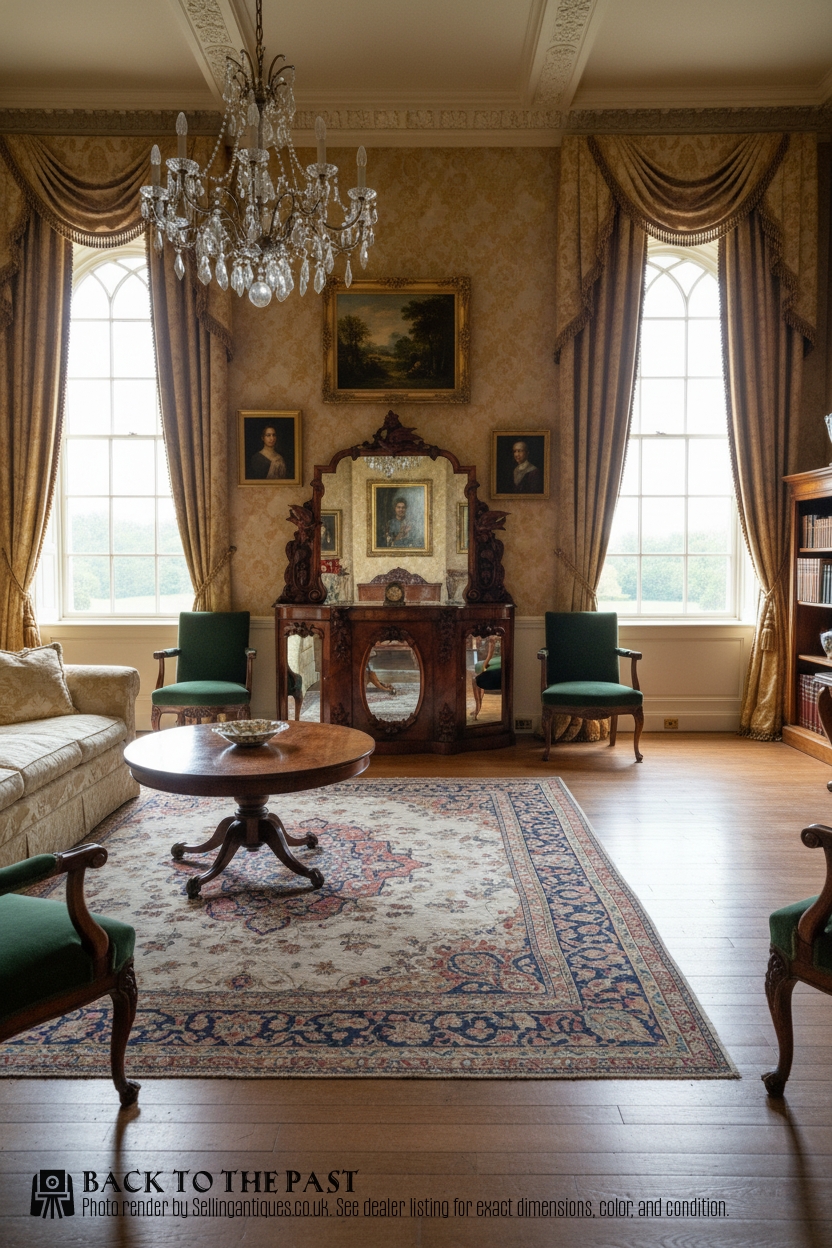
What a brown wooden sideboard is
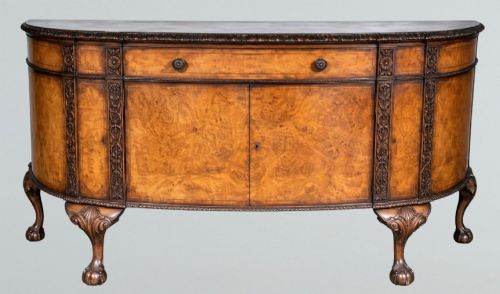
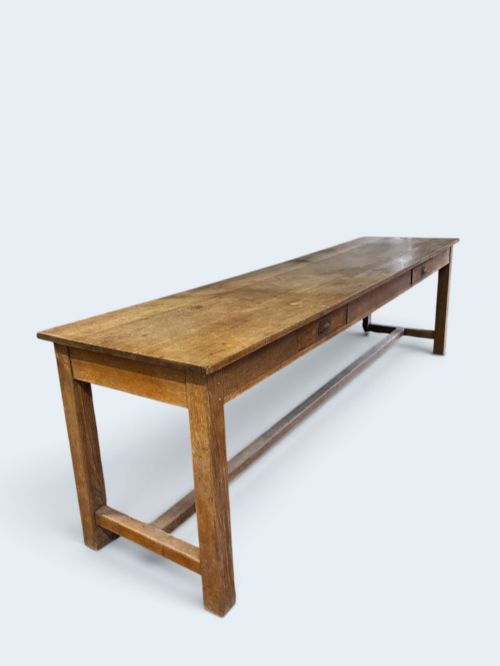
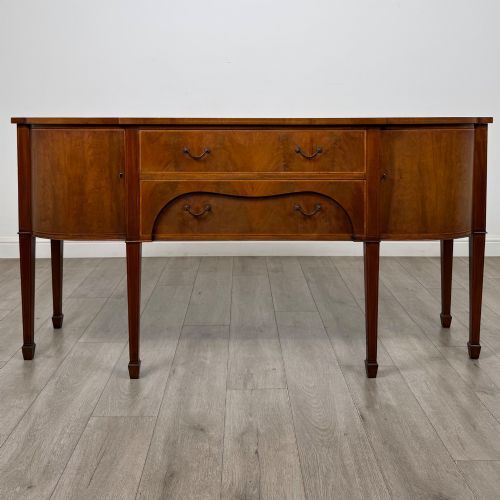
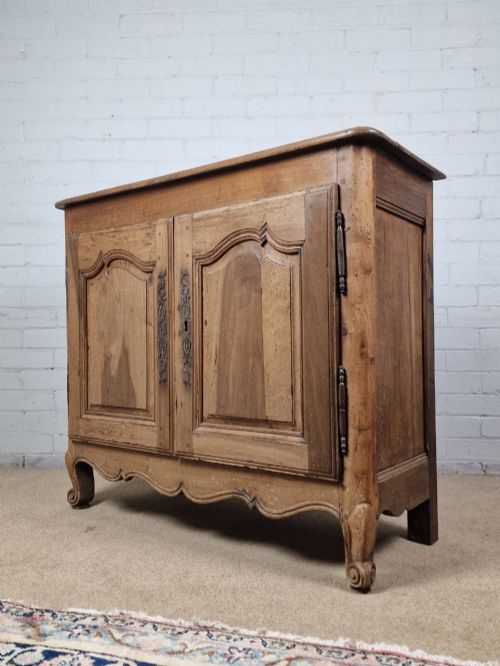
A brown wooden sideboard serves as a practical storage piece for dining rooms and living spaces, offering cupboards and surface area. These examples span formal Georgian forms to rustic English Country dressers and later Victorian credenzas.
The pieces listed here include side cabinets, chiffoniers, and monumental credenzas in woods such as mahogany, walnut, elm, and painted finishes. Buyers encounter everything from eighteenth-century Georgian designs to nineteen-thirties Arts and Crafts creations.
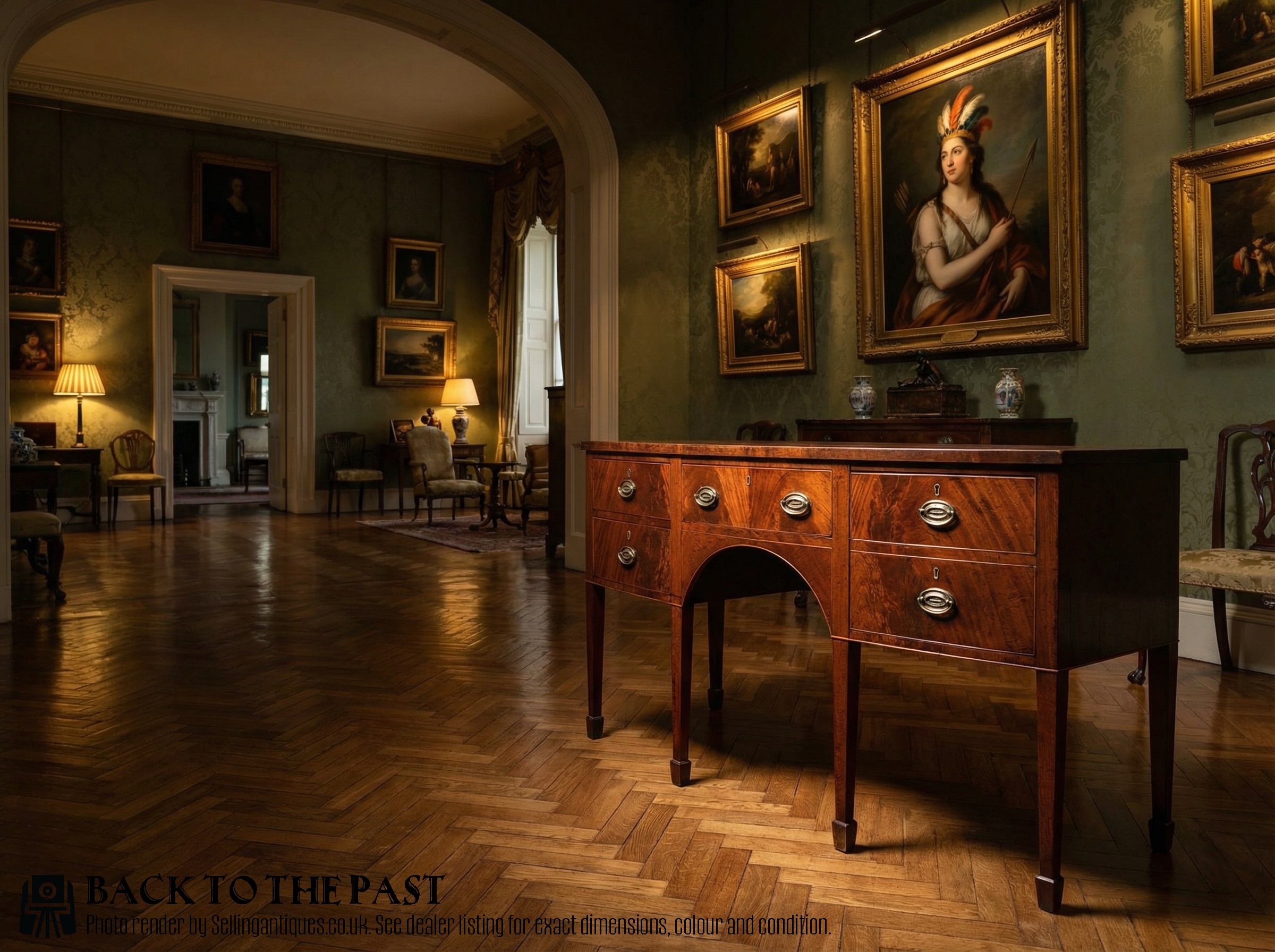
How they were made
Cabinetmakers utilised timber like mahogany, walnut, and elm, often pairing them with brass hardware and occasionally glass panels or gilt details. Construction relied on traditional joinery techniques suited to heavy domestic furniture.
Surface treatments range from polished natural wood grains to hand-painted artistic finishes seen in Pre-Raphaelite revival pieces. Carved ornamentation appears on Victorian walnut credenzas and Italian Renaissance revival forms.
Retail Price Guide 2026
Typical UK retail prices for brown wooden sideboard, calculated from the Sellingantiques database of over a million retail prices indexed since 2003. This retail price guide relies exclusively on Sellingantiques data; no external sources or auction records are used, so the figures do not describe the wider market.
What varies in quality
Quality separates simple utility furniture from ambitious architectural statements through the choice of timber and the depth of carving. Finer examples display superior timber selection, such as richly figured mahogany or carefully chosen elm.
The ambition of the design dictates the tier of the piece, moving from straightforward regional kitchen dressers to monumental Italian credenzas. Elaborate Victorian carving and delicate hand-painted surfaces distinguish the most decorative works from standard storage.
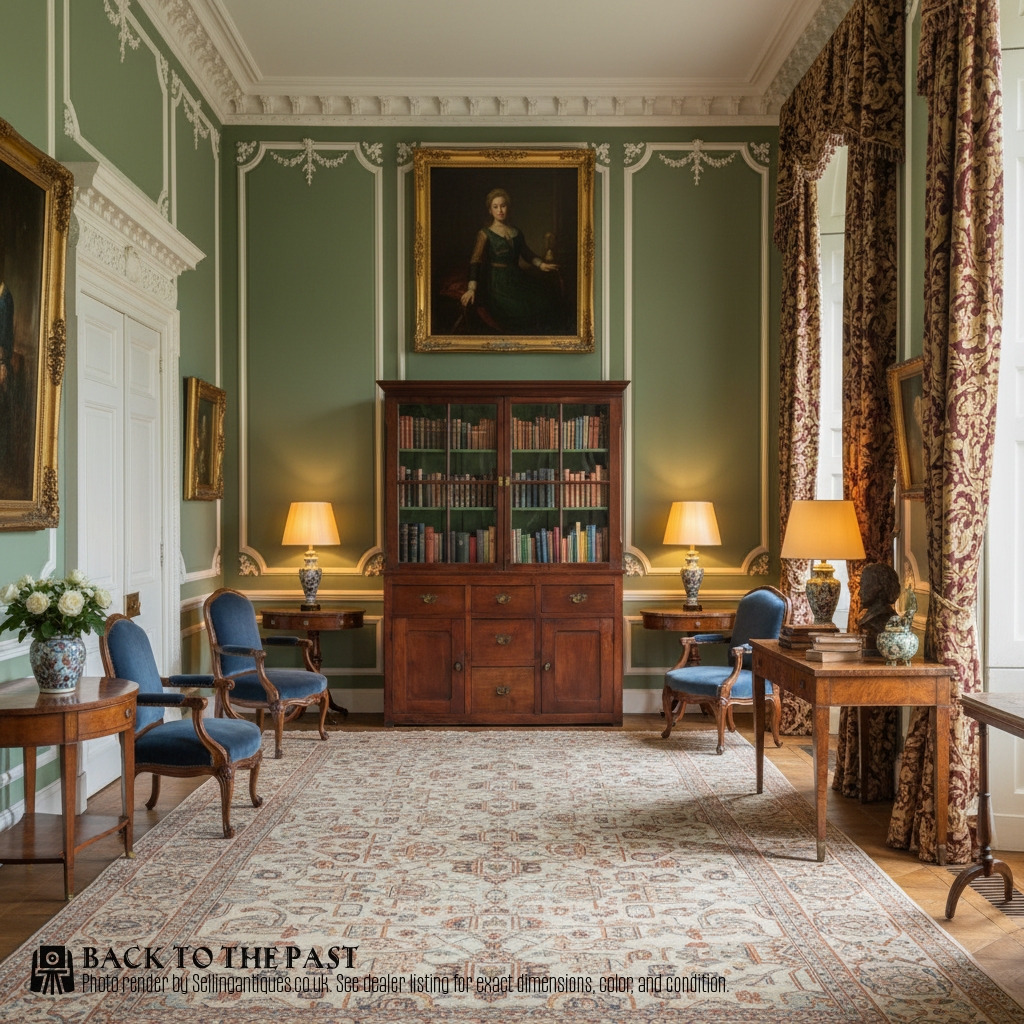
Whytock and Reid
The Brown Wooden Sideboard Glossary
- Credenza
- A sideboard or cabinet originally lacking legs, often featuring elaborate doors and decorative mounts. Victorian versions frequently incorporate glass and intricate carving.
- Chiffonier
- A small sideboard or low cabinet popular in the nineteenth century, sometimes fitted with open book shelves on top. These pieces suit compact rooms.
- Dresser
- A kitchen or dining furniture item combining shelving with base cupboards. English Country versions provide robust open storage.
- Mahogany
- A durable, reddish-brown tropical hardwood favoured for eighteenth-century and nineteenth-century formal cabinetmaking. It takes a high polish.
Frequently Asked Questions
Where should I place a brown wooden sideboard?
These pieces traditionally anchor a dining room wall, providing a surface for serving and storage underneath.
They also work well in large hallways or living spaces to display decorative objects and store linens.
How do I identify a Georgian sideboard?
Georgian pieces typically feature refined proportions, high-grade mahogany, and restrained classical ornamentation.
They rely on the natural beauty of the wood grain rather than heavy Victorian carving.
What is the difference between a credenza and a chiffonier?
A credenza is a low, substantial cabinet often associated with Victorian or Italian Renaissance revival styles.
A chiffonier is generally smaller and lighter, frequently including upper book shelves.
Are these pieces suitable for modern homes?
The warm tones of mahogany, walnut, and elm add character and grounding to contemporary interiors.
Their substantial storage capacity makes them practical for everyday household organisation.