
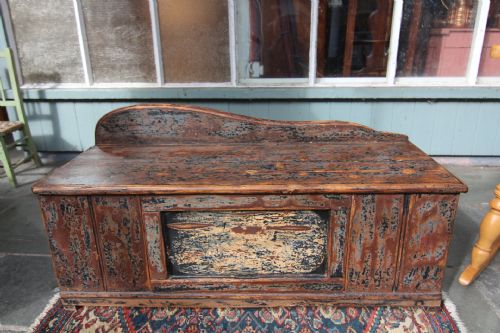
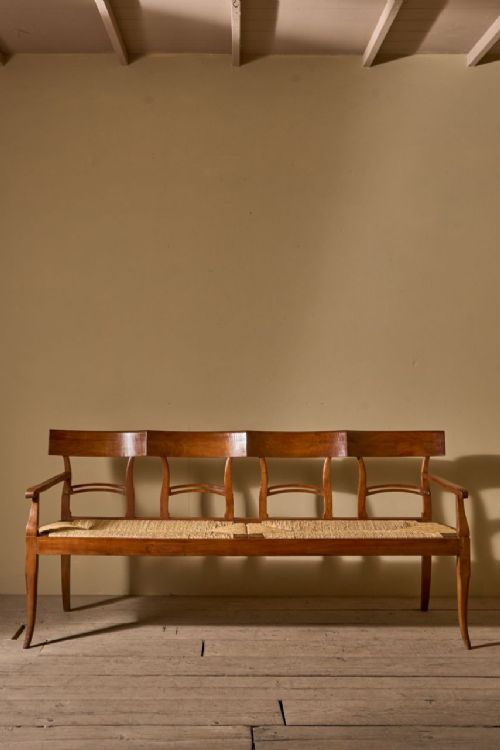
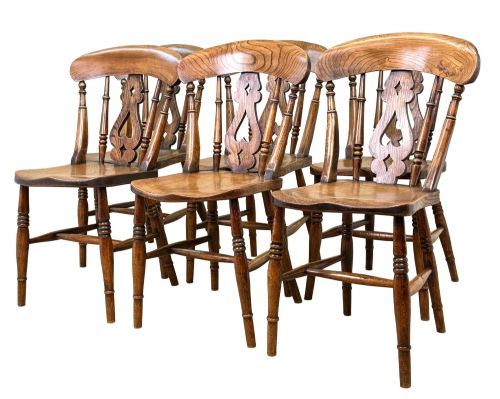
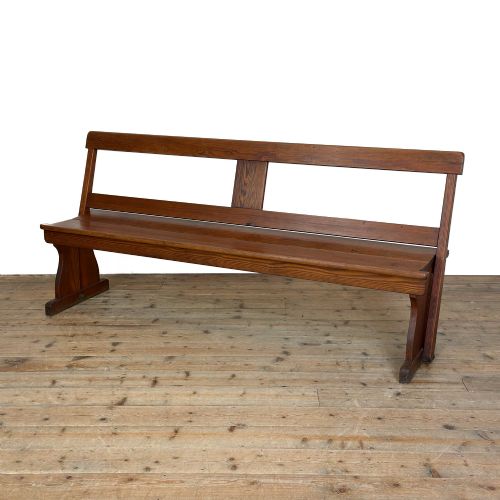


Brown Wooden Seat
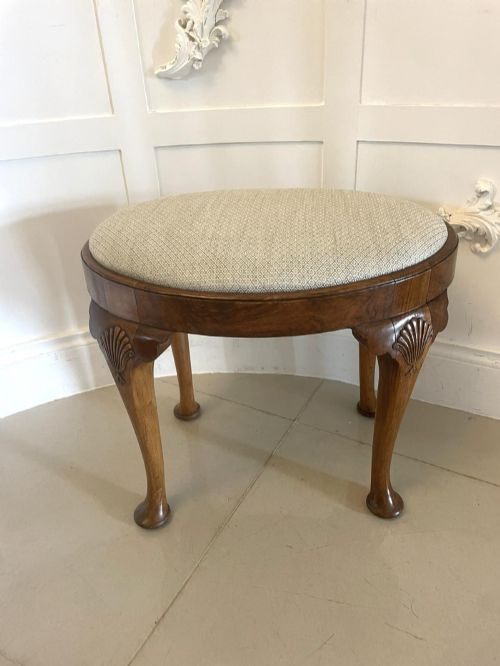
A brown wooden seat anchors a room through plain utility and honest timber, spanning farmhouse stools and formal dining chairs.
Brown Wooden Seat
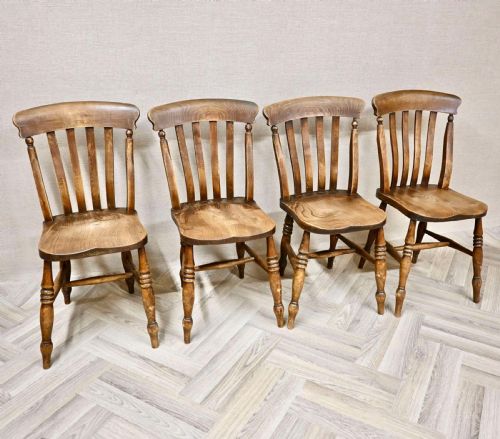
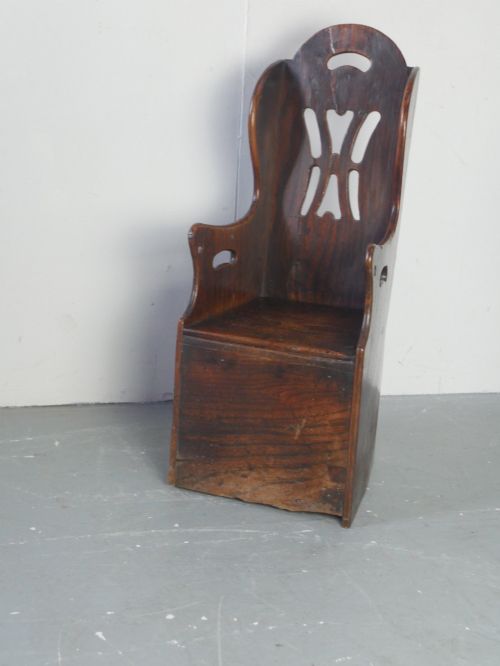
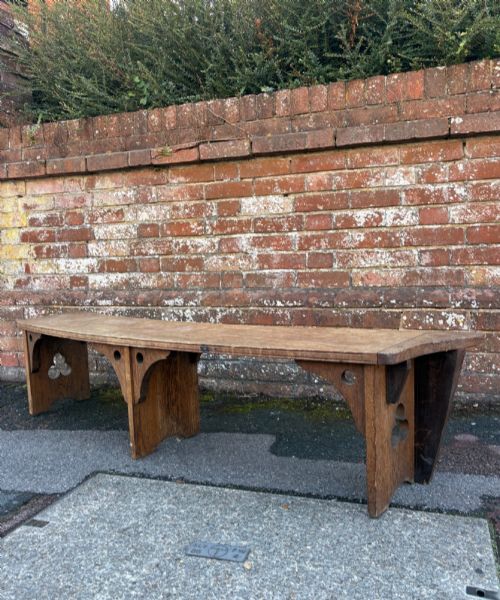
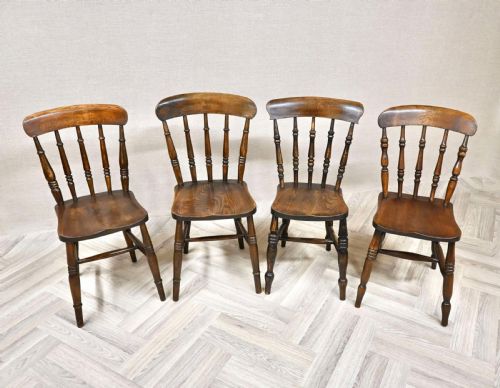
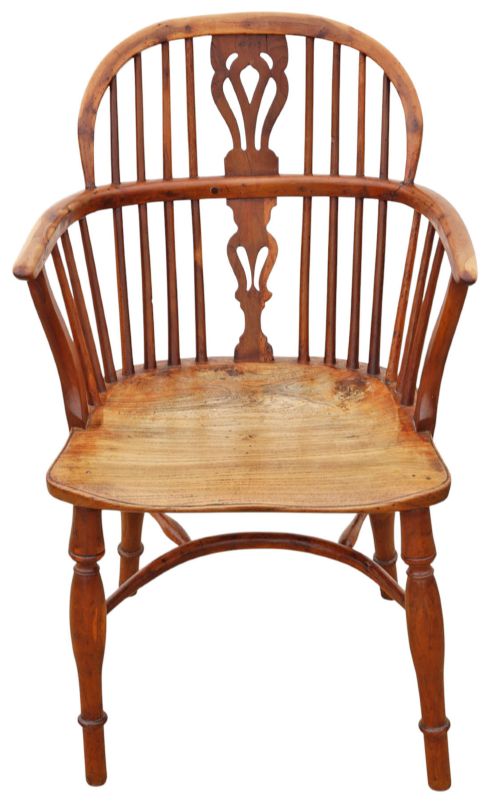
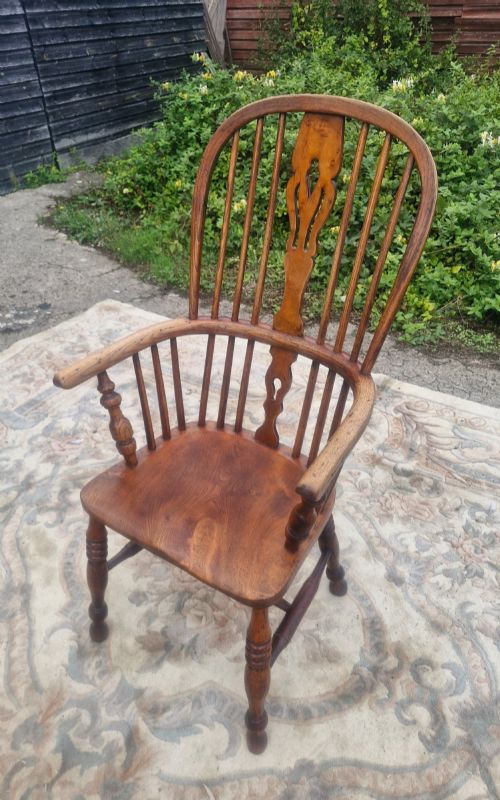
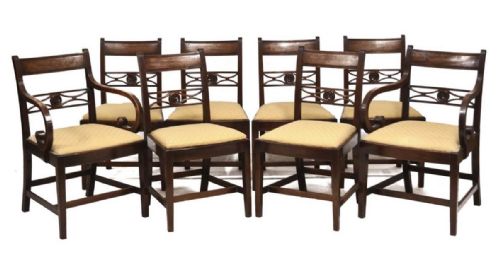
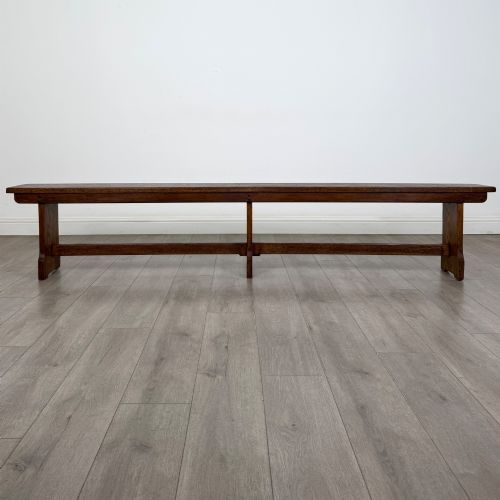
When you search for a brown wooden seat, you encounter a wide variety of domestic and tavern forms spanning the eighteenth, nineteenth, and early twentieth centuries. The selection ranges from robust Windsor armchairs and kitchen chairs to long oak tavern benches, hall chairs, and clerk stools.
You are most likely to meet elm, oak, and mahogany examples shaped for everyday use in English country houses, rustic pubs, and formal dining rooms. The styles bridge vernacular English country traditions and refined Georgian or Victorian cabinet-making.
Seating formats vary from single low armchairs and spindle-back farmhouse chairs to sets of dining chairs and narrow hallway benches designed for compact spaces.
Materials and construction
Craftsmen built these seats using native hardwoods such as elm, ash, beech, and oak, often combining timbers within a single piece to harness the specific strengths of each wood. Windsor chairs typically feature sculpted elm seats paired with ash or beech spindles and bending parts.
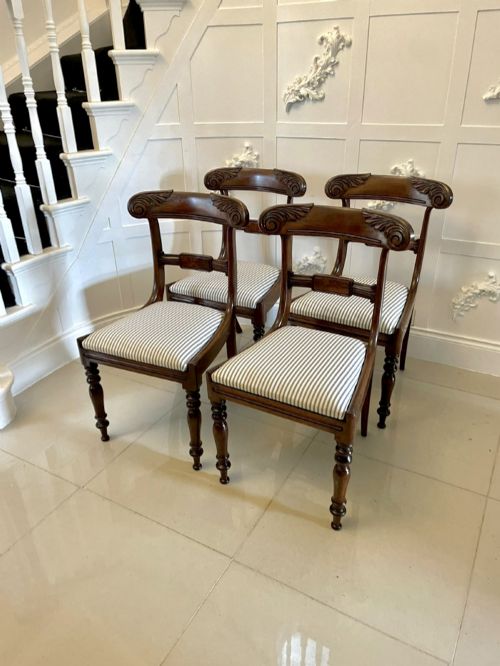
Formal dining and hall chairs rely heavily on mahogany and walnut, assembled with traditional joinery, turned legs, and carved supports. Country pieces and tavern stools utilise sturdy pegged joints, trefoil carvings, and simple turned legs designed to withstand heavy daily wear.
Clerks and silversmiths once perched on these exact height-adjustable wooden seats while ledger books balanced nearby.
Character and construction standards
Quality rests in the integrity of the timber selection, the crispness of carved details like shield backs or trefoil supports, and the structural soundness of the frame. Superior pieces retain their original patination, well-turned spindles, and properly fitted joints without excessive modern intervention.
Lower grades often show heavy timber replacement, loose joinery, or unsympathetic repairs that diminish the historical cohesion of the piece. The distinction lies in whether the timber retains its honest grain and original structural rhythm.
Liberty Morris And Co
The Brown Wooden Seat Glossary
- Windsor chair
- A wooden chair built with a heavy solid wooden seat into which the legs and back spindles are separately bored and wedged. This form developed deep roots in English country production.
- Settle
- A wooden bench with high backboards, solid arms, and often a storage box beneath the seat designed to block draughts in older rooms.
- Hall chair
- A rigid, often high-backed wooden seat placed in an entrance hall for brief use, frequently featuring carved or painted family crests.
- Joint stool
- An early form of wooden stool constructed with mortise and tenon joints fastened by wooden pegs rather than turned legs.
- Bar back
- A chair design featuring a horizontal curved top rail resembling the shape of a tavern bar.
- Lathe back
- A chair back constructed with flat, steam-bent wooden slats rather than rounded spindles.
Brown Wooden Seat: Frequently Asked Questions
How do I care for antique wooden seats?
Keep wooden seats away from direct heat sources and sudden humidity shifts to prevent the timber from splitting or warping.
Apply a traditional wax polish occasionally to nourish the grain and maintain the natural lustre of the aged surface.
Were Windsor chairs used indoors?
Windsor chairs served primarily as versatile seating in kitchens, farmhouses, and country homes, offering robust comfort for daily tasks.
Their sturdy construction also suited commercial spaces like pubs, taverns, and rural offices.
What is a tavern bench?
A tavern bench is a long, heavy wooden seat designed to accommodate multiple patrons in public houses and communal halls.
Built mainly from oak or pine, they feature stable frame structures capable of withstanding heavy commercial use.
How do I date a wooden stool?
Dating relies on examining the tool marks, timber shrinkage, construction methods, and the style of the turned legs.
Earlier pieces show hand-sawn surfaces and pegged joints, while later nineteenth-century examples display more uniform machine-assisted turning.