



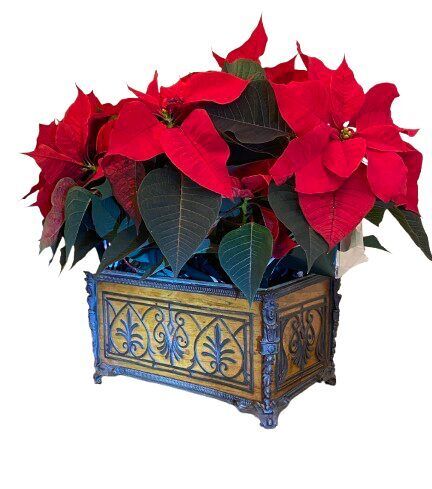
Brown Wooden Planter
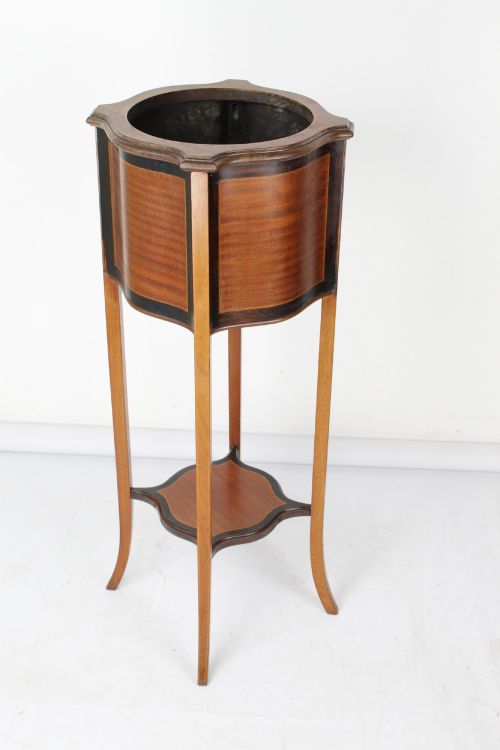
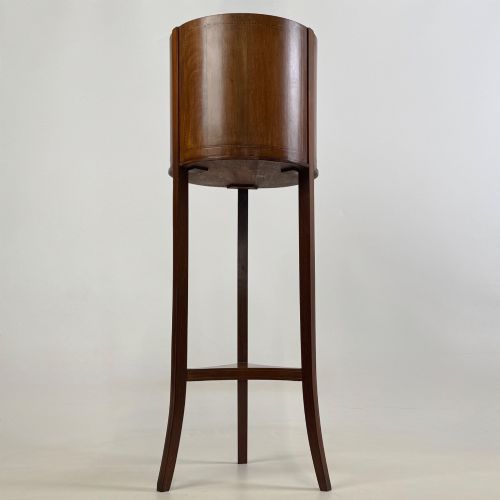
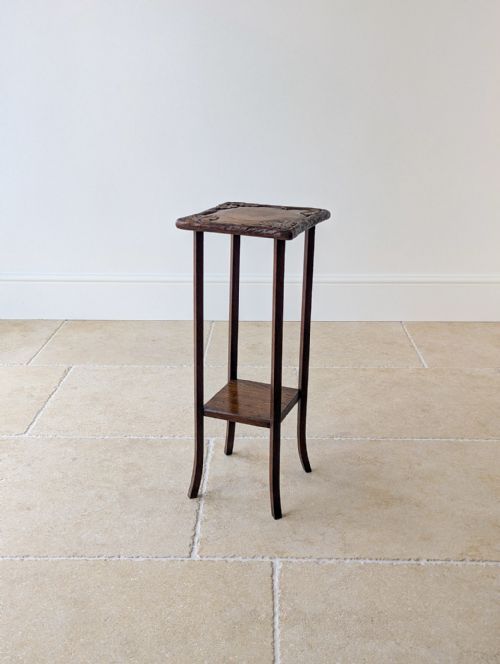
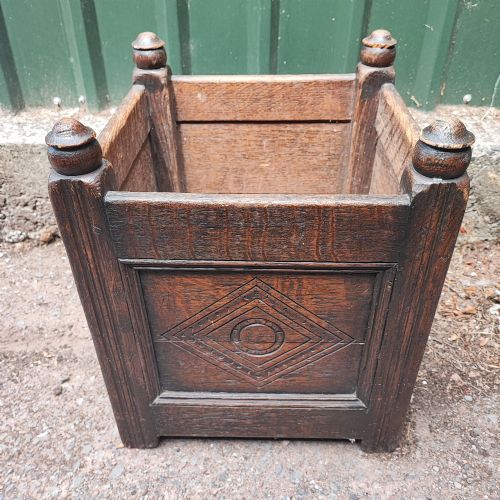
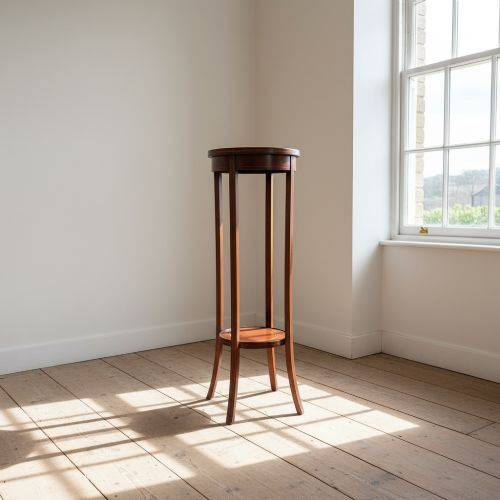
These brown wooden planter options range from compact Edwardian plant stands to robust coopered oak buckets suited for interior foliage.
Brown Wooden Planter
A brown wooden planter encompasses various forms such as jardiniere stands, plant stands, coopered buckets, and carved troughs designed to hold indoor greenery or floral arrangements. Pieces appear across periods ranging from the 18th century through the Edwardian era, reflecting both formal domestic furnishings and utilitarian country items.
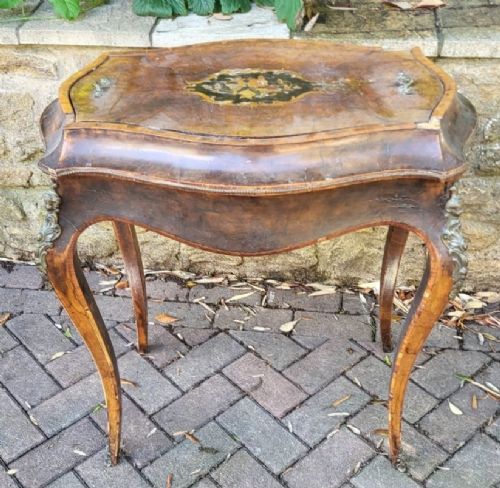
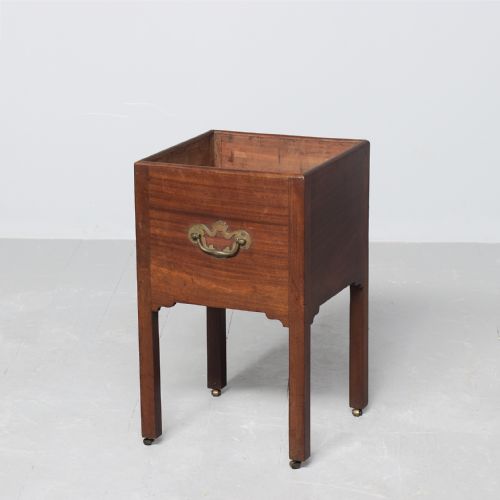
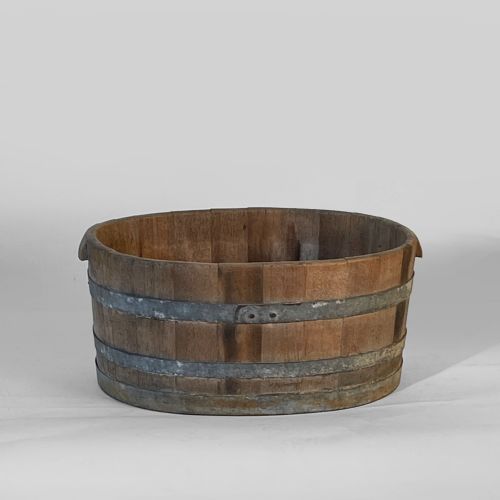
The selection on this page frequently includes mahogany plant stands with inlay work, oak coopered tubs with metal bindings, and walnut jardiniere tables. Makers adapted traditional vessels like wine coolers, butter churns, and well buckets for botanical display within period homes.
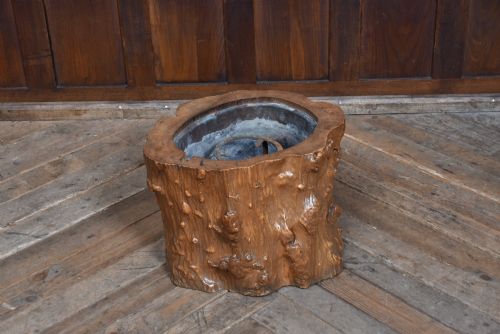
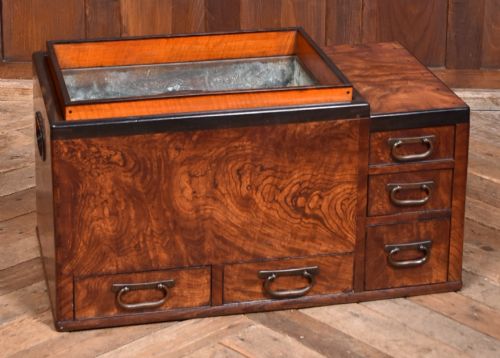
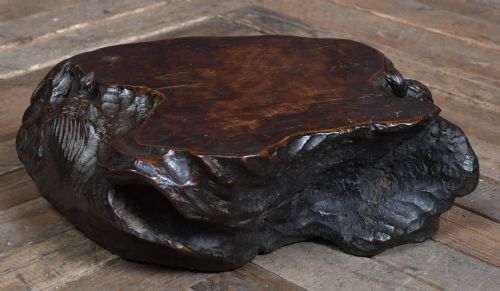
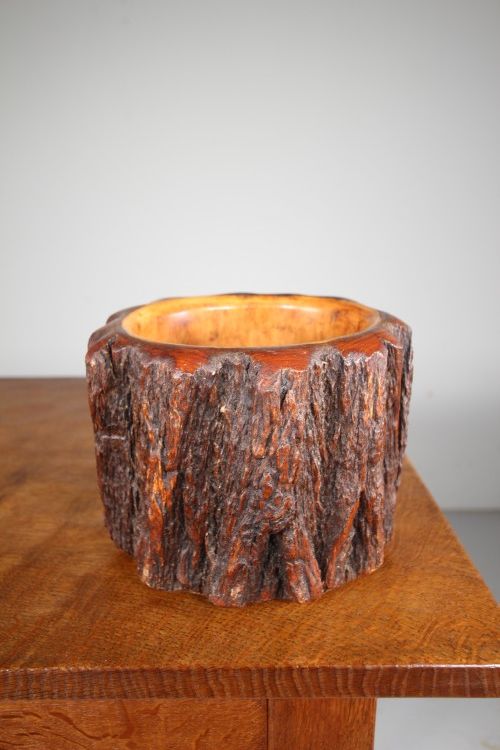
Origin points vary widely, incorporating English country workshops, French cabinet makers, Japanese hibachi bowls, and Anglo-Indian regional production. Buyers encounter both delicate parlour stands with tiered shelves and heavy floor-standing vessels constructed from dug-out tree trunks or staved timber.
Materials and construction methods
Makers utilised dense timbers including mahogany, walnut, oak, kingwood, and olive wood, frequently selecting them for figured grain patterns or durability against moisture. Secondary additions of brass bands, copper hoops, zinc liners, and iron handles provided structural integrity to coopered vessels and damp containers.
Construction techniques combined traditional cabinet making with cooperage, employing tongue-and-groove joints, dovetails, and steam-bent staves secured by metal hoops. Surface finishes relied upon French polish, wax, and natural oils to seal the wood while highlighting the natural tone and figure of the material.
Listings span multiple centuries, incorporating 18th-century French wine coolers alongside Edwardian mahogany plant stands and 19th-century Japanese hibachi bowls.
Judging quality and execution
Quality rests upon the selection of timber figure, such as burr walnut or flame mahogany, alongside the precision of joinery and metalwork binding. Superior examples display crisp hand-carved ornamentation, tight stave fitting in coopered items, and original metal liners that protect the internal timber from decay.
Proportion and stability distinguish standard utility items from high-status salon pieces, particularly in tall plant stands and heavy jardiniere tables. The integration of contrasting veneers, string inlay, and cast brass mounts indicates workshop standards and the intended domestic context of the object.
The Brown Wooden Planter Glossary
- Coopered
- Constructed from curved wooden staves joined edge-to-edge and bound with metal hoops, a method traditional to buckets and barrels.
- Jardiniere
- An ornamental pot or stand designed specifically to hold plants or flowers within a room.
- Treen
- Small handmade wooden domestic objects fashioned by turning on a lathe or through hand carving.
- Hibachi
- A traditional Japanese heating device or bowl, frequently repurposed in Western interiors as a decorative planter.
- Mortar
- A heavy bowl carved from a solid block of wood or stone, originally used for pounding materials.
Brown Wooden Planter: Frequently Asked Questions
How were antique wooden planters lined?
Period pieces often featured removable zinc, copper, or brass liners designed to catch drainage water and protect the structural timber from moisture damage.
Many surviving items retain these original metal inserts, though others require modern waterproof vessels placed inside the wooden outer shell.
Can these planters be used outdoors?
Most antique pieces were intended for interior domestic display in parlours, conservatories, or hallways rather than exposure to harsh weather.
Subjecting antique polished hardwoods or coopered dry-storage vessels to garden conditions risks splitting the timber and degrading the historic finish.
How do I date a wooden jardiniere?
Dating relies upon timber selection, hardware style, and cabinet making techniques characteristic of periods like the Georgian, Victorian, or Edwardian eras.
Stylistic cues such as brass paw feet, marquetry inlay, or specific hand-tool marks help narrow the manufacturing decade.
What is the difference between a jardiniere and a plant stand?
A jardiniere functions as the actual container or pot for soil and plants, whereas a plant stand serves as an elevated table or pedestal to lift a potted plant off the floor.
Some listings combine both functions into a single integrated furniture piece with a fixed bowl atop a columnar support.