





Antique Wood Planter Box
An antique wood planter box brings living greenery indoors with centuries of cabinet-making skill behind it.
Antique Wood Planter Box
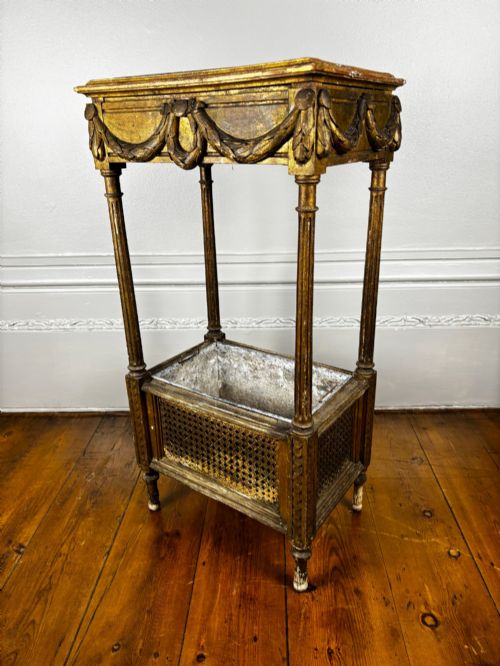
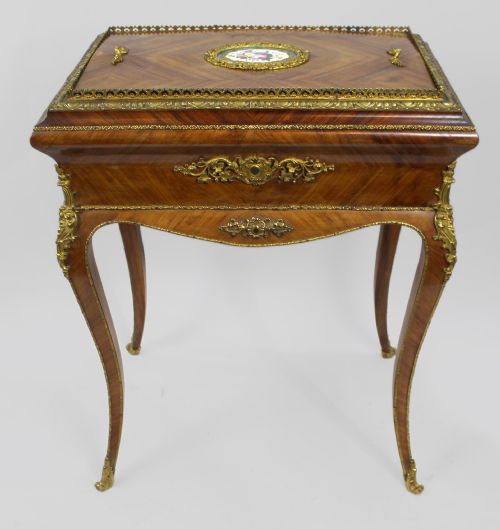
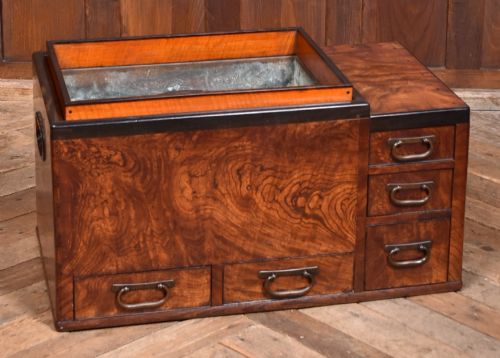
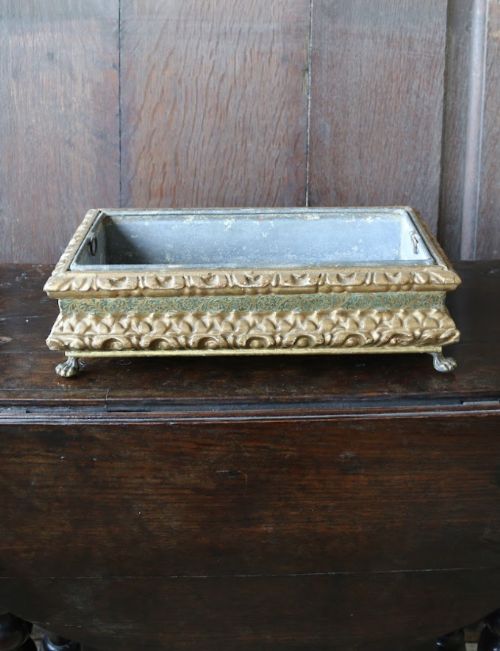
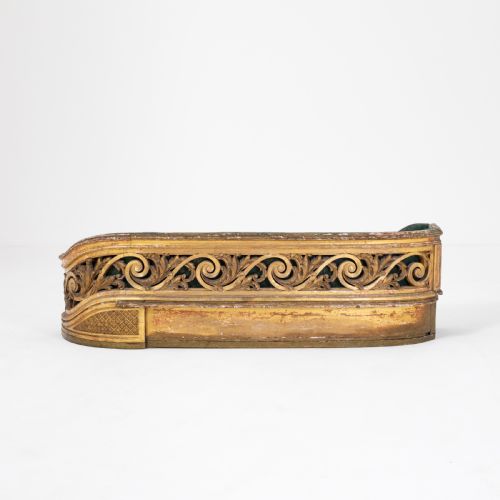
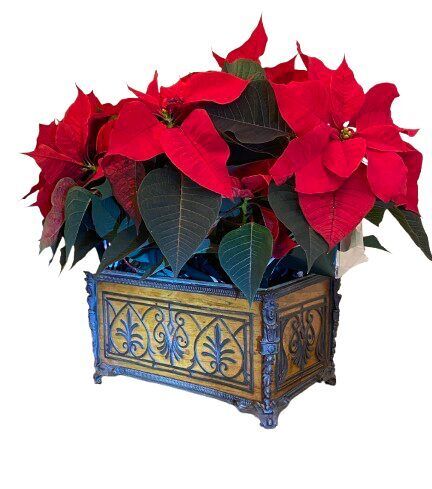
An antique wood planter box encompasses various timber vessels designed to hold plants or coordinate with domestic interiors. The selections on this page span several stylistic traditions, including French Chateau, Traditional Japanese, and Rustic Country.
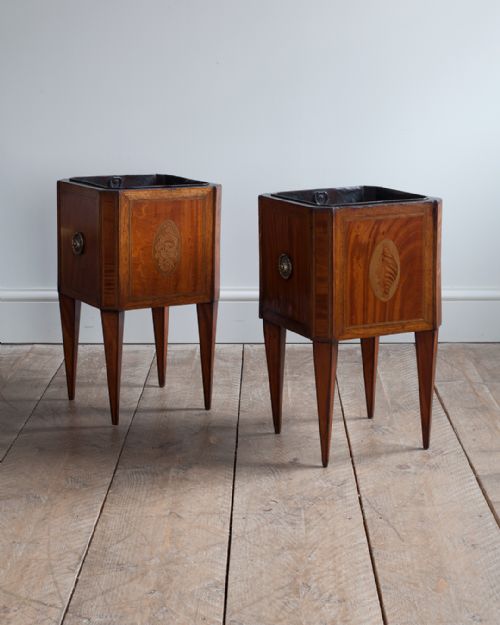
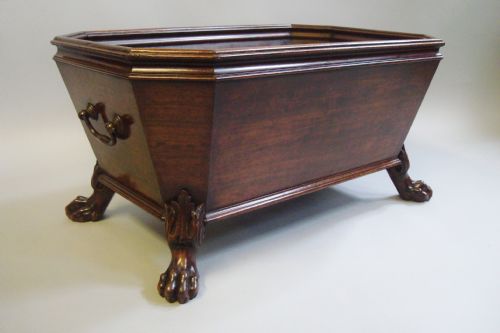
Buyers will encounter multiple forms fulfilling this function, from traditional jardinières and log boxes to architectural elements and brazier vessels. These pieces emerge from periods ranging from the seventeenth century through the Edwardian era.
Woods such as oak, mahogany, satinwood, and olive wood frequently form the primary structure. Metal mounts in brass or bronze often provide functional reinforcement and decorative contrast.
How they were made
Carpenters and cabinet-makers constructed these wooden containers utilising dense hardwoods like oak, padouk, and mahogany, alongside exotic choices such as Keyaki wood. Construction techniques often involved precise joinery and structural framing to support heavy damp soil or fuel logs.
Carving and surface ornamentation distinguish many examples, featuring intricate relief work seen in Italian giltwood and Oriental decorative boxes. Selected pieces incorporate bronze mounts, brass accents, or polished finishes that highlight the natural grain of the timber.
Antique Wood Planter Box Retail Price Guide 2026
Typical asking prices for wood planter box among the pieces listed under this phrase on Sellingantiques today, from the lower quarter to the upper quarter. They describe what is for sale here now, not the wider market.
Several boxes double as undercover fuel storage, proving that even nineteenth-century firewood managed to look aristocratic.
What varies in quality
The integration of secondary materials, such as fire-gilt bronze mounts or heavy brass fixtures, elevates the craftsmanship. Finer examples display harmonious proportions across styles ranging from Gothic Revival to French Restauration.
The Antique Wood Planter Box Glossary
- Jardiniere
- An ornamental pot or stand for holding plants or flowers. These vessels often feature decorative metal linings or intricate exterior carving.
- Log box
- A sturdy wooden chest traditionally utilised for storing fireplace fuel near a hearth. Many survive from the Victorian period with robust oak construction.
- Giltwood
- Wood that has been treated with a thin layer of gold leaf or gold paint. This technique appears on ornate seventeenth-century Italian boxes and later decorative vessels.
- Padouk
- A heavy tropical hardwood known for its rich reddish colour and durability. It frequently appears in Anglo-Indian furniture and containers.
- Keyaki wood
- A Japanese timber prized for its strength and prominent grain patterns. It is traditionally used in high-grade cabinetry and brazier vessels.
Antique Wood Planter Box: Frequently Asked Questions
What is an antique wood planter box?
An antique wood planter box is a historical timber vessel designed to house indoor plants or manage domestic hearth supplies. These containers reflect the prevailing design aesthetics of their respective centuries.
Craftsmen utilised various hardwoods and decorative techniques to adapt these utilitarian items for refined interiors. They appear in numerous forms, from French jardinières to Japanese hibachi.
How were these wooden containers used?
Original owners utilised these timber vessels primarily to display live greenery within domestic rooms or conservatories. Certain forms served alternative domestic functions, such as storing fuel logs by the fireplace.
Interior spaces during the Victorian and Edwardian eras frequently incorporated decorative plant holders to bring nature indoors. Metal linings were often added to protect the underlying timber from moisture.
How do I care for an antique planter?
Living with these timber pieces requires managing moisture to protect the historic wood and any internal metal components. Using a modern waterproof liner prevents water from contacting the antique surface directly.
Maintaining stable indoor humidity levels helps preserve the structural integrity of the joinery and carved details. Regular dusting with a dry cloth keeps the polished timber surfaces in sound condition.