





Indoor Wooden Jardiniere
An indoor wooden jardiniere brings living foliage into the room within a dedicated timber stand, offering a refined way to display house plants.
Indoor Wooden Jardiniere
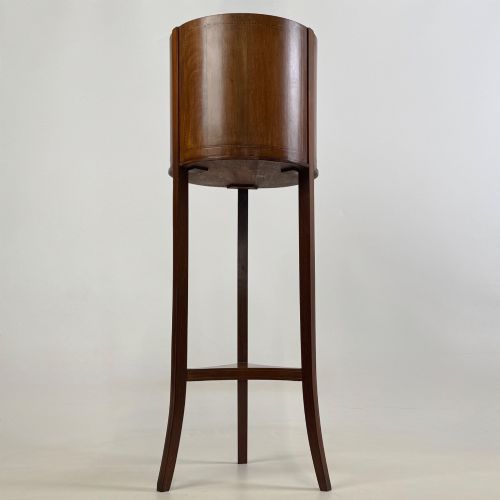
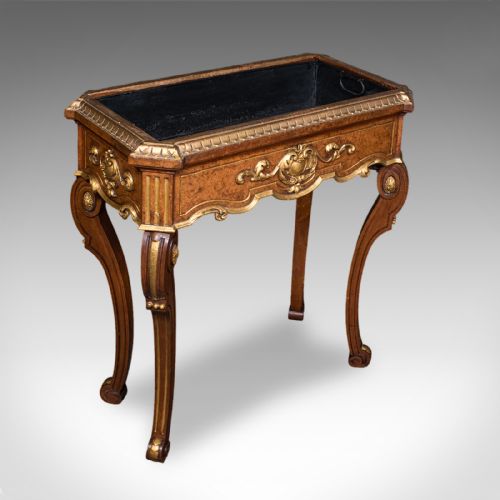
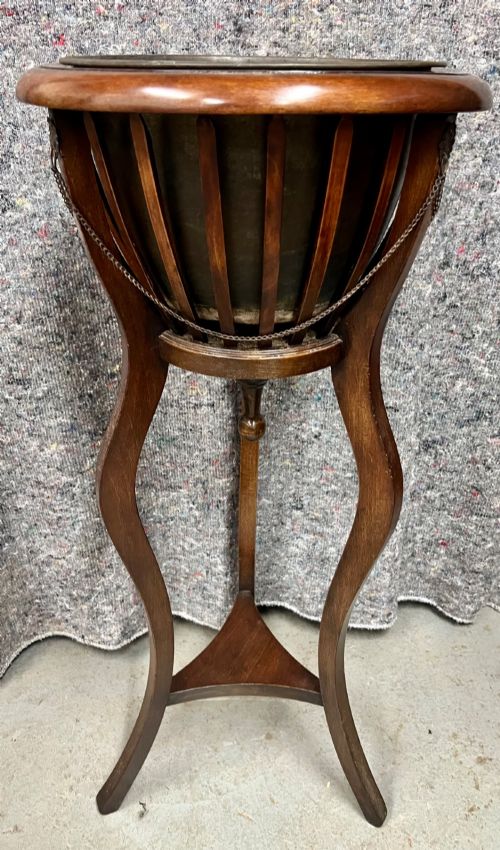
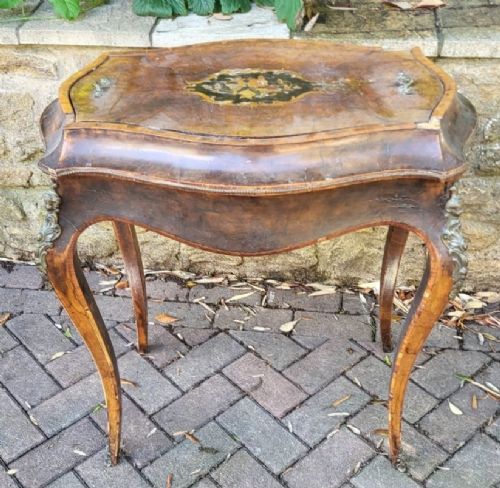
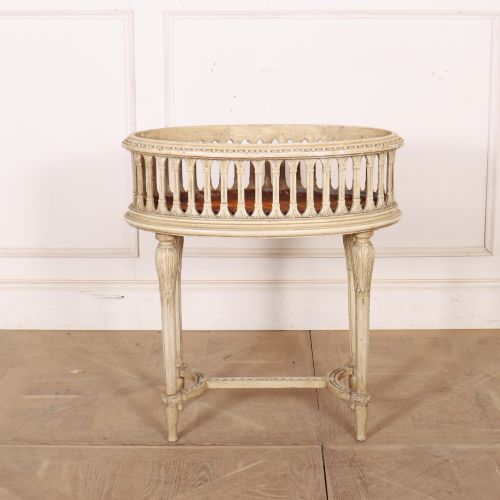
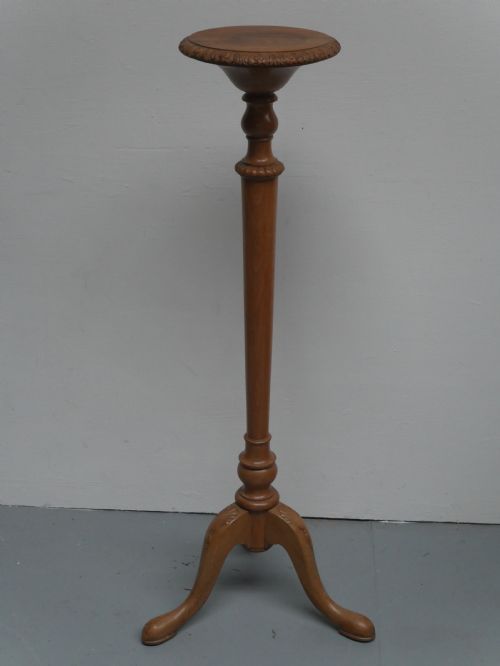
An indoor wooden jardiniere functions primarily as a decorative plant stand or planter table designed to hold indoor greenery. Buyers seeking this category encounter forms ranging from simple Edwardian mahogany plant stands to elaborate Victorian burr walnut planter tables.
The selection on this page centres on timber frames housing functional receptacles for plants. Pieces span the Georgian, Victorian, and Edwardian eras, incorporating variations such as lift-off lids and decanter caddy conversions.
Origin points encompass English workshop traditions alongside French revivals. The objects serve both practical horticulture and formal interior decoration within domestic spaces.
How they were made
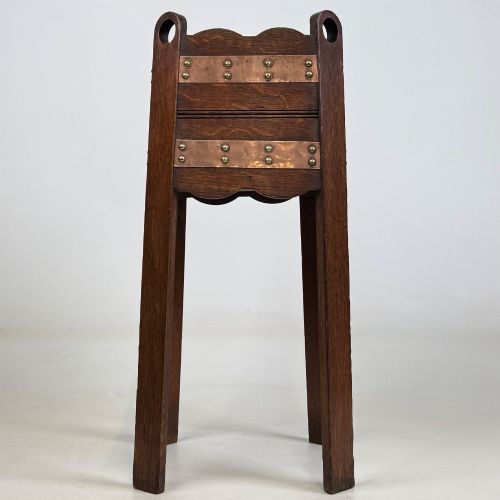
Cabinetmakers utilised hardwoods such as mahogany, walnut, oak, satinwood, and kingwood for the primary structures. Construction often involved fine marquetry inlay, boxwood stringing, and carved details suited to specific revival styles.
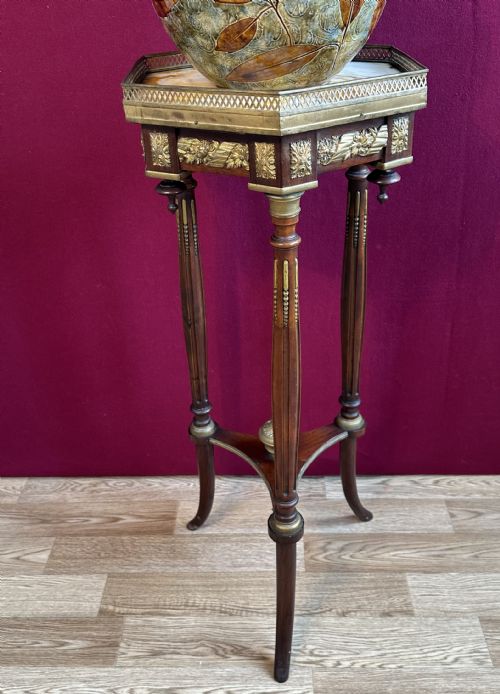
Metal components formed an integral part of the manufacturing process to protect the timber from moisture. Brass, ormolu mounts, gilt metal, and zinc liners were fitted to secure the plants and provide durability.
Materials span mahogany, walnut, oak, kingwood, and satinwood, paired with zinc liners, brass, and gilt metal mounts.
What varies in quality
The standard of timber selection and complexity of veneer work define the upper tier of pieces. Burr walnut and satinwood surfaces display deliberate grain matching and precise marquetry.
Mount quality separates standard productions from finer examples. Cast ormolu mounts and heavy brass fittings indicate greater workshop investment than plain metal alternatives.
The Indoor Wooden Jardiniere Glossary
- Jardiniere
- An ornamental pot or stand for holding plants or flowers. These items often take the form of freestanding tables or low pedestals.
- Ormolu
- Gilded bronze applied as a decorative mount on furniture. French nineteenth-century pieces frequently utilise this technique.
- Marquetry
- Decorative veneer applied to furniture in patterns using different woods. Craftsmen employ this method to create intricate geometric or floral designs on table tops.
- Coopered
- Made from stave pieces fitted together like a barrel. Oak coopered planters often incorporate brass bands for structural reinforcement.
Indoor Wooden Jardiniere: Frequently Asked Questions
What is an indoor wooden jardiniere used for?
These pieces hold potted plants and flowers within interior rooms, elevating greenery above floor level for display.
They function as decorative plant stands, planter tables, or low pedestals positioned in reception rooms and hallways.
How do I tell Victorian from Edwardian pieces?
Victorian examples frequently display heavier timber choices like burr walnut alongside ornate ormolu mounts and rich marquetry inlay.
Edwardian pieces tend toward lighter mahogany or satinwood constructions reflecting simpler revival influences.
Do these planters contain metal liners?
Many examples incorporate original metal or zinc liners designed to contain moisture and protect the surrounding timber frame.
Coopered and table forms frequently utilise these fitted inserts to hold soil or potted plants directly.
How do I care for wooden plant stands?
Protect the timber surface from standing water by placing saucer bases beneath plants inside the liner.
Apply appropriate furniture wax periodically to maintain the polish of mahogany, walnut, and oak surfaces.