


Regency Wooden Planters
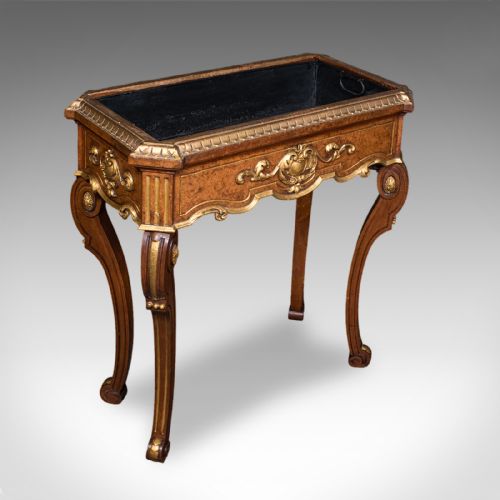
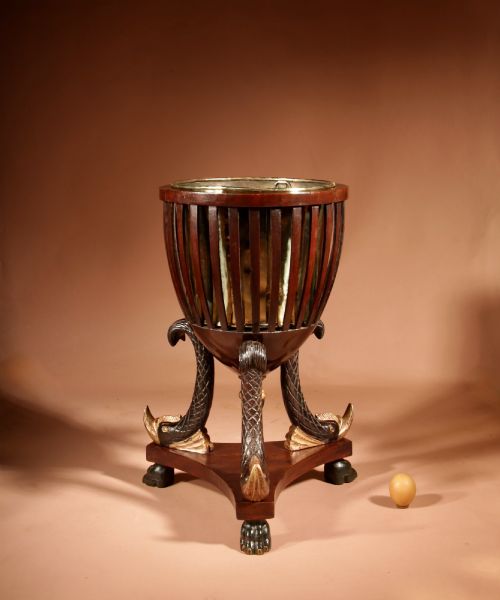
Regency wooden planters bring classical proportion and rich mahogany or walnut into a room, offering a distinct way to display plants with period elegance.
Regency Wooden Planters
When you search for regency wooden planters, you encounter pieces designed to hold growing plants or to function as wine coolers and cellarettes, reflecting the versatile furnishing habits of the early nineteenth century. These items appear across Georgian, Regency, and William IV periods, alongside later twentieth-century revivals styled after earlier forms.
The dominant material visible across these examples is mahogany, frequently accompanied by walnut, rosewood, and ebonised wood, often augmented with metal, zinc, or brass bands. Forms range from jardiniere tables and plant stands to buckets and round planters, showing how functional vessels transitioned into decorative display pieces.
How they were made
Cabinetmakers constructed these vessels primarily from solid and veneered timbers including mahogany and walnut, employing traditional joinery methods to shape round buckets, square tables, and stand mounts. Timber selection prioritised rich grain patterns and deep natural tones, which were polished to a smooth finish.
Metalwork plays a structural and decorative role, featuring brass bands, ormolu mounts, and zinc linings designed to hold moisture and earth safely within the timber frame. These metal additions secured stave construction and protected the wood from water damage during daily use.
A sturdy wooden bucket that once kept claret cool at dinner now quietly hosts your favourite indoor fern.
What varies in quality
The distinction between ordinary and exceptional pieces lies in the choice of timber figure, the crispness of turned or carved details, and the integration of secondary metals like brass and ormolu. Superior examples display carefully matched veneers and robust structural joinery that withstands the demands of holding heavy soil and plants.
Proportion and decorative restraint dictate the aesthetic success of a piece, separating refined classical interpretations from heavier revival iterations. The quality of the interior lining and the patination of the wood surfaces further define the overall character and longevity of the object.
The Regency Wooden Planters Glossary
- Jardiniere
- An ornamental pot or stand designed to hold growing plants. These vessels sit on tables or stand directly on the floor.
- Cellarette
- A lockable container used for storing bottles of wine or spirits. Many examples double as planters due to their deep wooden bucket form.
- Ormolu
- Gilded bronze used for decorative mounts and accents on furniture. This technique adds metallic contrast to dark woods.
- Ebonised wood
- Timber treated to imitate ebony through staining or painting. This dark finish provides sharp visual contrast in classical designs.
Regency Wooden Planters: Frequently Asked Questions
What is a regency wooden planter?
These pieces are decorative containers originally built to hold plants or ice-chilled bottles in period interiors. They combine timber construction with metal liners.
They reflect classical design principles from the early nineteenth century and later revivals, serving as functional focal points for botanical displays.
How were wine coolers used?
Wine coolers and cellarettes held bottles and ice during dining occasions in Georgian and Regency homes. Their deep wooden buckets proved suitable for conversion into plant holders.
Over time, many of these vessels transitioned from dining room service to drawing room botanical display.
How do I care for the wood?
Keep these items away from direct heat sources and sudden humidity changes to protect the timber and veneers. Use protective saucers inside the liners to prevent moisture reaching the wood.
Regular polishing with appropriate wax maintains the lustre of the mahogany and walnut surfaces without building up residue.